Mastering Maritime English for Global Seafarers in 2026: The Essential Guide to Safety and Career Success
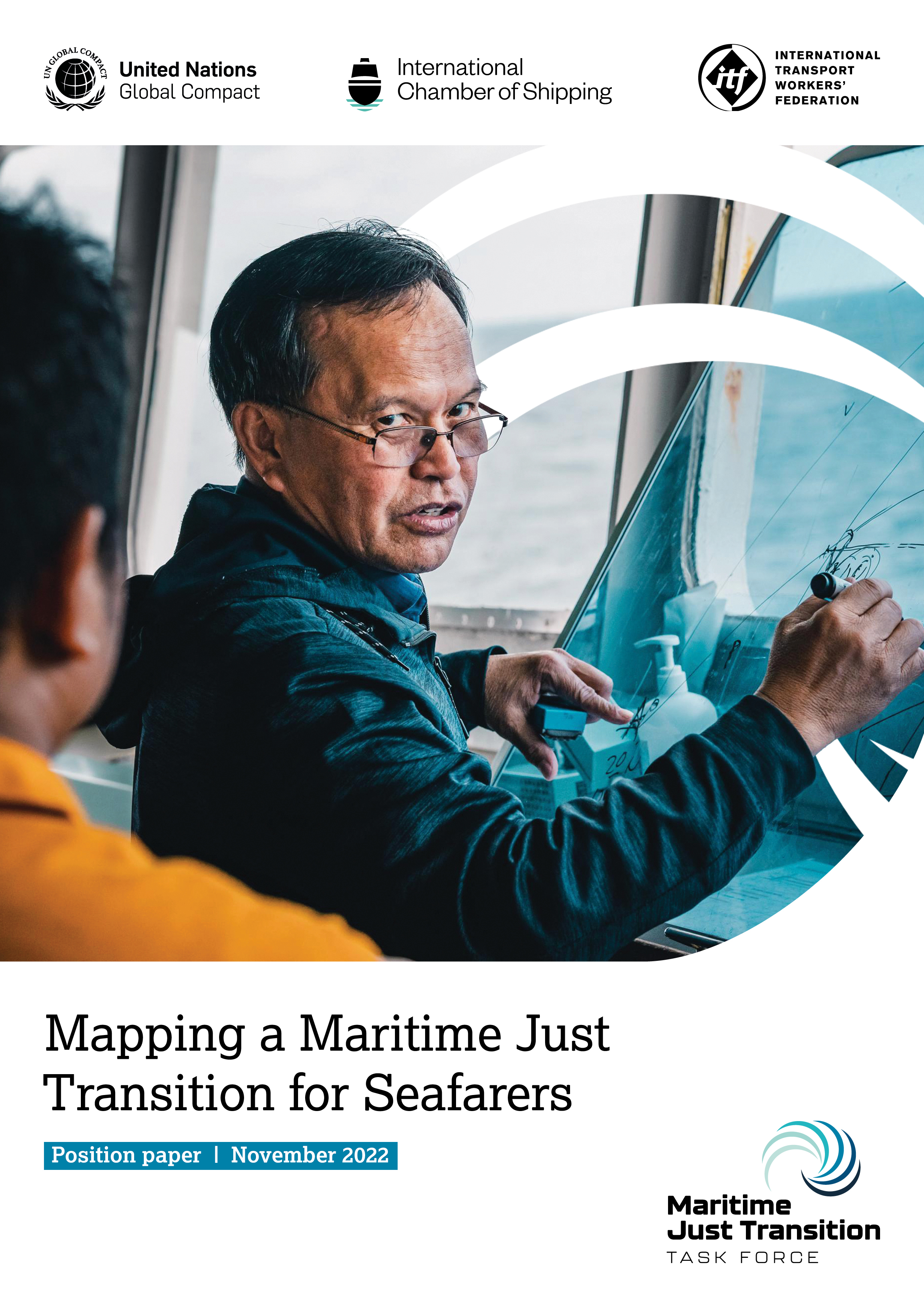
Maritime English is the specialized linguistic framework used by international seafarers to ensure safe ship operations, environmental protection, and regulatory compliance. It encompasses the IMO Standard Marine Communication Phrases (SMCP) and technical terminology mandated by the STCW Convention, serving as the universal language for ship-to-shore, ship-to-ship, and internal on-board communication.
Professional proficiency in Maritime English is not merely a career asset; it is a fundamental safety requirement in the modern shipping industry. As of 2026, the complexity of global maritime logistics and the increasing diversity of multinational crews have made standardized communication more critical than ever. Whether navigating through congested straits, managing complex engineering systems, or coordinating emergency responses, the ability to communicate clearly and unambiguously in English is what prevents accidents and saves lives.
The Regulatory Framework: IMO and the STCW Convention
The foundation of Maritime English lies in international regulations. The International Maritime Organization (IMO) recognized early on that language barriers were a leading cause of maritime casualties. This led to the inclusion of English language requirements in the International Convention on Standards of Training, Certification and Watchkeeping for Seafarers (STCW).
Under the STCW, as updated through various amendments including the comprehensive 2010 Manila Amendments and subsequent 2020s reviews, officers in charge of a navigational watch on ships of 500 gross tonnage or more must have a substantial command of Maritime English. This includes the ability to use and understand the SMCP. For engineers, the requirement focuses on technical documentation, safety instructions, and effective communication with the bridge during critical maneuvers.
In 2026, compliance monitoring has become more stringent. Port State Control (PSC) inspections frequently include assessments of the crew’s ability to communicate in English, particularly during emergency drills. A failure to demonstrate adequate linguistic proficiency can result in vessel detention, as it is classified as a significant safety risk.
Understanding the IMO Standard Marine Communication Phrases (SMCP)
The SMCP is the "backbone" of Maritime English. Adopted by the IMO in 2001 (Resolution A.918(22)), these phrases were developed to replace the older "Standard Marine Navigational Vocabulary." The goal was to create a simplified, standardized version of English that minimizes the risk of misunderstanding caused by different dialects, accents, or cultural nuances.
The SMCP is built on several linguistic principles:
- Avoidance of Synonyms: Only one word is used for a specific concept to prevent confusion.
- Avoidance of Function Words: Unnecessary words like "a," "the," or "is" are often omitted in radio communication to increase clarity.
- Standardized Sentence Structures: Phrases are built using a predictable syntax.
- Message Markers: These are perhaps the most vital component of the SMCP. They alert the listener to the intent of the message before the information is delivered.
Message Markers in Maritime Communication
| Message Marker | Purpose | Example |
|---|---|---|
| Instruction | Used by VTS or a pilot to dictate an action. | "Instruction. Do not pass south of buoy Alpha." |
| Advice | A suggestion that is not mandatory but recommended. | "Advice. Keep clear of the dredging area." |
| Warning | Alerts others to an immediate danger or hazard. | "Warning. Uncharted wreck reported in position..." |
| Information | Providing facts without requiring immediate action. | "Information. Visibility is decreasing to 0.5 miles." |
| Question | Asking for specific data or confirmation. | "Question. What is your present maximum draft?" |
| Answer | The response to a specific question. | "Answer. My present maximum draft is 12 meters." |
| Request | Asking for a service or assistance. | "Request. I require a tug for berthing." |
| Intention | Stating what your vessel is about to do. | "Intention. I will reduce speed to 6 knots." |

Core Competencies for Deck and Engine Officers
The depth of Maritime English required varies significantly between the deck and engine departments. While both must understand emergency protocols, their daily technical vocabularies differ.
Navigational and Deck Requirements
Deck officers must master the language of "SeaSpeak." This includes maneuvering commands, mooring operations, cargo handling terminology, and interaction with Vessel Traffic Services (VTS). In 2026, with the integration of more advanced Electronic Chart Display and Information Systems (ECDIS) and automated reporting, deck officers must also be proficient in reading and interpreting digital technical alerts and software interfaces in English.
Key areas of focus for deck officers include:
- VHF Radio Protocol: Proper hailing, identity confirmation, and closing of conversations.
- Meteorological Reporting: Understanding "gale warnings," "sea state," and "barometric pressure" terminology.
- Search and Rescue (SAR): Communication with rescue coordination centers and the use of the IAMSAR Manual language.
Engineering and Technical Requirements
For marine engineers, Maritime English is less about radio protocol and more about the precision of technical systems. Communication often happens between the bridge and the engine room or between the ship and shore-based repair teams.
Key areas for engineers include:
- Maintenance Manuals: The ability to read complex diagrams and repair instructions for main engines, generators, and auxiliary machinery.
- Bunkering Procedures: Clear communication regarding fuel transfers, quantities, and safety precautions.
- Safety Data Sheets (SDS): Understanding chemical hazards and the English terminology for firefighting and spill response equipment.
Overcoming Communication Barriers in Multicultural Crews
One of the greatest challenges in 2026 is the "human element" in shipping. Modern vessels are often manned by "global seafarers" from various nations—Filipino, Indian, Chinese, Russian, Ukrainian, and Greek crew members often work together on a single ship.
The Role of Accents and Pronunciation
While the SMCP provides the words, it does not solve the problem of heavy accents. Training programs now emphasize "International English" pronunciation, which focuses on clarity rather than sounding like a native speaker. Seafarers are taught to speak slowly, use standard "phonetic alphabets" (Alfa, Bravo, Charlie), and employ the "Read-Back" protocol to ensure the message was received correctly.
Cultural Nuances in Communication
In some cultures, it is considered disrespectful to question a superior officer. However, in maritime safety, "Challenge and Response" is vital. Maritime English training in 2026 includes elements of Bridge Resource Management (BRM), encouraging junior officers to use standard English phrases to voice concerns or point out errors, regardless of the hierarchy.
Assessment and Certification Methods
To verify proficiency, several standardized tests are recognized globally by ship owners and crewing agencies.
The Marlins Test
The Marlins Test remains the industry standard for assessing English language competency. It evaluates listening, grammar, vocabulary, and reading across different ranks and departments. Many ship owners require a minimum score on the Marlins Test before a seafarer is hired or promoted.
Maritime English Testing System (METS)
The METS is another comprehensive evaluation tool that aligns closely with the IMO Model Course 3.17 (Maritime English). It assesses the specific technical language required for STCW functions, ensuring that a seafarer can perform their duties safely.
Oral Examinations (MOSS)
In 2026, oral assessments have become more frequent. These often take the form of "Maritime Oral Skills Simulation," where a seafarer must respond to simulated emergency scenarios using the correct SMCP markers. This tests the ability to think and speak under pressure, which a written test cannot fully measure.
The Future of Maritime English in 2026: Digitalization and AI
As we move through 2026, technology is significantly altering how Maritime English is learned and used.
- AI-Driven Language Tutors: Many seafarers now use AI-powered mobile apps specifically designed for the maritime context. These apps provide real-time pronunciation feedback on SMCP phrases.
- Remote Monitoring and Communication: With the rise of Shore Control Centers (SCC) for autonomous and semi-autonomous vessels, the communication link between a shore-based pilot and the ship's crew requires a highly disciplined use of Maritime English to prevent lag-induced misunderstandings.
- Virtual Reality (VR) Training: Training centers now use VR to place seafarers in a simulated bridge environment where they must communicate with "virtual pilots" or other ships in English to navigate through high-traffic areas like the Singapore Strait.
Practical Steps for Improving Maritime English Proficiency
For seafarers looking to improve their skills and advance their careers, a structured approach is necessary.
- Daily Immersion: Read the IMO News and other maritime publications. Staying current with industry news helps build a natural grasp of technical vocabulary.
- Master the SMCP: Do not just memorize the phrases; understand the logic of the message markers. Practice using them in non-emergency situations so they become second nature.
- Engage in Technical Reading: Regularly review the vessel’s Safety Management System (SMS) and equipment manuals in English.
- Use Phonetic Alphabets: Use the NATO phonetic alphabet for all spelling tasks on board to avoid confusion between similar-sounding letters (e.g., 'B' and 'P').
- Record and Listen: Record yourself speaking SMCP phrases and compare your pronunciation to standardized training recordings.
Frequently Asked Questions
Is there a difference between General English and Maritime English?
Yes. General English is used for social interaction and everyday life. Maritime English is a "Language for Specific Purposes" (LSP). It uses restricted grammar and a specific vocabulary (SMCP) designed to be understood by non-native speakers in high-stress, noisy, or low-clarity environments (like a radio over engine noise).
Why do I need to use Message Markers?
Message markers are critical because they prepare the listener for the type of information coming. In a busy radio channel, if a listener only catches the end of a sentence, the message marker (which should be repeated) tells them if it was a command they must follow or just general information.
What is the minimum Marlins score for an officer?
While requirements vary by company and flag state, most major shipping companies in 2026 require a minimum of 80% to 85% for officers and 60% to 70% for ratings. Senior officers (Captains and Chief Engineers) are often expected to score above 90%.
Can I be detained by Port State Control for poor English?
Yes. If a PSC officer observes that the crew cannot communicate effectively during a drill or if the officer in charge of the watch cannot understand VTS instructions, the ship can be deemed "unseaworthy" due to a lack of competent personnel, leading to vessel detention.
How has Maritime English changed with the rise of digitalization?
Digitalization has added a layer of "cyber-maritime" English. Seafarers must now understand terms related to data integrity, software updates, and electronic sensor troubleshooting. Furthermore, standardized communication is now often typed into messaging systems between ships and shore, making written English proficiency more important than in the past.
Final Recommendation
For global seafarers in 2026, the path to career longevity and safety is paved with linguistic competence. Beyond the mandatory certifications, seafarers should view Maritime English as a critical survival tool. Continuous learning through digital platforms, rigorous adherence to SMCP protocols, and a commitment to clear, concise communication will ensure that the "human element" remains a strength rather than a liability in the global shipping industry. For those entering the field, prioritizing the IMO Model Course 3.17 standards is the most effective way to ensure global employability.
Image Gallery
Select an image to open it in a new tab.
Zara El-Hashem
Sociocultural Dynamics and Academics Writer
