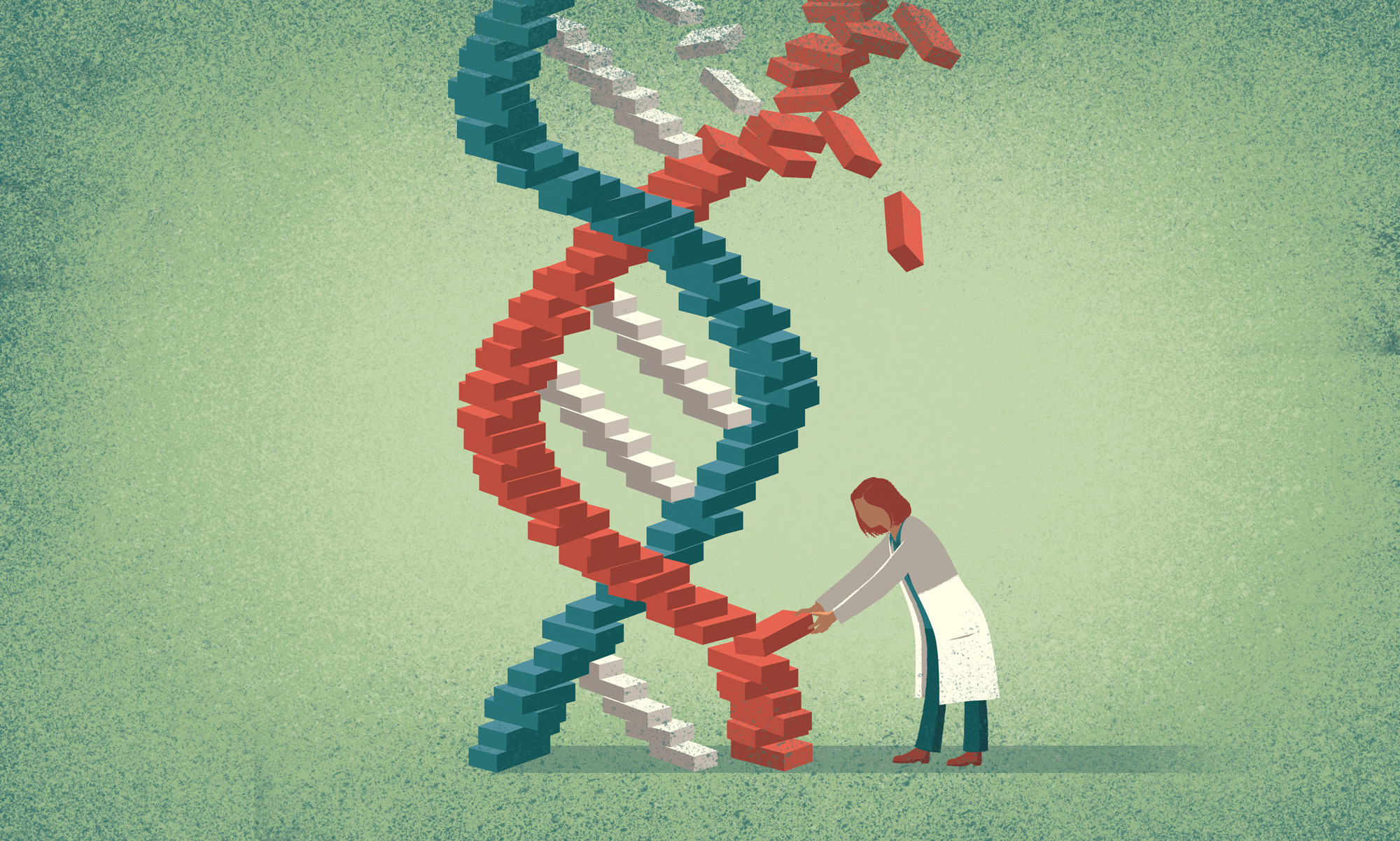
As of 2026, the scientific consensus regarding "gene-edited babies"—referring to the use of CRISPR-Cas9 or other molecular tools to alter the human germline—remains one of extreme caution, restricted application, and significant ethical moratorium. While gene editing is a clinical reality for somatic cells (non-heritable cells) in treating diseases like sickle cell anemia, the modification of human embryos for reproductive purposes remains scientifically unsafe, clinically unproven, and globally regulated as a practice to be avoided.
Understanding the Mechanism: CRISPR-Cas9 in Context
To understand the scientific reality of gene editing in infants, one must first distinguish between somatic and germline editing. Somatic editing involves modifying the DNA of existing cells in an adult or child to treat a specific disease. Because these changes are not inherited by the patient’s future children, they are widely accepted in clinical research.
Germline editing, however, involves modifying the DNA of a sperm, egg, or early-stage embryo. This ensures that the genetic change is passed down to all future descendants of that individual. The technology most commonly associated with this is CRISPR-Cas9, a tool derived from bacterial immune systems that acts as "molecular scissors." It uses a guide RNA to locate a specific sequence of DNA and an enzyme (Cas9) to cut it, allowing scientists to delete, replace, or insert genetic material. While precise in a laboratory petri dish, applying this to a human embryo introduces variables that current science cannot fully control.
The Problem of "Off-Target" Effects
The primary scientific hurdle preventing the move toward gene-edited babies is the phenomenon known as "off-target effects." Despite the specificity of the CRISPR guide RNA, the molecular machinery can occasionally make cuts at unintended locations within the genome.
In an adult patient undergoing a therapy for blood disorders, an off-target mutation might affect a few cells, which the body can often handle or the medical team can monitor. However, in a human embryo, every cell is a precursor to an entire organism. If an unintended mutation occurs during the editing process, that error is replicated in every single cell of the developing baby. This could lead to developmental abnormalities, increased cancer risk, or the introduction of new genetic diseases that were not present in the parents. As of 2026, the rate of off-target activity in human embryo research is considered too high to satisfy the standard of "do no harm" required for clinical practice.
Mosaicism: The Structural Risk
Beyond off-target mutations, researchers face the hurdle of "mosaicism." This occurs when the gene-editing tool does not successfully edit every cell in an early-stage embryo. The result is a child whose body is composed of a mixture of edited and unedited cells.
If an embryo is edited at the single-cell stage but the process is inefficient, some cells may contain the desired edit while others retain the original, potentially disease-causing, mutation. There is currently no reliable way to verify the genetic integrity of every cell in a developing embryo without damaging the embryo to the point where pregnancy is no longer viable. Therefore, the risk of creating a child with an unpredictable mixture of genetic profiles—where the disease may still be present in a portion of the body—is a significant barrier.
Global Regulatory Landscape and Legal Status
The scientific community, represented by bodies such as the World Health Organization (WHO) and various national academies of science, maintains a global moratorium on clinical germline editing. This stance is based on the lack of both technical safety and a broad societal consensus on the ethics of "designer babies"—the use of gene editing for enhancement rather than therapeutic necessity.
| Region/Organization | Regulatory Stance | Scope |
|---|---|---|
| United States (FDA) | Prohibited by budget rider | Prevents clinical trials involving heritable modifications |
| European Union | Prohibited | Oviedo Convention forbids modifications passed to descendants |
| China | Restricted/Strict | Criminalized non-compliant embryo research after 2018 |
| WHO/International | Moratorium | Strongly discourages clinical germline application |
This regulatory environment ensures that any attempt to produce a gene-edited baby is not only scientifically premature but also illegal in most jurisdictions.
Therapeutic Necessity vs. Genetic Enhancement
A frequent point of confusion is the distinction between curing a child of a terminal genetic condition and using editing for enhancement. Currently, Preimplantation Genetic Testing (PGT) is the standard of care for families at risk of passing on hereditary diseases. PGT involves screening embryos created via In Vitro Fertilization (IVF) to select those that do not carry the specific mutation.
Because PGT is safe, well-established, and highly effective for most monogenic (single-gene) disorders, it remains the ethical and clinical preference. The science of gene editing is therefore reserved for "rescuing" embryos that would otherwise be discarded because all available embryos carry the genetic defect—a scenario that is rare in clinical practice. Even in these cases, the scientific community argues that we have not yet developed the tools to perform these edits without unacceptable risk to the fetus.
Unresolved Ethical and Long-Term Consequences
Even if the technical risks of off-target mutations and mosaicism were solved by 2026, profound ethical questions remain. Genetic modifications are permanent; they enter the human gene pool and are inherited by all subsequent generations. This introduces "intergenerational consent," where a child and their descendants are subjected to a change they had no power to approve.
Furthermore, the potential for using this technology for non-therapeutic traits—such as physical appearance, cognitive enhancement, or athletic ability—creates a slippery slope. The scientific community has largely agreed that until we can separate medical necessity from social engineering, and until the long-term impacts on human evolution are understood, clinical application is off the table.
Common Misconceptions
- "We can already edit babies." While the technology to edit DNA exists, the clinical capacity to do so safely in human reproduction does not.
- "Gene editing is the only way to avoid genetic diseases." For almost all hereditary conditions, PGT and IVF offer a safe and proven alternative that does not involve altering the embryo's DNA.
- "Clinical trials are happening." Legitimate, peer-reviewed clinical trials for heritable germline editing are not currently being conducted or approved by regulatory health authorities.
Frequently Asked Questions
Are gene-edited babies currently living among us? There is no verifiable evidence of widespread, authorized germline editing. In 2018, an unauthorized experiment in China resulted in the birth of the world’s first CRISPR-edited infants; however, this was universally condemned by the global scientific community as unethical and dangerous.
How is this different from gene therapy? Gene therapy (somatic editing) treats a patient who is already born and does not affect their reproductive cells. Germline editing changes the blueprint of an embryo, meaning the change is present in every cell of that person and will be passed to their children.
Can parents choose their baby's traits using CRISPR? No. Aside from the severe safety risks, CRISPR is not capable of "programming" traits like intelligence or height. These are polygenic, meaning they are influenced by thousands of genes interacting with the environment. We do not understand the genome well enough to "design" a baby.
Is it legal to edit a baby's genes? In almost all countries with advanced medical oversight, it is illegal to perform germline editing for the purpose of initiating a pregnancy. Researchers may study gene editing in non-viable embryos (embryos that will not be implanted), but even this is subject to strict legal and ethical review.
What happens if a mistake is made during editing? If a mistake occurs at the embryonic stage, it cannot be "fixed" later. The error will persist in every cell of the resulting human being. This is the primary reason why the technology is restricted to laboratory study rather than clinical practice.
Recommendation for Concerned Families
If you are planning a family and have concerns about hereditary genetic conditions, the most effective and scientifically sound action is to consult with a licensed genetic counselor or a reproductive endocrinologist specializing in IVF. They can provide an assessment of your family history and discuss the availability of Preimplantation Genetic Testing (PGT). PGT is a safe, established, and legal process that allows parents to select healthy embryos without the need for experimental gene-editing procedures. Relying on established clinical pathways ensures the safety of your future child and the integrity of your reproductive journey.

Image Gallery
Select an image to open it in a new tab.


Simon Caldwell
Enterprise Technology and Systems Editor
