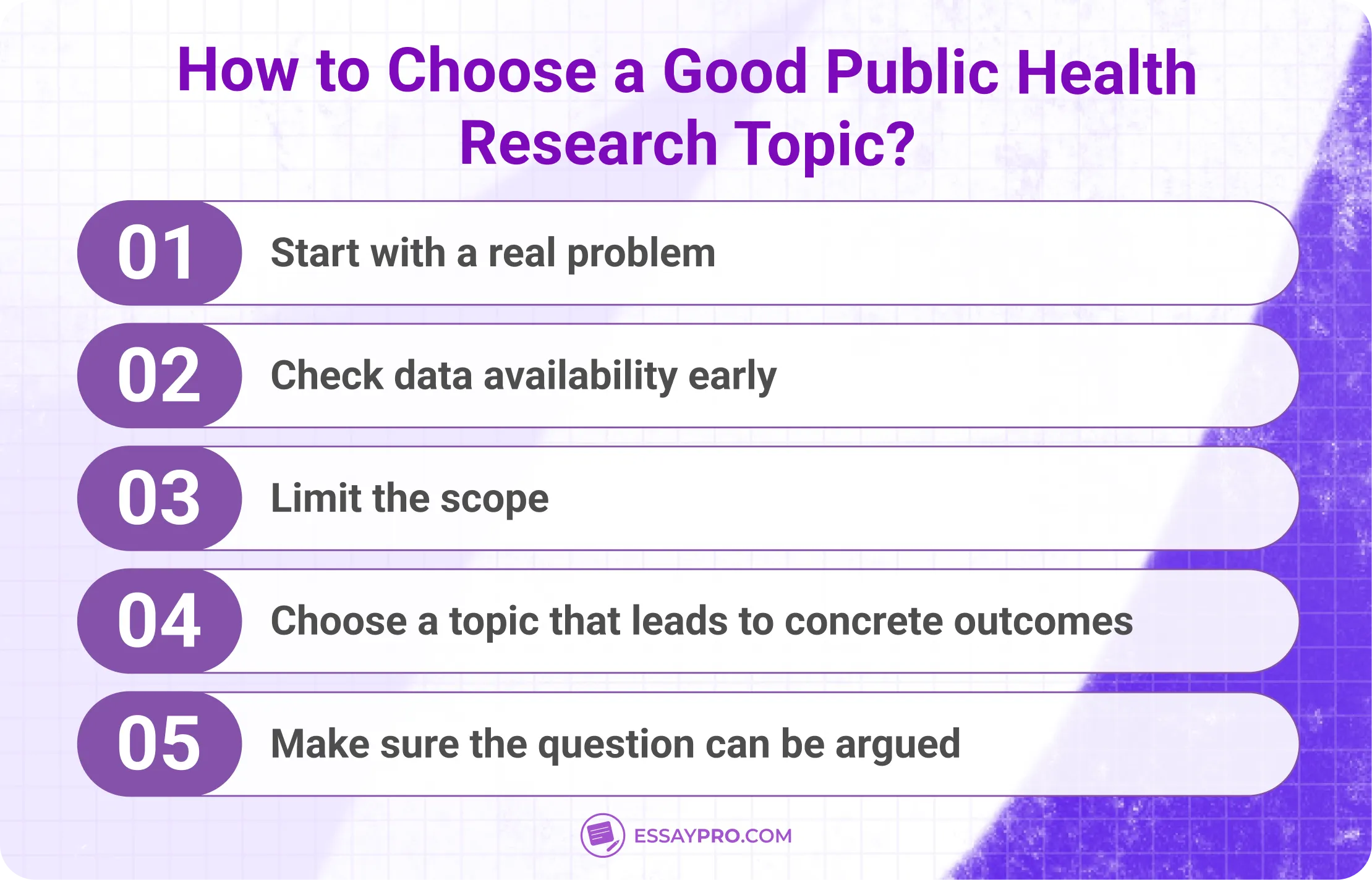
Formative research is the foundational investigative phase conducted before designing, implementing, or scaling public health interventions. By systematically collecting qualitative and quantitative data from a target population, researchers, epidemiologists, and community health practitioners uncover local beliefs, behaviors, socio-economic barriers, and structural constraints. This preliminary intelligence ensures that subsequent health programs are culturally tailored, evidence-based, and genuinely responsive to the communities they aim to serve.
The Strategic Foundation of Public Health Interventions
In the architecture of public health, rushing from a broad epidemiological observation directly into program delivery is a common pitfall. A health agency might notice a high incidence of a preventable disease in a region, secure funding, and launch a mass communication or distribution campaign. Without prior investigation, however, these top-down initiatives frequently underperform or fail entirely. Formative research acts as the crucial bridge between abstract health data and ground-level realities.
When practitioners engage in this preparatory work, they shift from asking "What is the problem?" to asking "Why does this problem persist in this specific context, and how do local residents perceive it?" This distinction is vital. Quantitative surveillance data can tell public health officials that maternal mortality is high in a rural district or that vaccination rates are lagging among adolescents. Formative research discovers the underlying mechanics—such as traditional birthing practices, distrust of institutional medicine, logistical hurdles regarding transport, or gender dynamics that prevent women from seeking independent care.
By identifying these factors early, public health teams can tailor their intervention strategies to respect cultural norms, leverage existing community networks, and directly address misconceptions or logistical bottlenecks. This initial investment significantly reduces the risk of resource wastage and increases the likelihood of long-term program sustainability.
Core Objectives and Methodological Approaches
Conducting formative research involves a structured mix of qualitative and quantitative methodologies tailored to the target audience and the specific health issue at hand. The primary goal is to achieve a deep, contextualized understanding of the population's lived experiences, knowledge gaps, attitudes, and cultural practices.
Key Research Objectives
- Identify Target Audience Segmentation: Public health interventions are rarely one-size-fits-all. Formative research helps categorize a population into distinct segments based on risk behaviors, demographic characteristics, or psychological profiles, allowing for targeted messaging.
- Uncover Barriers and Facilitators: Researchers investigate what prevents individuals from adopting healthy behaviors (barriers) and what resources, social supports, or motivations might encourage them (facilitators).
- Assess Communication Channels and Literacy Levels: Understanding how a community shares information—whether through local radio, religious leaders, community health workers, or digital platforms—ensures that health promotion campaigns reach their intended audience effectively and in an accessible format.
- Pre-test Materials and Messages: Before launching a campaign, draft messages, visual aids, and intervention protocols are evaluated by members of the target audience to check for clarity, cultural appropriateness, and potential unintended negative reactions.
Qualitative and Quantitative Methods Used
| Method Type | Specific Techniques | Primary Public Health Application |
|---|---|---|
| Qualitative | In-Depth Interviews (IDIs), Focus Group Discussions (FGDs), Key Informant Interviews (KIIs) | Exploring complex cultural beliefs, stigma, social norms, and nuanced motivations behind health behaviors. |
| Qualitative | Participatory Rural Appraisal (PRA), Photovoice, Observation | Mapping community assets, visualizing daily routines, and understanding environmental or structural constraints. |
| Quantitative | Knowledge, Attitudes, and Practices (KAP) Surveys, Rapid Household Surveys | Establishing baseline statistical metrics, measuring the prevalence of specific beliefs, and quantifying risk behaviors. |
| Mixed Methods | Triangulation of survey data with ethnographic fieldwork | Validating numerical trends with contextual narratives to provide a comprehensive picture of community needs. |

Bridging the Gap Between Communities and Institutions
One of the most significant advantages of formative research is its capacity to foster genuine community engagement and build trust. Public health initiatives historically suffered from a paternalistic model, where outside experts dictated interventions without consulting the affected populations. This approach frequently triggered skepticism, resistance, and low uptake of health services.
Formative research disrupts this dynamic by establishing a participatory dialogue from day one. When researchers enter a community to listen rather than to instruct, they signal respect for local knowledge and autonomy. Focus groups, participatory mapping sessions, and interviews give voice to marginalized groups—such as low-income households, ethnic minorities, or stigmatized populations—whose perspectives are often overlooked in centralized health planning.
This participatory foundation facilitates the creation of culturally resonant public health messaging. For instance, a campaign promoting mosquito net usage to prevent malaria will look very different in a coastal fishing community compared to an inland agricultural region. Formative research reveals the specific daily routines, sleeping arrangements, and local terminology associated with vectors and disease, allowing health communicators to craft messages that resonate directly with daily life. Furthermore, involving community stakeholders in the research phase helps identify trusted local figures—such as elders, traditional healers, or youth leaders—who can serve as effective advocates when the intervention rolls out.
Common Pitfalls and Operational Limitations
Despite its clear value, conducting rigorous formative research presents several operational challenges that public health organizations must navigate carefully.
- Time and Budget Constraints: Public health emergencies and funding cycles often demand rapid action. Stakeholders may view formative research as an avoidable delay. However, skipping this phase frequently results in costly program redesigns or complete failures down the line.
- Researcher Bias and Positionality: Outside researchers may inadvertently project their own cultural assumptions onto the data, misinterpreting local practices or overlooking subtle social cues. Mitigating this risk requires partnering with local researchers, hiring bilingual or bicultural staff, and maintaining rigorous reflexive practices.
- Participant Fatigue: Communities that are heavily targeted by NGOs, government agencies, and academic researchers can experience survey fatigue. If residents feel they are repeatedly asked the same questions without seeing tangible benefits, participation rates drop, and data quality suffers. Researchers must ensure ethical engagement, manage expectations clearly, and ideally link research participation to immediate community-level benefits or feedback loops.
- Translating Insights into Action: A common administrative failure occurs when robust formative research reports are compiled but never integrated into the actual program design. Bridging this gap requires intentional alignment between research teams and implementation staff from the very beginning of the project lifecycle.
Frequently Asked Questions
What is the difference between formative research and baseline evaluation?
Formative research is conducted before an intervention is designed or implemented to shape its strategy, content, and delivery mechanisms. A baseline evaluation, by contrast, is conducted immediately before the intervention begins to measure specific quantitative indicators (such as baseline disease prevalence or knowledge scores) against which future program impact will be assessed.
Can public health programs succeed without formative research?
While it is technically possible for a program to succeed without formative research—particularly if it replicates a heavily tested intervention in a very similar population—it is a high-risk gamble. Without contextual data, programs often fail to account for local barriers, leading to poor community uptake, wasted financial resources, and missed health targets.
How long does a typical formative research phase take?
The duration varies widely depending on the scope of the project, available funding, and geographic reach. A rapid assessment using key informant interviews and existing literature reviews may take two to four weeks, whereas an extensive mixed-methods study involving multiple communities, ethnographic observation, and surveys can take several months.
Who should be involved in conducting formative research?
Ideally, a multidisciplinary team should conduct the research. This includes epidemiologists, qualitative researchers, behavioral scientists, communication specialists, and crucially, local community members or field researchers who understand regional dialects, social norms, and cultural nuances.
Next Actions for Public Health Practitioners
For public health professionals preparing to launch a new initiative, the immediate priority is to allocate dedicated time, budget, and personnel for a formative research phase before finalizing operational plans. Review existing literature and epidemiological data to identify knowledge gaps regarding local behaviors and barriers. Next, partner with local institutions or community-based organizations to co-design research tools that respect cultural sensitivities and address specific operational questions. By anchoring health interventions in the lived realities of the target population, practitioners can maximize their impact, foster enduring trust, and achieve sustainable public health outcomes.
Image Gallery
Select an image to open it in a new tab.
Omar Farooq
EdTech Innovation and Virtual Pedagogy Journalist
