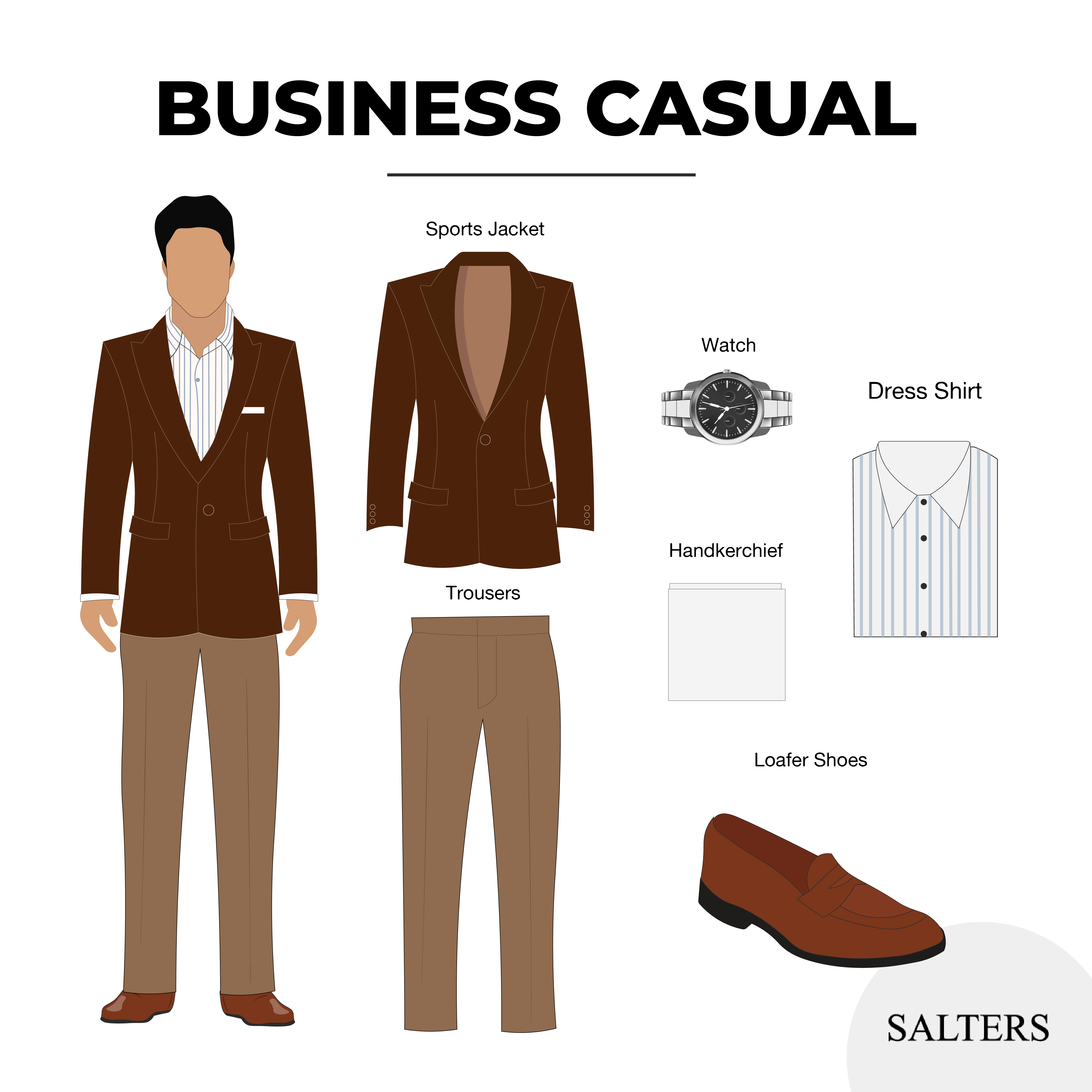
Planning what to wear to a West End production requires balancing personal comfort with the historic ambiance of London’s theatrical venues. The short answer is that virtually all West End theatres enforce a smart-casual dress code with no strict formal requirements, meaning neat jeans and comfortable shoes are entirely acceptable, though many patrons still choose to dress up for evening performances.
Navigating the cultural expectations of London's entertainment district can feel daunting, especially for first-time visitors or international travelers. While the days of mandatory evening gowns and black-tie suits are long gone for standard audience members, understanding the nuances of theatre etiquette ensures an enjoyable evening. From historic architecture with cramped seating to modern venues with climate control, various factors should influence your wardrobe choices.
Understanding West End Dress Codes: Casual vs. Formal
The standard dress code across London's West End can be defined broadly as smart-casual. Historic producing houses and modern commercial theatres alike recognize that audiences attend shows straight from work, as tourists carrying daypacks, or as part of a special night out. Consequently, management enforces very few exclusionary clothing rules.
Ticket holders rarely need to worry about being turned away for dressing down, provided they meet basic public decency standards. However, "smart-casual" spans a wide spectrum. Understanding how different tiers of clothing fit into the theatre environment helps strike the right balance between looking presentable and maintaining physical comfort throughout a two-to-three-hour performance.
Daywear vs. Evening Performance Expectations
While a matinee performance on a Wednesday afternoon naturally invites a more relaxed approach—such as t-shirts, sneakers, and casual jumpers—evening performances often see a shift toward elevated attire. People attending Friday and Saturday night shows frequently use the opportunity to wear blazers, smart trousers, dresses, or stylish denim.
Yet, theatre staff focus primarily on ensuring an unobstructed view and a safe environment rather than policing fashion. If you are arriving directly from a day of sightseeing, wearing comfortable walking shoes and weather-appropriate outerwear will not raise eyebrows. Conversely, dressing up in formal wear for a milestone anniversary or a red-carpet press night is equally commonplace and will not make you look out of place.
Venue Variations: Historic vs. Modern Theatres
London's theatre district houses structures dating back to the Victorian and Edwardian eras, such as the Theatre Royal Drury Lane, the London Coliseum, and the Savoy Theatre. These venues feature ornate architecture, narrow corridors, and notoriously compact seating arrangements, particularly in the upper tiers like the Grand Circle and Gallery.
In contrast, modern spaces or thoroughly modernized venues—such as the National Theatre on the South Bank or the Bridge Theatre near Tower Bridge—offer contemporary climate control, wider aisles, and more spacious seating. When visiting historic venues, breathable fabrics and layers become essential because older auditoriums can experience significant temperature fluctuations depending on the season and crowd density.
Seasonal Considerations for London Weather
London weather is notoriously unpredictable, shifting rapidly between damp chill, brisk wind, and unexpected summer humidity. Because West End theatres were largely constructed in the 19th and early 20th centuries, their heating and ventilation systems vary widely in efficiency.
Layering serves as the single best strategy for surviving both the elements outside and the thermal extremes inside the auditorium. Outerwear must be checked or managed during the show, making lightweight coats or jackets far more practical than bulky, floor-length winter coats that take up limited legroom.
| Season | Typical Weather | Recommended Theatre Attire | Venue Climate Factor |
|---|---|---|---|
| Spring | Mild, occasional showers | Layered smart-casual, light trench coat, closed-toe shoes | Variable; older buildings can be drafty |
| Summer | Warm to hot, humid | Breathable fabrics (cotton/linen), light dresses, short sleeves | High heat retention in upper balconies |
| Soothe/Autumn | Breezy, damp, cooling | Wool-blend jackets, trousers, boots, scarves | Moderate heating activated |
| Winter | Cold, freezing, wet | Heavy coats (use cloakroom), sweaters, sturdy footwear | Overheated auditoriums requiring layers |
Managing Outerwear and Cloakrooms
Carrying bulky coats, umbrellas, and shopping bags into a historic West End theatre can severely diminish your comfort. Many historic venues feature narrow seating rows where floor space is at an absolute premium.
Most West End theatres operate cloakrooms where patrons can check coats and large bags for a small fee, typically ranging from £2 to £5 per item. Arriving 30 to 40 minutes before curtain-call provides adequate time to deposit belongings without rushing. Note that security checks at West End venues are standard practice, and security staff inspect bags regardless of whether they ultimately go into the cloakroom or remain at your seat.

Footwear: Comfort vs. Elegance
Choosing the right shoes is arguably the most critical component of attending a London theatre production. The experience involves more than just sitting quietly in the dark; it requires navigating steep staircases, standing in long foyer queues, and walking considerable distances between nearby Underground stations and the venue.
Navigating Stairs and Historic Architecture
Many West End venues require patrons to climb multiple flights of stairs to reach the Dress Circle, Upper Circle, or Balcony levels. Elevators are rare in older historic buildings due to structural preservation laws. Stilettos or brand-new, stiff leather shoes can quickly turn a magical theatrical experience into a painful ordeal.
Furthermore, historic auditoriums often feature sloped aisles with minimal lighting during entry and exit periods. Opting for supportive footwear with good grip prevents slips and stumbles on steep steps. Stylish flats, clean fashion sneakers, low block heels, and well-broken-in boots offer the ideal compromise between aesthetic appeal and practical physical support.
Special Events and VIP Nights
While standard ticket holders enjoy broad sartorial freedom, certain events carry unspoken or explicit dress expectations. Knowing the distinction between a standard evening booking and an exclusive opening night prevents awkward social missteps.
Gala Openings, Press Nights, and Charity Performances
If your tickets coincide with a press night (opening night) or a gala charity performance attended by high-profile guests, cast members, and industry executives, the fashion standard shifts noticeably upward.
- Press Nights: Attendees frequently opt for cocktail attire, sharp tailoring, or elegant evening wear.
- Gala Events: Printed invitations often specify "Black Tie" or "Smart Evening Wear." Adhering to these guidelines ensures you match the atmosphere of post-show receptions and VIP lounges.
For a deeper look into the cultural landscape of the capital's entertainment scene, resources such as Official London Theatre provide guidance on venue policies and ticketing details.
Common Mistakes to Avoid
Even though West End dress codes are relaxed, certain clothing choices create practical problems for you and your fellow audience members. Avoiding these common pitfalls ensures a smooth and courteous theatre experience.
- Overdressing to the Point of Discomfort: Wearing a ballgown or full tuxedo to a casual matinee of a long-running musical can leave you feeling overdressed, as most surrounding patrons will be wearing smart-casual clothing.
- Ignoring Seat Pitch and Legroom: Wearing stiff, non-stretch denim or restrictive tailoring in cramped upper-tier seating makes sitting still for two hours uncomfortable.
- Neglecting Climate Shifts: Relying entirely on a lightweight summer outfit without a sweater can leave you shivering if the venue's air conditioning runs high, or sweating if you are seated high up in the gallery.
- Ignoring Footwear Practicalities: Wearing towering heels without backup flats can make the walk from Leicester Square or Covent Garden tube stations painful.
Frequently Asked Questions
Can I wear jeans to a West End theatre?
Yes, neat, dark-wash, or smart jeans paired with a blazer, nice blouse, or collared shirt are completely acceptable and commonly worn by audience members at virtually all West End shows. Avoid ripped, distressed, or excessively baggy denim if you want to maintain a smart-casual appearance.
Do West End theatres have air conditioning?
Climate control varies dramatically across London’s theatrical landscape. Modern venues maintain precise climate control, whereas older Victorian and Edwardian buildings rely on a mix of heritage heating systems and natural ventilation, leading to warm conditions in summer and drafty spots in winter.
Are there restrictions on hats or large hairstyles?
While there is no formal ban on hats, wearing large hats or voluminous hairstyles inside the auditorium blocks the view of patrons seated behind you. Etiquette dictates removing hats, bulky headbands, or adjusting high hairstyles once seated before the performance begins.
What should I wear backstage during a stage door visit?
If you plan to wait at the stage door after the performance to meet cast members and secure autographs, remember that you will be standing outside on the pavement, often in cool night air. Dressing with an extra outer layer, regardless of how warm the auditorium was, ensures comfort during the wait.
Is a coat check available at every London theatre?
Most West End theatres provide cloakroom facilities for coats and large bags, though capacity can be limited. Arriving early guarantees space, but be prepared for a short queue to collect your items immediately following the final curtain call.
Conclusion and Final Recommendations
Ultimately, dressing for a London theatre production should prioritize personal comfort while respecting the special nature of a live performance. Select smart-casual attire that allows you to navigate historic staircases safely, sit comfortably through extended scenes, and adapt to shifting indoor temperatures. By checking the venue style ahead of time and opting for supportive footwear, you can focus entirely on enjoying world-class entertainment in the heart of London.
Image Gallery
Select an image to open it in a new tab.
Vivian Cho
Executive IT and Emerging Technologies Reporter
