How to Choose the Treatment for Drywood Termites

Choosing the right treatment for drywood termites requires evaluating the extent of the infestation, the structural accessibility of the affected areas, and whether you prefer whole-structure eradication or localized spot treatments. Property owners must weigh the effectiveness, cost, and safety implications of each method to protect their homes effectively from structural damage.
Understanding Drywood Termites and Their Behavior
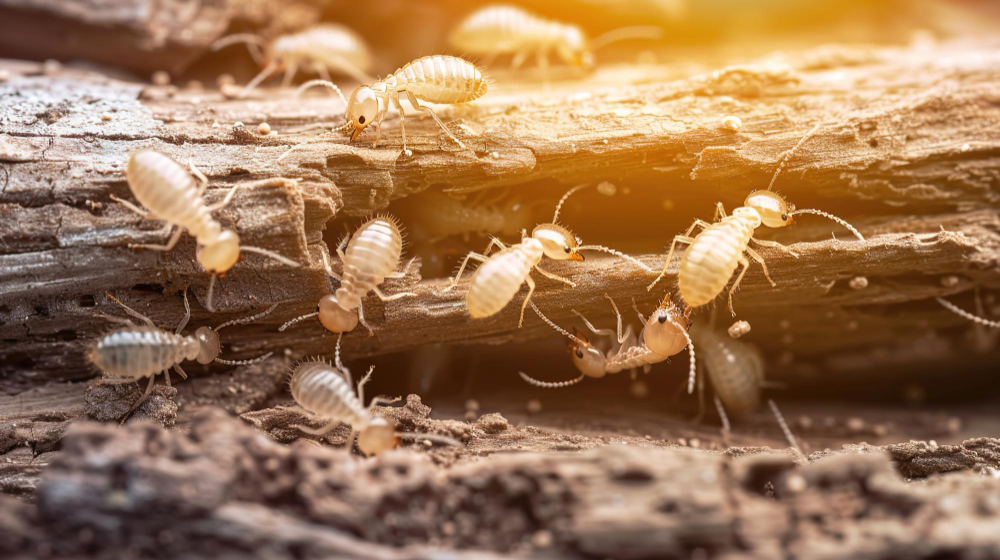
Before evaluating any pest control intervention, it is essential to understand the biology and behavior of drywood termites (Incisitermes species). Unlike subterranean termites, which require constant contact with soil moisture and build mud tubes to travel, drywood termites live entirely inside dry, sound wood. They form relatively small colonies—ranging from a few hundred to a few thousand members—and carve out galleries along the grain of the wood. Because they do not need soil contact, a single structure can harbor multiple independent colonies in different rooms, roof timbers, or pieces of furniture simultaneously.
Identifying a drywood termite infestation relies heavily on spotting their distinct warning signs rather than seeing the insects themselves, as they spend almost their entire lives hidden. The most common indicators include the presence of frass (their fecal pellets), which are hard, elongated capsules with six concave sides that accumulate in small mounds beneath infested wood. Homeowners may also notice discarded translucent wings after swarmers (reproductive termites) leave the nest to start new colonies, or blistered, hollowed-out wood that sounds dull when tapped. Pinholes in drywall, baseboards, or wooden furniture where termites kick out their frass are another classic diagnostic sign.
Assessing Infestation Severity and Location
The most critical step in choosing a treatment method is determining whether the infestation is localized to a single piece of furniture or a specific wall stud, or if it is widespread throughout the entire structural framework of the building. Pest management professionals typically perform a thorough inspection using visual cues, sounding tools, optical borescopes, and sometimes electronic listening devices or trained detection dogs to map out the scope of the problem.
Localized infestations—such as a single infested wooden door frame, a decorative beam, or an isolated piece of antique furniture—are prime candidates for targeted treatments. These methods allow homeowners to address the problem without disrupting their daily lives or incurring the high costs associated with whole-structure measures. Conversely, if evidence of termites appears on multiple floors, across widely separated rooms, or in inaccessible structural voids like roof framing and subfloors, a localized approach will likely fail, allowing hidden colonies to continue chewing through load-bearing supports.

Whole-Structure Treatments vs. Localized Treatments
When comparing treatment options, pest control strategies fall into two major categories: whole-structure treatments and localized (spot) treatments. Each category comes with distinct operational profiles, advantages, and limitations that dictate its suitability for a given property.
| Feature | Whole-Structure Treatments | Localized (Spot) Treatments |
|---|---|---|
| Best For | Widespread, hidden infestations | Single, isolated colonies |
| Coverage | 100% of the building framework | Specific, treated zones only |
| Disruption Level | High (requires temporary moving) | Low (minimal disruption) |
| Hidden Colony Risk | Eliminated | Remaining colonies may persist |
Whole-Structure Fumigation
Structural fumigation remains the gold standard for eradicating widespread or severe drywood termite infestations. During this process, the entire building is sealed within an airtight canvas tent or tarp, and a gaseous fumigant—traditionally sulfuryl fluoride—is introduced at precise concentrations for a set duration. The gas penetrates every nook, cranny, and wooden member in the structure, reaching hidden colonies behind walls, beneath subfloors, and inside roof headers where no liquid or dust could ever be applied.
- Pros: Unmatched thoroughness; treats the entire building simultaneously; eliminates unseen or inaccessible colonies.
- Cons: High cost; requires residents and pets to vacate the property for 24 to 72 hours; necessitates turning off gas lines and food preparation; offers no residual protection against future infestations once the gas dissipates.
Localized Heat Treatments
Thermal remediation involves raising the internal temperature of a targeted structural cavity or an entire room to a level lethal to drywood termites. Specialized heating units pump high volumes of hot air into the space, monitored by remote thermal sensors placed inside the wood timbers. The core temperature of the wood must reach approximately 120°F to 140°F (49°C to 60°C) and be maintained for a sustained period to ensure complete mortality of all life stages, including eggs.
- Pros: Chemical-free process; allows occupants to remain in the unaffected parts of the home; fast turnaround time for specific rooms.
- Cons: Only effective where the heat can be physically contained and monitored; risk of damaging heat-sensitive electronics, artwork, or structural plastics; provides no residual protection.
Liquid Residual Sprays and Foams
Liquid insecticides, such as synthetic pyrethroids or specific non-repellent formulations, can be applied directly to exposed or accessible wood. Pest controllers often drill small holes into infested members and inject liquid or expanding foam formulations into the galleries. As termites tunnel through the treated wood, they ingest or absorb the active ingredient, leading to colony elimination.
- Pros: Highly effective for targeted areas; leaves a residual barrier that protects the treated wood against future attacks; cost-effective for minor issues.
- Cons: Requires direct contact between the chemical and the termite galleries; useless against hidden colonies located elsewhere in the structure.
Wood-Surface Borates
Disodium octaborate tetrahydrate (commonly known as DOT or borate) is a mineral-based salt applied as a liquid spray or gel to bare, unfinished wood. Because borates are wood-inversion inhibitors, they diffuse into the wood pores and remain indefinitely as long as the wood is kept dry. Termites and other wood-destroying organisms that attempt to feed on the treated wood ingest the mineral, which disrupts their metabolic processes.
- Pros: Exceptional preventative measure; permanent residual protection on untreated wood; low mammalian toxicity.
- Cons: Only penetrates bare wood (cannot pass through paint, varnish, or sealants without stripping); acts slowly compared to neurotoxic insecticides.
Safety, Environmental, and Regulatory Considerations
Selecting a termite treatment also involves strict adherence to local regulations, environmental safety protocols, and health guidelines. Chemical fumigants and synthetic insecticides are tightly regulated by federal and state environmental protection agencies. For instance, sulfuryl fluoride usage requires professional licensing, mandatory clearance testing with specialized gas analyzers before re-entry, and adherence to strict warning labeling.
Homeowners must consider household sensitivities, including the presence of infants, elderly residents, indoor pets, and indoor aquariums. While localized treatments like borates or targeted micro-injections pose minimal environmental and residential disruption, whole-structure fumigation requires meticulous preparation, including double-bagging consumable items in specialized gas-barrier bags or removing them from the premises entirely. Always verify that your chosen pest control operator is licensed, insured, and certified in structural pest control within your jurisdiction.
Cost Factors and Financial Planning
The financial investment required for drywood termite treatment varies wildly depending on the chosen method, regional labor rates, and the physical square footage of the property. Localized spot treatments are generally priced per area or per item, making them attractive for minor, contained outbreaks. However, if multiple spot treatments are required across different parts of a large home, the cumulative cost can quickly approach or exceed the flat-rate expense of a single whole-structure fumigation.
Furthermore, homeowners should factor in secondary expenses. Fumigation requires temporary lodging costs, utility disconnection/reconnection fees, and post-treatment cleaning. Conversely, localized treatments may carry lower upfront costs but could result in recurring expenses if hidden colonies outside the treated zones emerge later. Requesting detailed, itemized quotes from multiple licensed pest control companies helps ensure transparent pricing and allows for an accurate cost-benefit analysis.
Frequently Asked Questions
Can I treat drywood termites myself with over-the-counter products?
While hardware stores sell aerosol sprays and spot treatments for minor carpenter ant or termite issues, DIY methods are rarely effective against established drywood termite colonies. Because these insects live deep inside structural wood framing, surface sprays only kill the insects exposed on the outside while leaving the core colony unharmed. Professional intervention with specialized equipment is almost always required for complete eradication.
Does a drywood termite treatment prevent future infestations?
It depends entirely on the method used. Whole-structure fumigation and heat treatments clear existing infestations completely but leave zero chemical residue behind, meaning new swarmers can theoretically enter and start a new colony the day after treatment. Conversely, treatments utilizing borates or liquid residual insecticides leave behind active ingredients that protect the treated wood against future attacks for years.
How do I know if my drywood termite treatment was successful?
For fumigation or heat treatments, success is verified through post-treatment inspections, monitoring gas concentrations, or checking wood core temperatures during the process. For localized treatments, the definitive sign of success is the complete cessation of frass accumulation and new swarmers in the treated area over a 30-to-90-day observation window. If fresh frass appears shortly after treatment, surviving insects or an untreated separate colony remain active.
Are eco-friendly or chemical-free drywood termite treatments available?
Yes. Heat treatments and electrical current systems (such as electro-gun technology) offer non-chemical means of killing termites in targeted locations. Additionally, borate-based wood treatments utilize naturally occurring mineral salts that have low toxicity profiles for humans and pets while remaining lethal to wood-destroying organisms. However, severe, widespread infestations still frequently require traditional chemical fumigation for total elimination.
How often should I inspect my home for drywood termites?
Property owners—especially those living in subtropical or coastal regions prone to termite activity—should schedule a professional pest inspection at least once every one to two years. Regular visual checks of attics, crawlspaces, exposed beams, and baseboards can catch early warning signs of frass or discarded wings before minor issues escalate into major structural damage.
Conclusion and Next Actions
Choosing the correct drywood termite treatment requires a methodical approach: start by verifying the precise scope of the infestation through a professional inspection, weigh the structural accessibility of the affected timber, and compare the pros and cons of whole-structure versus localized options. To proceed, contact at least two licensed, reputable pest management firms in your area to obtain comprehensive, written evaluations and tailored treatment proposals.
Image Gallery
Select an image to open it in a new tab.



Celine Dubois
Contemporary Living and Global Arts Columnist
