
Brazil remains a viable and rewarding destination for travelers in 2026, provided they exercise increased caution. While the country is not classified as high-risk for the average tourist, it maintains a persistent "Level 2" advisory from most international agencies due to urban crime rates. Safety varies drastically between neighborhoods and regions.
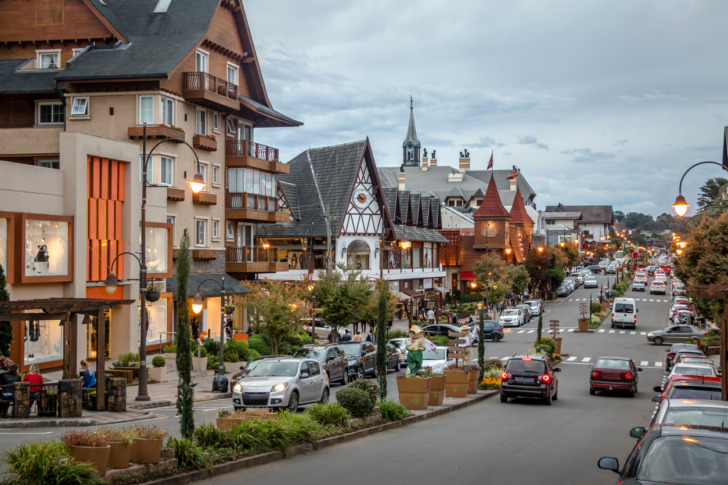
Navigating Brazil successfully requires a shift in mindset from "avoidance of all risk" to "intelligent risk management." As the largest country in South America, Brazil’s safety profile is not monolithic. A peaceful afternoon in the vineyards of Bento Gonçalves bears no resemblance to the security dynamics of a late night in central Rio de Janeiro. To understand if Brazil is safe for your specific itinerary, you must look beyond national averages and examine the specific behaviors, locations, and seasonal trends that dictate the traveler experience in 2026.
The Current Security Landscape in 2026
As of 2026, the Brazilian government has continued its investment in specialized tourist police units (DEATUR) in major hubs like Rio de Janeiro, São Paulo, and Salvador. These units are specifically trained to assist foreign visitors and are often stationed in high-traffic areas such as Ipanema, Avenida Paulista, and the Pelourinho. Despite these efforts, systemic socio-economic challenges continue to drive high rates of opportunistic street crime.
The primary concern for travelers remains non-violent and semi-violent "quick" crimes. Pickpocketing, phone snatching, and "quick kidnappings"—where a victim is briefly held to withdraw money from ATMs or make transfers via the PIX instant payment system—are the most reported incidents involving foreigners. Violent crime, while high in the national statistics, is predominantly concentrated in peripheral neighborhoods (favelas) and is often related to internal gang disputes rather than tourism. However, the spillover effect in urban centers means that situational awareness is mandatory at all times.
Regional Safety Breakdown: Where to Exercise the Most Caution
Brazil's continental dimensions mean that safety levels fluctuate significantly by state. Understanding these geographical nuances is the first step in planning a secure trip.
Rio de Janeiro and the Southeast
Rio de Janeiro remains the most iconic yet complex city for safety. In 2026, the "South Zone" (Zona Sul), which includes Copacabana, Ipanema, and Leblon, is heavily patrolled. However, "arrastões" (coordinated group robberies on beaches) can still occur during peak summer months or holiday weekends. São Paulo, while generally safer in terms of violent crime, sees high rates of mobile phone theft, particularly in the city center and near the "Cracolândia" districts which should be avoided entirely.
The South: A Different Profile
States like Santa Catarina, Paraná, and Rio Grande do Sul offer a security profile more akin to Southern Europe. Cities like Florianópolis and Curitiba consistently rank as some of the safest urban environments in Brazil. While petty theft exists, the threat of armed robbery is significantly lower here than in the northern counterparts.
The Northeast: High Beauty, High Vigilance
The Northeast, home to Salvador, Recife, and Fortaleza, offers stunning coastlines but requires the highest level of vigilance. These cities have historically higher homicide rates, though these are largely confined to areas far from the tourist trail. In Salvador’s Pelourinho, security has been bolstered, but walking alone at night in poorly lit side streets remains high-risk.
The Amazon and Center-West
In Manaus and the Amazon region, the primary risks shift from urban crime to environmental and logistical safety. Navigational errors on the river or health risks (such as malaria or yellow fever) are more pressing concerns than street muggings, provided you remain with reputable tour operators.

Practical Safety Comparison by Major Destination (2026 Data)
| Destination | General Risk Level | Primary Safety Concern | Recommended Action |
|---|---|---|---|
| Rio de Janeiro | Moderate-High | Street robbery / Beach scams | Avoid beaches after dark; use Uber at night. |
| São Paulo | Moderate | Phone snatching / ATM fraud | Do not use your phone on the street; stay in Jardims. |
| Florianópolis | Low | Petty theft | Standard precautions; safe for solo travelers. |
| Salvador | Moderate-High | Pickpocketing in historic sites | Stay within patrolled tourist zones; avoid jewelry. |
| Manaus | Moderate | Logistical / Nature risks | Use licensed guides for jungle excursions. |
| Brasília | Low-Moderate | Theft in "Satellite Cities" | Stick to the Plano Piloto (central area). |
Navigating Public and Private Transportation
Transportation safety is a critical component of a Brazilian itinerary. In 2026, the divide between public and private transit safety remains pronounced.
Ride-Sharing and Taxis
Uber and its local competitor, 99, are the gold standard for safe travel in Brazilian cities. They provide a digital trail, fixed pricing, and the ability to share your location with others. It is strongly recommended to use these apps rather than hailing a street taxi, especially at night. When using ride-sharing, always verify the license plate and the driver's name before entering the vehicle.
Public Transit: Metro vs. Bus
The Metro systems in Rio de Janeiro and São Paulo are generally clean, efficient, and safe during daylight hours and early evening. They are often safer than city buses, which are more susceptible to robberies in certain outskirts. However, during rush hour, stay alert for pickpockets who exploit the crowded conditions.
Intercity Travel
Long-distance buses (ônibus leito) are a high-quality and safe way to travel between states. These buses are modern and often include security features. Flying remains the safest and most efficient method for crossing large distances, with Brazilian airports maintaining international security standards.
Digital and Financial Security: The PIX Era
The landscape of financial crime in Brazil has shifted with the ubiquity of PIX, the instant payment system. While convenient, it has led to an increase in "lightning kidnappings" where criminals demand transfers.
- The "Two-Phone" Strategy: Many frequent travelers and locals carry a secondary "street phone" with no banking apps installed, keeping their primary device hidden or at the hotel.
- Credit Card Safety: "Cloning" or skimming is common. Always insist that the waiter or vendor brings the card machine to you; never let your card be taken out of your sight. Use contactless payments (NFC) via Apple Pay or Google Pay where possible, as these are more secure than swiping.
- ATM Usage: Only use ATMs located inside secure buildings like shopping malls or bank branches during business hours. Avoid street-side ATMs, especially after dark.
Health and Environmental Considerations
Being safe in Brazil also involves managing health risks associated with a tropical climate.
- Vaccinations: As of 2026, the World Health Organization recommends Yellow Fever vaccination for most of the country. Ensure your routine immunizations are up to date.
- Mosquito-Borne Illnesses: Dengue, Zika, and Chikungunya are endemic. Use high-quality repellent containing DEET or Picaridin, especially in the Northeast and the Amazon.
- Water and Food: Tap water is generally not potable for foreigners. Stick to bottled or filtered water (available in most hotels). Food safety in established restaurants is high, but exercise caution with street food that has been sitting out in the heat.
Gender and Identity-Based Safety
Solo Female Travelers
Brazil is a popular destination for solo female travelers, but it requires a higher degree of self-assurance. Street harassment (catcalling) can occur. It is advisable to stay in social hostels or well-reviewed hotels in safe neighborhoods like Ipanema (Rio) or Vila Madalena (São Paulo) to connect with other travelers.
LGBTQ+ Travelers
Brazil has a dual nature regarding LGBTQ+ safety. It hosts the world’s largest Pride Parade in São Paulo and has progressive laws, yet it also records high rates of violence against the community, particularly the trans community. In major urban centers and tourist hubs, LGBTQ+ travelers are generally welcomed, but public displays of affection in conservative rural areas or lower-income neighborhoods may draw unwanted attention.
Frequently Asked Questions
Is it safe to walk at night in Rio de Janeiro?
Walking at night is generally safe only within specific, well-lit, and populated blocks of the South Zone (Ipanema/Leblon). Even then, it is better to take an Uber for any distance longer than a few blocks. Avoid walking on the beach sand at night and stay off the deserted streets of the Centro (Downtown) after business hours.
Do I need to speak Portuguese to stay safe?
While not strictly necessary, knowing basic Portuguese phrases can significantly enhance your safety. It allows you to understand your surroundings, read warning signs, and communicate with local police if necessary. Most importantly, it helps you project confidence, which makes you less of a target for scammers.
Are the favelas safe to visit?
Favela tours are a popular but controversial tourist activity. Only visit a favela with a reputable, local guide who is a member of that community. Some favelas, like Vidigal in Rio, have "pacified" areas with hostels and parties, but security situations can change rapidly. Independent exploration of favelas is highly discouraged.
What should I do if I am robbed?
The universal rule in Brazil is: do not resist. Most street robberies are committed by individuals looking for quick valuables to sell. They may be armed, even if a weapon isn't visible. Hand over your belongings calmly and without sudden movements. Afterward, find a police station (Polícia Civil) to file a "Boletim de Ocorrência" (police report), which is required for insurance claims.
Final Recommendations for a Secure Trip
To maximize your safety in Brazil in 2026, follow the "Low Profile" rule. Leave expensive jewelry, luxury watches, and designer handbags at home. Dress like a local—flip-flops (Havaianas), shorts, and simple t-shirts are the standard attire even in many nice areas. Always keep your phone in your pocket or a front-facing bag while in public; never walk with it in your hand while using GPS.
Ultimately, Brazil is a country that rewards the prepared. By staying informed through official sources like the U.S. Department of State or the UK Foreign, Commonwealth & Development Office, and by following local advice once on the ground, you can experience the profound cultural and natural beauty of the country with minimal risk.
Image Gallery
Select an image to open it in a new tab.
Akira Tanaka
International Academic Trends Correspondent
