
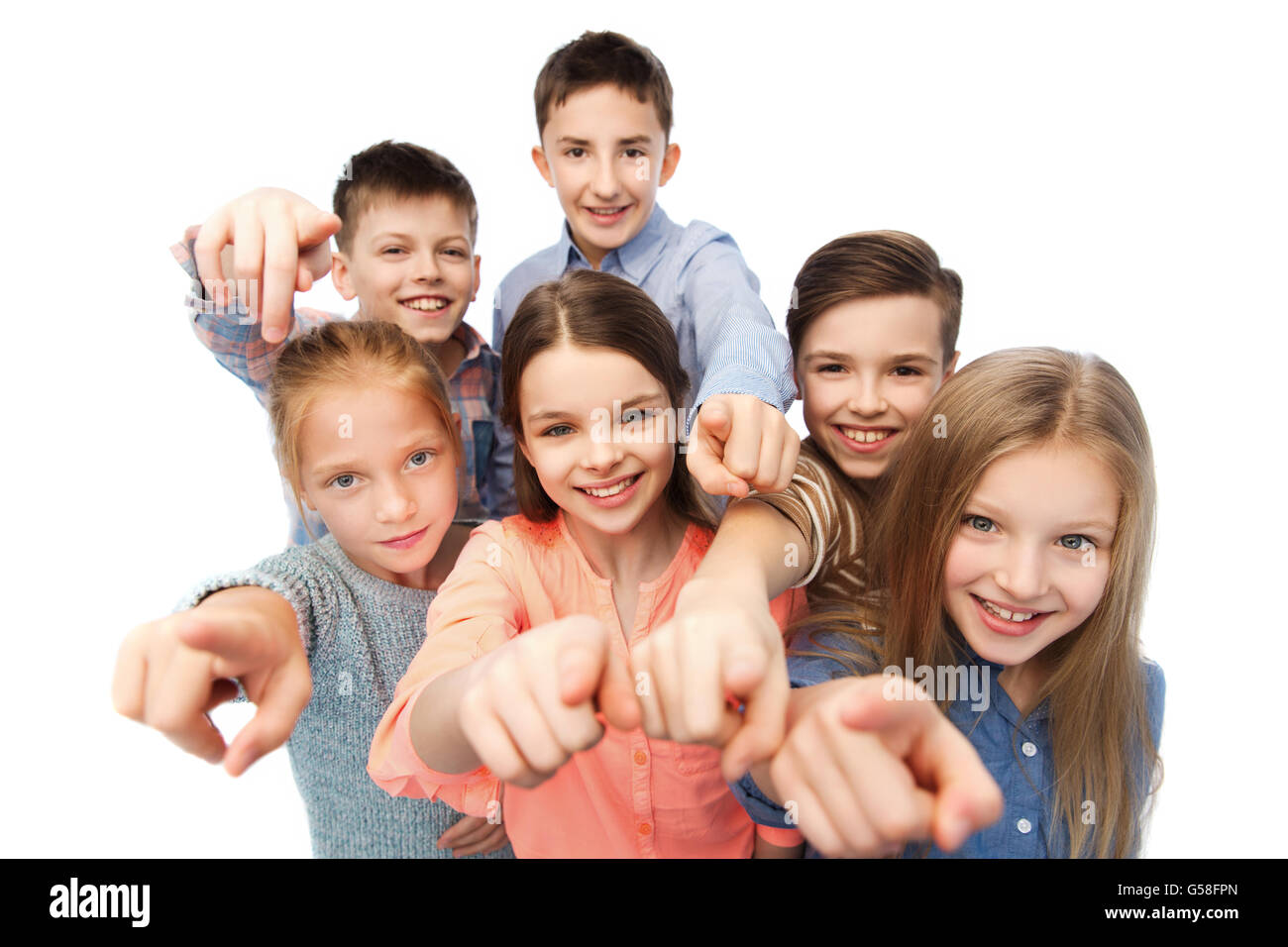
Pointing a finger at a child is an aggressive non-verbal cue that often triggers fear and shame rather than cooperation. It signals an imbalance of power, creates a defensive psychological state, and can damage the emotional safety required for healthy development and effective communication. By replacing this gesture with more supportive non-verbal cues, caregivers can foster a more collaborative and trusting relationship.
The act of pointing a finger—often referred to as the "accusatory finger"—is one of the most common yet overlooked forms of non-verbal aggression in parenting and education. While it may seem like a simple way to emphasize a point or direct a child’s attention, the neurological and psychological implications are profound. As we move through 2026, child development experts and pediatricians are increasingly emphasizing "relational health," a framework that highlights the importance of safe, stable, and nurturing adult-child interactions. Within this framework, the physical gestures used during discipline or instruction are just as critical as the words spoken.
Understanding why this specific gesture is detrimental requires looking at human evolution, brain chemistry, and the nuances of child psychology. When an adult points a finger at a child, they are not just "pointing out" a mistake; they are often inadvertently activating a survival mechanism in the child’s brain that prevents the very learning or behavioral change the adult desires.
The Power Dynamics of the Accusatory Gesture
The human index finger, when extended toward another person, has been historically and cross-culturally recognized as a gesture of dominance, accusation, and even threat. In the context of an adult-child relationship, this power dynamic is magnified by physical size. When a towering adult points downward at a small child, it is perceived by the child's nervous system as an "imminent threat" rather than a teaching moment.
From a developmental perspective, children are hardwired to look to their caregivers for cues regarding safety. When a caregiver uses their body—specifically their hands—to signal aggression, the child’s sense of "secure base" is temporarily compromised. This doesn't mean the child is in physical danger, but their brain interprets the gesture as a social and emotional threat. Over time, frequent use of this gesture can shift the parent-child dynamic from one of guidance to one of policing, where the child’s primary goal becomes avoiding the "scary finger" rather than understanding the values behind the rules.
Neurological Impact: The Amygdala Hijack
The most significant reason to avoid pointing fingers at children lies in the brain's reaction to perceived threats. When a child sees an accusatory finger pointed at them, the amygdala—the brain’s emotional processing center responsible for the "fight, flight, or freeze" response—is often activated.
When the amygdala is "hijacked," the following biological processes occur:
- Release of Stress Hormones: The body floods with cortisol and adrenaline.
- Prefrontal Cortex Shutdown: The prefrontal cortex, which is responsible for logic, reasoning, impulse control, and learning, becomes less active.
- Focus on Survival: The child’s brain focuses entirely on escaping the discomfort or threat, which means they are literally incapable of "learning their lesson" at that moment.
In 2026, neuro-educational research continues to demonstrate that a child who is afraid cannot learn. If your goal is to explain why a certain behavior was wrong, pointing a finger essentially closes the door to the child's "thinking brain," leaving only the "emotional brain" active. The child may comply in the short term out of fear, but they have not internalized the lesson; they have simply learned to fear the gesture.

The Psychological Consequences: Shame vs. Guilt
There is a vital distinction in child psychology between guilt and shame. Guilt is the feeling that "I did something bad" (which can be a healthy catalyst for change), while shame is the feeling that "I am bad."
Pointing a finger is inherently a "shaming" gesture. It singles out the individual rather than the action. When a child feels shamed, it erodes their self-esteem and creates a sense of worthlessness. Chronic exposure to shaming gestures can lead to:
- Internalized Critic: The child develops a harsh internal voice that mimics the accusatory adult.
- Reduced Resilience: Shamed children are often less likely to try new things for fear of making mistakes and being targeted.
- Anxiety Disorders: The constant state of "alert" triggered by aggressive non-verbal cues can contribute to long-term anxiety.
By avoiding the pointed finger, caregivers help maintain the child's dignity, allowing the focus to remain on the behavior that needs correction rather than the child's character.
Communication Barriers and Defensive Lying
One of the most practical reasons to avoid pointing fingers is that it shuts down communication. Effective discipline requires a two-way street where the child feels safe enough to be honest. When a finger is pointed, a child’s natural defense mechanism is to deflect.
This often leads to defensive lying. If a child perceives that the "accusatory finger" is coming, they may lie about their actions to avoid the psychological distress associated with the gesture. In this scenario, the adult’s attempt to get to the truth is thwarted by their own aggressive body language.
Furthermore, pointing inhibits "reflective functioning"—the ability to think about one’s own mind and the minds of others. If the child is focused on the adult's finger and angry face, they aren't thinking about how their own actions might have affected a sibling or a friend. They are only thinking about the immediate pressure they are under.
Cultural and Social Perspectives
The significance of pointing varies across cultures, but in many societies, pointing at a person is considered deeply disrespectful or even a bad omen. In many Asian, African, and Indigenous cultures, pointing with the index finger is reserved for objects or even animals, and using it on a human—especially a child—is seen as a breach of basic etiquette and a sign of poor self-control on the part of the adult.
In the globalized world of 2026, fostering "cultural intelligence" in children includes teaching them respectful non-verbal communication. If children see their parents using aggressive gestures, they will likely model that behavior in their own social circles. A child who is pointed at is much more likely to point at their peers, potentially leading to social conflict and being labeled as aggressive or "bossy" by teachers and friends.
Alternatives to Pointing: Positive Body Language
Changing a physical habit requires conscious effort. If you find yourself reflexively pointing during a moment of frustration, consider these alternatives that promote "co-regulation" (the process by which an adult helps a child regulate their emotions).
1. The Open-Palm Gesture
Instead of pointing, use an open palm. In non-verbal communication studies, an open palm (facing upward or toward the child) signals peace, honesty, and a lack of weapons. It invites the child into a conversation rather than pushing them away.
2. Get Down to Eye Level
Physical height is a form of power. By crouching or sitting so that you are at the child’s eye level, you reduce the perceived threat. This position signals that you are "with" them rather than "against" them.
3. Use Your Words (and Your Proximity)
Instead of pointing at the mess on the floor, walk over to it. Pointing from across the room creates a "shouty" atmosphere. Walking to the child and gently placing a hand on their shoulder (if they are comfortable with touch) provides the sensory input they need to stay grounded and listen.
4. The "Pause" Technique
If you feel the urge to point, it is often a sign that your own nervous system is dysregulated. Take a breath, put your hands in your pockets or behind your back, and wait five seconds before speaking. This prevents the impulsive, aggressive gesture from surfacing.
Comparing Non-Verbal Cues and Their Impact
The following table summarizes common non-verbal gestures used with children and their typical psychological outcomes based on current 2026 developmental guidelines.
| Gesture | Immediate Child Response | Long-Term Impact | Recommended Use |
|---|---|---|---|
| Pointed Index Finger | Fear, defensiveness, "shutting down" | Lowered self-esteem, modeling of aggression | Avoid entirely when addressing behavior. |
| Open Palms | Feeling of safety, willingness to listen | Higher trust, better conflict resolution skills | Use during explanations and calm discussions. |
| Eye Level Contact | Connection, reduced intimidation | Enhanced "Secure Attachment" | Use for both discipline and praise. |
| Hands on Hips | Perception of "The Boss," mild anxiety | Can create a "power struggle" dynamic | Use sparingly; can be perceived as overly dominant. |
| Gentle Touch (Shoulder/Arm) | Grounding, sensory regulation | Increased emotional intelligence | Use if the child is not in a "fight" state and welcomes touch. |
Modeling the Behavior You Want to See
Children are the world's greatest mimics. If you point fingers at them when you are angry, they will point fingers at their toys, their pets, and eventually their peers. By 2026, the concept of "Social-Emotional Learning" (SEL) has become a cornerstone of both home and school environments. A major part of SEL is "self-management"—the ability to regulate one's own emotions and behaviors.
When you consciously choose not to point your finger, even when you are frustrated, you are providing a powerful "live demonstration" of self-regulation. You are teaching the child that even when we are upset, we treat others with respect. This lesson is far more impactful than any lecture on "being nice."
Common Pitfalls: "But I'm just pointing at the task!"
A common counter-argument is: "I'm not pointing at the child, I'm pointing at the shoes they didn't pick up." While this may be the adult's intention, children often lack the nuance to distinguish between the two, especially if the adult's tone of voice is sharp.
If you must point to an object, try to do it while standing next to the child, looking at the object together. This is called "joint attention." When you stand across from the child and point "at" them and the task simultaneously, it still feels like an accusation. By standing beside them, you become a partner in solving the problem (the mess) rather than an adversary.
Frequently Asked Questions
Is it ever okay to point at a child?
Pointing to a child in a positive context—such as "It’s your turn to pick the movie!" with a smile and a soft hand—is generally fine. The problem arises when the gesture is used in a corrective, angry, or disciplinary context. In those moments, the gesture is interpreted as a threat.
How do I break the habit of pointing when I’m angry?
Habits are "muscle memory." To break it, you need a physical replacement. Many parents find success in literally "sitting on their hands" or clasping their hands together in front of them when they feel the urge to point. This physical constraint gives the brain time to catch up with the emotion.
Does the age of the child matter?
While the impact is most significant in toddlers and young children (who rely more on non-verbal cues), teenagers also react negatively to being pointed at. In adolescence, the gesture is often perceived as a challenge to their growing autonomy, which can lead to unnecessary escalation and "backtalk."
What if my child points at me?
If your child points at you, it is a sign that they are either modeling your behavior or are feeling extremely dysregulated and powerless. Instead of reacting with more aggression, name the behavior: "I see you're pointing at me. That tells me you're really angry. Let's take a breath so we can talk without the 'scary fingers'."
Can pointing cause long-term trauma?
A single pointed finger will not cause trauma. However, a "chronic environment" of aggressive non-verbal cues, including pointing, glaring, and looming, contributes to "toxic stress." It is the pattern of behavior, rather than a single instance, that shapes a child’s brain development.
Practical Recommendation
To improve your communication and strengthen your bond with your child, commit to a "No-Point Week." For seven days, consciously replace any urge to point your finger with an open-palm gesture or by getting down to eye level. Observe the changes in your child’s reaction—you will likely notice less defensiveness, fewer meltdowns, and a child who is more willing to listen to what you have to say. Remember, the goal of discipline is to teach, and a brain in a state of fear is a brain that cannot learn.
Image Gallery
Select an image to open it in a new tab.
Declan O'Connor
Higher Education and Campus Culture Reporter
