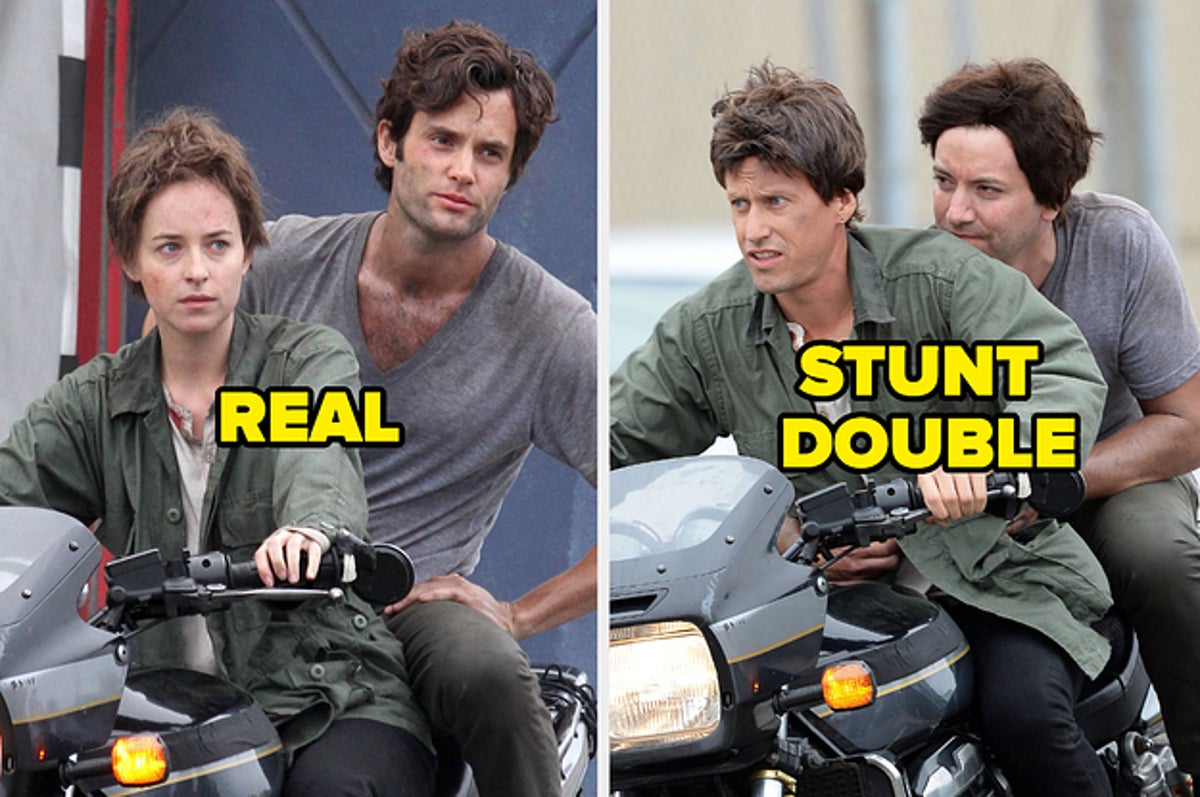
In 2026, the average professional stunt double in Hollywood earns a base daily rate of approximately $1,203 under the current SAG-AFTRA TV/Theatrical contract. However, total earnings often exceed this through "stunt adjustments"—hazard pay negotiated for specific risks—and residuals. Top-tier performers and stunt coordinators can earn over $250,000 annually, while entry-level performers may earn significantly less.
The profession of a stunt double is one of the most physically demanding and high-stakes roles in the entertainment industry. While the glamour of Hollywood often focuses on the leading actors, the performers who take the punches, fall from buildings, and drive cars through explosions operate under a complex, highly regulated payment structure. To understand how much a stunt double makes, one must look beyond the base daily rate and examine the nuances of union contracts, hazard adjustments, and the feast-or-famine nature of the freelance film economy.
The Foundation: SAG-AFTRA Minimums and the 2026 Pay Scale
In Hollywood, the vast majority of professional stunt work is governed by the Screen Actors Guild-American Federation of Television and Radio Artists (SAG-AFTRA). The union sets the "scale," which is the minimum amount a production must pay a performer. As of the 2025-2026 contract cycle, these rates have seen incremental increases to keep pace with inflation and the evolving landscape of streaming media.
Daily and Weekly Rates
For most stunt doubles, the daily rate is the standard unit of measurement. This rate covers a standard eight-hour day, though in practice, film sets often run 12 to 14 hours, leading to significant overtime pay.
- Daily Rate (Scale): For 2026, the minimum daily rate for a stunt performer is roughly $1,203.
- Weekly Rate (Scale): For "Weekly Performers" (those guaranteed a full week of work), the rate is approximately $4,174.
It is important to note that these are minimums. Established stunt doubles with specialized skills—such as precision driving, high-level martial arts, or professional-grade equestrian abilities—often negotiate rates "over scale." A sought-after double for a major action star may command a daily rate of $2,000 or more before any hazard adjustments are applied.
The Impact of Production Type
The pay can fluctuate depending on whether the project is a major theatrical motion picture, a high-budget streaming series (SVoD), or a lower-budget television production. Under the 2026 guidelines, "High Budget" streaming productions (those appearing on platforms like Netflix, Disney+, or Amazon Prime) generally align with theatrical rates. However, "New Media" projects with smaller budgets may operate under different tiers, sometimes resulting in lower base pay for performers just starting their careers.
Stunt Adjustments: The "Hazard Pay" Variable
The base rate is rarely the final number on a stunt double's paycheck. The unique financial driver in this profession is the stunt adjustment. An adjustment is an additional fee negotiated between the stunt performer, the stunt coordinator, and the production's line producer for performing a specific, inherently dangerous feat.
How Adjustments Are Calculated
Adjustments are not standardized in a handbook; they are negotiated on the day of the shoot or in pre-production based on the perceived risk, the number of takes required, and the physical toll on the performer.
- High Falls: A fall from 20 feet might fetch an adjustment of $500, while a "record-breaking" fall from 100 feet into an airbag or boxes could command $5,000 to $10,000.
- Fire Gags: Being set on fire (a "full body burn") is one of the most dangerous stunts. A single burn can result in an adjustment ranging from $2,000 to $6,000 per take.
- Vehicular Stunts: Precision driving that involves near-misses, "cannon rolls" (flipping a car), or high-speed chases earns adjustments based on the complexity and the potential for vehicle-to-vehicle contact.
- Water Work: Working in tanks, open oceans, or high-pressure underwater environments typically triggers a daily adjustment for the discomfort and increased safety requirements.
The Role of the Stunt Coordinator
The Stunt Coordinator is the liaison between the performer and the production's checkbook. A coordinator’s job is to ensure safety, but they also advocate for their team’s compensation. In 2026, the rapport between a double and their coordinator remains the primary factor in how much "bump" a performer receives for a dangerous day on set.
Residuals: Long-Term Passive Income
One of the most significant advantages of being a unionized stunt double in Hollywood is the right to residuals. Residuals are payments made to performers when a film or television show is rebroadcast, sold into syndication, or released on home media and streaming platforms.
For a stunt double, residuals can provide a financial safety net during "dry spells" when they are not actively filming.
- Theatrical Residuals: When a movie moves from theaters to streaming services or international television, the performers receive a percentage of the licensing fee.
- Streaming Residuals: In 2026, the formula for streaming residuals (specifically for "Success-Based" metrics established in recent union negotiations) has become more transparent. If a project performs exceptionally well on a platform, the stunt performers involved may receive a "success bonus" in addition to standard residual payments.
It is common for a stunt double who worked on a blockbuster franchise (such as the Marvel Cinematic Universe or the John Wick series) to receive residual checks for a decade or more after the initial production.
Stunt Coordinators vs. Stunt Doubles
As a performer’s career progresses, they may move into the role of a Stunt Coordinator. This is a leadership position that involves designing the action, hiring the team, and managing the budget for all physical action on a project.
| Role | Estimated Annual Earnings (2026) | Primary Income Source |
|---|---|---|
| Entry-Level Stunt Performer | $15,000 - $45,000 | Daily Scale + Overtime |
| Mid-Career Stunt Double | $70,000 - $130,000 | Scale + Regular Adjustments + Residuals |
| Elite "A-List" Stunt Double | $150,000 - $250,000+ | Over-Scale Rates + High Hazard Adjustments |
| Stunt Coordinator | $200,000 - $500,000+ | Flat Weekly Fees + Production Bonuses |
Stunt Coordinators earn significantly more because they are involved in the project from the earliest stages of pre-production through the end of principal photography. They are often paid a flat weekly fee that is substantially higher than the performer's scale, reflecting their responsibility for the lives and safety of the entire crew.
The Hidden Costs: Why the Gross Income is Deceiving
While a six-figure salary for a top stunt double sounds lucrative, the "net" income is often much lower due to the specialized expenses required to maintain a career in Hollywood.
Insurance and Medical Costs
Despite the union’s health plan (which requires a minimum annual earning threshold to qualify), stunt doubles often carry additional private disability insurance. Given the high probability of injury, a broken leg can mean six months without a paycheck. Many performers also pay out-of-pocket for high-end physical therapy, chiropractic care, and sports medicine to keep their bodies "camera-ready."
Equipment and Training
Stunt doubles are expected to arrive on set with their own "stunt bag." This includes specialized pads (elbow, knee, back, and hip), fire-retardant undergarments (Nomex), and safety harnesses (jerkin). Furthermore, staying competitive requires constant training. Performers spend thousands of dollars annually on:
- Gym memberships and specialized athletic coaching.
- Martial arts dojo fees.
- Precision driving schools.
- Weaponry and tactical training.
- Scuba certification and renewal.
Representation Fees
Like actors, stunt doubles typically have agents or managers who help them secure work. These representatives generally take 10% to 15% of the performer’s gross earnings. After union dues (SAG-AFTRA) and taxes, a performer’s take-home pay might only be 50% to 60% of the gross amount listed on their pay stub.
The Reality of the "Gig Economy"
The most challenging aspect of stunt double pay is inconsistency. Very few stunt doubles are under "exclusive" contracts with a studio. Most are freelancers who may work intensely for three months on a feature film and then go four months without a single day of work.
In 2026, the "middle class" of Hollywood stunt performers often supplements their income with other roles in the industry, such as acting in small parts, working as "ND" (non-descript) background stunts, or teaching at stunt clinics. The ability to manage a fluctuating cash flow is as essential to a stunt performer's success as their ability to perform a backflip.
Geographic Differences: Hollywood vs. Other Hubs
While the primary question focuses on "Hollywood," it is important to note that many "Hollywood" productions are actually filmed in tax-incentive hubs like Atlanta, Georgia; London, UK; or Vancouver, Canada.
- Atlanta: Often follows SAG-AFTRA rates but may have a different pool of "local hire" performers who don't receive the travel and housing per diems that L.A.-based performers do.
- International: If a stunt double is flown from Los Angeles to an international location, they receive "portal-to-portal" pay, per diems for food (roughly $70-$100 per day), and provided housing. These "away" gigs are often the most profitable for stunt doubles because their living expenses are entirely covered by the production.
FAQ
Do stunt doubles get paid more if they get injured?Not directly. There is no "bonus" for getting hurt. In fact, an injury is a financial disaster because it prevents future work. However, if a performer is injured on set, they are covered by Workers' Compensation, and the union's insurance helps cover medical bills and a portion of lost wages.
How do you become a stunt double in 2026?Entering the industry requires a "Stunt Hustle." You must build a diverse skill set (fighting, falling, driving), create a professional "stunt reel" (a video compilation of your skills), and network with Stunt Coordinators. Joining SAG-AFTRA is a prerequisite for working on major Hollywood sets.
Do stunt doubles get credit in the movies?Yes. Credit is a negotiated part of the contract. While background stunt performers might not always appear in the credits, the primary stunt double for a main actor is almost always listed in the end credits. This credit is vital for building a reputation and securing future work.
Are there different rates for "ND" stunts and stunt doubles?Base daily rates are usually the same for "Non-Descript" (ND) stunts (performers who are just in the background of a fight) and specific stunt doubles. However, the stunt double usually spends more days on set and has more opportunities to negotiate "adjustments" for specific scenes involving the lead actor.
What is the "Success Bonus" in 2026?Following the labor movements of the mid-2020s, many streaming platforms now pay a "Success Bonus" to the entire cast and stunt crew if a movie or series reaches a certain viewership threshold within its first 90 days. This has added a new layer of potential income for stunt performers on "hit" shows.
Expert Recommendation
If you are considering a career as a stunt double or are researching the industry’s financial health, focus on specialization. In 2026, the most financially successful stunt performers are those who offer a "niche" skill that is difficult to replicate, such as high-end cinematic drone piloting combined with physical stunts or expertise in specific cultural martial arts.
For those on the hiring side, ensure that your budget accounts not just for the daily scale but for a 20-30% buffer to cover stunt adjustments. Safety is inextricably linked to fair pay; when performers are compensated well for the risks they take, the overall quality and safety of the production increase.
Image Gallery
Select an image to open it in a new tab.
Vivian Cho
Executive IT and Emerging Technologies Reporter
