How a Microwave Sensor Works: The Physics and Engineering Behind Motion Detection
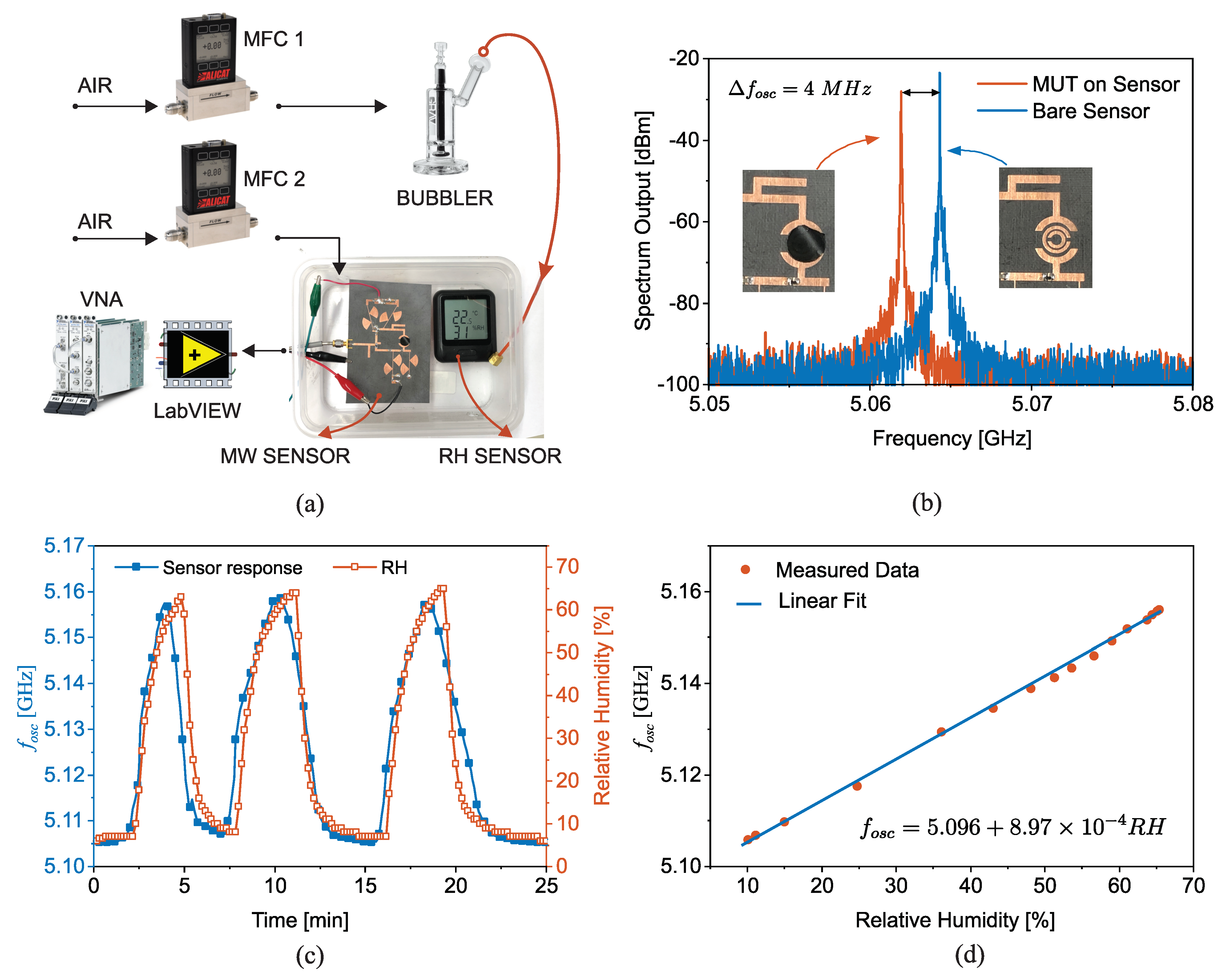
Microwave sensors operate by continuously emitting high-frequency electromagnetic waves—typically in the GHz range—and measuring reflections off surrounding surfaces to detect movement, distance, and velocity through the Doppler effect. These devices, frequently called radar detectors in security and automation contexts, offer deep spatial penetration and resilience against environmental obstructions compared to traditional infrared alternatives.
The Core Principles of Microwave Motion Detection
To understand how a microwave sensor works, one must first look at the fundamental physics of electromagnetic radiation and wave propagation. Unlike passive infrared (PIR) sensors that wait passively for thermal changes in an environment, microwave sensors are active systems. They constantly generate and transmit a signal, analyzing what returns to them.
Electromagnetic Wave Emission and Reception
At the heart of every microwave sensor lies a transceiver module. This component consists of an oscillator, which generates the high-frequency radio waves, and an antenna, which beams those waves into the monitored space.
Standard commercial motion-sensing devices typically operate within the Industrial, Scientific, and Medical (ISM) radio bands. The most common frequency allocation for these sensors is 5.8 GHz, though variants exist at 2.4 GHz, 10.525 GHz, and 24 GHz. When the transmitted radio waves encounter objects within their field of view—such as walls, furniture, or human bodies—a portion of the wave energy is absorbed or scattered, while a significant portion bounces back toward the sensor.
- Oscillator / Transmitter
- Emits Microwave Signal (e.g., 5.8 GHz)
- Target / Moving Object
- Receiver / Mixer
- Analyzes Frequency Shift & Phase Change
- Receives Reflected Wave
The sensor's internal receiver captures these returning echoes. If the environment is completely static, the frequency of the reflected wave matches the frequency of the emitted wave precisely. The sensor registers a steady state and takes no action.
The Doppler Effect in Motion Sensing
The defining characteristic of microwave motion sensors is their reliance on the Doppler effect. When a wave reflects off a moving object, the frequency of that reflected wave shifts.
- Approaching Objects: If an object moves toward the sensor, the successive wave crests are compressed closer together, resulting in a higher frequency (a positive frequency shift).
- Receding Objects: If an object moves away from the sensor, the wave crests are stretched apart, resulting in a lower frequency (a negative frequency shift).
The sensor's internal mixer compares the frequency of the transmitted signal with the frequency of the received echo. When it detects a difference—known as the Doppler frequency—it generates an electrical signal that triggers the connected system, whether that is an automatic door opener, a security alarm, or an overhead lighting circuit.
Internal Components of A Microwave Sensor Module
A standard microwave sensor is an intricate assembly of solid-state electronics designed to generate, process, and interpret high-frequency signals with minimal interference.
Microwave Sensor Architecture:
- Dielectric Resonator Oscillator (DRO) / PLL
- Patch Antenna Array (Transmission & Reception)
- Schottky Diode Mixer (Signal Comparison)
- Low-Noise Amplifier (LNA)
- Microcontroller / Signal Processing Unit (MCU)
1. The Oscillator
The oscillator is responsible for producing the high-frequency carrier wave. Older analog sensors utilized Dielectric Resonator Oscillators (DROs), while modern, high-precision sensors employ Phase-Locked Loops (PLL) coupled with crystal oscillators to maintain strict frequency stability and prevent interference with nearby wireless infrastructure.
2. The Antenna
Antennas in these modules are frequently implemented as printed circuit board (PCB) patch arrays. These flat, planar antennas dictate the radiation pattern of the sensor. By configuring the patch layout, manufacturers can shape the beam into narrow directional cones or wide, omnidirectional fields.
3. The Mixer and Amplifier
Once the echo returns to the antenna, it passes into a mixer (often built using Schottky diodes). The mixer combines the original transmitted signal with the received echo to isolate the Doppler beat frequency. Because this beat frequency is typically very weak, a Low-Noise Amplifier (LNA) boosts the signal before it reaches the microcontroller.
4. The Microcontroller (MCU)
The MCU processes the amplified signal using digital signal processing (DSP) algorithms. The software filters out environmental noise, such as the hum of fluorescent lights, structural vibrations, or the rustling of small plants, ensuring that only genuine human or vehicular movement triggers the output.
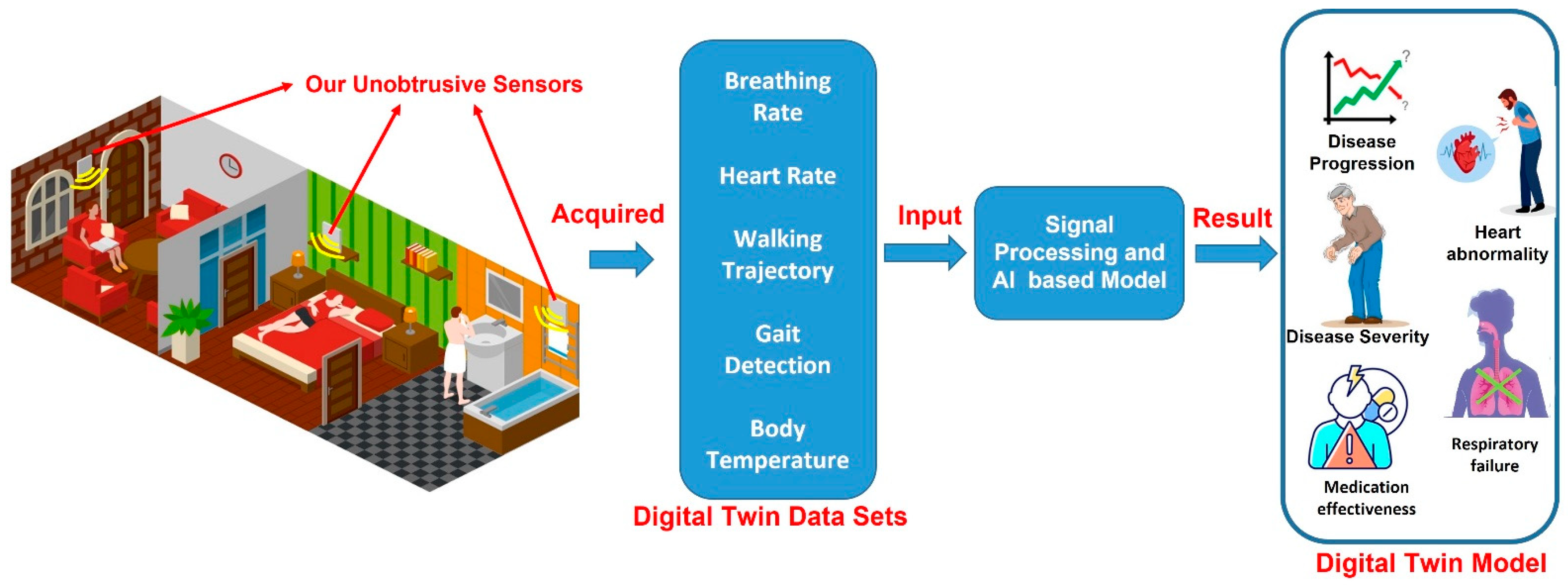
Microwave Sensors vs. Alternative Motion Detection Technologies
Engineers must choose between several technologies when designing security systems, automated lighting, and touchless switches. Comparing microwave sensors to Passive Infrared (PIR) and ultrasonic sensors highlights their distinct trade-offs.
| Feature / Metric | Microwave (Radar) Sensors | Passive Infrared (PIR) Sensors | Ultrasonic Sensors |
|---|---|---|---|
| Operating Principle | Active emission of RF waves | Passive detection of ambient heat | Active emission of high-frequency sound |
| Detection Trigger | Frequency shift (Doppler) / Reflection | Temperature differential (body vs. background) | Echo time-of-flight / Doppler sound shift |
| Material Penetration | High (penetrates glass, wood, thin walls) | None (requires direct line of sight) | Low (bounces off hard solid surfaces) |
| Temperature Sensitivity | Low (performs well in hot environments) | High (reduced efficiency in high ambient heat) | Moderate (affected by severe air density shifts) |
| Power Consumption | Moderate to High (requires continuous emission) | Very Low (only powers signal processing on trigger) | Moderate |
| False Trigger Risk | High (can detect through walls or water pipes) | Low to Moderate (triggered by sun rays, pets) | High (triggered by drafts, HVAC, ambient noise) |
Key Operating Characteristics and Environmental Considerations
While microwave sensors provide exceptional versatility, their unique mode of operation introduces specific behavioral quirks that installers and users must navigate.
Penetrative Capabilities and Zone Leakage
Because microwaves easily pass through non-metallic materials such as drywall, glass, wood, and fiberglass, a sensor installed inside a room can often detect motion happening in an adjacent hallway or even outside the building. This phenomenon, known as zone leakage, can lead to frustrating false alarms if not properly managed.
To mitigate this, modern sensors feature adjustable sensitivity dials or digital potentiometer settings that allow installers to restrict the transmission power, thereby shrinking the detection boundary to fit the target room precisely.
Sensitivity to Non-Human Movement
Microwave sensors do not distinguish between a human intruder, a pet, a swaying curtain, or rushing water inside a PVC pipe. If water flows through a plastic plumbing stack behind a wall within the sensor's range, the physical vibrations and movement can reflect the radio waves and trigger a false positive. Proper placement away from HVAC ducts, plumbing lines, and vibrating machinery is vital for reliable operation.
Common Applications Across Industries
The unique ability of microwaves to operate reliably across extreme temperatures and penetrate non-metallic enclosures makes them indispensable across multiple sectors.
- Automated Lighting Controls: Commercial office buildings and residential stairwells use microwave sensors embedded inside light fixtures. Unlike PIR sensors that require someone to walk directly across their field of view, microwave sensors detect subtle movements—such as typing at a desk or sitting quietly—keeping the lights active.
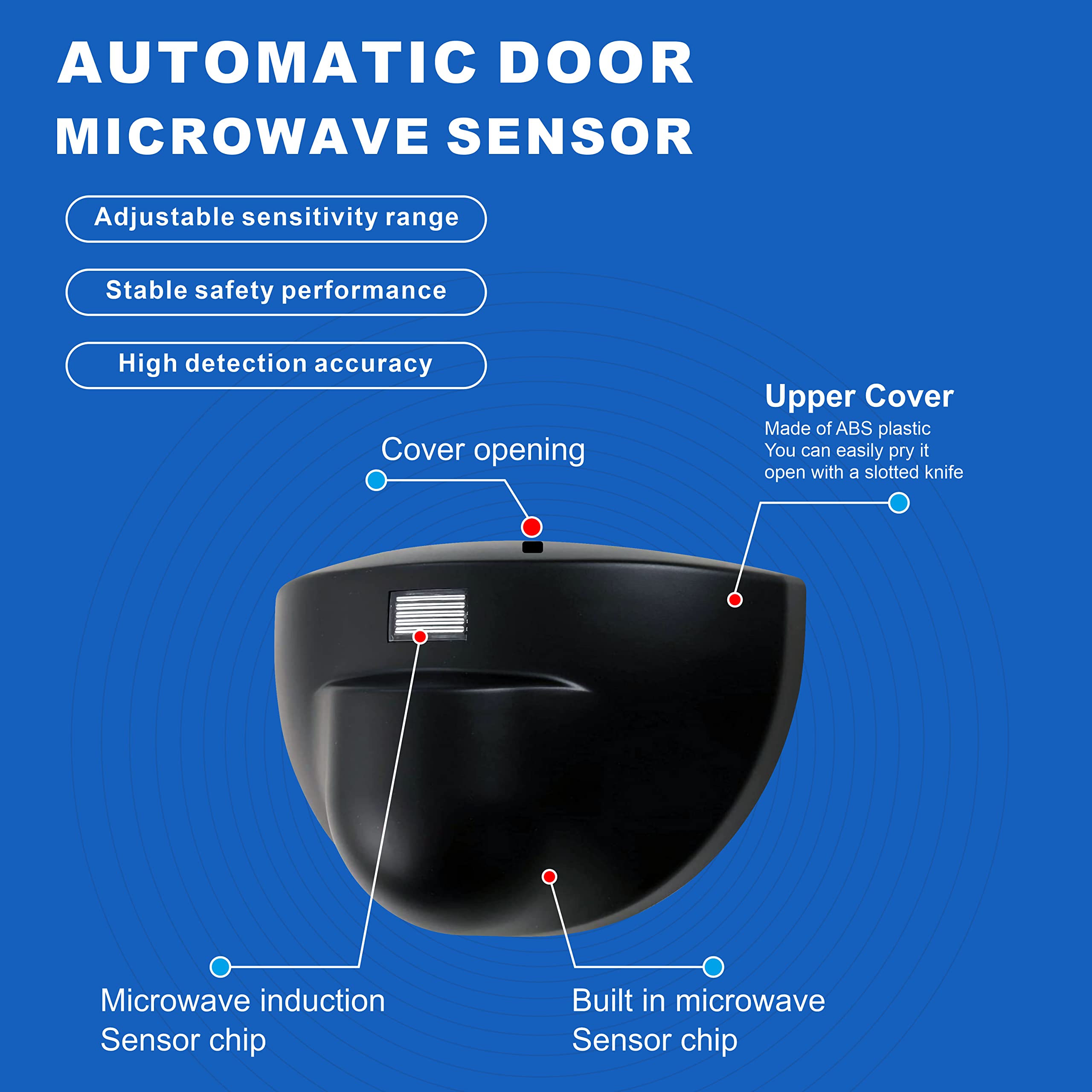
- Automatic Doors: Supermarkets, hospitals, and industrial warehouses rely on microwave motion detectors above entryways to sense approaching pedestrians or forklifts from a distance, opening doors smoothly before the user arrives.
- Security and Intrusion Detection: Outdoor perimeter security systems use microwave barriers to create invisible electronic tripwires across yards or industrial complexes, unaffected by rain, snow, or fog.
- Touchless Sanitary Valves: Public restrooms incorporate short-range microwave sensors in faucets and flush mechanisms, allowing users to activate water flow simply by waving a hand near the sensor face.
Troubleshooting Common Microwave Sensor Issues
When a microwave sensor fails to perform as expected, diagnosis typically follows a structured troubleshooting methodology.
1. Chronic False Triggering
- Symptom: The sensor activates continuously without apparent human presence in the room.
- Root Cause: The detection range is set too high, allowing the signal to penetrate exterior walls and detect moving traffic or trees outside. Alternatively, vibrations from nearby HVAC equipment are moving structural components.
- Solution: Lower the sensitivity potentiometer or adjust the digital range setting. Isolate the sensor from mechanical vibrations using rubber dampeners if mounted directly to vibrating structures.
2. Failure to Detect Movement
- Symptom: The connected load (lights or alarms) does not turn on when a person enters the space.
- Root Cause: Obstruction by dense metallic objects that block radio waves, or sensitivity set too low.
- Solution: Relocate the sensor away from large metal enclosures, ductwork, or steel reinforcement beams. Verify that the operating voltage matches manufacturer specifications.
Frequently Asked Questions
Do microwave sensors work through walls?
Yes. Because microwave sensors transmit high-frequency radio waves, they can easily penetrate non-metallic barriers such as drywall, wood, glass, and plaster. While this is advantageous for concealed installations behind drop ceilings or inside light fixtures, it can cause false triggers if the sensor detects motion in adjacent rooms or hallways.
Are microwave sensors safe for human health?
Yes, they are completely safe. Microwave motion sensors operate at extremely low power levels—typically measured in milliwatts, which is a fraction of the output emitted by a standard Wi-Fi router or cellular phone. The non-ionizing radiation they produce does not possess sufficient energy to alter cellular structures or damage DNA.
Can microwave sensors detect pets?
Yes, they can. Because microwave sensors detect physical motion and Doppler shifts rather than body heat, they will trigger if a pet moves within their detection zone. Unlike advanced PIR sensors that feature pet-immunity weight thresholds, standard microwave sensors cannot easily differentiate between a human and a medium-to-large pet.
How do microwave sensors compare to PIR sensors for lighting?
Microwave sensors are generally more sensitive and can detect minor movements (such as subtle hand gestures or typing) through glass or thin partitions, making them ideal for offices and indoor spaces. PIR sensors rely on temperature changes and line-of-sight, making them less prone to triggering through walls but more susceptible to missing stationary occupants.
Why is my microwave sensor light turning on by itself?
This is usually caused by the sensor's range being set too high, capturing movement outside the intended room (such as cars passing a window or people in a hallway). Another common cause is HVAC airflow vibrating lightweight fixtures or plastic water pipes running behind the walls within the sensor's detection field.
Conclusion and Next Action
Understanding how a microwave sensor works reveals a sophisticated balance of high-frequency radio physics and signal processing. When designing a security setup or automated lighting network, evaluate your environment's specific challenges—such as ambient heat or the need for concealment—before selecting between microwave, PIR, or dual-technology sensors. To optimize your installation, map out your coverage zone carefully, account for potential signal penetration through interior walls, and test sensitivity settings incrementally to eliminate false triggers.
Image Gallery
Select an image to open it in a new tab.
Ingrid Bjornson
Global Cyber Policy and Regulation Analyst
