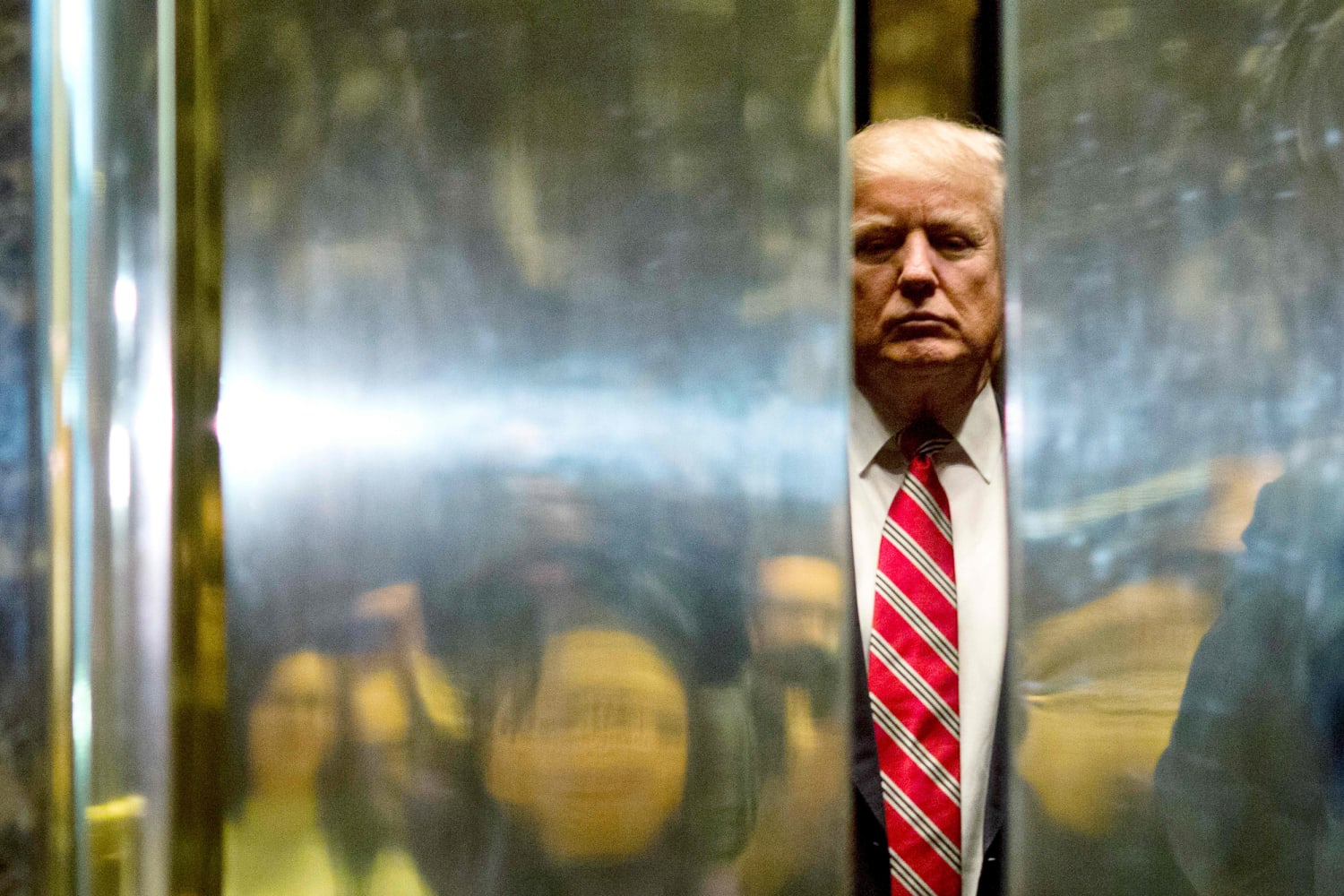
Surviving 41 hours trapped in an elevator—as Nicholas White famously did in a Manhattan skyscraper in October 1999—is often described as a miraculous story of survival. However, framing this ordeal as a miracle misrepresents basic physics, human physiology, and building safety standards. His physical survival was guaranteed by established engineering fail-safes and baseline human biological endurance, while the incident itself was the result of severe human error and systemic negligence.
The Real Story: Nicholas White’s 41-Hour Entrapment
On Friday evening, October 15, 1999, Nicholas White, a production manager working late at the McGraw-Hill Building (1221 Avenue of the Americas) in New York City, took a brief cigarette break. Returning to his office around 11:00 PM, he entered Car 29, a high-speed express elevator. During his ascent, a brief power dip caused the safety circuit to trip, arresting the elevator cab between floors.
White remained trapped inside the cab—measuring approximately 6 feet by 5.5 feet—until Sunday afternoon, October 17, when security personnel finally noticed him on a closed-circuit television (CCTV) monitor. For roughly 41 hours, he had no food, no access to water, no working communication line, and no clear indication of whether anyone was searching for him.
The security footage capturing his ordeal was later published by The New Yorker in 2008 as part of a widely viewed time-lapse video. Viewers watched White pace back and forth, lie on the carpeted floor, attempt to open the hoistway doors, pry open the ceiling panel, and signal into the darkness of the elevator shaft.
While popular media frequently sensationalized his story as a harrowing test of survival bordering on the miraculous, analyzing the event through engineering, biological, and organizational lenses reveals a starkly different reality: survival in a stationary elevator cab for less than two days is predictable, while the entrapment itself was entirely preventable.
Engineering Reality: Built-in Safety Over Divine Intervention
The perception that an elevator cab is a ticking death trap rests on common cinematic myths rather than elevator engineering. Elevators are among the safest forms of mechanical transportation ever devised, constructed around redundant layers of passive safety systems that function without requiring power or human intervention.
- Elevator Cab Enclosure
- Passive ventilation slots along platform perimeter & ceiling
- Fire-rated, drop-forged steel hoistway doors
- Redundant Suspension & Braking
- Multiple steel hoist ropes (each capable of supporting full load)
- Mechanical governor trips wedge safeties directly onto guide rails
- Electromagnetic brakes default to LOCKED position on power loss
Ample Oxygen and Ventilation Standards
A frequent concern in elevator entrapments is suffocation. Many people believe an elevator cab is an airtight box that will gradually run out of oxygen. In reality, elevator cabs are strictly mandated by safety codes—such as ASME A17.1 (Safety Code for Elevators and Escalators)—to feature passive and active ventilation.
- Passive Vents: Openings are manufactured into the top and bottom perimeter of the cab walls.
- Hoistway Airflow: The elevator shaft (hoistway) functions as a giant vertical chimney with natural convective airflow.
- Air Exchange: Oxygen continuously circulates into the cab, making asphyxiation impossible unless the entire building experiences catastrophic environmental contamination or fire.
White never ran out of air because the cab was designed to prevent air isolation under any circumstances.
Fall Prevention and Fail-Safe Brakes
Another myth suggests that a stalled elevator runs an immediate risk of plunging to the basement. Modern traction elevators rely on counterweights and automatic mechanical safety brakes developed over a century ago by Elisha Otis.
- Electromagnetic Holding Brakes: These brakes are held open by electrical current. If electrical power cuts out or fluctuates—as occurred during White's incident—the brakes automatically drop and lock the drive sheaf into place.
- Mechanical Governors: If a cab exceeds a predefined speed threshold moving downward, a centrifugal governor mechanical latch fires, driving steel wedges into the elevator guide rails mounted inside the shaft. This mechanically clamps the cab to the building frame without requiring electrical power.
- Multiple Steel Cables: Elevators are suspended by multiple independent steel hoist ropes. A single rope is typically strong enough to hold a fully loaded cab; standard installations use four to eight ropes simultaneously.
White’s cab was never in danger of falling. The mechanical system performed exactly as designed when the voltage dip occurred: it stopped the elevator and safely locked it in place.
Human Physiology: Biological Limits and Survival Timelines
Describing 41 hours without food or water as a physiological "miracle" ignores established biological science. While uncomfortable and physically taxing, the human body is well-equipped to manage short-term fluid and calorie deprivation without sustaining permanent organ damage.
The Biological "Rule of Threes"
Emergency medicine and Wilderness First Aid rely on a general guideline known as the Rule of Threes:
- 3 minutes without air (oxygen deprivation)
- 3 days without water (dehydration limits)
- 3 weeks without food (caloric depletion)
At 41 hours, White was trapped for under 1.75 days—well below the threshold where severe dehydration becomes fatal for a healthy adult in a climate-controlled environment.
- 0 Hours: Entrapment Begins
- 24 Hours: Mild Dry Mouth/Thirst
- 41 Hours: Moderate Dehydration (Nicholas White Rescued)
- 72 Hours: Critical Dehydration (Threshold for Kidney Failure)
Factors Mitigating Severe Dehydration
Several environmental and physiological factors worked in White's favor during his 41 hours inside the hoistway:
- Ambient Temperature: The temperature inside the McGraw-Hill Building remained regulated throughout the weekend. Because White was not exposed to direct heat or freezing cold, his body did not lose excessive water through sweating (thermoregulation) or shivering.
- Physical Inactivity: Aside from periodic pacing and attempts to signal for help, White spent a significant portion of his time resting on the floor. Low exertion significantly reduced his metabolic rate and respiratory moisture loss.
- Renal Conservation: In response to fluid restriction, the pituitary gland releases antidiuretic hormone (ADH), prompting the kidneys to concentrate urine and conserve total body water.
From a medical standpoint, White suffered from moderate dehydration, headache, fatigue, and muscle stiffness—symptoms that require oral or intravenous rehydration, but do not represent a medical anomaly or miraculous survival.
Systemic Negligence: Erasing Corporate and Operational Failure
The primary danger of labeling White's ordeal a "miracle" is that it transforms a story of catastrophic organizational negligence into an inspiring tale of human endurance. Framing the event around "divine intervention" shifts focus away from the human error, procedural negligence, and equipment oversights that allowed a man to remain trapped in a major Manhattan office tower for nearly two full days.
Breakdown of Systemic Failures
| Security Oversight | Communication Deficit | Maintenance Defect |
|---|---|---|
| Guards missed alarms and failed to log or check CCTV monitors over 41 hours. | Emergency intercom in cab was non-functional or unmonitored by desk personnel. | Building technicians parked car without physical shaft inspection on Friday night. |
Operational Breakdown in Building Operations
During White's 41-hour entrapment, multiple administrative and operational protocols broke down simultaneously:
- Ignored Alarms and Intercom Signals: White repeatedly pressed the emergency alarm button inside Car 29. While the bell rang in the hoistway, building security and maintenance failed to respond or locate the origin of the alarm.
- Unmonitored CCTV Surveillance: The camera inside Car 29 was active and transmitting live video to security monitors. Security staff assigned to monitor the building over the weekend failed to look closely at the display feeds for almost two full days.
- Failure of Elevator Maintenance Staff: Elevator service technicians responding to the building's maintenance calls over the weekend failed to conduct a floor-by-floor hoistway sweep or account for every elevator cab's physical location before leaving the premises.
- Lack of Tenant Protocols: In 1999, building check-in and check-out logs for off-hours work were inadequately enforced, allowing an employee to vanish mid-shift without triggering an immediate automated check-in query.
Attributing White's survival to a miracle excuses the building owners, maintenance contractors, and security vendors who collectively failed to perform standard safety routines.
The True Cost: Psychological Trauma vs. The "Miracle" Narrative
A "miracle" implies a happy ending. For Nicholas White, the physical rescue on Sunday afternoon was the beginning of severe long-term mental and financial distress.
Post-Traumatic Stress Disorder (PTSD)
While his body survived 41 hours without fluid, his nervous system sustained lasting injury. Being trapped in a dark, confined space without communication creates extreme psychological stress:
- Sensory Deprivation and Perceptual Distortions: Lacking a clock, natural light, or environmental feedback, White quickly lost track of time, leading to acute panic and distress.
- Claustrophobia and Panic Attacks: Following the event, White developed severe claustrophobia, rendering him unable to ride elevators, enter small rooms, or use underground mass transit like subways.
- Chronic Anxiety and Depression: The psychological fallout resulted in severe clinical depression, persistent insomnia, and recurring nightmares about confinement.
Career and Financial Ruin
The narrative surrounding White often glosses over his post-incident life:
- Loss of Employment: Unable to return to his office in a high-rise building due to severe trauma, White lost his position at Business Week.
- Financial Instability: Without a steady income and burdened by medical and legal expenses, he lost his apartment and faced severe financial hardship.
- Protracted Litigation: White filed a $25 million lawsuit against the building owners and elevator maintenance company. The legal process dragged on for years and ultimately ended in an undisclosed settlement that, after legal expenses, left him with only a fraction of his original damages. His life was permanently altered not by the miracle of survival, but by the disaster of negligence.
Comparative Analysis: Safety Features, Common Myths, and Negligence
To understand why this incident was an operational breakdown rather than a miraculous event, it helps to compare popular myths against technical reality and human factors.
| Dimension | Common Media Myth | Technical & Medical Reality | Impact on Nicholas White Incident |
|---|---|---|---|
| Air Supply | Cab runs out of oxygen within hours. | ASME safety standards require continuous passive ventilation slits; hoistway air circulates freely. | Suffocation was physically impossible; oxygen levels remained normal throughout 41 hours. |
| Cab Stability | Elevator cables snap easily, causing freefall. | Multiple steel cables support cab; mechanical centrifugal governors wedge mechanical brakes into steel rails. | Cab stopped safely between floors due to an automatic electrical fault lock. |
| Dehydration | 41 hours without water is fatal. | Healthy adults in climate-controlled environments survive 72–120 hours without water. | Suffered moderate dehydration; required IV fluids, but organ failure was not imminent. |
| Security Routine | Guards monitor all cabs continuously. | Human error, lax oversight, and poorly assigned monitoring duties lead to missed signals. | Security personnel failed to inspect active CCTV feeds or investigate ringing alarms for 41 hours. |
| Outcome | Triumphant survival story with a happy ending. | Entrapment causes severe long-term psychological PTSD, financial hardship, and career disruption. | White suffered debilitating trauma, lost his job, and experienced lasting disruption to his daily life. |
Practical Guidance: Emergency Protocol for Elevator Entrapments
If you find yourself trapped inside an elevator, understanding modern design and mechanical safety systems helps maintain calm. Follow these verified emergency procedures:
- Elevator Stalls
- Press Elevator Door Open Button
- If doors remain closed:
- Press "Alarm" or "Call" Emergency Button
- Use Cell Phone / Emergency Intercom to Contact 911 or Building Security
- Remain Calm & Seated on Floor (Do NOT Force Doors Open)
- Await First Responders / Elevator Technicians
Recommended Steps During Entrapment
- Remain Calm and Stay Inside: The safest place to be during an elevator stoppage is inside the cab. Modern cabs will not fall, and oxygen will not run out.
- Use the Emergency Call Button or Phone: Press the phone/intercom button on the control panel. In modern installations compliant with current safety regulations, this connects directly to a monitored 24/7 call center or emergency service.
- Use Your Mobile Device: Call 911 or local emergency services. Provide the building address, floor range, and elevator bank letter or cab number if visible on the control panel.
- Do Not Attempt Self-Rescue: Never try to pry open hoistway doors or climb out through ceiling panels. The majority of serious elevator injuries occur when occupants attempt to exit a stalled cab without the assistance of trained emergency personnel.
- Conserve Physical and Mental Energy: Sit on the floor to reduce fatigue, lower your heart rate, and decrease anxiety while waiting for technical teams to clear the system fault.
Frequently Asked Questions
Could Nicholas White have suffocated inside the elevator cab?
No. Elevators are not airtight units. Federal and international safety codes require all passenger elevator cabs to have permanent, unobstructed ventilation openings near the top and bottom of the enclosure. Air circulates continuously between the elevator shaft and the interior of the cab.
Why did it take 41 hours for anyone to find him?
The delay was caused by human error and oversight. The incident occurred over a weekend when office occupancy was minimal. Security personnel on duty failed to properly monitor live CCTV screens, ignored or missed localized alarm sounds, and maintenance staff did not complete physical building sweeps.
How long can a person safely survive in a stuck elevator?
Assuming a climate-controlled environment, a healthy adult can physically survive trapped in an elevator for 3 to 5 days without water, and several weeks without food. The main risks during extended entrapment are pre-existing medical conditions, lack of essential medications, extreme heat, or psychological panic—not oxygen depletion.
Did elevator safety laws change after the 1999 Nicholas White incident?
Yes. The high-profile coverage of White's entrapment prompted building managers and municipality regulators worldwide to tighten monitoring standards. Modern building codes require emergency call buttons to ring directly to off-site 24/7 monitoring centers if local guards do not respond within a specified timeframe, alongside mandatory video audit logs and upgraded emergency lighting systems.
Conclusion
Nicholas White's 41-hour entrapment in 1999 was an unmitigated operational disaster, not a miracle. Attributing his survival to supernatural intervention ignores the robust engineering standards that kept his air supply intact and his cab secure, while brushing aside the biological limits of human endurance. Most importantly, calling it a miracle excuses the severe negligence of building operators and security teams who allowed a human being to remain missing in a modern skyscraper for an entire weekend.
Understanding the reality of elevator safety demystifies the panic surrounding entrapments: the machinery is built to keep you safe, but the human systems surrounding it require constant oversight and accountability.
Image Gallery
Select an image to open it in a new tab.
Simon Caldwell
Enterprise Technology and Systems Editor
