Understanding Freud’s Psychoanalysis: Principles, Techniques, and Modern Relevance in 2026

Freud’s psychoanalysis is a clinical method and theoretical framework designed to treat mental distress by exploring the unconscious mind. By utilizing techniques such as free association and dream analysis, it seeks to bring repressed conflicts into conscious awareness, allowing individuals to resolve deep-seated psychological tensions and improve emotional functioning.
The Foundations of Freudian Psychoanalysis
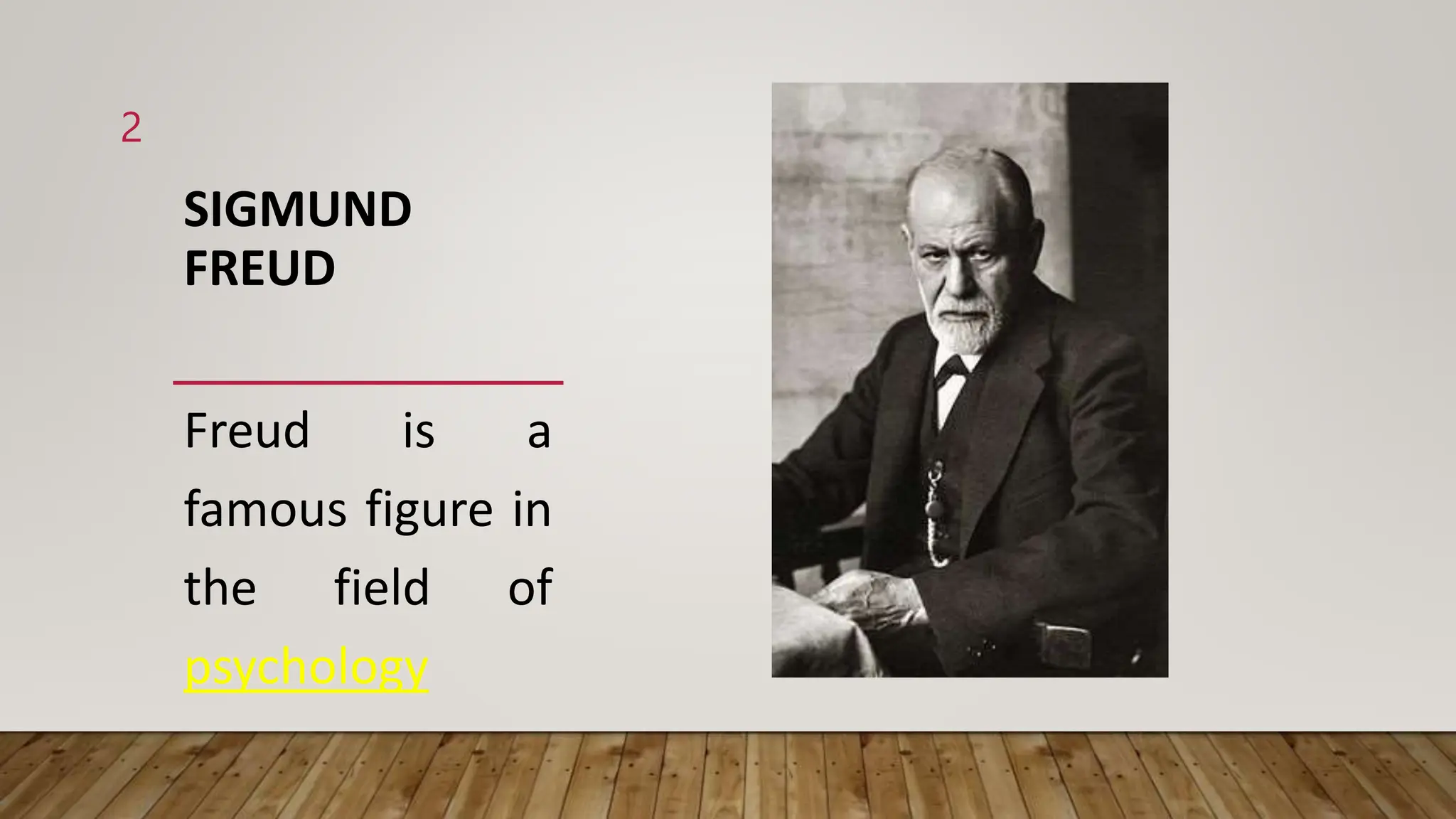
Sigmund Freud, an Austrian neurologist, developed psychoanalysis in the late 19th and early 20th centuries. While many of his specific biological theories have evolved or been superseded by modern neuroscience, the core architecture of his "talking cure" remains the foundational stone of contemporary psychotherapy. In 2026, psychoanalysis is viewed not merely as a historical relic but as a sophisticated lens through which we understand human motivation, personality development, and the persistence of irrational behaviors.
At its heart, psychoanalysis posits that our behavior is largely determined by unconscious forces—memories, desires, and traumas that are hidden from our immediate awareness. Freud believed that these hidden elements manifest in "slips of the tongue" (Freudian slips), dreams, and neurotic symptoms. The primary goal of the psychoanalytic process is to make the unconscious conscious, thereby giving the individual greater agency over their life.
The Shift from Hypnosis to Free Association
Freud’s journey began with the study of hysteria alongside Jean-Martin Charcot and Josef Breuer. Initially, they used hypnosis to help patients recall traumatic events. However, Freud eventually found hypnosis unreliable and developed free association. This technique requires the patient to speak every thought that enters their mind without filtering or censorship. By removing the "editor" of the conscious mind, Freud believed that the analyst could trace the threads of thought back to their unconscious origins.
The Structural Model of the Human Psyche
One of Freud’s most enduring contributions is his tripartite model of the mind, consisting of the id, ego, and superego. These three entities are not physical parts of the brain but represent a dynamic system of conflicting forces that shape personality.
The Id: The Instinctual Core
The id is the primitive and instinctive component of personality. It is present at birth and operates entirely within the unconscious. The id is driven by the pleasure principle, which demands immediate gratification of all needs, wants, and urges. If these needs are not met, the individual experiences tension or anxiety. In the id, there is no logic or morality; it represents the raw biological drives, including the libido (life instinct) and thanatos (death instinct).
The Ego: The Mediator
As a child interacts with the real world, the ego begins to develop from the id. The ego operates on the reality principle, striving to satisfy the id’s desires in realistic and socially appropriate ways. The ego functions in the conscious, preconscious, and unconscious minds. It weighs the costs and benefits of an action before deciding whether to act upon or abandon impulses. The ego is often described as a rider on a horse (the id), where the rider must guide and restrain the superior strength of the animal.
The Superego: The Moral Compass
The superego is the last component to develop, usually around the age of five. It embodies the internalized moral standards and ideals that we acquire from our parents and society. It consists of two parts: the conscience (which punishes with guilt) and the ego-ideal (which rewards with pride). The superego’s primary function is to suppress the id’s urges and persuade the ego to turn to moralistic goals rather than simply realistic ones.
The Topographical Model: Levels of Consciousness
Before the structural model, Freud proposed a topographical map of the mind. Even in 2026, this remains a helpful way to visualize mental processing:
- The Conscious Mind: This includes everything that we are aware of at any given moment. It is the tip of the iceberg visible above the water.
- The Preconscious Mind: This contains memories and data that are not currently in awareness but can be easily retrieved (e.g., your home address or what you ate for dinner yesterday).
- The Unconscious Mind: The largest part of the mind, hidden deep below the surface. It contains suppressed memories, primary urges, and experiences that are too painful or threatening for the conscious mind to handle.
Psychosexual Stages of Development
Freud proposed that personality develops through a series of childhood stages in which the pleasure-seeking energies of the id become focused on certain erogenous areas. He believed that if an individual experiences a "fixation" at any stage—due to overindulgence or frustration—it would manifest as specific personality traits or neuroses in adulthood.
- Oral Stage (Birth to 1 Year): Focus on the mouth. Fixation can lead to issues with dependency or aggression, often manifesting as smoking, nail-biting, or overeating.
- Anal Stage (1 to 3 Years): Focus on bladder and bowel control. Success leads to a sense of accomplishment and independence. Fixation can result in "anal-retentive" (obsessive-compulsive) or "anal-expulsive" (messy/destructive) behaviors.
- Phallic Stage (3 to 6 Years): Focus on the genitals. This is the era of the Oedipus complex, where a child feels a subconscious attraction to the opposite-sex parent. Resolution of this conflict leads to the development of the superego as the child identifies with the same-sex parent.
- Latency Period (6 to Puberty): Sexual feelings are inactive. Children focus on social skills, hobbies, and peer relationships.
- Genital Stage (Puberty onwards): Maturing sexual interests. The goal is to establish a balance between various life areas, including romantic relationships and career.
Clinical Techniques in Psychoanalysis
For a patient undergoing psychoanalysis in 2026, the experience is distinct from modern "solution-focused" therapies. It is typically a long-term commitment, often involving several sessions per week over several years.
Dream Interpretation
Freud famously called dreams the "royal road to the unconscious." He distinguished between the manifest content (the actual imagery of the dream) and the latent content (the hidden psychological meaning). The analyst works with the patient to decode the symbols in the dream to uncover repressed desires.
Transference and Countertransference
In the therapeutic setting, a patient often begins to redirect feelings meant for significant figures in their past (like parents) toward the analyst. This is known as transference. By observing these feelings, the analyst can gain insight into the patient’s relational patterns. Conversely, countertransference occurs when the analyst projects their own feelings onto the patient, a phenomenon that must be strictly managed through the analyst's own ongoing therapy and supervision.
Resistance
When a patient nears a particularly painful or repressed memory, they may unconsciously exhibit resistance. This might look like showing up late to sessions, forgetting a dream, or becoming uncharacteristically angry with the analyst. Identifying and working through resistance is a critical part of the healing process.
Psychoanalysis vs. Modern Behavioral Therapies
To understand the place of Freudian thought in the current year, it is helpful to compare it with the most common alternative: Cognitive Behavioral Therapy (CBT).
| Feature | Classic Psychoanalysis | Cognitive Behavioral Therapy (CBT) |
|---|---|---|
| Primary Goal | Resolve unconscious conflicts and personality change. | Symptom relief and changing thought patterns. |
| Duration | Long-term (Years). | Short-term (12–20 weeks). |
| Focus | The past and childhood experiences. | The present and specific behaviors. |
| Role of Therapist | Neutral, "blank screen" for transference. | Active, collaborative, and educational. |
| Mechanism | Insight and catharsis. | Skill-building and cognitive restructuring. |
| Frequency | High (3–5 times per week). | Low (Once per week). |
Common Defense Mechanisms
To protect the ego from the anxiety caused by the conflict between the id and superego, the mind employs defense mechanisms. These operate at an unconscious level and involve a distortion of reality.
- Repression: Pushing threatening thoughts into the unconscious.
- Denial: Refusing to acknowledge a painful reality.
- Projection: Attributing one's own unacceptable qualities to others.
- Displacement: Redirecting impulses toward a safer target (e.g., yelling at a spouse after being reprimanded by a boss).
- Sublimation: Transforming "unacceptable" impulses into socially productive activities (e.g., turning aggression into competitive sports).
- Regression: Reverting to a behavior characteristic of an earlier stage of development when stressed.
Criticisms and the Evolution of the Field
Psychoanalysis has faced significant criticism over the last century. Critics argue that many of Freud's theories are unfalsifiable and lack empirical evidence. His focus on sexual drives as the primary motivator of human behavior is often seen as reductive. Furthermore, the time and financial commitment required for traditional psychoanalysis make it inaccessible for many people.
However, the field has evolved. Modern psychodynamic therapy is a direct descendant of psychoanalysis. It is typically less frequent, shorter in duration, and incorporates modern research on attachment theory and developmental psychology. In 2026, the International Psychoanalytical Association (IPA) continues to set global standards for training, ensuring that the practice remains rigorous and ethically grounded.
Practical Considerations: Is Psychoanalysis Right for You?
Choosing psychoanalysis is a significant decision. It is generally not the first choice for someone seeking immediate relief from acute symptoms like panic attacks or phobias, where CBT or medication might be more effective. Instead, it is best suited for individuals who:
- Experience recurring patterns of self-sabotage in relationships or work.
- Feel a sense of emptiness or lack of purpose that isn't tied to a specific external event.
- Are interested in deep self-exploration and understanding the "why" behind their emotions.
- Have found that "surface-level" therapies haven't addressed the root of their distress.
Before starting, it is essential to verify that the practitioner is a certified psychoanalyst. This usually requires a graduate degree (MD or PhD) followed by years of specialized training at a recognized institute, including their own personal analysis.
FAQs About Freud’s Psychoanalysis
Is Freudian psychoanalysis still practiced in 2026?
Yes, it is still practiced globally, though it has evolved. While some "classical" analysts still follow Freud’s methods strictly, most modern practitioners use psychodynamic approaches that integrate Freudian principles with contemporary findings in neurobiology and attachment theory.
Does insurance cover psychoanalysis?
Coverage varies significantly by provider and jurisdiction. In 2026, many private insurance plans cover "psychodynamic psychotherapy," which uses psychoanalytic principles. However, the high frequency of traditional "on-the-couch" psychoanalysis (four sessions a week) is rarely fully covered, often requiring significant out-of-pocket investment.
How long does psychoanalysis take?
Traditional psychoanalysis is an intensive process that usually lasts between three and seven years. This duration is intended to allow for a deep restructuring of the personality and the working through of long-standing patterns, rather than just providing a quick fix for symptoms.
What is the "couch" for?
The use of the couch is intended to promote relaxation and facilitate free association. By lying down and not looking directly at the analyst, the patient is less likely to be influenced by the analyst’s facial expressions or social cues, making it easier to focus inward on the flow of unconscious thoughts.
What is the difference between a psychologist and a psychoanalyst?
A psychologist is a mental health professional with a doctoral degree in psychology. A psychoanalyst is a professional (who may be a psychologist, psychiatrist, or social worker) who has completed additional, specialized training in the theory and practice of psychoanalysis.
Next Steps for Exploration
If you are interested in exploring the unconscious roots of your behavior, your first action should be to consult the American Psychoanalytic Association (APsaA) or a similar regional body to find a licensed practitioner in your area. Many institutes offer "low-fee" clinics for those willing to work with analysts-in-training under expert supervision. Before committing to long-term work, most analysts offer a series of preliminary consultations to determine if the "fit" between analyst and patient is conducive to the deep work ahead.
Image Gallery
Select an image to open it in a new tab.
Simon Caldwell
Enterprise Technology and Systems Editor
