Applying for an LLC in Maryland requires filing Articles of Organization with the Maryland Department of Assessments and Taxation (SDAT) and adhering to state-specific naming, reporting, and maintenance requirements. By establishing your business as a limited liability company, you create a distinct legal entity that provides personal asset protection while offering flexible management options for your operations in the state.
Understanding the Legal Structure of a Maryland LLC
A Limited Liability Company (LLC) is a hybrid business entity that combines the liability protection typical of a corporation with the tax flexibility and operational simplicity of a partnership. In Maryland, when you form an LLC, you are creating a legal "person" separate from yourself. This separation is the primary mechanism that protects your personal assets—such as your home, car, or personal savings—from being seized to satisfy business debts or legal judgments incurred by the company.
Before you begin the application process, it is essential to understand that an LLC is governed by the Maryland Limited Liability Company Act. This statute dictates how you must organize your business, how you record your activities with the state, and the ongoing obligations you must meet to maintain "good standing." Failing to comply with these state mandates can lead to administrative dissolution, which effectively strips away the legal protections that formed the basis for creating the LLC in the first place.
Phase 1: Preparation and Naming Requirements
Before you file any documents, you must ensure your business name meets Maryland’s regulatory standards. The Maryland Department of Assessments and Taxation (SDAT) maintains a strict database of business entities, and your proposed name cannot be "deceptively similar" to another business already registered in the state.
Conducting a Business Name Search
You should first utilize the Maryland Business Entity Search tool provided by the state. This portal allows you to search for existing names. If a name is already taken, you will need to modify yours or choose an alternative.
Essential Naming Conventions
Maryland law mandates that your business name must include a designator that indicates its status as an LLC. Acceptable suffixes include:
- Limited Liability Company
- L.L.C.
- LLC
- L.C.
- LC
If you do not include one of these identifiers, the state will reject your filing. Furthermore, you cannot use words that imply a business type you are not licensed to perform (e.g., using "Bank" or "Insurance" if you have not received specific regulatory authorization).

Phase 2: Appointing a Resident Agent
Every Maryland LLC must appoint a Resident Agent. This is a person or entity authorized to receive "service of process"—official legal documents, tax notifications, and government correspondence—on behalf of your company.
The Resident Agent must:
- Have a physical street address in Maryland (a P.O. Box is not sufficient).
- Be available during normal business hours to accept legal documents.
- Be a Maryland resident, or a corporation or LLC authorized to do business in the state.
Many business owners choose to serve as their own resident agent if they are Maryland residents. However, if you travel frequently or prioritize privacy, you may hire a professional registered agent service. These services provide a physical address and ensure that any sensitive legal notices are handled discreetly and promptly.
Phase 3: Filing the Articles of Organization
The formal step to apply for an LLC in Maryland is the submission of the Articles of Organization. This document serves as the birth certificate for your business.
Choosing Your Filing Method
As of 2026, the state strongly encourages the use of Maryland Business Express, the state’s official online portal. Filing online is the fastest method, as it reduces processing times compared to mail-in applications.
Information Required on the Form
When completing the Articles of Organization, you will need to provide:
- The Name of the LLC: Must be available and compliant.
- Purpose of the LLC: While you can use a broad statement such as "any lawful purpose," ensure your specific industry requirements do not mandate more detailed language.
- Principal Office Address: This does not need to be a physical office in Maryland; it can be an out-of-state address.
- Resident Agent Information: The name and address of the individual or entity acting in this capacity.
- Signature: The document must be signed by an authorized person, such as a member or an organizer.
Understanding Costs
The filing fee for Articles of Organization in Maryland is $100. If you choose to expedite your request or require certified copies, additional fees will apply. Payments via the online portal are typically processed through secure credit card transactions.
Comparison of Maryland LLC Filing Methods
| Feature | Online Filing (Business Express) | Mail-in Filing |
|---|---|---|
| Processing Speed | Usually 2–5 business days | 4–6 weeks |
| Convenience | High (Immediate confirmation) | Low (Requires postage/paper) |
| Error Handling | Real-time validation | Potential for return and delay |
| Accessibility | 24/7 availability | Business hours for mail delivery |
Phase 4: Post-Formation Requirements
Once your Articles of Organization are accepted, your work as an LLC owner is not finished. Maryland law imposes specific obligations to keep your entity active and compliant.
Operating Agreement
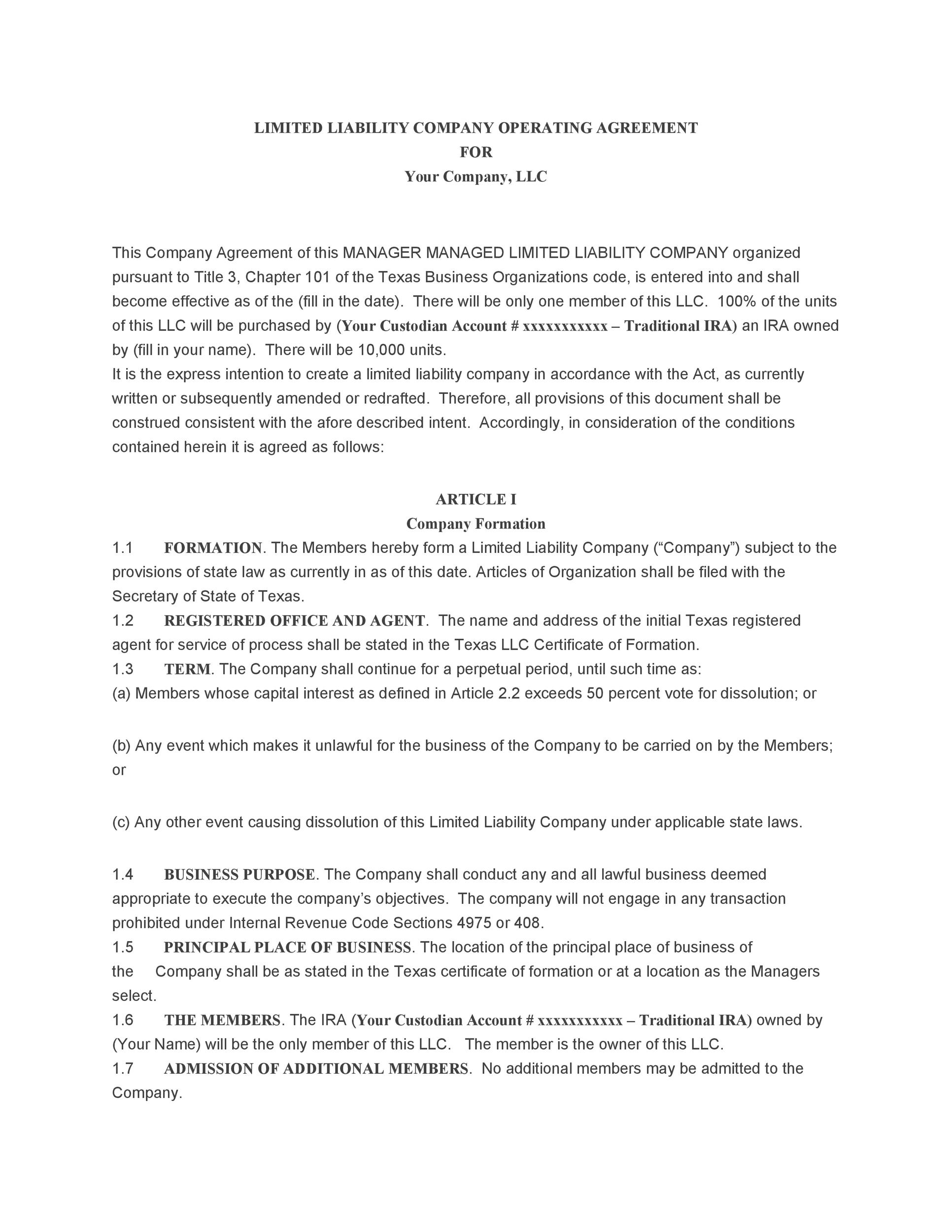
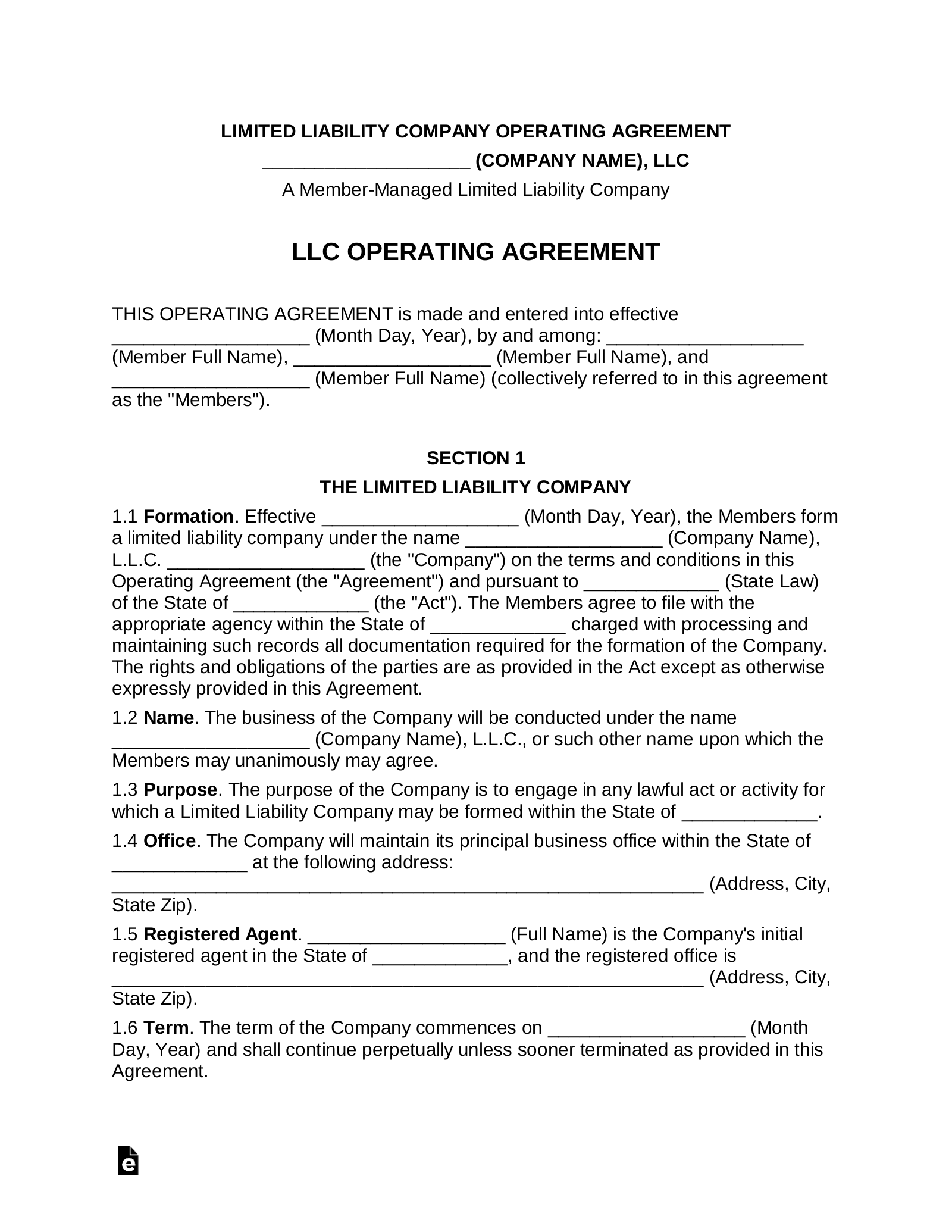
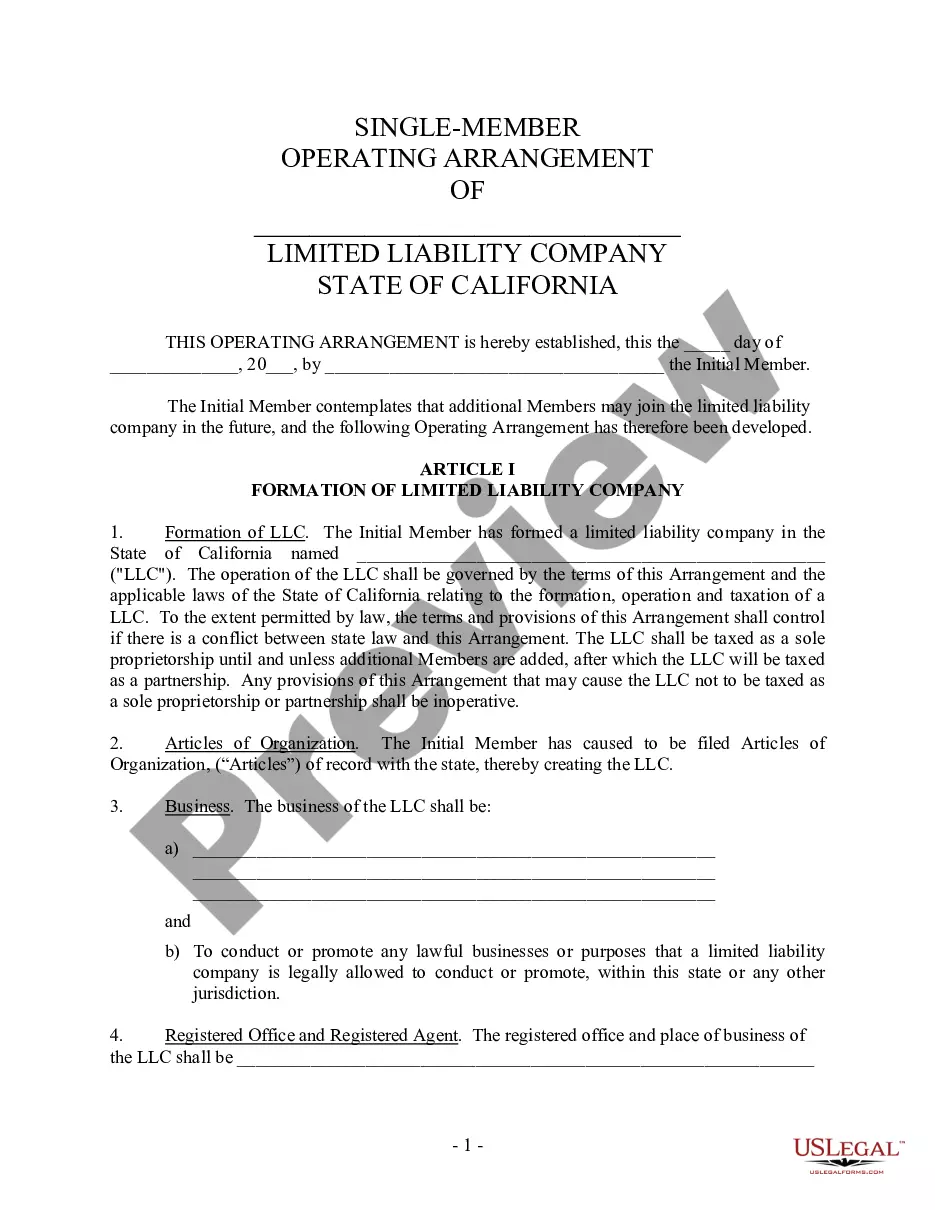
While Maryland does not explicitly require LLCs to file an Operating Agreement with the state, it is highly recommended to have one internally. An Operating Agreement outlines how your business is managed, how profits are distributed, and what happens if a member leaves the company. It serves as the "constitution" of your business and is vital for resolving internal disputes.
Obtaining an EIN
An Employer Identification Number (EIN) is a federal tax identification number assigned by the IRS. It functions similarly to a Social Security Number for your business. You will need an EIN to open a business bank account, hire employees, and manage federal tax obligations. You can apply for one for free directly through the IRS website.
Maryland Personal Property Tax Return
Unlike many other states, Maryland requires LLCs to file an Annual Report and Personal Property Tax Return. This is due on April 15th of each year. Failure to file this return can result in fines and the eventual forfeiture of your business's "good standing" status. This filing is essential for reporting any tangible personal property (like machinery or business furniture) that your LLC owns.
Frequently Asked Questions
Do I need a lawyer to apply for an LLC in Maryland?
No, you are not legally required to have an attorney to file your Articles of Organization. The online portal is designed to be user-friendly for business owners. However, if your business structure is complex—for example, if you have multiple partners with unequal ownership shares or specific capital contribution agreements—consulting with a business attorney or accountant is advisable.
Can I change my LLC name later?
Yes, you can change your name by filing Articles of Amendment with the SDAT. Note that there is a filing fee associated with this amendment. It is significantly more cost-effective to choose a permanent name at the time of your initial formation.
Is a "Doing Business As" (DBA) name required if I want to operate under a different name?
If your LLC wishes to conduct business under a name other than its legal name (the one listed on your Articles of Organization), you must register a "Trade Name" with the SDAT. This is distinct from the legal registration of the LLC itself.
What is the difference between a Member-Managed and Manager-Managed LLC?
A Member-Managed LLC means that all owners (members) share the authority to make decisions for the business. A Manager-Managed LLC designates specific individuals—who may or may not be members—to handle day-to-day operations. You must select one of these structures when filing your Articles.
How do I maintain my business status if I move?
If your principal office address or resident agent changes, you must notify the SDAT by filing a change of address or change of agent form. Keeping these details updated is critical so that legal notices reach you correctly.
Practical Recommendation for Success
For most entrepreneurs, the most efficient path is to gather all necessary information—your business name, a designated resident agent, and your principal business address—and complete the filing through the official Maryland Business Express website.
Once your filing is submitted, immediately diarize the annual April 15th deadline for your Personal Property Tax Return. By automating your reminders and keeping your records centralized, you minimize the risk of administrative errors that could threaten your LLC’s legal standing. Should you encounter specific tax or legal questions regarding your operating agreement or tax status, consult a qualified professional in the state to ensure your entity remains in full compliance with current Maryland regulations.
Image Gallery
Select an image to open it in a new tab.




Declan O'Connor
Higher Education and Campus Culture Reporter
