If your auto insurance claim has been denied or the settlement offer is insufficient, you have the right to challenge the decision through a formal appeals process. To successfully appeal, you must gather compelling evidence, document the discrepancy in your policy coverage, and maintain a professional, factual correspondence with your insurer to advocate for a fair resolution.
Understanding the Denied Claim
An insurance claim denial is not necessarily the final word. When an adjuster denies a claim or offers a settlement that does not cover your repair costs, it is often due to an interpretation of the policy language, a lack of documentation, or a misunderstanding of the accident circumstances. Before filing a formal appeal, you must identify the exact reason for the decision, which the insurer is legally required to provide in writing, typically via a "denial letter" or an explanation of benefits.
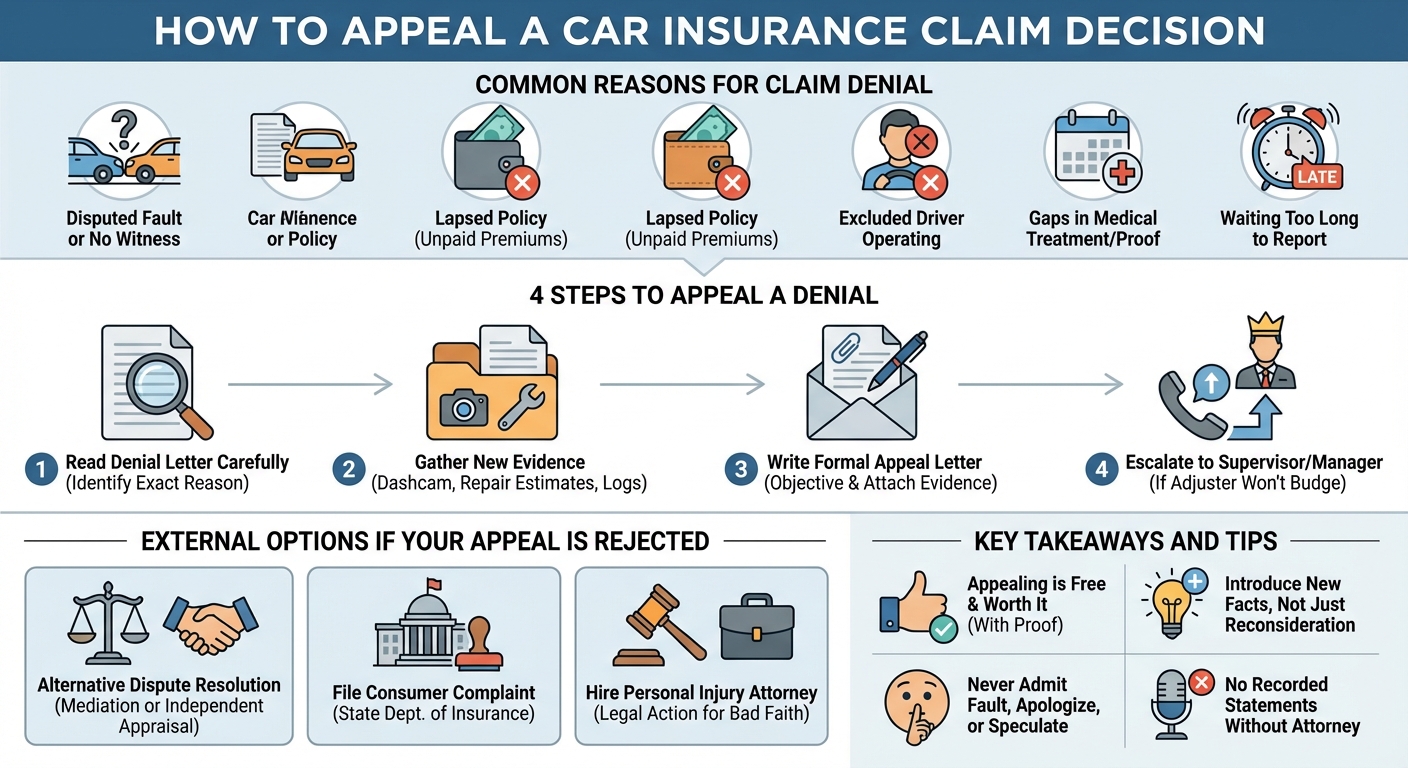
Review your policy documents (the declarations page and the full policy contract) alongside this letter. Common reasons for denial include:
- Excluded Events: The specific cause of damage (such as wear and tear or mechanical breakdown) may be excluded from your policy.
- Lapsed Coverage: Your policy may have been inactive or not yet in effect at the time of the incident.
- Insufficient Proof: There may be a lack of evidence regarding fault or the extent of the damages.
- Policy Limits: The cost of repairs might exceed the maximum payout limit specified in your contract.
If you find that the denial is based on a clerical error or a misunderstanding of the facts—such as the adjuster misidentifying the cause of a collision—you have a strong basis for an appeal.
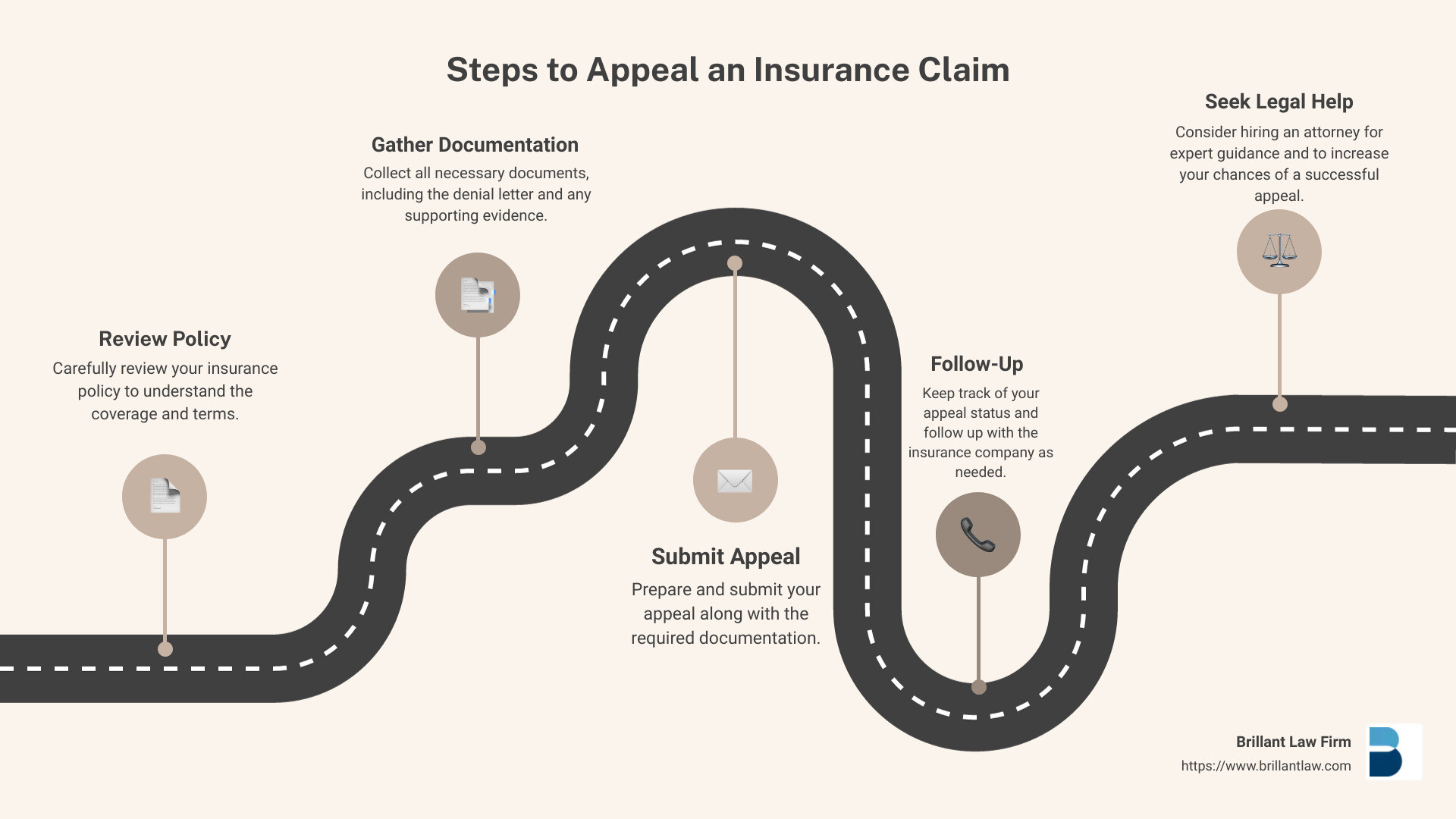
Step 1: Gather and Organize Evidence
Documentation is the foundation of any appeal. You are not arguing based on emotion or frustration; you are building a case based on evidence. You should compile a comprehensive file containing:
- The Original Claim File: All correspondence you have had with the adjuster, including emails, letters, and notes from phone calls (with dates and names).
- Police Reports: If the police arrived at the scene, their official report often carries significant weight in determining fault.
- Photographic Evidence: High-resolution photos taken at the scene of the accident, including vehicle damage, road conditions, and traffic signage.
- Repair Estimates: Obtain at least two independent estimates from reputable, licensed body shops that differ from the insurance company's preferred vendor's estimate.
- Expert Opinions: If the dispute concerns mechanical failure versus accident impact, a professional assessment from a certified technician can prove invaluable.
- Witness Statements: Written and signed statements from any third-party witnesses who observed the incident.
Step 2: Contact the Claims Adjuster First
Often, a denial can be resolved without a formal, protracted appeals process. Reach out to the claims adjuster assigned to your case. Sometimes, the initial denial is simply a result of missing information that you can easily provide.
When you contact the adjuster, remain calm and professional. Ask for a specific explanation of the reasoning behind the denial. If you have evidence that contradicts their findings, present it clearly. If the adjuster remains firm, request to speak with their supervisor. In many cases, escalating the conversation to a manager can bring a fresh perspective to the claim. Keep a detailed log of these conversations, noting the name of the person you spoke with, the date, and the outcome of the discussion.
Step 3: Drafting the Formal Letter of Appeal
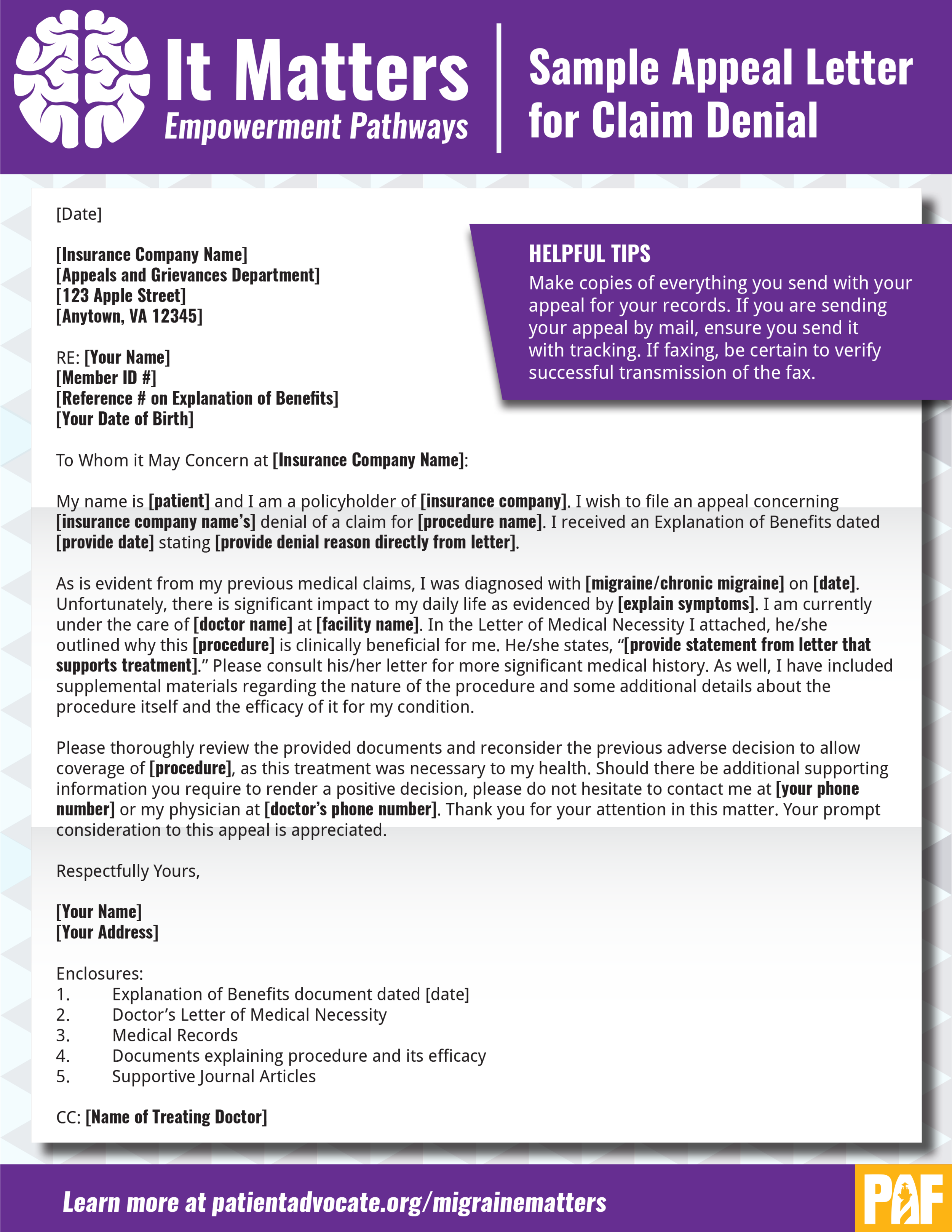
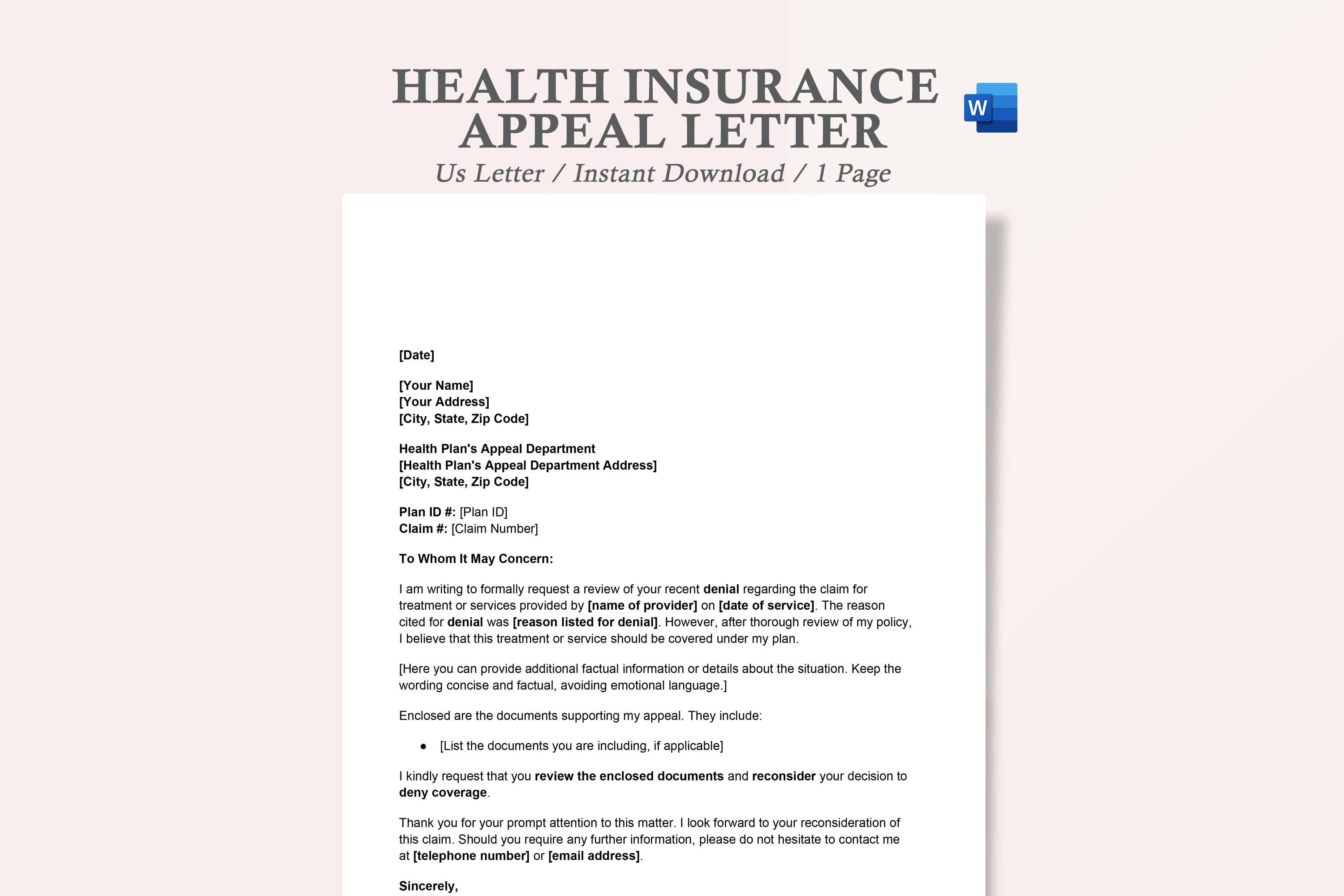
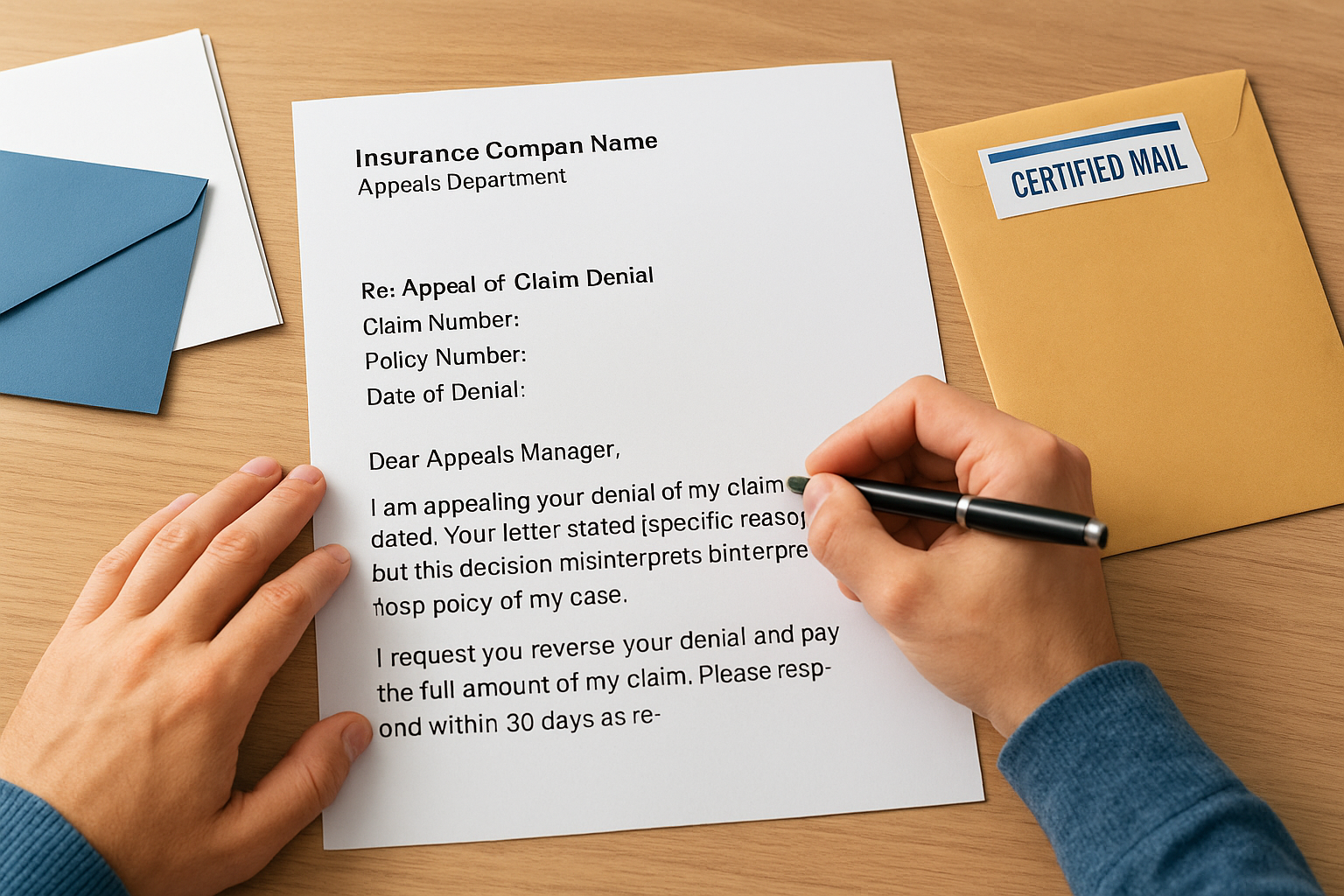
If initial conversations with the insurance company fail, you must submit a formal letter of appeal. This document should be addressed to the insurance company’s formal appeals department or your point of contact for dispute resolution.
Essential Components of an Appeal Letter:
- Header: Your name, address, policy number, claim number, and date.
- Statement of Purpose: Clearly state that you are appealing the decision regarding your claim.
- Summary of Facts: Briefly outline the accident and the insurance company’s reasoning for denial.
- The Argument: Explain why the decision is incorrect. Reference specific sections of your insurance policy that support your claim.
- Evidence Reference: Clearly list the documents you are attaching that support your position.
- Demand: State clearly what you want the outcome to be (e.g., payment of the claim, a reassessment of repair costs).
Keep the language formal and direct. Avoid accusations. Instead, focus on the discrepancy between the facts of the event and the insurance company’s interpretation of your coverage.
Step 4: Escalation Options
If your formal internal appeal is rejected, your options move beyond the insurance company’s internal structure.
- State Insurance Commissioner: Every U.S. state has a Department of Insurance. You can file a formal complaint with your state’s insurance regulator. They have the authority to investigate the insurance company’s practices and determine if they acted in bad faith or violated state insurance laws.
- Mediation or Arbitration: Some insurance policies have clauses that mandate arbitration for disputes. This involves a neutral third party who reviews the evidence and makes a binding or non-binding decision.
- Legal Counsel: If the claim amount is significant, it may be time to consult with an attorney who specializes in insurance bad-faith litigation. An attorney can provide an objective assessment of whether the insurance company is acting in accordance with their contractual obligations.
Table: Comparison of Dispute Resolution Methods
| Method | Best Used For | Speed | Cost |
|---|---|---|---|
| Direct Negotiation | Misunderstandings & missing info | Fast | None |
| Formal Internal Appeal | Incorrect coverage application | Medium | None |
| State Dept. of Insurance | Suspected bad faith or unfair practice | Slow | None |
| Legal Counsel/Litigation | Large financial disputes | Very Slow | High |
Common Mistakes to Avoid
During the appeals process, your behavior and the way you present information can significantly impact your success. Avoid these common pitfalls:
- Admitting Fault: Never admit fault during or after the accident. Let the facts of the evidence determine liability.
- Incomplete Documentation: Submitting a letter without supporting evidence will likely result in a secondary denial.
- Missing Deadlines: Policies often have specific timeframes for appeals. Check your policy documents to ensure you are not missing your window of opportunity.
- Emotional Correspondence: Angry letters or aggressive phone calls often hinder your case. Stick to the facts, evidence, and contractual obligations.
Frequently Asked Questions
Is there a time limit for appealing a claim?
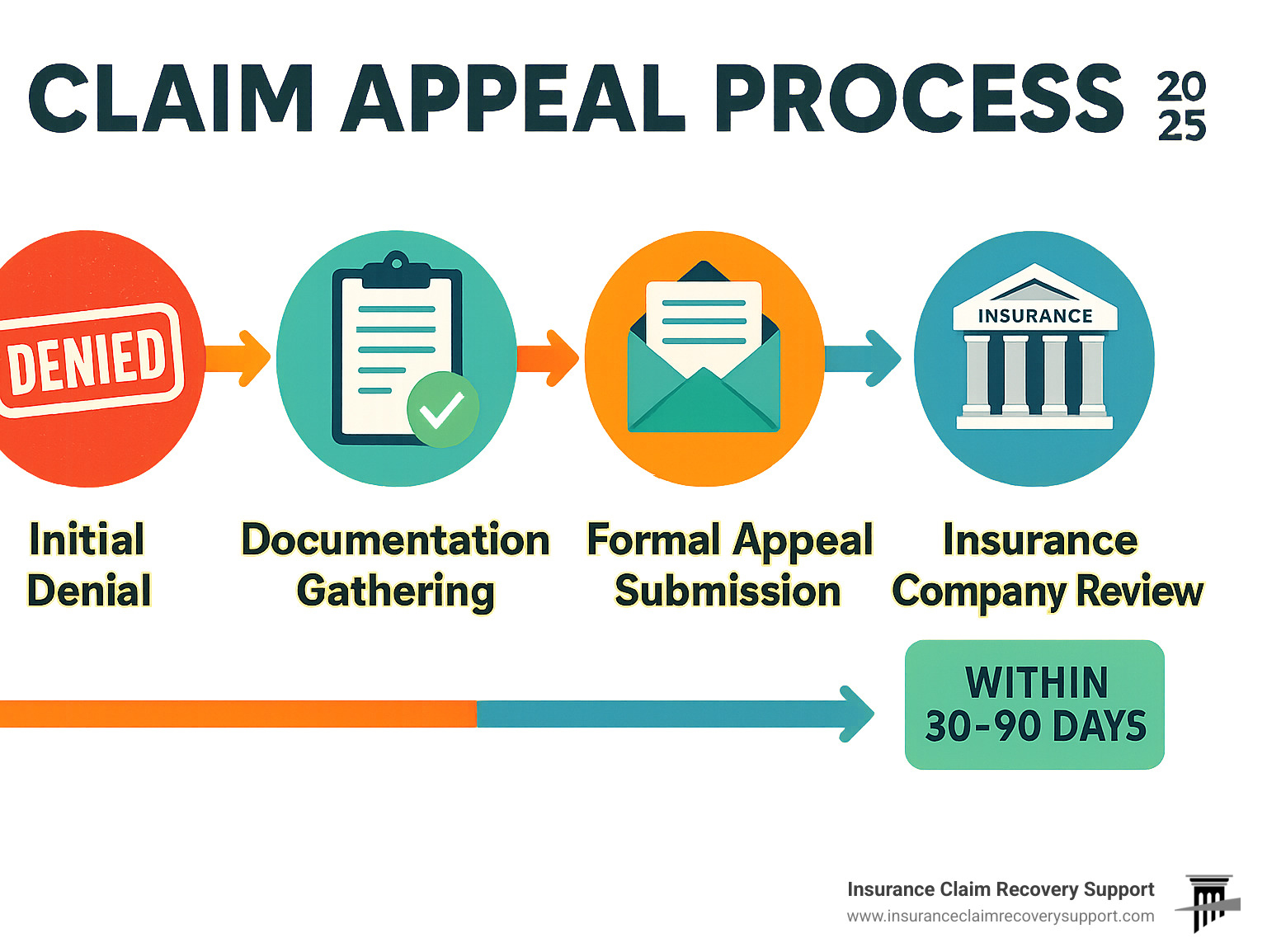
Yes. Most insurance policies dictate a specific timeframe for submitting an appeal, often ranging from 30 to 90 days after the denial letter. Check your specific policy or the denial notice to confirm the deadline applicable to your case.
Can I reopen a claim I already settled?
Generally, once a claim is settled and a release is signed, it is legally closed. Reopening a claim usually requires evidence of "new information" or fraud that was not available at the time of the settlement, which is a complex legal hurdle.
What is "Bad Faith" insurance?
Insurance bad faith occurs when an insurance company unreasonably denies a claim, fails to investigate a claim in a timely manner, or refuses to pay a valid claim without a legitimate basis. If you believe your insurer is acting in bad faith, you may have grounds for a lawsuit.
Do I need a lawyer to appeal?
You are not required to have an attorney for internal appeals. However, if the amount at stake is significant or if the insurer is consistently acting in bad faith, seeking professional legal advice can provide you with necessary leverage.
What happens if the second denial is final?
If the internal appeal process is exhausted, you should transition your efforts to external oversight, specifically by filing a complaint with your state’s insurance regulatory body. They provide a final level of administrative review for the industry.
Next Actions
Start by gathering all documents related to the accident and the claim, including the original denial letter. Review your policy’s "Declarations Page" to ensure you understand your coverage limits. Contact your claims adjuster one final time to request a formal reconsideration; if they deny this, draft your formal appeal letter citing specific policy provisions and attaching all relevant evidence gathered during your review.
Image Gallery
Select an image to open it in a new tab.



Declan O'Connor
Higher Education and Campus Culture Reporter
