
Narita International Airport (NRT) consists of three distinct terminals—Terminal 1, Terminal 2, and Terminal 3—each serving specific airline alliances and flight types. Navigating these terminals requires understanding their layout, the inter-terminal shuttle system, and the specific train stations located in the basements of Terminal 1 and Terminal 2 to ensure a seamless arrival or departure.
The Layout of Narita International Airport
Narita International Airport, located approximately 60 kilometers east of central Tokyo in Chiba Prefecture, remains the primary international gateway to Japan. As of 2026, the airport continues to operate through three major terminal buildings. Each terminal is a self-contained hub with its own check-in counters, security checkpoints, immigration facilities, and baggage claim areas.
The physical separation between the terminals is significant. Terminal 1 and Terminal 2 are about two kilometers apart, while Terminal 3 is located adjacent to Terminal 2. This distance means that arriving at the wrong terminal can lead to missed flights if you do not account for the 10 to 20 minutes required to transfer. Each terminal is assigned to specific airline alliances, which helps streamline operations but requires passengers to double-check their airline’s location before arriving at the airport.
Terminal 1: The Global Alliance Hub
Terminal 1 is the largest of the three and is divided into the North Wing, South Wing, and a Central Building. It primarily serves airlines belonging to the Star Alliance and SkyTeam.
- South Wing: This is the primary base for All Nippon Airways (ANA) and its Star Alliance partners, such as United Airlines, Singapore Airlines, and Air Canada.
- North Wing: This wing typically hosts SkyTeam carriers like Air France, KLM, and Korean Air, along with various independent international airlines.
- Central Building: This area connects the two wings and houses the "Airport Mall," a massive retail and dining complex located on the 4th and 5th floors. It also provides access to the observation deck, which offers one of the best views of the runway.
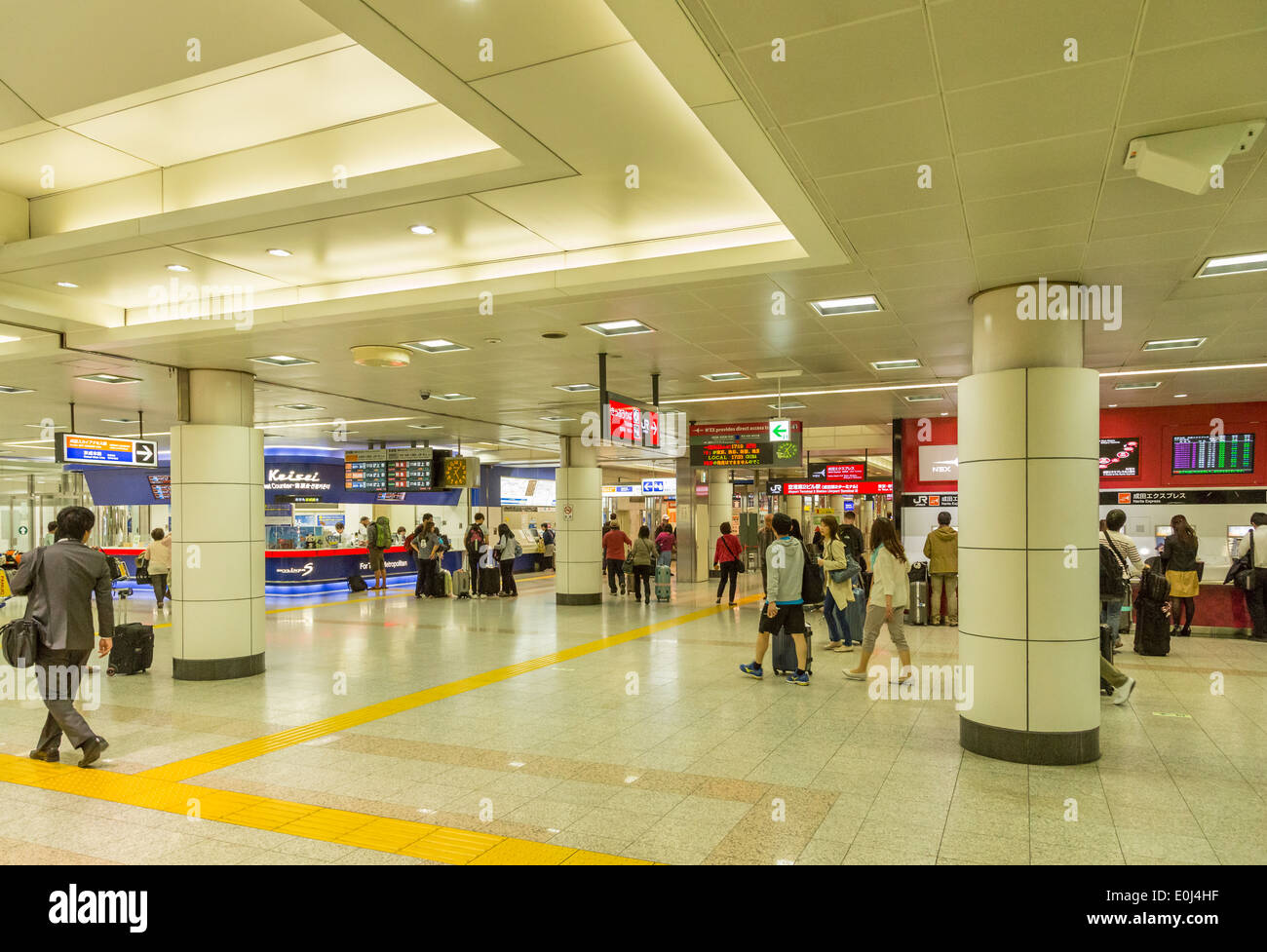
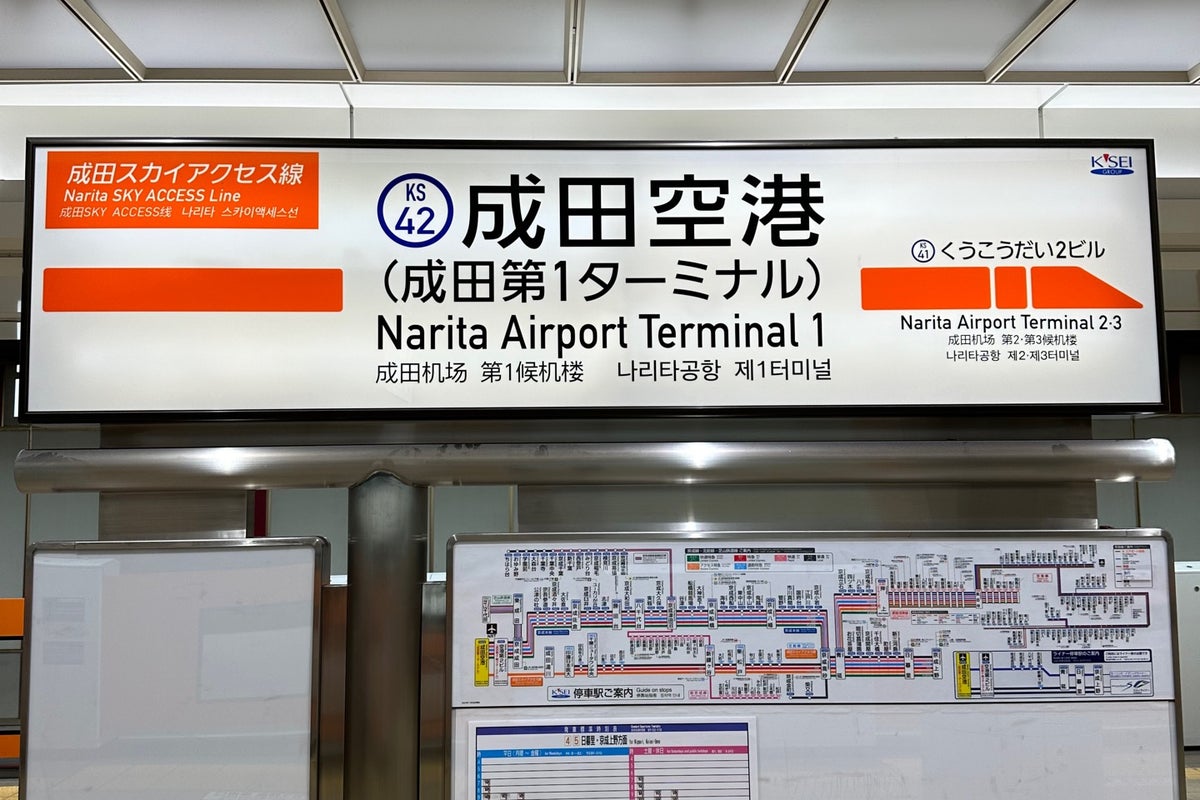
The basement level of Terminal 1 (B1F) houses the Narita Airport Terminal 1 Station, providing direct access to the Narita Express (N’EX) and the Keisei Skyliner.
Terminal 2: The oneworld and International Mainstay
Terminal 2 serves as the primary hub for oneworld alliance airlines, most notably Japan Airlines (JAL). It also hosts major carriers like American Airlines, British Airways, Cathay Pacific, and Qantas.
The terminal is divided into a Main Building and a Satellite Building. Historically, these were connected by a shuttle system, but this has since been replaced by a wide, moving walkway (the "Connecting Corridor") that features lounge-style seating and large windows overlooking the tarmac.
Terminal 2 is also known for its extensive "Narita 5th Avenue" shopping area, which is the largest airport duty-free mall in Japan. Similar to Terminal 1, the basement level houses Airport Terminal 2 Station, which serves both Terminal 2 and Terminal 3 passengers.
Terminal 3: The Low-Cost Carrier (LCC) Specialist
Terminal 3 was specifically designed for low-cost carriers (LCCs) and opened in 2015. It has a distinct, minimalist aesthetic, featuring rubberized running tracks on the floors to guide passengers between gates and exits.
The primary occupants of Terminal 3 are Jetstar Japan, Peach Aviation, and Spring Japan. Because it was built for efficiency and cost-reduction, it does not have its own dedicated train station. Passengers arriving by train must disembark at Terminal 2 and either walk (approximately 500–700 meters via a covered walkway) or take a free shuttle bus. Terminal 3 also features one of the largest airport food courts in Japan, designed to accommodate the high volume of budget-conscious travelers.
Navigating Between Terminals
Moving between terminals at Narita is a common requirement for passengers with connecting flights or those who accidentally get off at the wrong train station. In 2026, the inter-terminal transit system is highly efficient and free of charge.
The Inter-Terminal Shuttle Bus
Yellow shuttle buses run frequently between all three terminals. There are two main routes:
- Terminal 1 and Terminal 2: This route takes about 10 to 15 minutes.
- Terminal 2 and Terminal 3: This route is shorter, taking approximately 3 to 5 minutes.
The bus stops are clearly marked outside the arrivals level of each terminal. During peak hours, these buses run every 7 to 10 minutes, while in the early morning or late evening, the frequency may decrease to every 15 to 20 minutes.
Walking Between Terminal 2 and Terminal 3
Because Terminal 3 is an extension of the Terminal 2 area, many passengers choose to walk. The "Access Corridor" is a sheltered pathway equipped with benches and clear signage. In 2026, the path has been refined to be more climate-controlled and accessible for those with heavy luggage. Walking typically takes 10 to 12 minutes, which is often faster than waiting for the shuttle bus during off-peak times.
| Feature | Terminal 1 | Terminal 2 | Terminal 3 |
|---|---|---|---|
| Main Alliances | Star Alliance, SkyTeam | oneworld | LCCs (Jetstar, Peach) |
| Train Station | Narita Airport Terminal 1 | Airport Terminal 2 | Access via Terminal 2 |
| Primary Carriers | ANA, United, Air France | JAL, American, Cathay | Jetstar, Peach, Spring Japan |
| Best For | Extensive retail & lounges | Premium shopping & JAL hub | Budget travel & food court |
| Observation Deck | Yes (5th Floor) | Yes (4th Floor) | No |
| Sleeping Options | Dayrooms/Showers | 9h Capsule Hotel | Rest Area (Limited) |

Transportation to and from Tokyo
Narita Airport is located roughly 60 kilometers from Tokyo, making the choice of transportation vital for both time and budget management.
Rail Options: The Fastest Route
There are two primary rail operators serving Narita: JR East and Keisei Electric Railway.
- Narita Express (N’EX): Operated by JR, this is the most convenient option for travelers heading to major hubs like Tokyo Station, Shinjuku, or Shibuya. All seats are reserved, and the journey to Tokyo Station takes about 53 minutes. In 2026, the N'EX remains the preferred choice for Japan Rail Pass holders.
- Keisei Skyliner: This is the fastest way to reach the eastern side of Tokyo (Ueno and Nippori). Reaching speeds of 160 km/h, it arrives at Nippori in approximately 36 minutes. It is a private line, so JR passes are not accepted.
- Keisei Access Express: A more affordable commuter-style train that goes directly to Haneda Airport or into the Toei Asakusa Subway Line, serving areas like Ginza and Nihonbashi.
Bus Options: The "Limousine Bus"
The Airport Limousine Bus provides door-to-door service to major hotels and districts across Tokyo. While it is subject to traffic conditions, it is often the best choice for those with significant luggage who wish to avoid navigating train station stairs and transfers. Additionally, "Low-Cost Bus" services (like the Airport Bus TYO-NRT) offer a budget-friendly flat-rate fare to Tokyo Station and Ginza for approximately 1,500 to 2,000 yen.
Essential Services and Amenities
Narita Airport is designed to be a "city within an airport," offering a wide range of services to assist travelers before they head into Japan or board a long-haul flight.
Luggage Delivery (Takkyubin)
One of the most highly recommended services for arrivals is the luggage delivery service (GPA, Yamato Transport, or JAL ABC). Located on the arrivals floor of Terminals 1 and 2, these counters allow you to send your heavy suitcases directly to your hotel anywhere in Japan. In 2026, most deliveries within the Kanto region (Tokyo and surrounding areas) arrive the same day if dropped off before 11:00 AM, or the next morning otherwise. This allows you to travel into the city hands-free.
Connectivity: SIM Cards and Pocket Wi-Fi
While free Wi-Fi is available throughout all terminals, most travelers require constant data. You will find numerous kiosks on the arrivals floors selling "Traveler SIMs" or offering "Pocket Wi-Fi" rentals. If you have pre-ordered a device online, the pickup counters are generally located in the same area. It is important to verify your terminal before ordering, as picking up a device in Terminal 1 when you arrive in Terminal 2 requires a time-consuming shuttle trip.
Lounges and Relaxation
Narita offers various lounges, ranging from airline-specific (like the ANA Lounge or JAL Sakura Lounge) to "Card Lounges" accessible via specific credit cards or Priority Pass. For those with long layovers, Terminal 1 and Terminal 2 offer dayrooms and shower facilities for a fee.
- Nine Hours (9h) Capsule Hotel: Located in the forest-side building connected to Terminal 2, this is a popular option for travelers with early morning flights or those needing a nap and a shower.
Technology and Modern Efficiency: Face Express
By 2026, Narita has fully integrated Face Express, a biometric boarding system. This technology allows passengers to register their passport and facial data at a self-service kiosk during check-in. Once registered, your face becomes your boarding pass and passport for the remainder of your time in the terminal. You can drop off luggage, pass through security, and board your flight simply by looking at a camera, significantly reducing wait times and physical contact with kiosks or staff. Face Express is currently available for most international flights operated by ANA and JAL, with expanding support for other major carriers.
Shopping and Dining Highlights
Narita is a destination for shopping in its own right. The airport features a mix of high-end luxury brands and traditional Japanese craft shops.
- Fa-So-La Shops: These are the most common duty-free shops, offering everything from Japanese "washoku" snacks (like Tokyo Banana and Royce’ Chocolate) to cosmetics and electronics.
- Cultural Souvenirs: In Terminal 1’s Central Building, shops like Kyoto To-bi offer high-quality traditional goods, while Pokemon Store and other character-themed shops provide modern pop-culture items.
- Dining: For a final authentic meal, Terminal 2’s "Soba" and "Sushi" counters provide high-quality food that rivals city restaurants. Terminal 3’s food court is the best spot for quick, affordable ramen or takoyaki.
FAQs
Can I travel between Narita terminals after passing through security?
Generally, no. The airside (post-security) areas of Terminal 1, Terminal 2, and Terminal 3 are not connected. If you are a transit passenger with a connection between different terminals, you must use the dedicated airside transit buses. If you have already cleared immigration and entered Japan, you must use the landside shuttle buses or trains to move between buildings.
Which terminal does Japan Airlines (JAL) use at Narita?
As of 2026, Japan Airlines (JAL) operates primarily out of Terminal 2. This terminal is the central hub for the oneworld alliance, including partners like American Airlines and British Airways.
Is there a place to sleep inside Narita Airport if I have an overnight layover?
Yes. The most popular option is the 9h (Nine Hours) Capsule Hotel located at Terminal 2. Additionally, both Terminal 1 and Terminal 2 have dayrooms with beds and private showers available for hourly rental between 7:00 AM and 9:00 PM. For those on a strict budget, Terminal 3 has a dedicated rest area with sofas, though it can be quite bright and noisy.
How much time should I allow for travel from central Tokyo to Narita?
You should allow at least 90 minutes for the journey. While the Skyliner takes about 40 minutes and the N'EX about 55 minutes, you must account for the time spent walking to the platform and the potential for train delays. For international departures, it is recommended to arrive at the terminal three hours before your flight.
Does Terminal 3 have its own train station?
No, Terminal 3 does not have a dedicated train station. Passengers must use the Airport Terminal 2 Station and then follow the blue running track signs for a 10-minute walk or take the free yellow shuttle bus to reach Terminal 3.
Final Recommendation for Travelers
For the smoothest experience at Narita in 2026, always verify your departure terminal on your e-ticket 24 hours before your flight. Upon arrival in Japan, utilize the luggage delivery services to avoid the hassle of carrying bags on the crowded Tokyo rail network. If you are a tech-savvy traveler, take advantage of the Face Express kiosks at check-in to bypass traditional boarding queues. Finally, if you have a choice of transport, the Keisei Skyliner is the superior option for speed, while the Narita Express is the most convenient for direct access to the western side of Tokyo.
Image Gallery
Select an image to open it in a new tab.


Zara El-Hashem
Sociocultural Dynamics and Academics Writer
