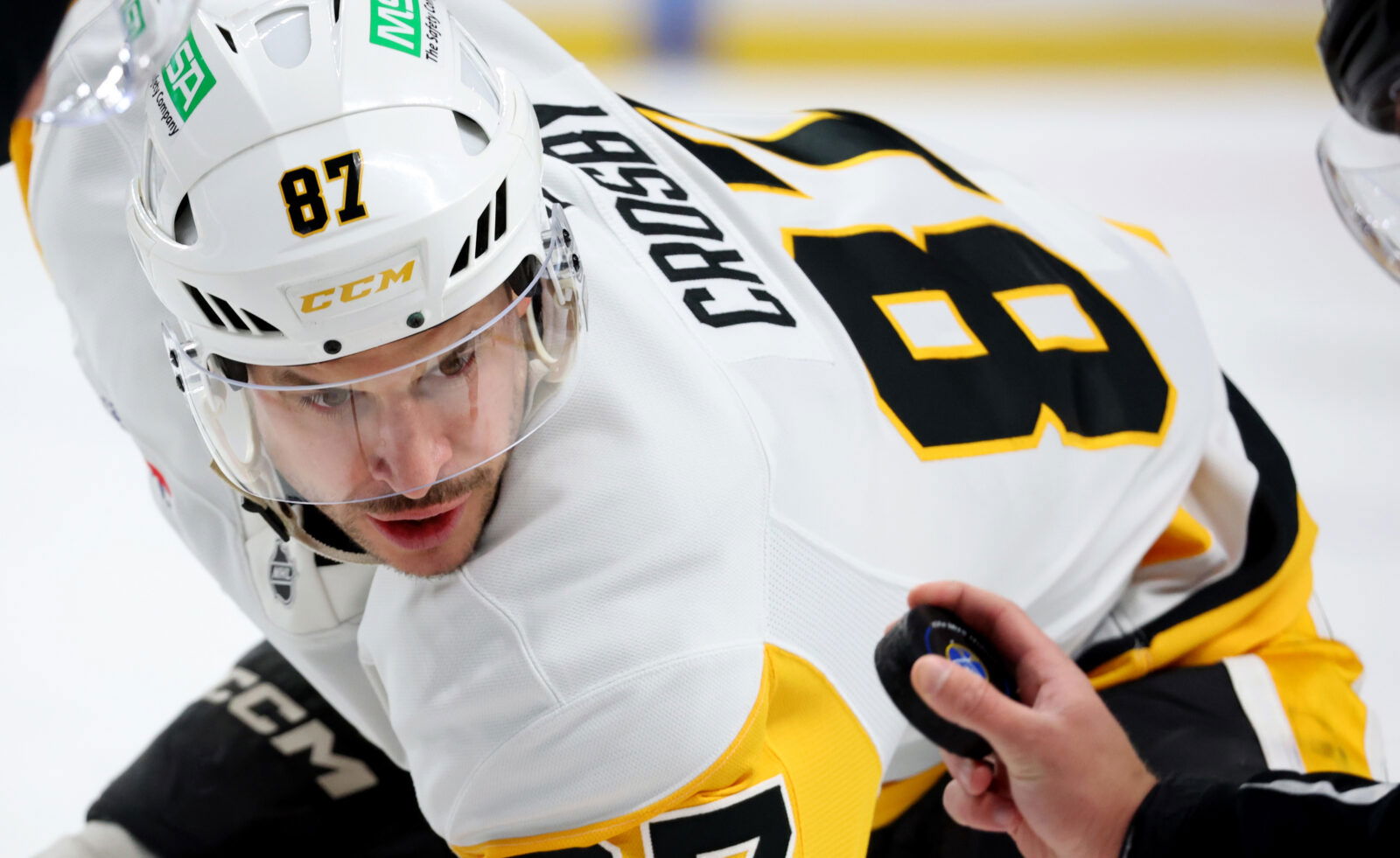
Sidney Crosby's injury history is defined by a series of significant concussions, soft-tissue strains, and structural issues that periodically interrupted his storied NHL career. Most notably, a pair of severe concussions sustained in January 2011 sidelined him for nearly a full calendar year, fundamentally altering how the sports world views head trauma and recovery protocols in professional hockey.
The Core Medical Profile: Concussions and Soft-Tissue Issues
When discussing Sidney Crosby's injury history, the primary focus invariably centers on neurological health. While professional hockey players routinely deal with broken bones, lacerations, and joint sprains, Crosby's battles with post-concussion syndrome stand out as the most challenging periods of his professional life. Beyond head injuries, the Pittsburgh Penguins captain has encountered core muscle injuries, wrist fractures, and ankle issues, each requiring careful surgical or rehabilitative intervention.
Understanding these injuries requires looking beyond the immediate diagnosis. Professional athletes experience high-velocity collisions, repetitive physical contact, and extreme biomechanical stress. For Crosby, his style of play—often grinding along the boards, absorbing hits to protect the puck, and playing heavy minutes in all situations—frequently placed him in vulnerable positions on the ice.
The 2011 Concussion Turning Point
The most critical juncture in Crosby's medical timeline occurred in early January 2011. During the 2011 NHL Winter Classic on January 1 against the Washington Capitals, Crosby absorbed a hit from behind by forward David Steckel. Although he initially finished the game, he experienced lingering symptoms. Just days later, on January 5, in a game against the Tampa Bay Lightning, he took a second hit from Victor Hedman, absorbing a direct blow to the head.
These consecutive incidents resulted in a severe concussion that sidelined Crosby for the remainder of the 2010-11 season and a large portion of the 2011-12 season.
- Initial Misdiagnosis and Recovery Phase: Early assessments underestimated the duration of the recovery. Crosby attempted multiple comebacks that had to be aborted due to recurring headaches, sensitivity to light and noise, and balance issues.
- Multidisciplinary Medical Approach: Crosby eventually sought treatment from specialized neurological and vestibular therapists outside the standard team medical staff. This shift involved specialized neck strengthening, vision therapy, and cognitive rest protocols.
- Return to Play: Crosby finally returned to game action in November 2011, scoring two goals and two assists against the New York Islanders, though subsequent minor flare-ups required additional cautious management.
Chronological Overview of Major Career Incidents
To track how physical setbacks affected his availability, the following table details Crosby's most significant documented injuries, their official diagnoses, and the approximate recovery timeframes.
| Season / Date | Injury Type | Affected Area | Impact on Play / Recovery Time |
|---|---|---|---|
| January 2011 | Concussion (Head Trauma) | Brain / Vestibular System | Missed 61 regular-season games and the 2011 Stanley Cup Playoffs; returned in Nov 2011. |
| December 2011 | Concussion-like Symptoms | Brain / Neck | Mild setback following a collision with teammate Keith Kinkaid (practice); missed 8 games. |
| March 2013 | Broken Jaw | Facial Bones | Struck in the face by a deflected puck during a game against the New York Islanders; missed 12 games, returned wearing a protective shield. |
| January 2014 | Wrist Injury | Left Wrist | Chronic wrist pain stemming from a structural issue requiring minor arthroscopic surgery; played through it largely during the Olympics and remainder of the season. |
| November 2019 | Core Muscle Injury (Sports Hernia) | Abdominal / Pelvic Region | Underwent core muscle surgery after experiencing discomfort; missed 28 games, returning in January 2020. |
| May 2022 | Concussion | Brain | Sustained a head hit from New York Rangers defenseman Trouba in Game 7 of the Eastern Conference First Round; missed Game 5 and played limited minutes thereafter. |
Biomechanical Factors and Playing Style Risks
Sidney Crosby’s elite status relies heavily on his unique style of physical play. He is renowned for utilizing his low center of gravity, extraordinary core strength, and exceptional edge work to protect the puck along the boards—a technique often referred to in hockey strategy as using his "posterior" to shield opponents.
However, this exact playing style exposes him to specific physical vulnerabilities:
- Board Battles and Vulnerable Angles: When a player lowers their center of gravity to protect the puck, their head is often positioned lower relative to an incoming checker, increasing the risk of accidental or deliberate high contact.
- High-Minute Workloads: Throughout his career, Crosby has consistently logged over 20 minutes of ice time per game, playing heavy minutes in power-play, penalty-kill, and even-strength situations. Accumulated fatigue can slow reaction times, marginally increasing vulnerability to mistimed hits.
- Physical Toll of Playoff Hockey: Postseason play in the NHL features heightened physical intensity, tighter checking, and elevated collision rates, which has occasionally compounded existing soft-tissue and structural wear and tear.

Evolution of NHL Concussion Protocols
Crosby's extended battles with head injuries coincided with a broader cultural and regulatory shift within professional hockey regarding head trauma. When Crosby was sidelined in 2011, the NHL's concussion spotter system and evaluation protocols were significantly less robust than they are today.
The visibility of Crosby's prolonged absence forced league administrators, team physicians, and players' associations to re-evaluate baseline testing, mandatory removal from play, and return-to-play guidelines.
- Spotters and Independent Doctors: The introduction of independent concussion spotters watching feeds in real-time helped remove the burden from players and coaches to self-report symptoms immediately following a collision.
- Graduated Return-to-Play Steps: Modern protocols require players to pass progressive physical exertion steps—ranging from light stationary cycling to full-contact practices—without symptom recurrence before being cleared by both team medical staff and an independent neurological expert.
Rehabilitation Strategies and Modern Longevity
Sustaining high-level performance well into his late career required Crosby to completely overhaul his off-season training, nutrition, and recovery routines. Working closely with renowned trainer Andy O'Brien, Crosby pioneered modern functional training methods focused on core stability, rotational strength, and joint resilience.
Key Elements of Crosby's Maintenance Regimen:
- Neuromuscular Training: Incorporating specialized vision and balance drills to ensure rapid neurological processing speeds following high-speed collisions.
- Soft-Tissue Preservation: Prioritizing targeted mobility work to offset the asymmetric stresses of hockey skating strides.
- Load Management: Utilizing advanced biometric tracking during practices to optimize recovery windows between heavy game nights.
Frequently Asked Questions
Did Sidney Crosby ever consider retiring because of his concussions?
During his lengthy recovery between 2011 and 2012, when symptoms persisted despite various treatments, Crosby admitted to questioning whether he would ever play hockey again. However, with the guidance of specialized medical professionals and a carefully managed rehabilitation plan, he successfully resolved his post-concussion symptoms and resumed his career.
How did the jaw injury in 2013 affect his playing style?
In March 2013, Crosby suffered a broken jaw from an errant puck. While the injury itself sidelined him for only a few weeks, it forced him to wear a full facial cage for an extended period. This required physical adjustments to his peripheral vision and communication on the ice, though it did not permanently alter his tactical approach to the game.
What is a core muscle injury, and how did it impact Crosby in 2019?
A core muscle injury, commonly referred to in sports medicine as a sports hernia, involves a tear or strain of the soft tissues (muscles, tendons, ligaments) in the lower abdomen or pelvic region. In November 2019, Crosby underwent surgery to repair this issue, which severely limited his rotational torque and skating power until fully healed in early 2020.
Are Crosby's recent injuries related to his 2011 concussions?
Medical experts generally view subsequent concussions—such as the one sustained in the 2022 playoffs—as new, isolated traumatic brain injuries rather than a direct continuation of his 2011 post-concussion syndrome. However, history of prior head trauma can sometimes influence recovery timelines and sensitivity to subsequent impacts.
Practical Takeaways and Next Actions
For athletes, coaches, and sports medical professionals examining Sidney Crosby's career trajectory, the key takeaway centers on the value of patience, specialized multidisciplinary care, and strict adherence to progressive return-to-play protocols. Rushing recovery from neurological or core structural injuries often leads to prolonged absences, whereas structured, data-driven rehabilitation preserves long-term athletic longevity and quality of life.
Image Gallery
Select an image to open it in a new tab.


Celine Dubois
Contemporary Living and Global Arts Columnist
