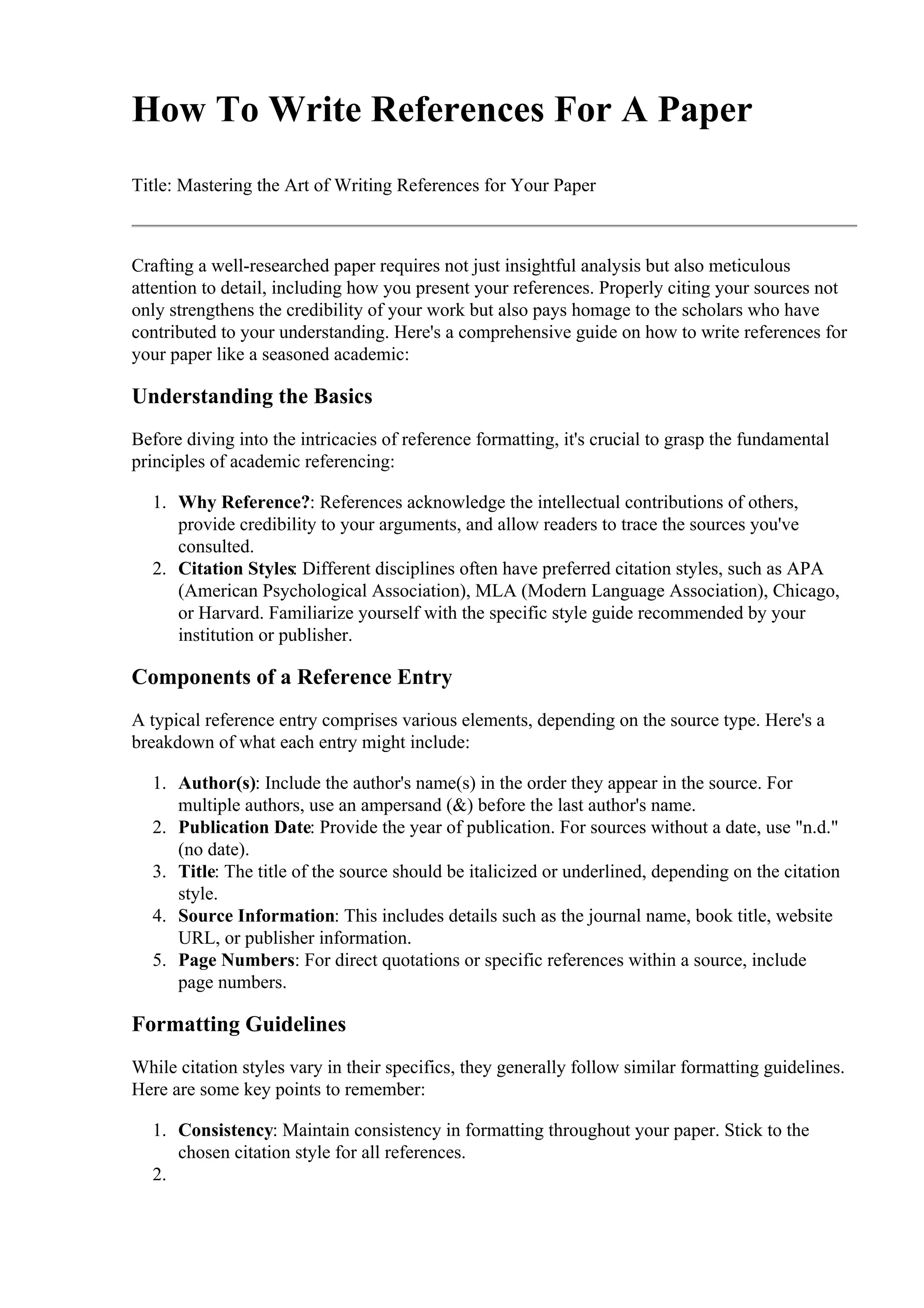
Understanding references in psychology for research requires mastering the seventh edition of the Publication Manual of the American Psychological Association (APA). This system ensures that all cited sources are transparent, accurately attributed, and easily retrievable, thereby upholding the integrity of academic discourse and preventing plagiarism in the behavioral and social sciences.
The Role of Referencing in Psychological Research
In psychological research, references serve as the bedrock of scholarly accountability. When you cite a source, you are engaging in a formal dialogue with the existing body of literature. This process accomplishes three primary objectives: it provides evidence for your claims, acknowledges the intellectual contributions of previous researchers, and enables your readers to verify your findings by locating the original works.
Psychological writing is uniquely demanding regarding precision. Because researchers often analyze human behavior through complex variables and statistical outcomes, the source material must be clearly demarcated. If a reader cannot distinguish between your original synthesis and the established theories of another, the research loses its validity. Mastering the APA style, which is the gold standard in this field, involves understanding both in-text citations and the comprehensive reference list.
Distinguishing Between In-Text Citations and Reference Lists
The APA style utilizes a "parenthetical" or "narrative" citation system to provide immediate context for your claims, followed by a detailed reference entry at the end of the document.
In-Text Citations
In-text citations point the reader toward the reference list. They generally consist of the author’s last name and the year of publication. For example, if you are discussing cognitive load theory, you might write: "Cognitive resources are finite (Sweller, 1988)." Alternatively, a narrative citation would be: "Sweller (1988) argued that cognitive resources are finite."
The distinction here is subtle but essential. Parenthetical citations place the focus on the information, while narrative citations emphasize the researcher. For direct quotations, you must also include the page number (e.g., "Sweller, 1988, p. 12"), which is a strict requirement to allow readers to pinpoint the specific evidence used.
The Reference List
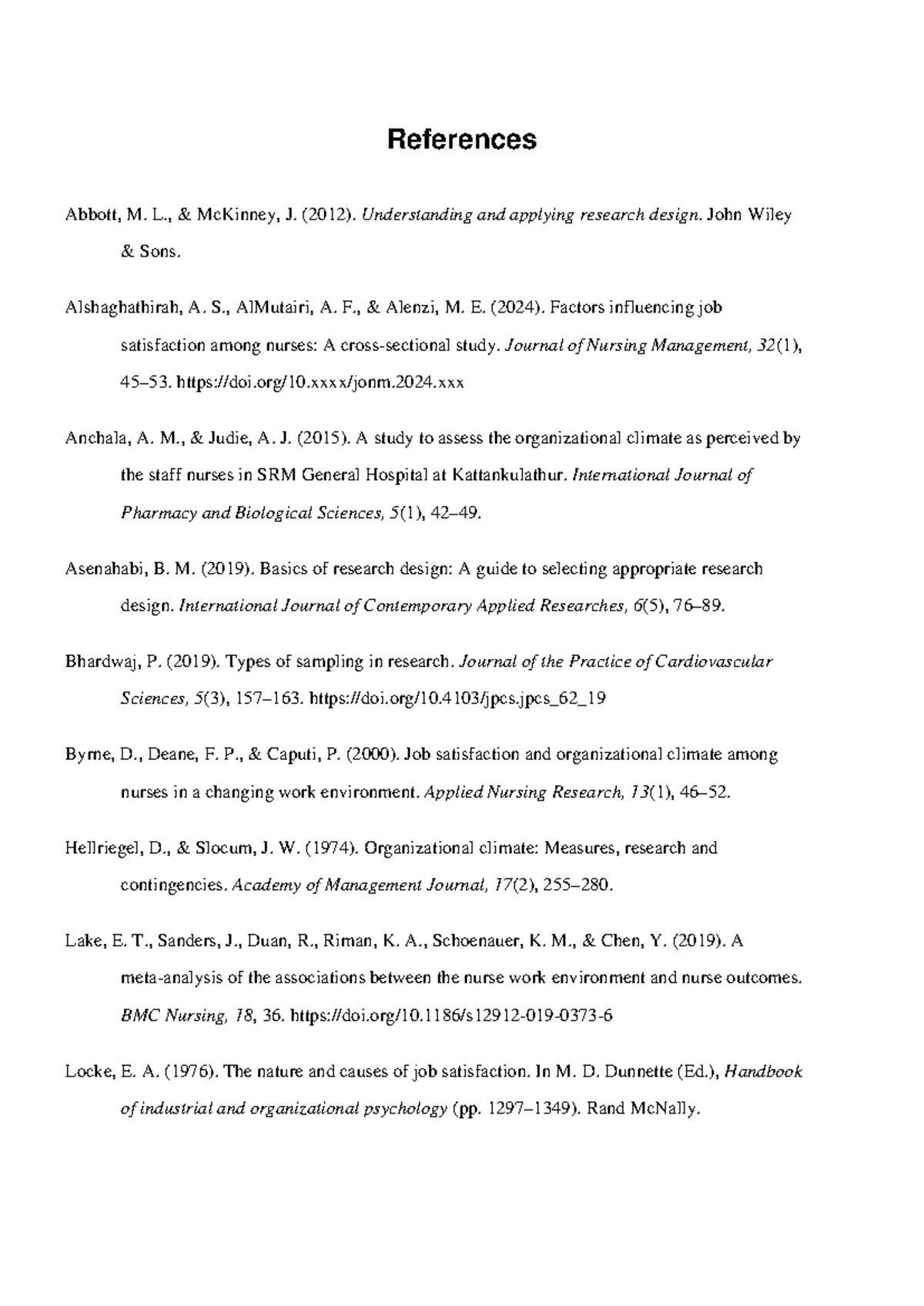
The reference list acts as a bibliography of every work cited in your text. Unlike a general bibliography, the reference list only contains works that were actually used to support your arguments. The list is organized alphabetically by the first author's surname. Every entry must follow a rigid sequence: Author, Date, Title, and Source.
Core Components of a Reference Entry
To build a professional reference entry, you must standardize how you present information. While the APA manual covers dozens of source types, the vast majority of psychological research relies on peer-reviewed journal articles.
| Component | Function | Requirements |
|---|---|---|
| Author | Identification | List all authors by last name and initials; include up to 20 names. |
| Date | Currency | Use the year of publication in parentheses; include month/day if applicable. |
| Title | Subject | Use sentence case for article titles; use italics for book or journal titles. |
| Source | Retrievability | Provide the journal name, volume, issue number, and DOI or URL. |
The Digital Object Identifier (DOI) is a crucial component of modern psychological research. A DOI is a permanent link assigned to a document. Since 2026, researchers are expected to prioritize DOIs over URLs for all electronic sources, as they provide a stable, unchanging path to the research regardless of changes to a publisher's website structure.
Navigating Different Types of Psychological Sources
Psychology research often spans diverse formats, each with specific formatting rules. Confusing these can lead to citation errors that undermine the professionalism of your paper.
Peer-Reviewed Journal Articles
These are the most common sources. When referencing these, you must include the journal title in italics and the volume number in italics. If the journal utilizes issue numbers, those appear in parentheses immediately following the volume, but not in italics. For example: Journal of Applied Psychology, 105(4), 320-335.
Books and Edited Chapters
Books require the publisher’s name. If you are citing a chapter in an edited book (where different experts write different chapters), you must include the editor's names, the chapter title, and the book title. This distinction is vital because the chapter author may be different from the editor of the entire volume.
Online Sources and Gray Literature
The term "gray literature" refers to research produced outside of traditional commercial or academic publishing channels, such as government reports or white papers. When citing these, you should provide as much descriptive information as possible—including the organization name and the specific URL—to ensure the reader can find the document.
Common Mistakes and How to Avoid Them
Even experienced researchers encounter pitfalls when compiling references. Below are the most frequent errors and strategies to mitigate them.
- Inconsistency in Author Formatting: Ensure that you use the same initials-and-surname format throughout the list. Never flip to "Firstname Lastname" for some entries and "Lastname, F." for others.
- Missing DOIs: With the growth of digital repositories, failing to include a DOI is a significant oversight. Always verify that your citations include these unique identifiers.
- Punctuation Errors: APA style is unforgiving regarding periods and commas. For example, a period is required after the author's initials and after the publication year, but not after a DOI or a long URL.
- Incorrect Capitalization: Remember that in APA style, journal and book titles use "title case" (capitalizing major words), while the titles of articles and book chapters use "sentence case" (capitalizing only the first word and proper nouns).
Verification Strategies for Research Integrity
Before submitting any research in 2026, you should perform a manual "audit" of your references. This involves cross-referencing every entry in your list against every in-text citation in your manuscript. If a source appears in the text, it must appear in the list. Conversely, if a source appears in the list but not in the text, it should be removed.
Furthermore, utilize bibliographic management software—such as Zotero, Mendeley, or EndNote—to handle formatting. While these tools are highly effective, they are not infallible. You must verify that the software has pulled the correct metadata, especially for edited books or unusual publication formats, as the software often defaults to generic settings that may not align with the strict requirements of your target journal or academic institution.
Integrating Ethical Considerations
The ultimate goal of understanding references is to maintain ethical standards. Plagiarism in psychology is not merely limited to copying text; it extends to the misrepresentation of sources and the improper attribution of theories. When you paraphrase an idea, you must still provide a citation. The act of "patchwriting"—taking a source and merely swapping out a few synonyms—is still considered a form of plagiarism if the original structure and ideas are not properly credited.
Transparency in your referencing demonstrates that you have performed a thorough review of the literature. It shows your audience that you are not operating in a vacuum but are building upon a foundation of established psychological knowledge.
Frequently Asked Questions
What should I do if a source has no date? If a source lacks a date, use the abbreviation "(n.d.)" in place of the year. This stands for "no date" and informs the reader that the information is undated, which is important for evaluating the current relevance of the work.
How do I cite a source that has more than 20 authors? For works with 21 or more authors, list the first 19 authors, insert an ellipsis (three dots), and then provide the name of the final author. This prevents the reference list from becoming overly long while still providing adequate identification of the research team.
Is it acceptable to cite a source that I found cited in another article? This is known as a "secondary citation." You should avoid this whenever possible by locating the original source. If the original is truly unavailable, you must cite the secondary source in your reference list and use the phrase "as cited in" within your in-text citation to show the reader that you did not consult the primary document directly.
Can I use AI-generated content in my references? If you utilize AI models for data analysis or literature synthesis, these should be disclosed according to the guidelines set by your institution or publication. However, AI cannot be listed as an "author" in the traditional sense, as it lacks the capacity for intellectual responsibility required in psychological research.
Next Actions for Psychological Researchers
To improve your referencing practice, start by creating a standardized template for your most common source types. If you frequently cite journal articles, keep a template that highlights the correct placement of italics and parentheses.
Before your next deadline, perform a final review using the official APA Style guidelines available through the APA Style website. By automating the mechanical aspects of referencing through software and manually auditing the output for nuances, you ensure that your research remains credible, professional, and accessible to the broader psychological community.
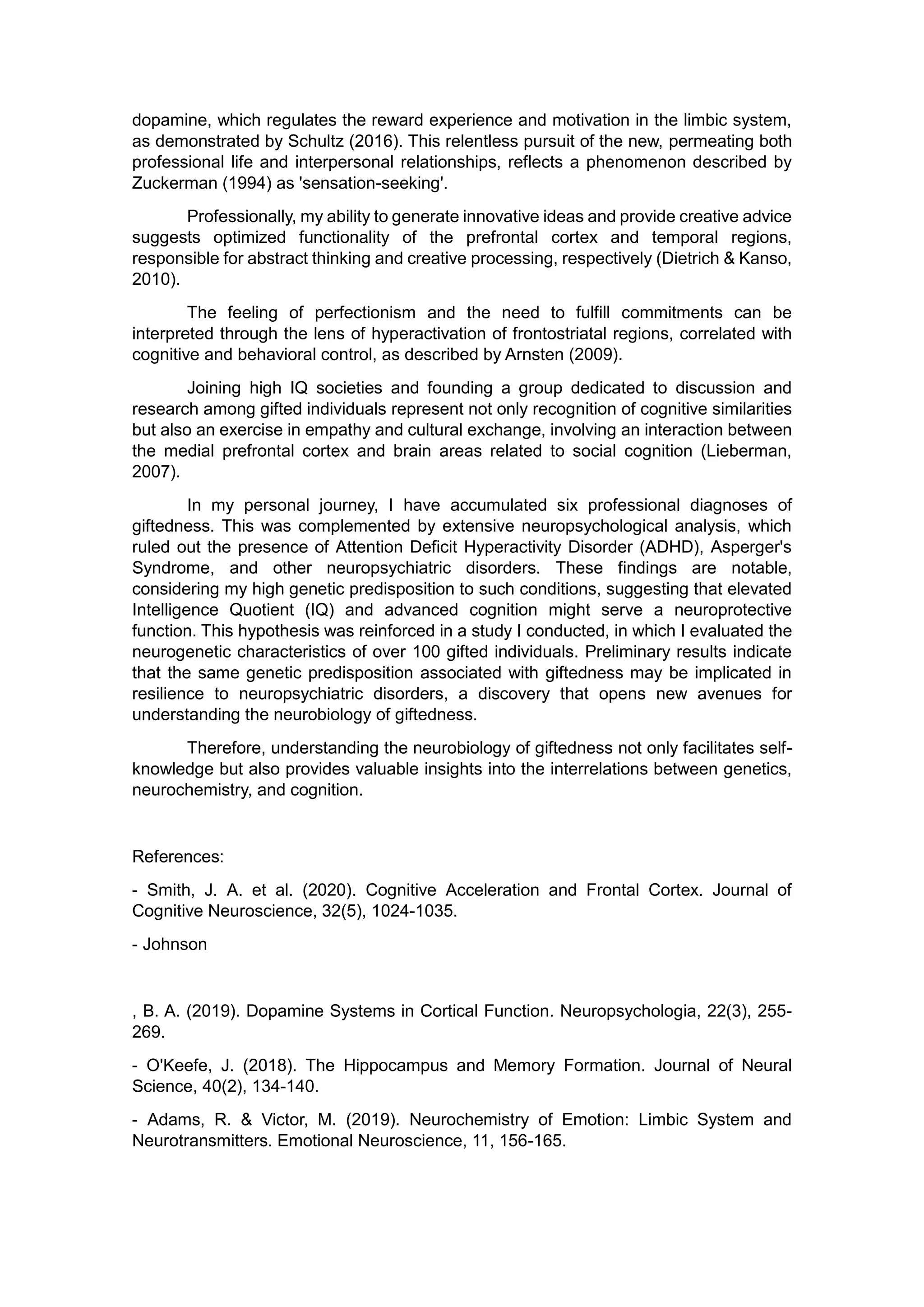
Image Gallery
Select an image to open it in a new tab.



Vivian Cho
Executive IT and Emerging Technologies Reporter
