
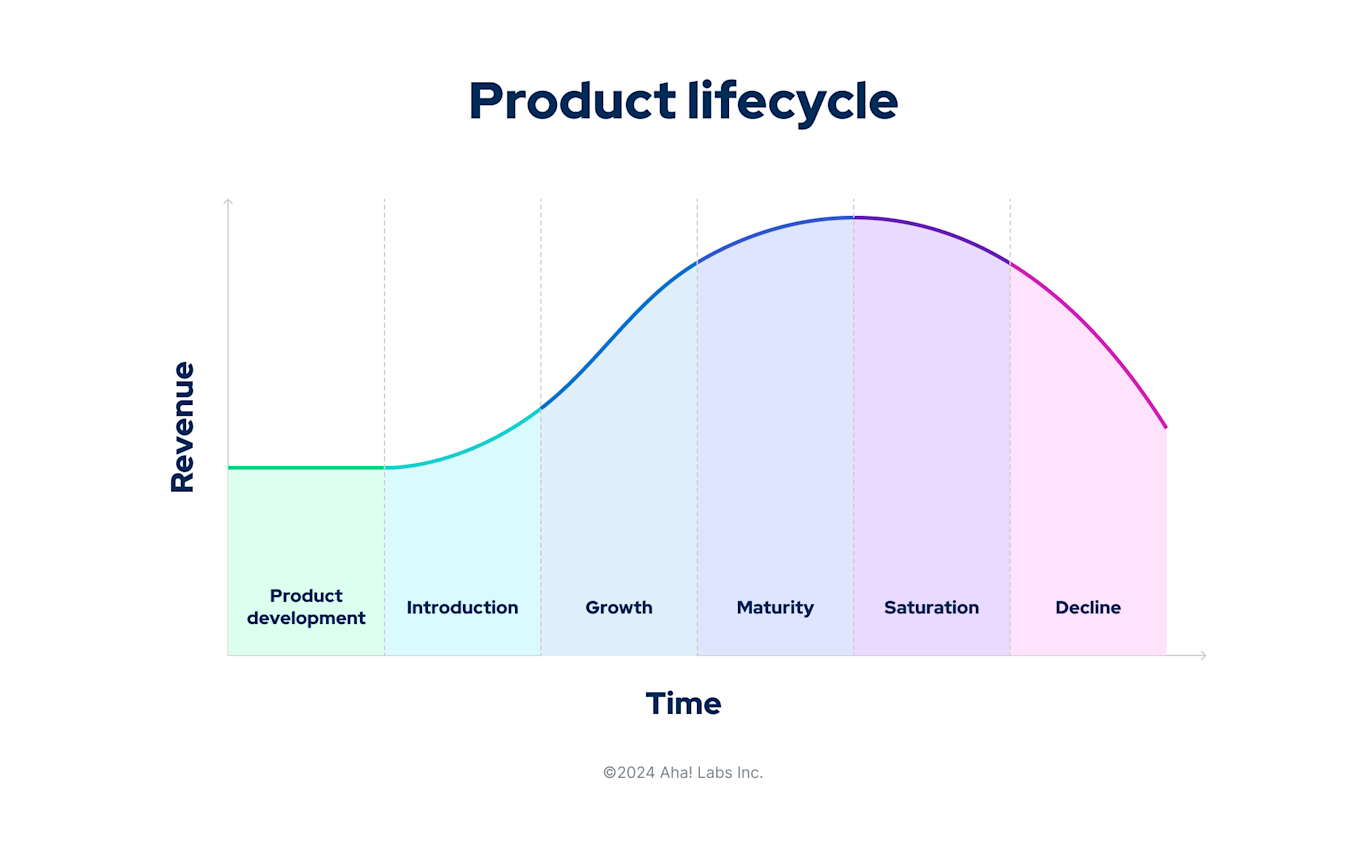
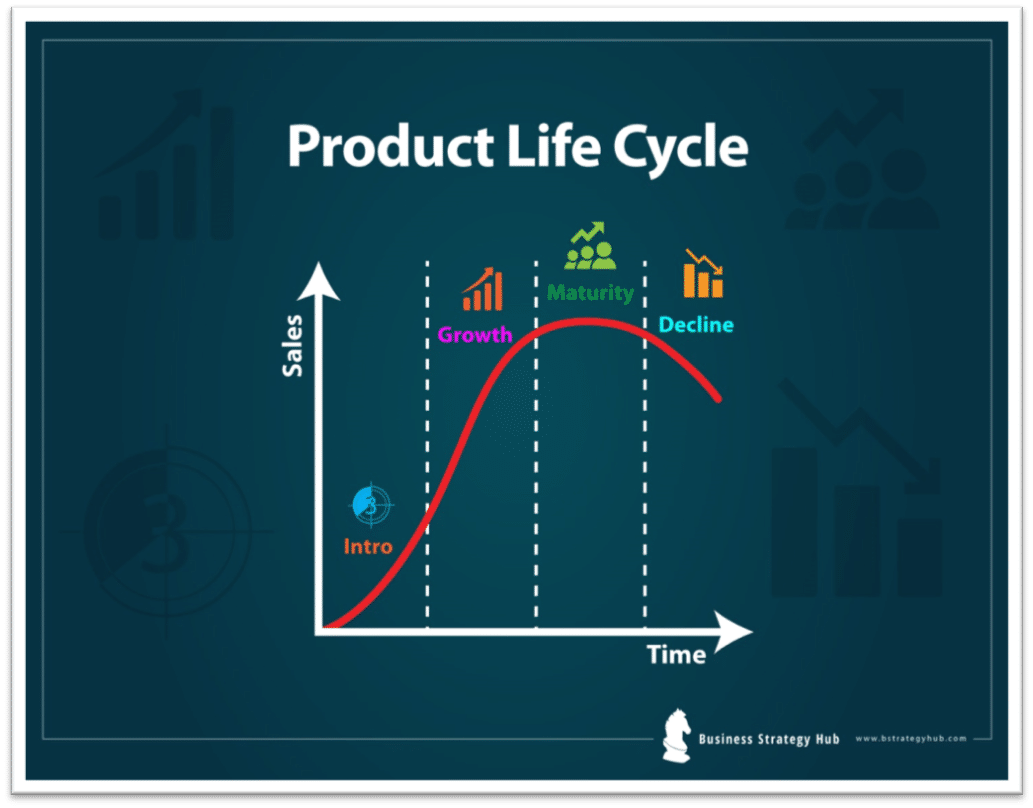
The Product Life Cycle (PLC) is a management and marketing framework that describes the stages a product passes through from its initial development and introduction to the market until its eventual withdrawal or obsolescence. By analyzing these stages—Introduction, Growth, Maturity, and Decline—businesses can make informed decisions regarding pricing, advertising, expansion, and resource allocation to maximize long-term profitability.
Understanding the Product Life Cycle is essential for any organization seeking to maintain a competitive edge in 2026. As markets become increasingly saturated and consumer preferences shift toward sustainable and digitally integrated solutions, the ability to identify where a product sits on this curve determines its survival. The PLC is not merely a theoretical model; it is a practical roadmap used by product managers and executives to navigate the complexities of market dynamics.
The Foundation of the Product Life Cycle Concept
The concept of the Product Life Cycle is rooted in the observation that products, like living organisms, have a limited lifespan. While some products like Coca-Cola seem to defy the traditional curve by staying in a state of "extended maturity" for decades, most consumer and industrial goods follow a predictable path. In the economic landscape of 2026, where rapid technological iteration is the norm, these cycles have generally shortened, making the "Introduction" and "Growth" phases more critical than ever.
The primary objective of monitoring the PLC is to anticipate changes in sales volume and profit margins. During the early stages, costs are high, and profits are often negative. As the product gains traction, the organization enters a period of capital recovery and profit maximization. Finally, as the product loses relevance, the focus shifts to cost reduction or strategic exit. This structured approach allows firms to avoid the "sunk cost fallacy," where they continue to invest in a failing product long after its market viability has vanished.
The Preliminary Phase: Product Development
Before a product ever reaches the "Introduction" stage, it undergoes a rigorous Development phase. This is often referred to as "Stage Zero" or the "Valley of Death" because it involves significant capital expenditure with zero revenue. In 2026, this phase is heavily influenced by rapid prototyping, AI-driven market simulation, and intensive R&D.
During development, the focus is on refining the Minimum Viable Product (MVP) and conducting beta tests. The costs associated with this stage include intellectual property filings, manufacturing setup, and preliminary marketing research. The duration of this stage varies wildly; a software-as-a-service (SaaS) update might take weeks, whereas a new medical device or a hydrogen-powered vehicle might spend years in development. Because there is no external sales data, the development phase relies on internal milestones and investor confidence.

Stage 1: Introduction – The Market Entry
The Introduction stage begins when the product is first launched into the marketplace. This is a high-stakes period characterized by low sales and high promotional expenses. The primary goal here is to build product awareness and establish a foothold in the target segment.
Characteristics of the Introduction Stage
In the Introduction phase, the market is often unfamiliar with the product’s benefits. Companies must invest heavily in "Primary Demand" advertising—educating the consumer on why they need this category of product in the first place, rather than why they should choose one brand over another.
- Pricing Strategy: Many firms use either "Price Skimming" (setting a high price to recover R&D costs from early adopters) or "Penetration Pricing" (setting a low price to capture market share quickly).
- Distribution: Distribution is typically selective. Brands may partner with specific retailers or platforms to maintain an aura of exclusivity or to manage limited initial inventory.
- Competition: Competition is usually low in this phase, as the product is often innovative or serves a niche that others have not yet entered.
Real-World Example: Augmented Reality (AR) Contact Lenses
In 2026, high-end AR contact lenses are in the late Introduction stage. While the technology exists, it is expensive and requires significant consumer education regarding safety and utility. Companies are spending millions on demonstrations and "tech-influencer" partnerships to move the product from a futuristic novelty to a functional tool.
Stage 2: Growth – Scaling and Market Acceptance
If the product survives the Introduction stage, it enters the Growth phase. This is often the most rewarding period for a business, characterized by a rapid increase in sales and the first signs of significant profit. The market has accepted the product, and word-of-mouth begins to supplement formal marketing efforts.
The Shift to Brand Preference
In the Growth stage, the marketing focus shifts from "Primary Demand" to "Selective Demand." Since competitors have likely noticed the product’s success and launched their own versions, the original company must now prove why its specific brand is superior.
- Market Expansion: Companies often introduce new features, flavors, or versions of the product to appeal to different segments.
- Distribution Intensity: The goal moves from selective distribution to intensive distribution. The product needs to be available wherever the consumer expects to find it.
- Pricing Adjustments: Prices may remain stable or slightly decrease as economies of scale reduce the cost per unit, allowing the company to stay competitive against new entrants.
Real-World Example: Solid-State Batteries for EVs
By 2026, solid-state battery technology for electric vehicles has entered the Growth stage. Production has scaled, costs are falling, and multiple automotive manufacturers are competing for dominance. The focus is no longer on "Why buy an EV?" but rather "Why buy an EV with our battery technology?"
Stage 3: Maturity – Peak Competition and Saturation
The Maturity stage is typically the longest phase of the PLC. Sales continue to grow but at a much slower rate, eventually leveling off. Most consumers who want the product already own it or have tried it. This stage is marked by intense competition and "price wars" as companies fight for every percentage point of market share.
Maintaining Market Share
In Maturity, the primary objective is to defend market share and extend the life of the product for as long as possible. Because the market is saturated, growth often comes at the expense of competitors rather than from new market entrants.
- Product Modification: This involves changing characteristics such as quality, features, or style to attract new users or inspire more usage. For example, a software company might shift to a subscription-only model with constant cloud updates.
- Market Modification: Finding new geographic markets or new target demographics that haven't been fully tapped.
- Marketing Mix Modification: Adjusting prices, improving the "customer experience," or launching aggressive promotion campaigns to keep the brand top-of-mind.
Real-World Example: Smartphones
The smartphone industry in 2026 is a classic example of a Mature market. Innovation is incremental rather than revolutionary. Manufacturers focus on brand ecosystem loyalty, trade-in programs, and bundled services (like cloud storage and streaming) to keep users from switching to a rival brand.
Stage 4: Decline – The Final Phase
Every product eventually enters the Decline stage. This occurs when sales drop significantly due to technological advances, shifts in consumer tastes, or increased global competition. For many companies, the Decline stage is a period of "harvesting" or "divesting."
Strategies for Declining Products
When a product enters decline, management must decide whether to maintain the brand in hopes that competitors will leave the market (the "last man standing" strategy), harvest the product (reducing costs to a minimum and milking the remaining sales), or drop the product entirely.
- Phase-Out: Gradually reducing the product's presence until it is discontinued.
- Niche Concentration: Moving the product into a "specialty" category. An example of this is the resurgence of vinyl records; once a declining medium, it found a new life as a high-end niche product.
- Technology Replacement: Often, the decline of one product is directly linked to the growth of another. The decline of traditional cable television is a direct result of the growth of streaming platforms.
Real-World Example: Internal Combustion Engine (ICE) Vehicles
In many regions by 2026, traditional gasoline-only vehicles are entering the early stages of Decline. Regulatory pressures and the massive shift toward hybrid and electric alternatives mean that manufacturers are scaling back R&D for ICE engines and focusing on clearing existing inventory before full transitions.
Comparative Overview of PLC Stages
The following table summarizes the key metrics and strategies across the four primary stages of the Product Life Cycle.
| Feature | Introduction | Growth | Maturity | Decline |
|---|---|---|---|---|
| Sales | Low | Rapidly Rising | Peak / Leveling | Falling |
| Costs | High per customer | Average per customer | Low per customer | Low per customer |
| Profits | Negative / Low | Rising | High / Stable | Declining |
| Customers | Innovators | Early Adopters | Middle Majority | Laggards |
| Competitors | Few | Increasing | Stable / Declining | Reducing |
| Marketing Goal | Create Awareness | Maximize Share | Defend Share | Reduce Expenditure |
| Pricing | Skimming or Penetration | Stable / Competitive | Defensively Low | Cut Price |
| Distribution | Selective | Intensive | Highly Intensive | Selective / Phase-out |
Factors Influencing the Length of the Cycle
Not all products move through these stages at the same speed. Several factors in the 2026 economic environment influence the "velocity" of a product's life cycle:
- Rate of Technological Change: In industries like consumer electronics or AI software, the life cycle is compressed. A product might move from Introduction to Decline in under 24 months.
- Market Acceptance: Products that solve an immediate, painful problem (like a new medical cure) move through the Introduction and Growth phases much faster than "want-based" luxury goods.
- Ease of Competitive Entry: If a product is easy to copy or lacks strong patent protection, the Growth phase will be shorter as competitors flood the market, pushing the product into Maturity prematurely.
- Regulatory Environment: Government mandates—such as carbon taxes or plastic bans—can artificially accelerate the Decline stage for certain products while forcing the Introduction of others.
Common Pitfalls in PLC Management
Misidentifying the stage of a product can lead to disastrous financial decisions. A common mistake is "premature abandonment," where a company assumes a product is in Decline when it is actually experiencing a temporary plateau in the Maturity stage. Conversely, "fossilization" occurs when a company continues to pump marketing dollars into a product that is fundamentally obsolete, hoping for a "turnaround" that will never come.
Another error is failing to prepare the next product during the Maturity phase of the current one. Successful companies use the cash flow from their Mature products (the "Cash Cows") to fund the Introduction and Growth of their next-generation products (the "Rising Stars"). This creates a continuous loop of innovation that ensures organizational longevity even as individual products die off.
Frequently Asked Questions
Can a product return to the Growth stage after entering Decline?
Yes, this is often referred to as a "Life Cycle Extension" or "Product Rejuvenation." By finding a new use for the product, targeting a completely different demographic, or updating the technology (e.g., adding AI features to a traditional appliance), a company can trigger a new period of growth. A classic example is the revitalization of old fashion trends or the rebranding of "legacy" software as modern "cloud-native" solutions.
What is the "Death Valley" in the Product Life Cycle?
The "Death Valley" refers to the transition between the Development and Introduction phases. It is the period where the most significant amount of capital is at risk. Many startups fail here because they run out of funding before the product achieves enough market traction to generate self-sustaining revenue.
How do modern digital products differ in their life cycle?
Digital products, especially SaaS and mobile apps, often have a "Continuous Maturity" phase. Because updates can be pushed instantly, the product can be modified daily to prevent decline. However, they also face much faster Introduction-to-Growth transitions because digital distribution (app stores and web) allows for global reach in a matter of hours.
Is the Maturity stage always the most profitable?
Generally, yes. During Maturity, the manufacturing processes are fully optimized, and the "learning curve" has resulted in the lowest possible production costs. Furthermore, because the brand is well-established, the company can often reduce its marketing spend compared to the Growth stage, leading to the highest net profit margins.
Why do some products stay in Maturity for decades?
Products that serve a fundamental human need or have incredibly strong brand equity—like salt, flour, or iconic beverages—can stay in Maturity indefinitely. These are often called "Staple Products." They stay relevant through minor packaging updates and by maintaining a "top-of-mind" presence in consumer culture, successfully resisting the Decline stage.
Strategic Recommendations for 2026
To effectively manage a product's life cycle in the current environment, organizations should prioritize data-driven monitoring. Utilizing real-time analytics and sentiment analysis allows managers to detect the subtle shifts that signal a transition from Growth to Maturity or Maturity to Decline.
Secondly, businesses must embrace circular economy principles. In 2026, a product's "Decline" stage should ideally lead into a "Recycling" or "Repurposing" stage. Designing products for disassembly and reuse not only meets regulatory requirements but also provides a "second life" for materials, potentially lowering the costs of the next product's Development phase.
Finally, do not wait for a product to enter Decline before innovating. The most successful firms are their own biggest competitors; they launch new products that intentionally cannibalize their Mature products, ensuring that they—not a rival—capture the next wave of market growth.
Image Gallery
Select an image to open it in a new tab.


Mateo Castillo
Decentralized Finance and E-Payments Strategist
