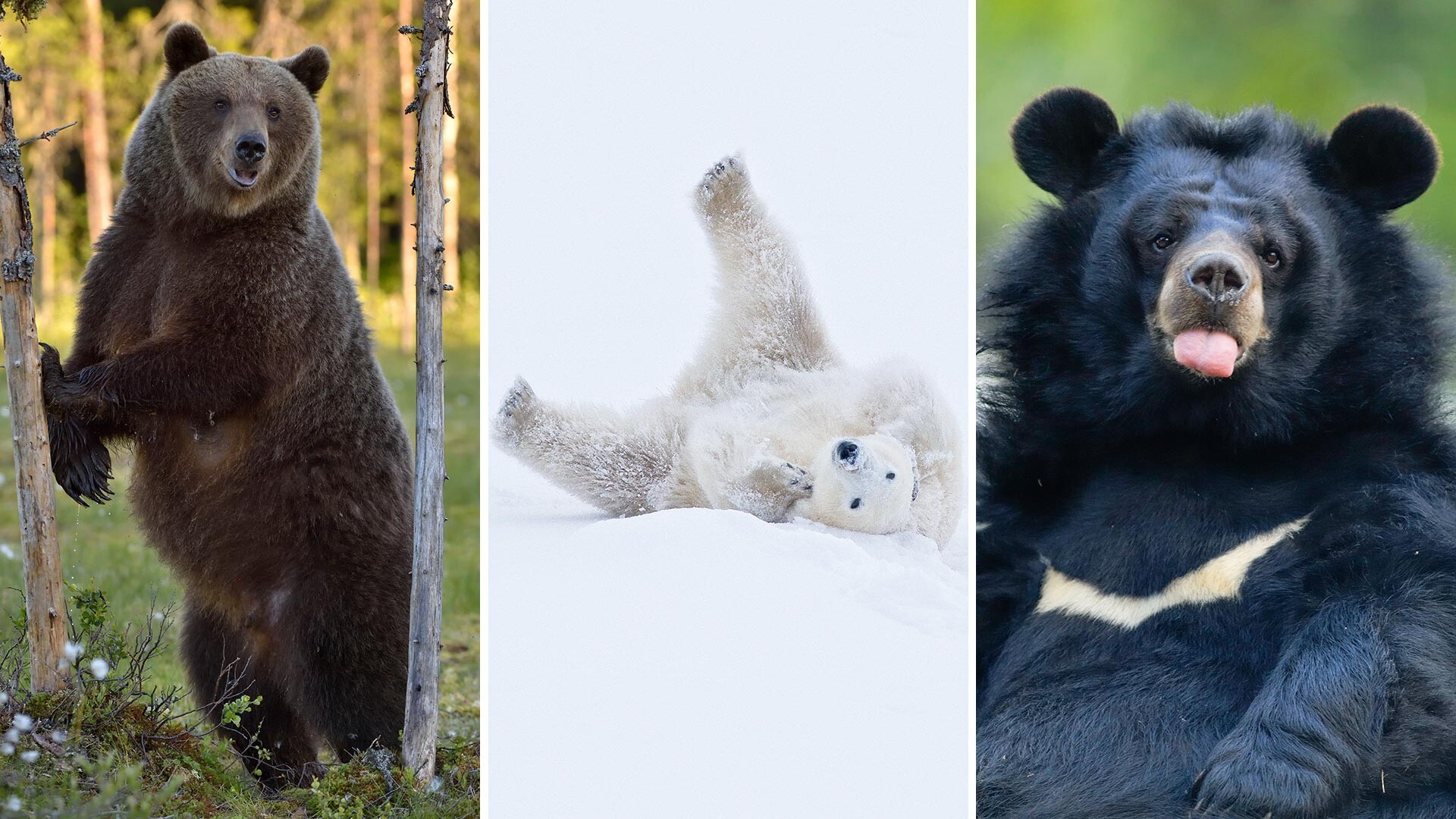
Polar bears live in Russia across the vast Arctic coastline and its peripheral islands, from the Barents Sea in the west to the Chukchi Sea in the east. Russia is home to approximately one-third of the global polar bear population, distributed across four main sub-populations that rely on the seasonal sea ice for hunting, breeding, and migration.
Geographic Distribution Across the Russian Arctic
Russia possesses the longest Arctic coastline of any nation, spanning over 24,000 kilometers. This vast territory provides a diverse array of habitats for Ursus maritimus. The distribution of polar bears in Russia is categorized into several distinct sub-populations, each facing unique environmental conditions and ecological pressures.
The Barents Sea Population
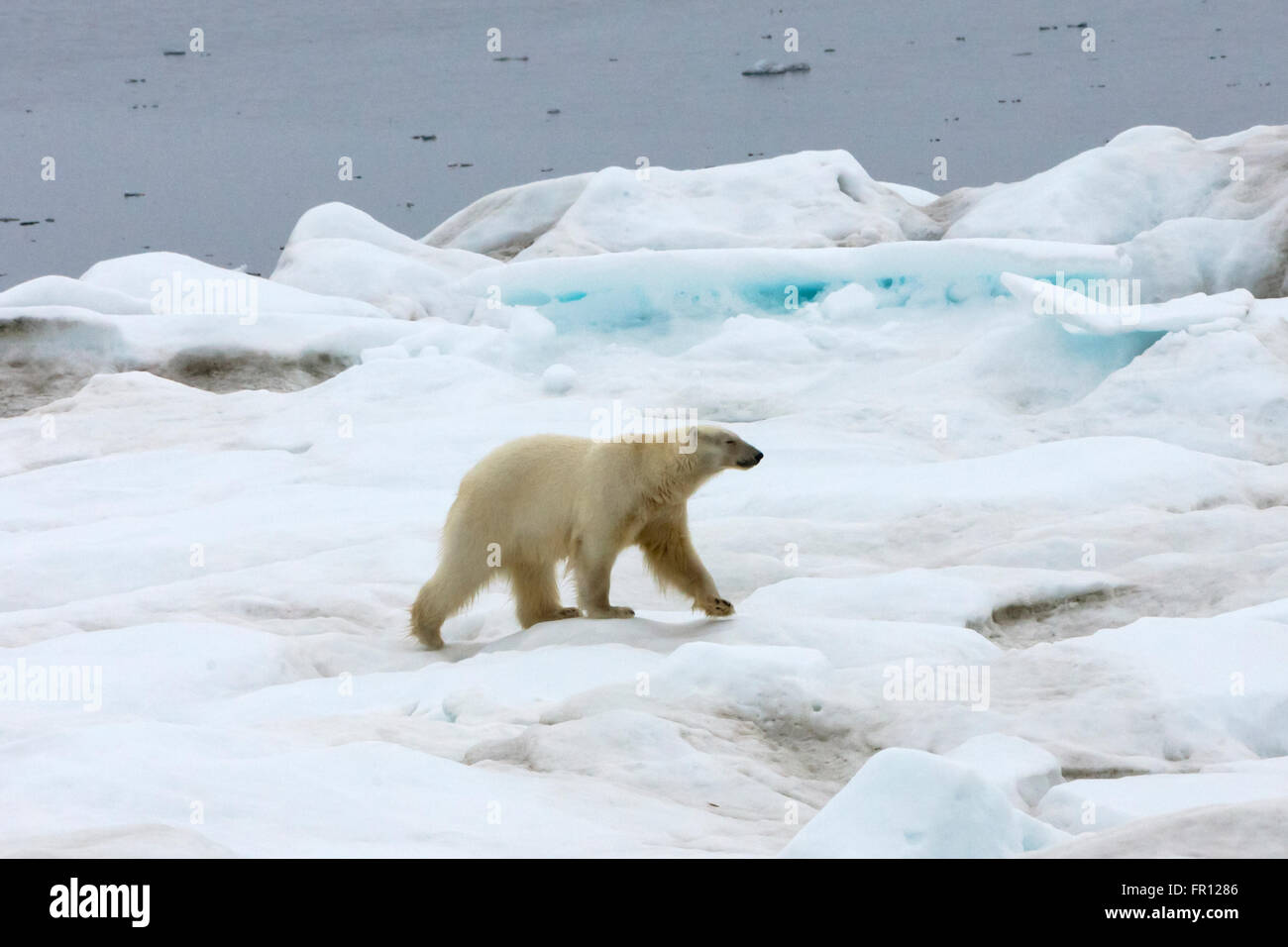
The Barents Sea sub-population is shared between Russia (specifically the Franz Josef Land archipelago) and Norway (Svalbard). This region is characterized by high biological productivity due to the influx of warm Atlantic currents. However, it is also the area experiencing the most rapid loss of sea ice in the entire Arctic. In 2026, researchers continue to monitor how these bears adapt to "ice-free" summers, often observing them remaining on the islands of Franz Josef Land for longer periods, scavenging or hunting land-based prey when the sea ice retreats too far north.
The Kara Sea Population
Moving eastward, the Kara Sea population inhabits the waters between Novaya Zemlya and the Severnaya Zemlya archipelago. This region is a critical transit corridor for the species. The bears here are known for long-distance migrations following the seasonal advance and retreat of the pack ice. Industrial activity, particularly liquefied natural gas (LNG) shipping through the Northern Sea Route, has become a primary focal point for conservationists monitoring this specific group in 2026.
The Laptev Sea Population
The Laptev Sea serves as a central hub for Russian polar bears. This population is relatively isolated and has historically been one of the least studied due to the extreme remoteness of the New Siberian Islands. Scientific expeditions in recent years have confirmed that this sub-population remains relatively stable compared to those in the western Arctic, though the thinning of multi-year ice remains a long-term concern for maternal denning success.
The Chukchi Sea and Wrangel Island
The Chukchi Sea sub-population, shared with the United States (Alaska), is often cited as one of the most resilient. This area includes Wrangel Island, frequently referred to as the "maternity ward" of the polar bear world. Wrangel Island UNESCO World Heritage site hosts the highest density of polar bear dens in the world. Each year, hundreds of pregnant females congregate here to give birth in snow drifts. The high abundance of ringed and bearded seals in the Chukchi Sea provides a rich caloric base, allowing this population to maintain higher body condition indices than those in the Beaufort Sea.
The Biological Importance of Russian Denning Sites
For polar bears to survive in Russia, the availability of terrestrial denning sites is as crucial as the presence of sea ice. While polar bears spend the majority of their lives on the ice, pregnant females must retreat to land (or very stable fast ice) to give birth.
In Russia, specific geographic features make certain areas indispensable:
- Deep Snow Accumulation: Females require deep snowbanks that do not melt prematurely. The hilly terrain of Wrangel Island and the northern parts of the Taimyr Peninsula provide the perfect topography for these snowdrifts.
- Proximity to Leads: A "lead" is an opening in the sea ice. Denning sites must be close enough to productive leads so that when the mother emerges in the spring with her cubs, she has immediate access to hunting grounds to replenish her depleted fat reserves.
- Stability from Human Disturbance: As industrialization of the Russian Arctic accelerates, the preservation of "quiet zones" around traditional denning areas has become a priority for the Ministry of Natural Resources and Environment.

Conservation Status and Legal Protections in 2026
The legal status of polar bears in Russia is governed by federal law and international agreements. Unlike some other Arctic nations, Russia has maintained a strict ban on the trophy hunting of polar bears since 1956.
The Red Data Book of the Russian Federation
The polar bear is listed in the Red Data Book of the Russian Federation, which is the primary document for identifying rare and endangered species. The species is categorized based on the vulnerability of specific sub-populations:
- Category 3 (Rare): Laptev Sea population.
- Category 4 (Status Undefined): Kara Sea population (due to data gaps).
- Category 5 (Recovering): Parts of the Chukchi Sea population, which showed significant growth in the late 20th century.
International Agreements
Russia is a signatory to the 1973 Agreement on the Conservation of Polar Bears. In 2026, bilateral cooperation between Russia and the United States regarding the Chukchi Sea population remains a critical framework for managing the shared stock, ensuring that subsistence quotas (primarily for indigenous communities in Alaska) do not negatively impact the overall health of the population that dens on Russian soil.
Environmental Challenges and the 2026 Landscape
The primary threat to polar bears living in Russia remains the loss of their primary habitat: sea ice. Polar bears are specialized hunters of ice-dependent seals. Without a platform from which to hunt, they cannot accumulate the fat required to survive the lean summer months.
Sea Ice Fragmentation
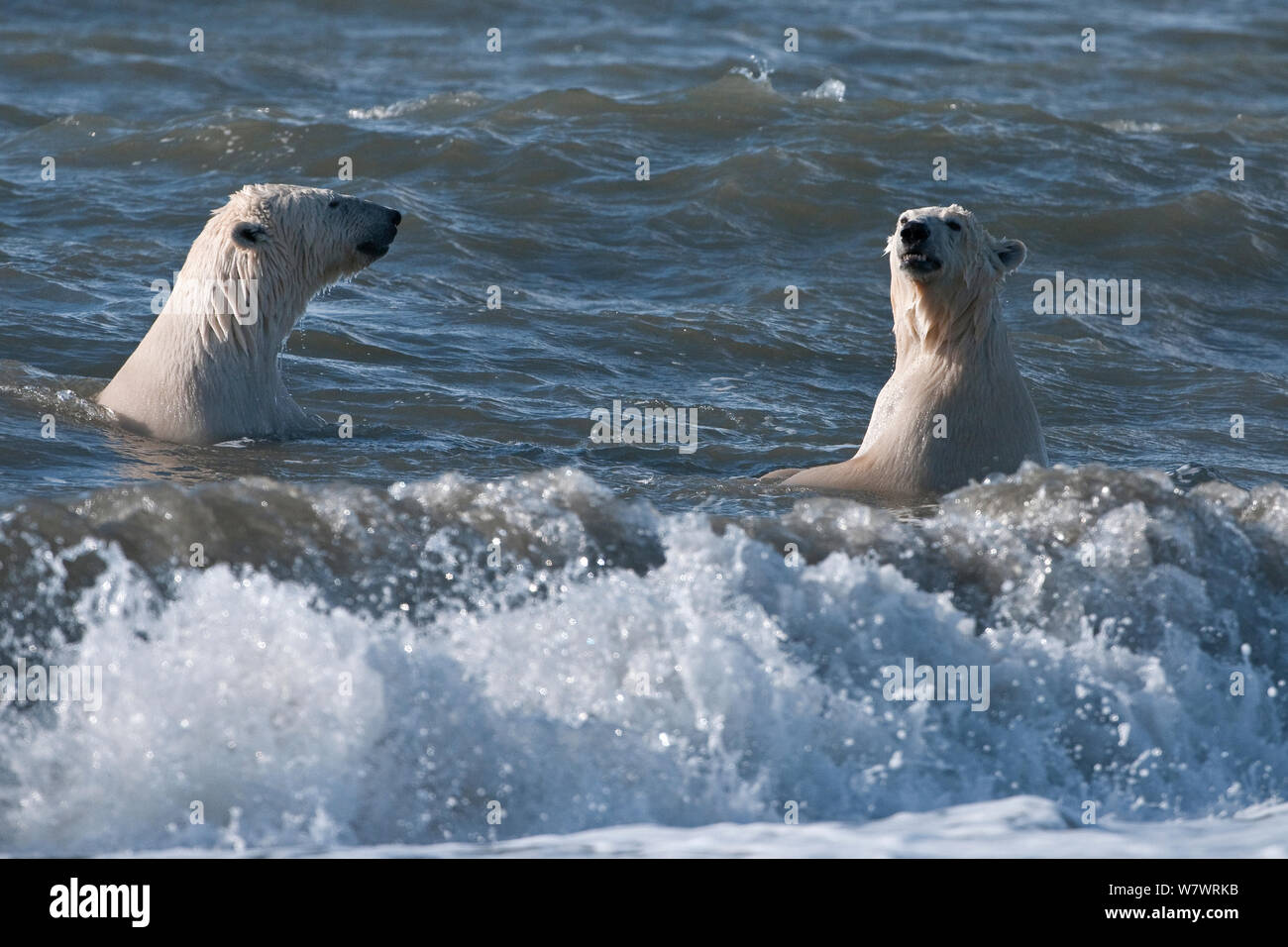
As the Arctic warms, the ice is not only melting earlier but is also becoming more fragmented. This forces bears to swim longer distances, which is particularly dangerous for young cubs. In the Barents and Kara Seas, the "ice-free" window has expanded significantly over the last decade, leading to more frequent sightings of bears on the mainland.
Industrial Development and the Northern Sea Route
The Russian government’s push to develop the Northern Sea Route (NSR) as a major global shipping lane introduces new risks. Increased maritime traffic brings noise pollution, the risk of oil spills, and physical disturbance to the ice. However, 2026 regulations require all vessels operating in the NSR to follow strict environmental protocols, including "bear-aware" navigation to avoid breaking ice in known denning or feeding corridors during sensitive periods.
Pollution and Bioaccumulation
As apex predators, polar bears are subject to the bioaccumulation of persistent organic pollutants (POPs) and heavy metals. These toxins are carried north by atmospheric currents and river discharge (such as from the Ob and Yenisei rivers) and concentrate in the blubber of seals, which the bears then consume. This can lead to endocrine disruption and lower reproductive success.
Human-Polar Bear Conflict Mitigation
With the retreat of sea ice, more polar bears are spending time on the Russian mainland, leading to increased encounters with human settlements. Towns like Belushya Guba in Novaya Zemlya and villages in Chukotka have historically experienced "bear invasions."
To manage this, Russia has implemented several mitigation strategies:
- The Bear Patrol (Umka-Patrol): These are community-led groups, often supported by NGOs and the government, that use non-lethal methods (flares, rubber bullets, vehicles) to drive bears away from residential areas.
- Improved Waste Management: Polar bears are attracted to the smell of food waste. Encasing garbage in bear-proof containers and moving landfills away from town perimeters has significantly reduced the number of bears entering settlements.
- Education Programs: Arctic residents and industrial workers undergo mandatory training on how to behave during a bear encounter, emphasizing that a bear on land is often a stressed, hungry animal.
Comparison of Russian Polar Bear Sub-populations (2026 Data)
| Sub-population | Primary Habitat | Estimated Status | Primary Threat (2026) |
|---|---|---|---|
| Barents Sea | Franz Josef Land, Svalbard | Declining/Vulnerable | Rapid sea ice retreat |
| Kara Sea | Novaya Zemlya, Severnaya Zemlya | Stable/Data Poor | Industrial shipping (NSR) |
| Laptev Sea | New Siberian Islands | Stable | Climate-driven ice thinning |
| Chukchi Sea | Wrangel Island, Chukotka | Stable/Productive | Illegal poaching / Loss of ice |
Scientific Monitoring and Research Initiatives
Monitoring polar bears in the vast Russian wilderness requires advanced technology. In 2026, Russian scientists from the Severtsov Institute of Ecology and Evolution and the Arctic and Antarctic Research Institute (AARI) utilize a multi-layered approach to track the health of the species.
- Satellite Telemetry: Fitting female bears with GPS collars allows researchers to track migration patterns and identify new denning sites. (Note: Collars are rarely fitted to males because their necks are thicker than their heads, causing the collars to slip off).
- DNA Analysis: By collecting "environmental DNA" (eDNA) from tracks left in the snow or hair samples at rubbing posts, scientists can identify individual bears and assess genetic diversity without physical capture.
- Aerial Surveys: The use of long-range drones equipped with thermal imaging has replaced many manned helicopter flights, reducing both the cost and the disturbance to the animals. These surveys are essential for counting the number of cubs born on Wrangel Island each spring.
FAQ
Is it legal to hunt polar bears in Russia?
No, it is strictly illegal. Russia has maintained a total ban on the hunting of polar bears since 1956. The species is protected under the Red Data Book of the Russian Federation. Any poaching or illegal trade in polar bear parts carries heavy criminal penalties and fines.
Where is the best place to see polar bears in Russia?
Wrangel Island is the premier location for observing polar bears in their natural habitat. Known as the "polar bear maternity ward," it offers the highest probability of sightings, especially in late summer and autumn when bears are waiting for the ice to refreeze. However, access is strictly regulated and requires specialized expedition cruises.
How many polar bears live in Russia?
While exact numbers are difficult to pinpoint due to the Arctic's size, estimates suggest there are between 5,000 and 7,000 polar bears in the Russian sectors of the Arctic. This constitutes a significant portion of the global population, which is estimated to be between 22,000 and 31,000 individuals.
Why do polar bears enter Russian towns?
Bears enter towns primarily due to "nutritional stress" caused by the lack of sea ice. When the ice retreats, bears are forced onto land where natural food sources are scarce. They are attracted to towns by the smell of human food and waste. Climate change has made these occurrences more frequent as the ice-free season grows longer.
What is Russia doing to protect polar bear habitats?
Russia has established several large-scale protected areas, such as the Russian Arctic National Park and the Wrangel Island Nature Reserve. Additionally, the "Clean Arctic" project aims to remove millions of tons of abandoned Soviet-era fuel barrels and industrial waste that pose a chemical threat to the Arctic ecosystem.
Practical Recommendations for Arctic Safety and Awareness
If you are traveling to or working in the Russian Arctic, understanding the presence of polar bears is a safety necessity. Always travel in groups and remain vigilant in areas with low visibility, such as snowdrifts or rocky outcrops. It is recommended to carry non-lethal deterrents where permitted and to consult with local "Bear Patrol" experts regarding recent sightings. Supporting conservation efforts through reputable organizations that fund research on Wrangel Island and the Barents Sea remains the most effective way for the public to contribute to the survival of these iconic predators.
Image Gallery
Select an image to open it in a new tab.




Declan O'Connor
Higher Education and Campus Culture Reporter
