A Comprehensive Guide to Growing, Selecting, and Handling Hot Peppers

Mastering the world of hot peppers requires understanding the Scoville scale, selecting varieties suited to your climate, and employing proper cultivation and safety techniques. Whether you are aiming for mild culinary heat or record-breaking spice, success depends on managing soil nutrition, irrigation cycles, and heat-processing methods safely to avoid physical irritation.
Understanding the Scoville Heat Unit (SHU) Scale
The foundation of any hot pepper exploration is the Scoville Heat Unit (SHU) scale. Developed by Wilbur Scoville in 1912, this scale measures the concentration of capsaicinoids—the chemical compounds responsible for the "heat" or pungency in peppers. While modern science has shifted toward High-Performance Liquid Chromatography (HPLC) for precise measurements, the Scoville scale remains the industry standard for consumer-facing heat ratings.
The scale is not linear but logarithmic in perception. A bell pepper registers at 0 SHU, while the infamous Carolina Reaper can exceed 2,000,000 SHU. Understanding this range is critical for both the gardener and the cook. For the gardener, higher SHU varieties often require longer, hotter growing seasons. For the cook, recognizing these tiers prevents accidental oversights that can render a dish inedible or physically painful.
Selecting Varieties for Your Environment
When choosing which hot peppers to cultivate, you must align the plant's biological requirements with your local climate and space constraints. Most Capsicum chinense varieties (the family containing the hottest peppers) require consistent temperatures above 70°F (21°C) and a long, frost-free growing season.
Popular Cultivars by Heat Tier
| Variety | Average SHU Range | Ideal Use | Growing Difficulty |
|---|---|---|---|
| Poblano | 1,000 – 1,500 | Roasting, Stuffing | Moderate |
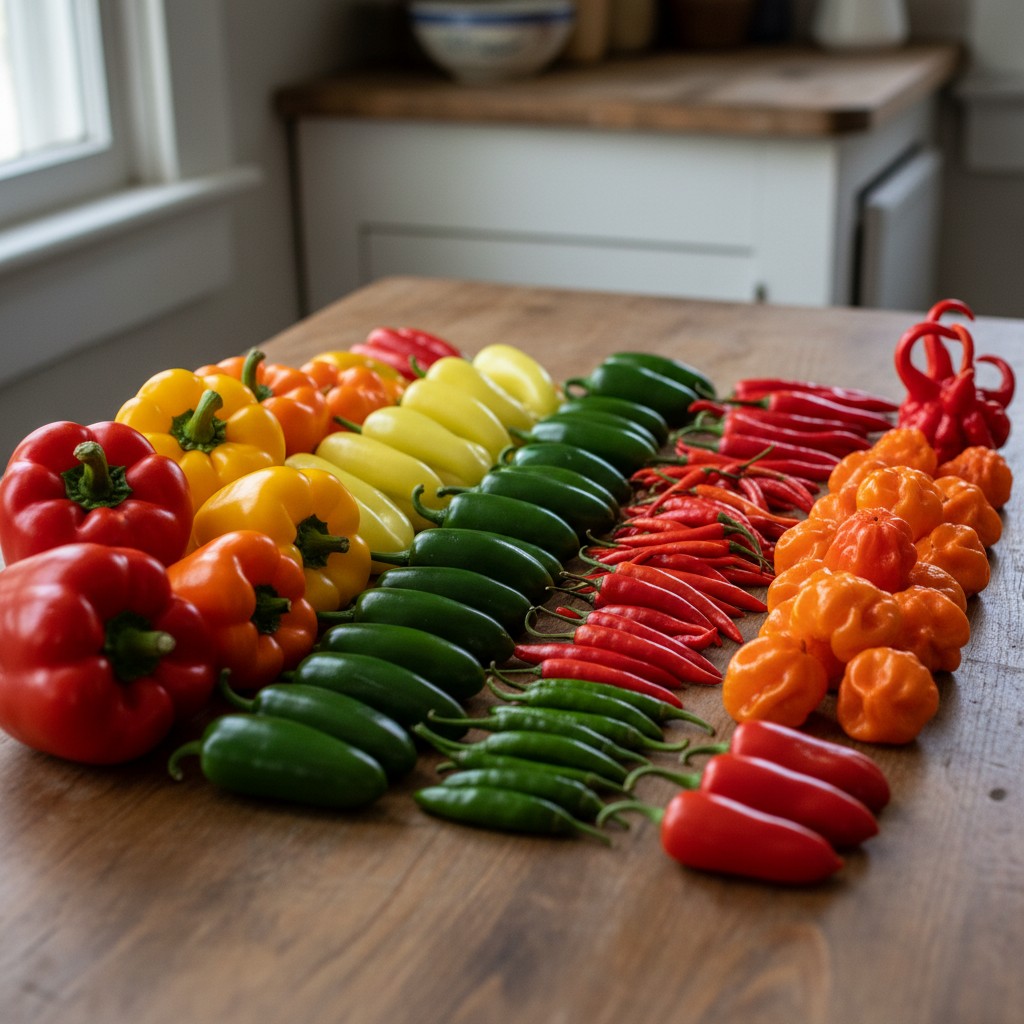
| Jalapeño | 2,500 – 8,000 | Salsas, Pickling | Easy |
| Serrano | 10,000 – 23,000 | Raw consumption | Moderate |
| Habanero | 100,000 – 350,000 | Hot sauces | Challenging |
| Carolina Reaper | 1,500,000 – 2,200,000 | Extreme challenges | Difficult |

Prerequisites for Successful Cultivation
Growing hot peppers successfully requires more than just seeds and soil. You are managing a plant that evolved in tropical climates. To achieve high yields, you must address three core pillars: substrate quality, thermal management, and nutrient scheduling.
Soil and Container Requirements
Hot peppers perform best in well-draining, slightly acidic soil with a pH between 6.0 and 6.8. If you are planting in containers, use a high-quality peat-based potting mix amended with perlite to ensure aeration. Root rot is the most common cause of failure in container-grown peppers; ensuring your pots have adequate drainage holes is non-negotiable.
Thermal Needs
Peppers are sensitive to cold shock. If temperatures drop below 55°F (13°C) at night, plant development will stall, and fruit production may cease entirely. In cooler regions, utilize black plastic mulch to warm the soil or use cold frames to extend the season. Conversely, in extreme heat, some varieties may drop their flowers if daytime temperatures consistently exceed 95°F (35°C), as the plant enters a stress-induced dormant state.
Step-by-Step Cultivation Process
- Seed Starting: Start seeds indoors 8 to 10 weeks before your projected last spring frost date. Use heat mats to maintain a consistent soil temperature of 80°F (27°C) to improve germination rates, which can be slow for super-hot varieties.
- Hardening Off: Never move indoor plants directly into the garden. Over the course of 7–10 days, gradually expose seedlings to outdoor wind and direct sunlight to build stalk strength and cuticle thickness.
- Transplanting: Move seedlings to the garden only after night temperatures stay reliably above 60°F. Space plants 18–24 inches apart to promote airflow, which is essential for preventing fungal diseases like powdery mildew.
- Fertilization: Apply a balanced fertilizer during the vegetative stage. Once the first buds appear, switch to a low-nitrogen, high-phosphorus, and high-potassium fertilizer to encourage flower and fruit development rather than excessive foliage growth.
Managing Safety and Handling
Working with high-SHU peppers carries legitimate physical risks. Capsaicin is an oil that resists water-based cleanup. When harvesting or processing peppers like Habaneros or Ghost peppers, skin contact can lead to "chili burn," a painful inflammatory response.
- Protective Gear: Always wear nitrile or latex gloves when cutting high-heat peppers. Avoid touching your eyes, nose, or sensitive skin areas.
- Ventilation: If blending or dehydrating hot peppers, ensure the room is well-ventilated. Concentrated capsaicin vapor can act as a potent irritant to the respiratory system.
- Neutralization: If you experience skin contact, washing with dish soap is more effective than water alone, as the soap breaks down the capsaicin oils. Some find success using alcohol-based wipes or a dilute vinegar solution to lift the oil from the skin.
Common Troubleshooting and Challenges
Even with optimal conditions, you may encounter issues that hinder yield.
Blossom End Rot
If you notice black, sunken spots on the bottom of your peppers, your plant is experiencing blossom end rot, usually caused by calcium deficiency or uneven irrigation. The plant cannot transport calcium to the fruit effectively when water uptake is inconsistent. Maintain a steady soil moisture level; the soil should be damp but never saturated.
Pests and Predation
Aphids are the most frequent pest, congregating on the undersides of leaves. If detected early, they can be controlled with insecticidal soap or a strong stream of water. Avoid heavy pesticide use, as it can kill the beneficial insects and pollinators required for fruit set.
Frequently Asked Questions
Why are my peppers not hot?
Heat levels are influenced by genetics and environment. If a variety known for high heat is producing mild fruit, it may be receiving too much water or excess nitrogen, which encourages fast growth at the expense of capsaicin development. Some growers believe that "stressing" the plant—allowing it to dry out slightly between waterings—concentrates the capsaicin in the fruit.
When should I harvest my peppers?
You can harvest peppers at any stage, but flavor and heat usually peak when the fruit reaches its mature color (often red, yellow, or orange). If you want to encourage the plant to produce more fruit, harvest regularly rather than waiting for every pepper to ripen on the vine.
Can I save seeds from my garden-grown peppers?
Yes, but be aware that peppers cross-pollinate easily. If you have different varieties planted close together, the seeds you save may result in hybrid offspring next year with unpredictable characteristics. To keep a strain pure, you must isolate the plants or manually pollinate and bag the flowers.
Are super-hot peppers safe to eat?
Capsaicin is not a toxin, but it is an irritant. While eating extremely high SHU peppers is unlikely to cause permanent physical damage in healthy adults, it can cause severe gastrointestinal distress, vomiting, or breathing difficulties for those sensitive to it. Never serve high-heat dishes to guests without explicit warning regarding the heat level.
Does cooking reduce the heat of peppers?
Heat is somewhat stable under cooking, but it can become diluted or integrated into fats, which may change the perception of the heat. Capsaicin is fat-soluble; incorporating peppers into a fat-based sauce will distribute the heat more evenly across the dish, making it feel less sharp but more pervasive than raw consumption.
Recommendations for Success
To get the most out of your hot pepper experience, start with small, manageable varieties such as Jalapeño or Cayenne before moving to super-hots. Maintain a garden log tracking your planting dates, fertilizer types, and harvest yields. This data will be your most valuable asset for replicating success in subsequent seasons. If you are growing for culinary use, focus on harvesting at the peak of color, and always keep a supply of gloves in your kitchen workspace.
Image Gallery
Select an image to open it in a new tab.


Simon Caldwell
Enterprise Technology and Systems Editor
