How to Handle an Old Life Insurance Policy: A Step-by-Step Guide to Discovery and Collection

Handling an old life insurance policy involves locating the original documentation, verifying the current status of the contract, and initiating the claims process through the issuing insurer. If the policy has matured or the insured has passed, beneficiaries must confirm the death benefit amount, submit a certified death certificate, and complete the insurer’s claim forms to receive the funds.
Understanding the Lifecycle of an Abandoned Policy
Many people discover an old life insurance policy while clearing out the personal effects of a deceased relative or organizing long-forgotten financial records. These policies are often "forgotten" because they were purchased decades ago, premiums were paid via automatic deductions that have since ceased, or the policy owner moved and failed to update their contact information with the insurance carrier.
It is important to understand that life insurance policies do not simply evaporate. If a policy was active, it remains a legal contract between the policyholder and the insurance company. If the premiums were paid in full, or if the policy reached a "paid-up" status, the value remains with the insurance company until it is claimed. In instances where the company cannot locate the beneficiaries, the funds may eventually be transferred to a state’s Unclaimed Property Division.
Step 1: Locating Policy Documentation
Before you can interact with an insurance company, you need the foundational evidence that a policy exists. Search for the following documents:
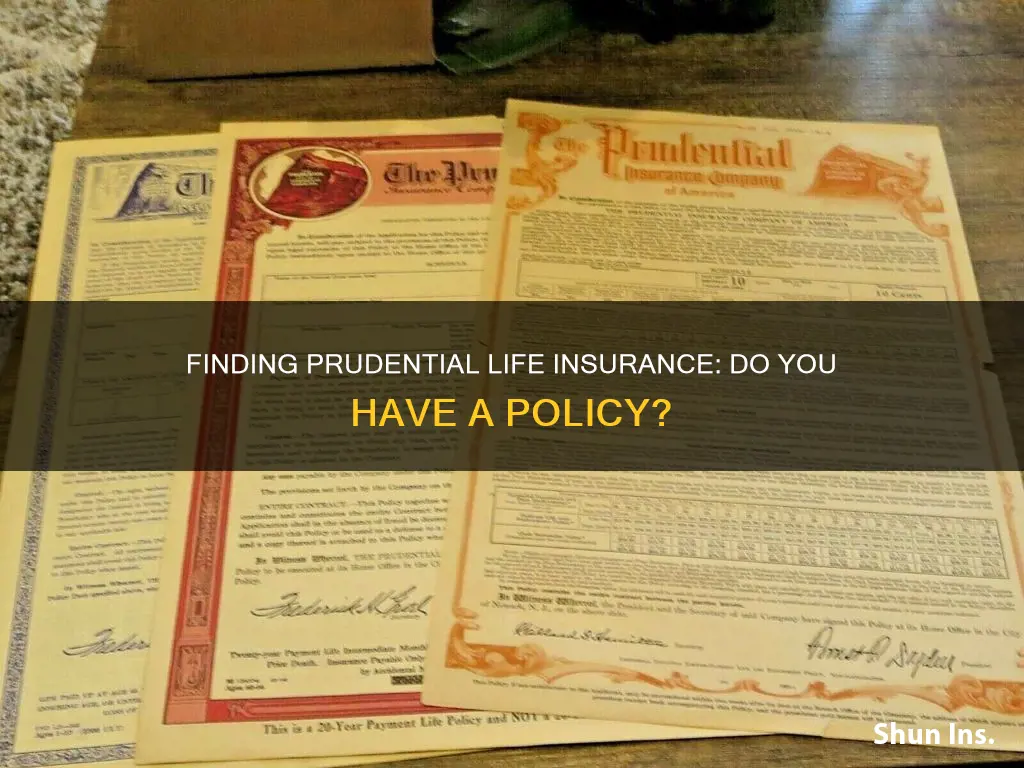
- Physical Records: Look for a "Policy Jacket" or a formal document with the insurance company’s logo, a policy number, and the names of the insured and the beneficiary.
- Financial Records: Check bank statements for recurring payments to insurance companies, which may indicate an active or historically active policy.
- Correspondence: Review old tax returns, safety deposit boxes, or archived correspondence that mentions insurance premiums.
- Work-Related Documents: If the policy was an employer-provided benefit, contact the human resources department of the former employer. Even if the company has been acquired or shuttered, the records may have been transferred to a successor organization.
Step 2: Verifying the Current Status
Once you have identified the company, you must determine the status of the policy. Not every old document represents a payout-ready asset. Some policies may have lapsed due to non-payment of premiums, while others may have been surrendered for their cash value years prior.
When you contact the insurance company, be prepared to provide:
- The Policy Number: If known.
- The Insured’s Full Name: Along with their Social Security number and date of birth.
- Proof of Legal Authority: If you are the executor of the estate or the named beneficiary, you will need a death certificate and, potentially, letters of administration from a probate court to verify your right to receive information.
If the insurance company has been acquired by a larger entity, use the state insurance commissioner’s website to perform a company search to identify the successor organization.
Step 3: Searching for "Lost" Policies
If you believe a policy exists but cannot find the paperwork, you can use industry-standard tools to assist your search. The National Association of Insurance Commissioners (NAIC) operates a Life Insurance Policy Locator Service. This tool allows beneficiaries and executors to request that participating insurance companies search their records for policies matching the information provided.
| Resource Type | Function | Best For |
|---|---|---|
| NAIC Locator Service | Industry-wide database search | Finding policies when the company name is unknown |
| State Unclaimed Property | Government-held funds registry | Recovering funds already turned over to the state |
| Direct Contact | Communication with the insurer | Confirming specific policy details and values |
| Probate/Estate Records | Legal verification | Establishing rights to the policy proceeds |
Step 4: Initiating the Claim Process
If you confirm that the policy is active and the insured has passed away, the claims process follows a standard sequence. The insurance company will provide a specific claim packet.
- Submission of Death Certificate: Most insurers require a certified copy of the death certificate, which includes a raised seal from the vital records office.
- Claim Form Completion: You must accurately state your relationship to the insured and provide your tax identification information.
- Beneficiary Verification: The insurer will cross-reference your identity with their internal records. If the named beneficiary is deceased, the proceeds may be payable to the insured’s estate.
- Payment Options: Companies may offer a lump-sum payment or, in some cases, the option to leave the money in an interest-bearing account managed by the insurer.
Financial and Legal Considerations
When collecting proceeds from an old life insurance policy, consider the tax implications. Generally, life insurance death benefits are income-tax-free for the beneficiary. However, if the policy has been held for many years, it may have accrued interest, or the total estate value may be subject to inheritance or estate taxes depending on the jurisdiction and the size of the estate.
If the policy is a "whole life" or "universal life" product, there might be a significant "cash surrender value." If the policy was surrendered or matured before the insured passed, these funds become part of the probate estate rather than a tax-advantaged death benefit. Consult with a qualified estate attorney or tax professional if the policy value is substantial.
Common Pitfalls to Avoid
- Misinterpreting Expired Policies: Do not assume every premium notice or old policy certificate is a guarantee of a death benefit. Always ask the insurer for a status report.
- Falling for "Recovery Services": Beware of third-party firms that promise to "find your money" for a large percentage of the proceeds. Use government-run resources like the NAIC or state-run unclaimed property sites, which are free.
- Delaying Claims: While money in a life insurance policy does not expire, if it is turned over to the state as unclaimed property, the process for recovery can become more complex and require additional legal filing.
- Neglecting Multiple Beneficiaries: If multiple beneficiaries are named, ensure the insurer has updated contact information for all parties to prevent delays in the disbursement of funds.
Frequently Asked Questions
What happens if the insurance company is no longer in business? Insurance companies are heavily regulated. If a company goes bankrupt or is bought out, another company or a state guaranty association typically assumes its obligations. Use the website of the state department of insurance where the policy was originally purchased to find the successor carrier.
Is there a time limit on claiming a life insurance benefit? Technically, there is no statute of limitations on claiming a death benefit, provided the policy was in force at the time of death. However, most companies will eventually turn the funds over to the state as "unclaimed property" if they cannot find the beneficiary after several years. Once the money is in state custody, you must follow the specific claims procedure of that state’s unclaimed property division.
Do I need a lawyer to handle an old life insurance policy? In most straightforward cases where you are the named beneficiary, you do not need an attorney. You can provide the necessary documentation directly to the insurance company. If the beneficiary is deceased, the policy is contested, or the estate is complex, legal counsel is advisable to navigate probate requirements.
Can I collect a policy if I am not the named beneficiary? Generally, only the named beneficiary can collect the death benefit. If you are not the beneficiary, you have no legal claim to the proceeds unless you are the executor of the estate and the beneficiary is the estate itself, or if you can prove via a court order that you are the rightful heir.
How do I check for unclaimed life insurance funds at the state level? Every U.S. state maintains an unclaimed property website. You can search these databases for the deceased person’s name. If funds exist, the website will provide instructions on how to submit a claim and what evidence of ownership is required.
Next Steps for Success
Start your search by creating a dedicated folder for all discovered documents. Focus first on identifying the current status of the insurer. If you find the company is active, call their beneficiary services department to verify if the policy is in force. If you find the policy is lost, use the NAIC Policy Locator immediately. Document every conversation, keep copies of everything you mail, and follow the specific instructions provided by the insurance company to ensure a smooth transition of the assets.
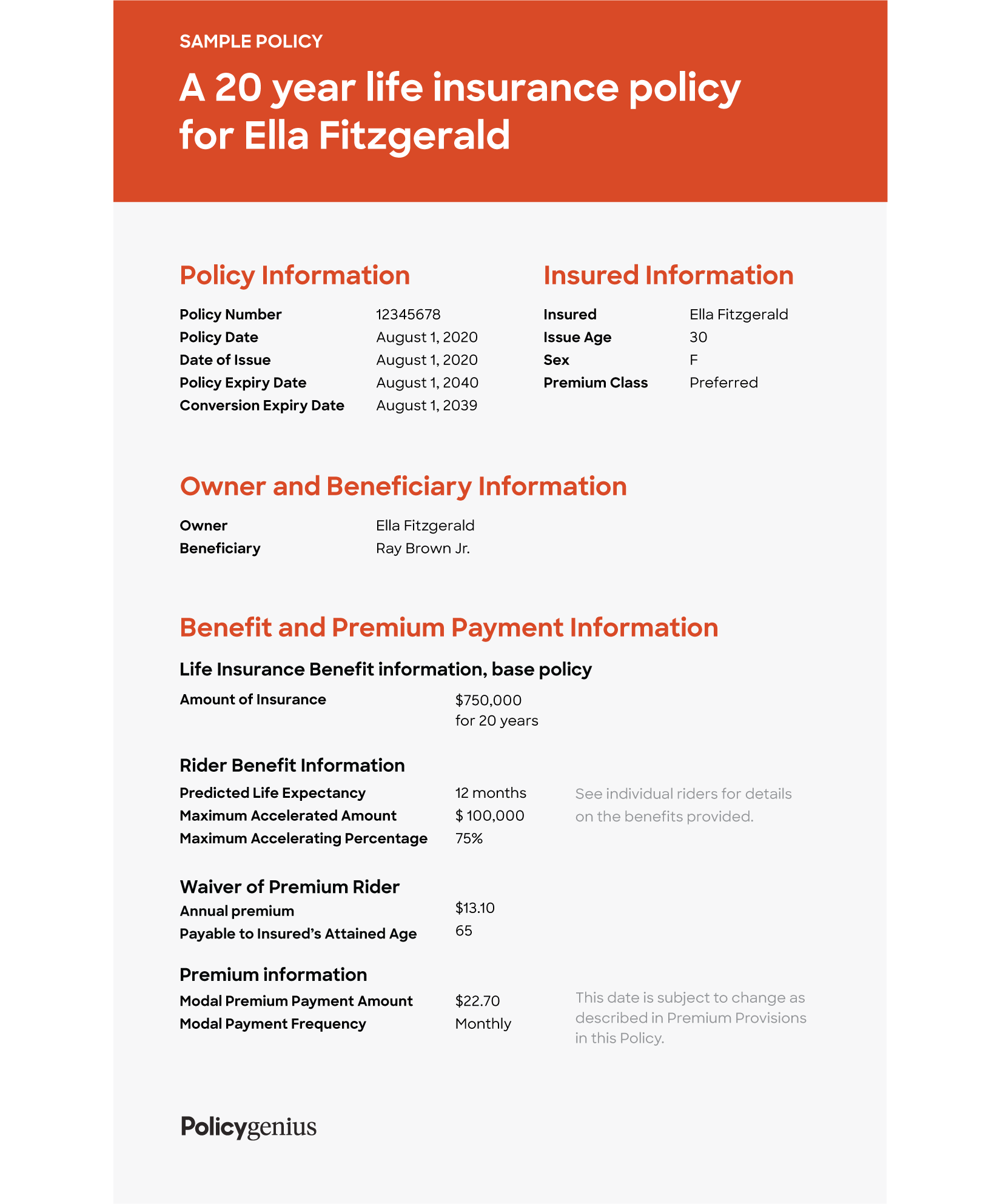
Image Gallery
Select an image to open it in a new tab.


Ingrid Bjornson
Global Cyber Policy and Regulation Analyst
