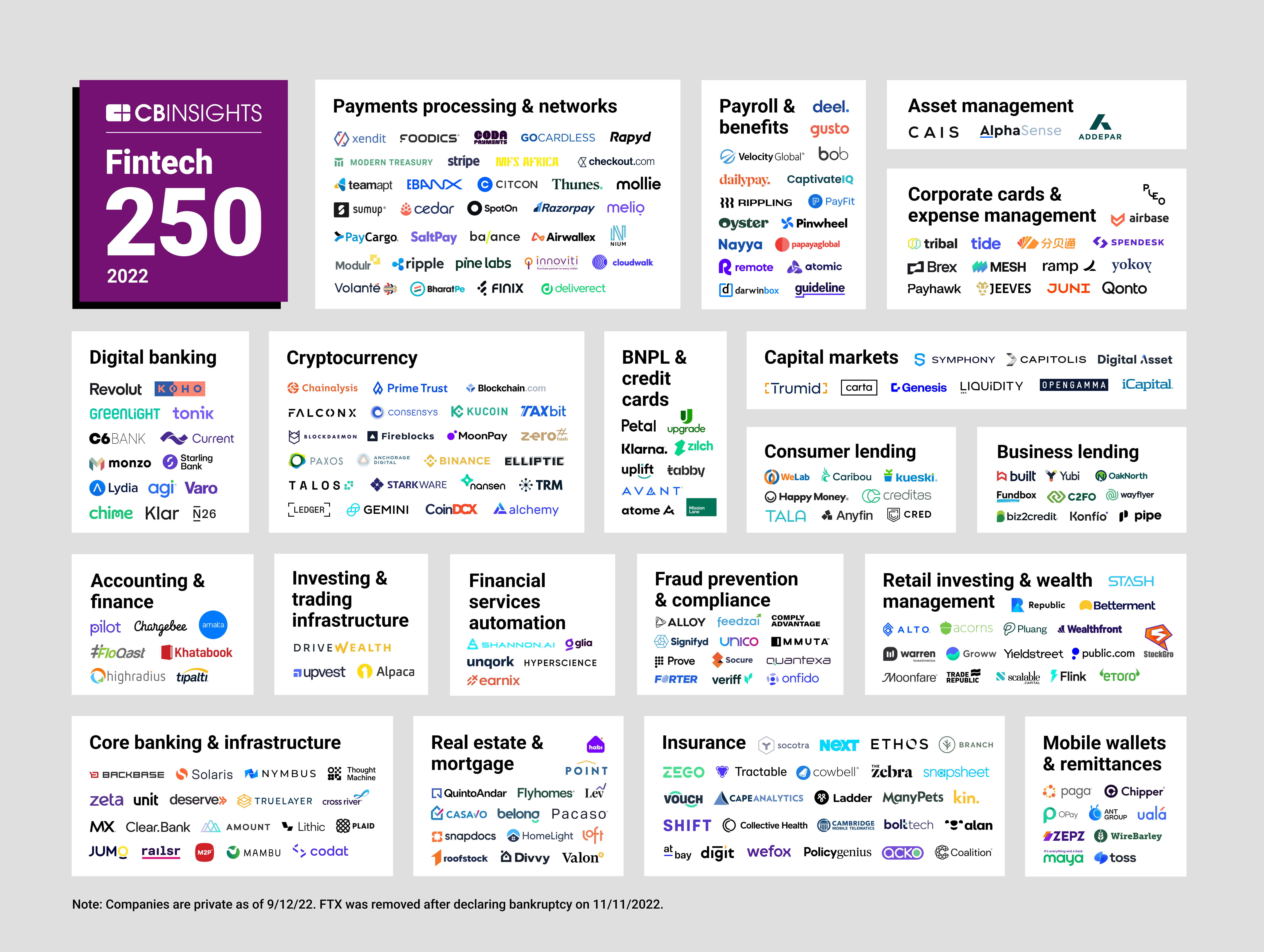
For most early-stage startups, building a proprietary fintech solution is a capital-intensive distraction that diverts resources from core product differentiation. While the allure of owning the entire financial stack—from ledger management to payment processing—is strong, the operational overhead, regulatory compliance costs, and technical debt often outweigh the potential long-term benefits for businesses outside the financial services sector.
The Allure of Vertical Integration
In recent years, the "everything company" narrative has permeated the startup ecosystem. Founders are frequently advised that controlling the financial infrastructure allows for better margins, improved user retention, and superior data insights. When a company manages its own payments, lending, or wallet services, it creates a "walled garden" that theoretically keeps customers within the ecosystem.
However, this vertical integration requires building complex, highly secure infrastructure that sits far outside the scope of a typical software-as-a-service (SaaS) or e-commerce startup. The hype surrounding fintech often ignores the "opportunity cost" of engineering hours. If your engineering team is busy navigating the complexities of Payment Card Industry Data Security Standard (PCI DSS) compliance or architecting a distributed ledger, they are not iterating on the features that actually solve your customers' primary problems.
Regulatory Hurdles and Compliance Costs
The most significant barrier to entry for any fintech solution is the regulatory landscape. Depending on your jurisdiction—whether you are operating under the oversight of the Financial Conduct Authority (FCA) in the UK, the SEC and various state regulators in the US, or the European Banking Authority (EBA) within the EU—the compliance burden is immense.
For a startup, these obligations include:
- Know Your Customer (KYC): Establishing robust identity verification protocols.
- Anti-Money Laundering (AML): Implementing continuous monitoring systems to flag suspicious transactions.
- Data Protection: Adhering to rigorous standards like GDPR or CCPA regarding the storage and processing of sensitive financial information.
- Capital Requirements: Maintaining specific liquidity ratios or insurance bonds to cover potential insolvency or transactional errors.
The cost of maintaining this infrastructure—not just the initial build, but the perpetual audits and legal retainers—is often enough to starve a startup of the cash runway needed to achieve product-market fit.

Infrastructure vs. Core Competency
A useful mental model for founders is the distinction between "core competency" and "enabling infrastructure." Your core competency is the unique value proposition that customers pay for. If you run a marketplace for freelance graphic designers, your core competency is matching talent with clients. Processing the payment between them is enabling infrastructure.
When you attempt to build your own fintech solution, you are essentially pivoting into the business of financial engineering. Unless your goal is specifically to disrupt the payments or banking sector, this is rarely a net-positive strategic move. By treating fintech as a commodity—purchasing it via API from established providers—you can access banking-grade infrastructure without the burden of building it from the ground up.
The "Embedded Finance" Alternative
Rather than building, modern startups increasingly leverage "Embedded Finance." This approach allows businesses to integrate financial services—such as bank accounts, debit cards, or lending products—into their existing digital experience by consuming APIs from specialized "Banking-as-a-Service" (BaaS) platforms.
This model provides several distinct advantages:
- Speed to Market: Instead of spending 18 months obtaining licenses and building software, you can go live in weeks.
- Transferred Liability: Much of the regulatory burden remains with the licensed partner, allowing the startup to act as a program manager rather than a regulated financial institution.
- Predictable Costs: API-based pricing is typically transparent and scales with volume, avoiding the massive, front-loaded capital expenditures of in-house development.
Comparison: Build vs. Buy in Fintech
| Factor | Building In-House | Utilizing BaaS/APIs |
|---|---|---|
| Time to Market | 12–24 months | 2–4 months |
| Regulatory Risk | High (Directly Liable) | Low (Partner Managed) |
| Capital Intensity | Very High | Moderate |
| Technical Debt | High (Internal Maintenance) | Low (Provider Managed) |
| Scalability | Complex | Immediate |
| Customization | Unlimited | Subject to Provider Limits |
Common Pitfalls in Fintech Integration
Even when startups choose to buy rather than build, they often fall into the trap of over-complication. A common mistake is selecting a provider that is too rigid, or conversely, attempting to stitch together too many different providers, which creates a "Frankenstein" architecture that is difficult to troubleshoot.
Another risk is the failure to plan for "portability." If you build your entire startup on a single provider’s infrastructure, you face significant vendor lock-in. If that provider pivots their business model or increases their fees, you have little leverage. Evaluating the contract terms for data migration and switching costs is as critical as evaluating the API documentation itself.
When Is Building Actually Justified?
There are specific scenarios where owning the stack makes strategic sense, but these are rare for early-stage companies. You should only consider building an in-house fintech solution if:
- Regulatory Arbitrage: Your entire business model relies on a unique regulatory interpretation or a financial product that no existing provider is willing or legally permitted to support.
- Extreme Margin Sensitivity: Your transaction volume is so massive—typically in the billions of dollars annually—that the small percentage fee paid to BaaS providers is more expensive than the massive fixed cost of an internal engineering and compliance team.
- IP Differentiation: The financial logic itself is your competitive advantage (e.g., a proprietary high-frequency trading algorithm or a novel credit-scoring model that requires raw data access).
For 95% of startups, these criteria do not apply. If your primary goal is to grow your user base and prove your business model, the distraction of building fintech is a classic "vanity project" that founders should avoid at all costs.
Strategic Decision Framework: The "Skip the Hype" Checklist
Before committing to any fintech-heavy development project, your leadership team should answer the following questions with brutal honesty:
- Is this a core requirement? If we stripped this financial feature out, would the product still solve the primary user pain point?
- Can we buy it? Is there a provider (e.g., Stripe, Plaid, Unit, or Treasury Prime) that already offers this functionality via a robust API?
- What is the "true cost"? Have we accounted for the salary of a dedicated compliance officer, the cost of SOC2 audits, and the legal fees associated with financial licensing?
- Are we hiring or building? Are we a software company that happens to use money, or are we a bank that happens to use software?
Frequently Asked Questions
Does using a BaaS provider make us look less professional?
Not at all. In 2026, the industry standard is to prioritize speed and reliability. Partners and customers are generally more concerned with the stability of your platform than whether you own the underlying banking ledger. Utilizing established infrastructure is viewed as a sign of financial maturity and risk management.
How do I evaluate a fintech partner's stability?
Look for providers with high uptime, transparent public status pages, and clear SOC2 Type II compliance reports. Additionally, assess their history of "partner banking"—the underlying banks they work with. A provider is only as stable as their partner bank, so ensure they have diversified relationships.
Can we start with a third-party solution and build in-house later?
Yes, this is the most common path. Most successful firms start by using APIs to test their market hypothesis. Once they reach sufficient scale and have the capital to absorb the compliance and engineering overhead, they may choose to "in-source" specific financial functions to optimize margins.
What is the biggest regulatory risk if we outsource?
The biggest risk is "third-party risk management" (TPRM). Even if you outsource the technology, the primary responsibility for consumer protection usually rests with you. Ensure your legal team conducts thorough due diligence on any provider’s data handling practices, as you cannot outsource your legal liability to them.
Next Steps for Founders
If you are currently evaluating a fintech initiative, pause the development roadmap. Perform a "Build-Buy-Partner" audit. Map out every financial component you believe you need, identify the vendors that provide those services, and calculate the cost of a six-month integration versus a two-year in-house development timeline. In almost every case, the path of least resistance is the path to growth. Prioritize your product’s unique value, delegate the financial infrastructure to the experts, and focus your limited engineering resources where they provide the highest return on investment.
Image Gallery
Select an image to open it in a new tab.


Omar Farooq
EdTech Innovation and Virtual Pedagogy Journalist
