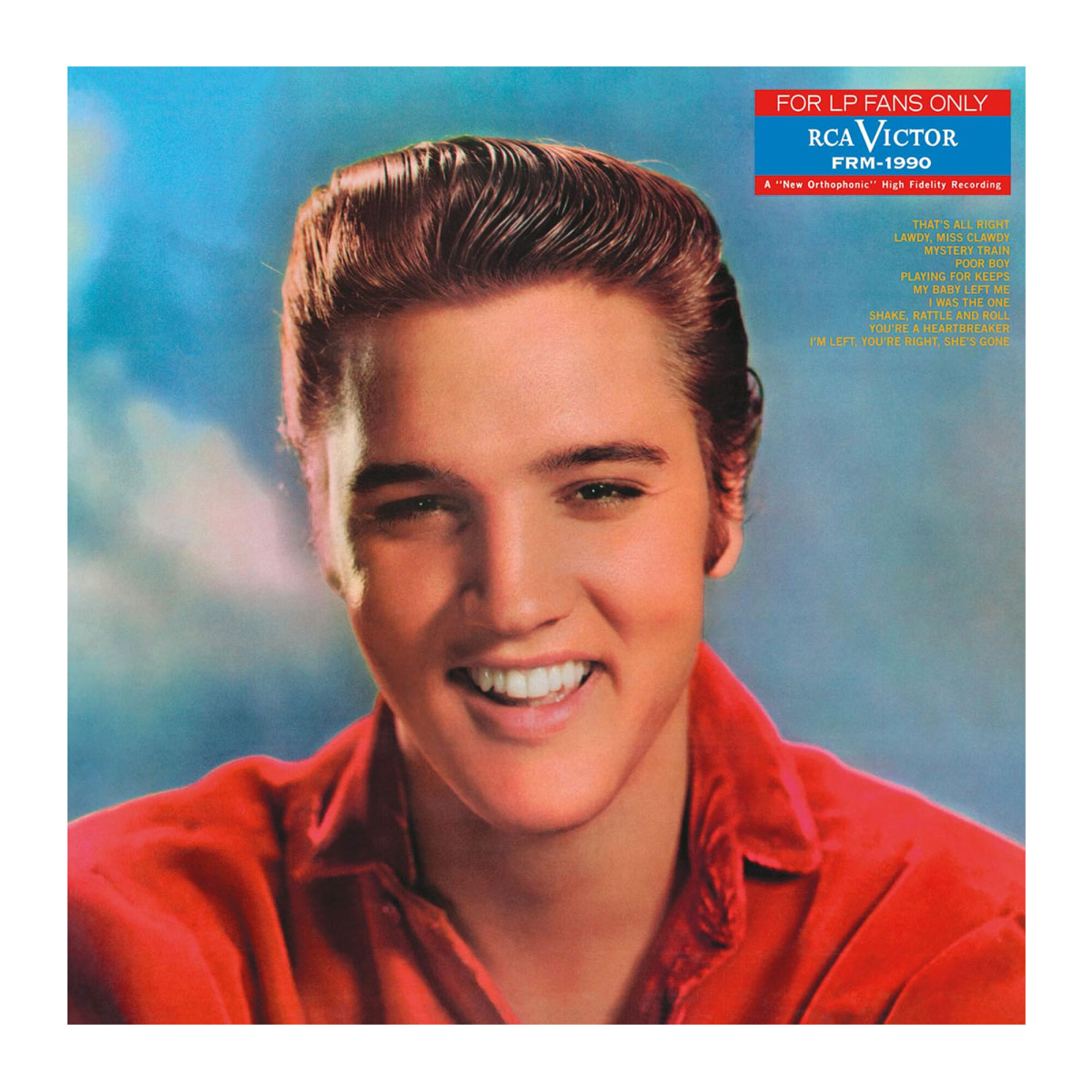
For dedicated fans seeking the complete cinematic legacy of Elvis Presley, the official filmography consists of 31 narrative feature films produced between 1956 and 1969, plus two significant concert documentary features. This guide provides a structured breakdown of his theatrical career, categorizing these works by their historical era, production style, and thematic focus to assist fans in curation and viewing.
The Formative Era: Establishing the Screen Persona (1956–1958)
Elvis Presley’s entry into Hollywood began at the height of his musical explosion. These early films are distinct from his later "formula" pictures because they were primarily dramatic vehicles, often intended to establish Presley as a serious actor in the vein of James Dean or Marlon Brando.
During this period, Presley was under contract with 20th Century Fox and Paramount Pictures. His debut, Love Me Tender (1956), was initially titled The Reno Brothers and was not originally intended to be a musical; songs were added only after Presley’s record-breaking success on the Billboard charts. This set a precedent for his career: the music was the commercial engine, but the early films leaned heavily into Southern Gothic drama, troubled youth archetypes, and familial conflict.
Key Films of the Early Period
- Love Me Tender (1956): A Civil War drama where Presley plays Clint Reno, a character who stays home while his brothers fight for the Confederacy.
- Loving You (1957): Often cited as the most "autobiographical" of his films, portraying the rise of a small-town delivery man to a rock-and-roll sensation.
- Jailhouse Rock (1957): Arguably his most culturally significant film, featuring the iconic title song sequence choreographed by Presley himself. It solidified the image of the "rebellious" Elvis.
- King Creole (1958): Widely considered the finest acting performance of his career. Directed by Michael Curtiz, this film captured the gritty atmosphere of New Orleans and showcased Presley’s genuine dramatic capability.
The Mid-Career Pivot: The Musical Formula (1960–1964)
Following his military service (1958–1960), Presley returned to a Hollywood landscape that was increasingly focused on lighthearted, escapist entertainment. This era is defined by the "Elvis Formula": a young man, a romantic interest, a series of misunderstandings, exotic locales, and a soundtrack containing 8–10 songs.
While critics often dismissed these films, they were highly profitable for studios and served to keep Presley in the public consciousness while he shifted away from touring. For fans, these films are valuable for their color cinematography, mid-century fashion, and the sheer volume of musical output. This period represents the transition from the "Serious Actor" to the "Movie Star Brand."
Notable Mid-Period Films
- G.I. Blues (1960): The first film after his Army discharge, filmed on location in West Germany. It set the template for the light musical travelogue.
- Blue Hawaii (1961): One of the most commercially successful films of his career. It perfectly encapsulated the tropical, carefree vibe of the early 1960s and spawned the famous "Can't Help Falling in Love" track.
- Viva Las Vegas (1964): Co-starring Ann-Margret, this is widely regarded as the peak of the "musical travelogue" genre. The chemistry between the leads and the vibrant depiction of 1960s Las Vegas have made this an enduring favorite among enthusiasts.

The Final Cinematic Phase: Toward Reality (1965–1969)
By the mid-1960s, the "formula" films began to lose their box office potency as the cultural climate shifted toward the British Invasion and the burgeoning counterculture. The final years of his narrative film career saw attempts to modernize the scripts, though few succeeded in reclaiming the critical praise of his 1958 work.
This period concludes with Change of Habit (1969), in which Presley portrays a doctor who falls in love with a nun. It was a clear attempt to engage with the social themes of the late 1960s. After this, Presley pivoted entirely to live performance and concert film production, culminating in Elvis: That's the Way It Is (1970) and Elvis on Tour (1972), which stand as essential companion pieces to the narrative film list.
Comparison of Elvis Film Genres
For collectors and fans, categorizing these films helps in selecting viewing experiences based on mood or historical interest. The following table highlights the stylistic shifts across his career.
| Film Category | Primary Years | Key Characteristics | Representative Example |
|---|---|---|---|
| Dramatic/Serious | 1956–1958 | Character-driven, black and white | King Creole |
| Travelogue Musical | 1960–1964 | Exotic locations, vibrant color | Blue Hawaii |
| Formulaic Musical | 1965–1968 | Repetitive plots, lighthearted themes | Double Trouble |
| Late Dramatic | 1969 | Attempt at social realism | Change of Habit |
Practical Guidance for Fans: Viewing and Curation
When building a collection or planning a viewing schedule, fans should note several technical and availability factors that persist in 2026.
Digital Restoration and Quality
Much of the Presley catalog has undergone significant digital restoration over the last decade. Fans seeking the best visual experience should look for "4K Remastered" or "High Definition" digital transfers. Older DVD box sets may suffer from inconsistent color grading and standard-definition compression artifacts that do not reflect the high-production values of the original Technicolor filming processes used in the 1960s.
Distinguishing Concert Features
It is important to differentiate between the narrative feature films (where Presley plays a character) and the concert documentaries. The documentaries are not "Elvis films" in the traditional Hollywood sense, but they are essential for fans. Elvis: That's the Way It Is provides an intimate look at his return to live performance, while Elvis on Tour captures the massive scale of his 1972 concert series.
Common Misconceptions
- The "Lost" Films: Fans often look for unreleased films. While many scripts were proposed and rejected by Colonel Tom Parker, there are no "hidden" feature films that remain unreleased in 2026.
- Production Chronology: Fans often group films by release date, but production dates sometimes differed significantly. Always check the filming schedule if analyzing his acting progression, as some films were shot out of sequence compared to their theater premieres.
Frequently Asked Questions for Enthusiasts
1. Which film is considered the best acting performance of Elvis Presley? Most critics and biographers point to King Creole (1958). It was the only film that allowed him to work with a high-caliber director (Michael Curtiz) and a serious script before he was funneled into the restrictive "musical formula" movies of the 1960s.
2. Are the soundtracks for the films considered original studio albums? It depends on the film. In the early years, soundtracks were often integrated into studio sessions. In the later years, the soundtracks were frequently released as specific LPs, sometimes featuring songs that were recorded specifically for the film without the oversight of his primary record label producers.
3. Did Elvis Presley direct or produce any of his films? No. Throughout his Hollywood career, Presley functioned as a talent under contract. He had very little creative control over scripts, directors, or song selection. This lack of agency was a major point of contention for him personally throughout the 1960s.
4. Why did Elvis stop making narrative films in 1969? The commercial appeal of his films had declined significantly by the end of the 1960s. Simultaneously, Presley had a deep-seated desire to return to the stage. Following the success of his 1968 NBC television special, he recognized that his future lay in live performance rather than repetitive movie scripts.
5. How can I verify if a film is a narrative feature or a documentary? Narrative features involve a plot, a fictional character name, and a screenplay. Documentaries—such as Elvis on Tour—feature Presley as himself, behind the scenes, or performing on stage with no fictional narrative arc.
Recommendation for Next Steps
To begin your exploration, prioritize the "Dramatic Era" (1956–1958) to understand his raw potential, followed by Viva Las Vegas (1964) to see the height of his studio-controlled brand. Once you have exhausted the narrative film list, transition to the concert documentaries to appreciate the reality of his stage presence. For those interested in historical technical accuracy, prioritize viewing the films in the order of their production, rather than their release date, to track the maturation of his screen presence and technical confidence.
Image Gallery
Select an image to open it in a new tab.

Zara El-Hashem
Sociocultural Dynamics and Academics Writer
