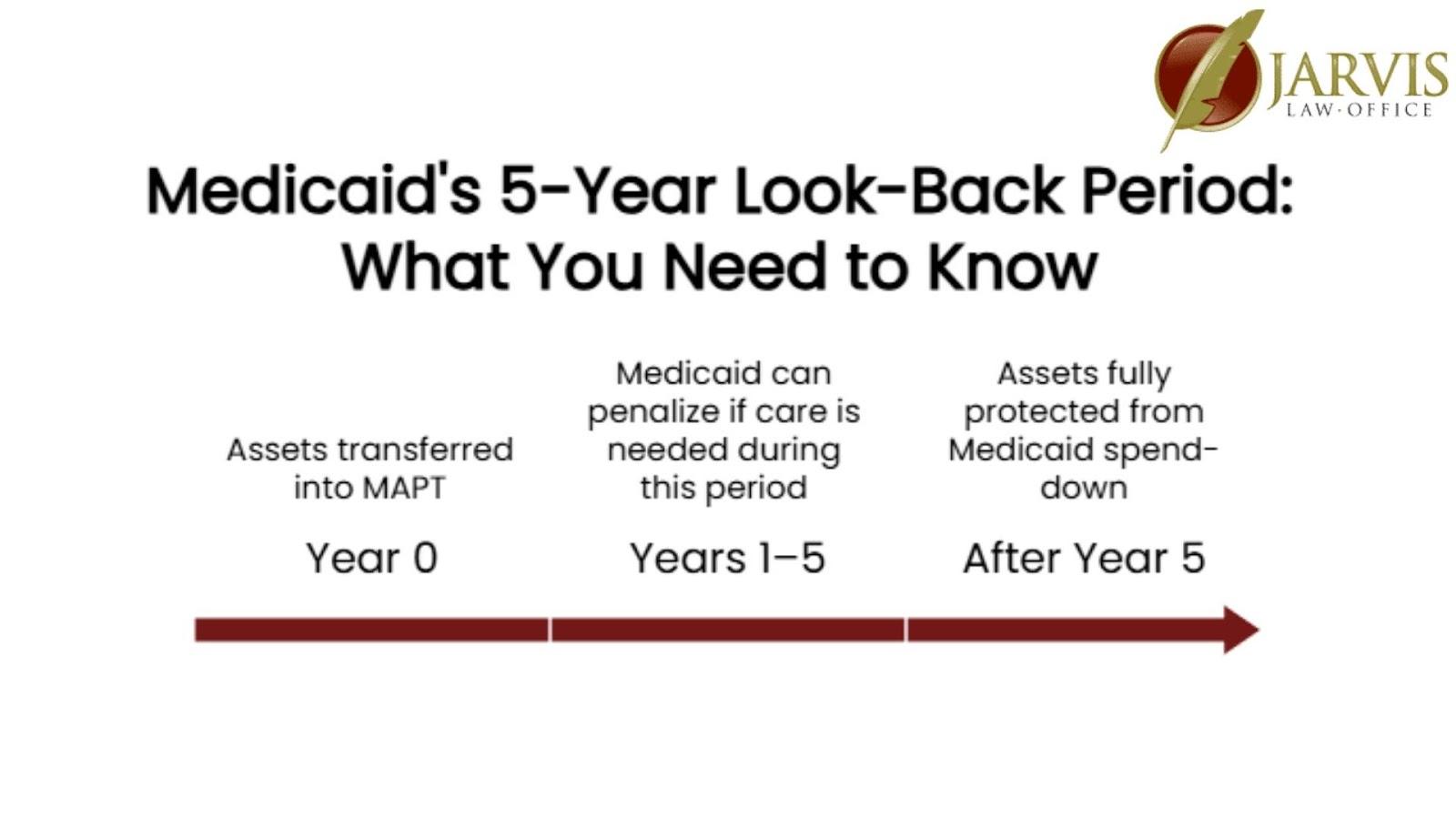
The Medicaid look-back period is a formal investigation window, typically 60 months, during which state agencies review an applicant’s financial records to identify any asset transfers made for less than fair market value. If uncompensated transfers are discovered, the applicant may face a period of ineligibility for long-term care coverage, effectively delaying the start of government-funded nursing home benefits.
Defining the Medicaid Look-Back Period
Medicaid is a joint federal and state program designed to provide health coverage for individuals with limited income and resources. Because long-term care—such as care in a nursing home—is exceptionally expensive, many individuals rely on Medicaid to cover these costs. To ensure that public funds are reserved for those who truly lack the financial means to pay, federal law mandates that states scrutinize an applicant’s financial history.
The "look-back period" refers to the specific timeframe, usually the 60 months (five years) immediately preceding the date of a Medicaid application, during which the state examines all financial transactions. If an applicant gave away money, real estate, stocks, or other valuable assets, or sold them for significantly less than their worth, the state will flag these as "disqualifying transfers."
The logic behind this policy is simple: the government does not want individuals to intentionally impoverish themselves by gifting their wealth to family members or friends just to qualify for taxpayer-funded care. If the state determines that an asset was transferred to gain Medicaid eligibility, it will impose a penalty period based on the value of the transferred funds.
The Mechanism of Penalties
When a prohibited transfer is identified within the 60-month window, the state calculates a penalty period. This is the duration during which the applicant must pay for their own nursing home care before Medicaid benefits begin.
The penalty is calculated by dividing the total value of the uncompensated assets by the "average monthly private pay rate" for a nursing home in that specific state. For example, if you gifted $100,000 to a relative and the average cost of nursing home care in your state is $10,000 per month, the state will impose a penalty of 10 months. During those 10 months, you are ineligible for Medicaid coverage, and you or your family must find another way to cover the nursing home costs.
It is important to note that the penalty period does not begin on the day the transfer was made; it begins only once you have applied for Medicaid and have been found otherwise eligible for benefits.
Assets and Transactions Subject to Scrutiny
During the 60-month look-back, the state requires documentation of virtually every financial move. This includes, but is not limited to:
- Bank and Brokerage Statements: Every account must be accounted for to ensure no large, unexplained withdrawals or transfers occurred.
- Real Estate Transfers: Selling a home to a child for $1 or gifting a property title is a classic trigger for the look-back penalty.
- Gifts: While small, periodic gifts for birthdays or holidays are generally not scrutinized, large lump-sum gifts to family members are almost always investigated.
- Annuities and Trusts: Certain types of financial vehicles can be considered transfers of assets if not structured according to specific Medicaid compliance rules.
- Loans: Loans made to friends or family members that are not documented with a formal repayment schedule and interest rate are often treated as gifts by the state.
Allowable Transfers and Exceptions
Not every transfer of property results in a penalty. Federal law and various state-level regulations provide specific "safe harbors" where assets can be transferred without triggering a disqualification period.
- Transfers to a Spouse: Assets transferred to a legally married spouse are generally exempt from the look-back rules.
- Transfers to a Disabled Child: Assets may be transferred to a child of any age who is blind or permanently and totally disabled.
- The Home Transfer Exception: In some cases, a home can be transferred to a caregiver child who has resided in the home for at least two years prior to the applicant entering a nursing facility and who provided care that delayed the parent’s need for institutionalization.
- Transfer for Fair Market Value: If you sell an asset for what it is actually worth, no penalty applies. However, you must be able to prove the value through appraisals or comparable sales data.
Key Considerations for Planning and Disclosure
Transparency is the most critical element of the Medicaid application process. Attempting to hide assets or failing to disclose a transfer is often considered Medicaid fraud, which carries legal consequences far more severe than simply waiting out a penalty period.
Documentation Readiness
Gathering financial records is a time-consuming but necessary task. Applicants should organize five years of statements for all financial accounts. If an applicant has gaps in their records or cannot explain a large transfer, the state caseworker may assume it was a disqualifying gift. Maintaining clear records, including appraisals, sales contracts, and correspondence, can mitigate these risks.
The "Community Spouse" Protection
Medicaid rules provide protections for the "community spouse"—the spouse who is not entering the nursing home. These rules ensure that the spouse at home is not left destitute. Asset levels, income requirements, and property ownership are handled under different sets of regulations compared to the applicant in the facility. Coordinating these assets to support the community spouse while meeting Medicaid’s criteria for the applicant requires careful planning.
Comparative Overview of Common Transfer Issues
| Transaction Type | Typical Treatment | Key Documentation Needed |
|---|---|---|
| Gift to grandchild | Disqualifying transfer | Gift tax returns (if applicable) |
| Sale of home at market value | Allowable | Appraisal report and sale contract |
| Transfer to spouse | Exempt | Marriage certificate |
| Repayment of valid debt | Allowable | Promissory note and payment history |
| Unexplained cash withdrawal | Potential penalty | Invoices, receipts, or bank logs |
Common Mistakes to Avoid
One of the most common errors is waiting until a medical emergency occurs to consider Medicaid planning. By the time a person is admitted to a nursing home, the 60-month window is already in full effect, and options to shield assets are extremely limited.
Another mistake is assuming that "gifting" assets early in the window is sufficient. Many individuals incorrectly believe that if they make a transfer 59 months ago, they are safe. However, the calculation of the penalty period can become complex if multiple transfers are discovered, and the burden of proof always rests on the applicant.
Lastly, some applicants attempt to use "half-a-loaf" strategies—where they give away half of their assets to family and keep the other half to pay for the nursing home during the resulting penalty period. While this is a recognized strategy in some legal circles, it is technically complex and requires precise calculation of the penalty divisor. Attempting this without the guidance of an elder law attorney often results in calculation errors that lead to longer-than-expected periods of ineligibility.
Seeking Professional Guidance
The complexities of Medicaid eligibility, particularly regarding the look-back period, often exceed the scope of self-study. Because each state manages its own Medicaid program within federal guidelines, specific rules and local interpretations vary.
Elder law attorneys or certified elder care planners can provide specialized assistance. These professionals focus on:
- Asset Protection: Structuring assets to ensure the applicant remains eligible while protecting a spouse’s quality of life.
- Application Accuracy: Ensuring that every document submitted to the state is organized, accurate, and complete to prevent unnecessary delays or denials.
- Penalty Mitigation: Identifying if a transfer can be "cured" or reversed to avoid or shorten the penalty period.
Summary of Next Steps
If you are anticipating the need for long-term care in the future, the best course of action is to start a proactive financial review today. First, collect a comprehensive list of all assets and identify any transfers made in the last five years. Second, consult with a professional who specializes in Medicaid planning to discuss your specific state's look-back policies and asset exemption rules. Finally, ensure that all financial documents are filed in a secure, organized manner, as the administrative burden of the application process is often the biggest hurdle for families.
Disclaimer: This information is provided for educational purposes and does not constitute legal, medical, or financial advice. Medicaid laws are subject to frequent changes and vary significantly by jurisdiction. Consult with a qualified elder law attorney or your state’s Medicaid office for guidance specific to your personal circumstances.
Image Gallery
Select an image to open it in a new tab.
Zara El-Hashem
Sociocultural Dynamics and Academics Writer
