Comprehensive Guide to Electrical Current in Australia: Definition, Standards, and Context

In Australia, the term "current" most commonly refers to the country’s standardized electrical supply, which operates at a nominal voltage of 230 Volts (V) AC with a frequency of 50 Hertz (Hz). This system utilizes the Type I plug and socket standard, characterized by a three-pin configuration, and is regulated by strict national safety standards known as the Wiring Rules.
Understanding the Definition of Electrical Current in Australia
To define "current" within the Australian context, one must distinguish between the physical phenomenon of electricity and the specific national infrastructure that delivers it. Physically, electrical current is the flow of charge carriers, typically electrons, through a conductor. In the Australian context, however, the definition expands to encompass a highly regulated, standardized utility framework that ensures compatibility across all six states and two territories.
As of 2026, the Australian electrical current is strictly defined by AS 60038, which sets the nominal mains voltage at 230V. It is important to note that while the standard specifies 230V, the system is designed with a "tolerance band." This means that the actual voltage measured at a wall outlet can legally range from 216V to 253V (+10% to -6%). This harmonization with international standards (specifically those in Europe and New Zealand) was finalized years ago to allow for easier trade of electrical appliances, though much of the legacy infrastructure still operates closer to the older 240V standard.
The frequency of the current is equally vital. Australia utilizes a 50Hz alternating current (AC) system. Frequency refers to the number of times the current changes direction per second. For consumers, this is a critical specification because motorized appliances (such as refrigerators or washing machines) and older clock-based electronics rely on this 50Hz pulse to time their operations correctly. Using a 60Hz appliance (common in North America) on an Australian 50Hz current can cause motors to run slower, overheat, or fail prematurely.
The Physical Context: The Type I Plug and Socket Standard
The most immediate "context" for current in Australia is the physical interface used to access it. Australia uses the Type I plug, officially defined under standard AS/NZS 3112. This design is distinct from those used in the United Kingdom, Europe, or the Americas, though it is shared with New Zealand, Fiji, and parts of China.
The Three-Pin Configuration
The Australian Type I plug features two flat pins set in an inverted "V" shape, with a third vertical grounding (earth) pin located below them.
- The Active Pin (Right): Carries the current from the source to the appliance.
- The Neutral Pin (Left): Completes the circuit by carrying the current back to the source.
- The Earth Pin (Bottom): Provides a safety pathway for electricity in the event of a fault, preventing the metallic casing of an appliance from becoming "live" and causing a lethal shock.
A significant safety feature of Australian plugs produced or sold in 2026 is the requirement for insulated pins. The top half of the Active and Neutral pins is coated in a non-conductive material. This ensures that if a plug is only partially inserted into a socket, a user’s finger cannot make contact with a live metal surface.
Socket Switches
Unlike many other nations, Australian electrical outlets almost universally include an integrated "on/off" switch. This is a mandatory safety and energy-saving feature. The context of Australian electrical usage involves a culture of switching off appliances at the wall when not in use, a practice encouraged both for fire safety and to reduce "vampire" power consumption.
Regulatory Context: The Australian Wiring Rules (AS/NZS 3000)
In Australia, the context of electrical current is inseparable from the legal framework that governs its installation. The primary document is AS/NZS 3000, commonly known as the "Wiring Rules." This standard is legally enforceable across all jurisdictions.
By 2026, the Wiring Rules have evolved to mandate sophisticated protection for all domestic and commercial circuits. Every new installation or significant renovation must include Residual Current Devices (RCDs), often called safety switches. While a fuse or circuit breaker protects the building's wiring from catching fire due to an overload, the RCD is designed specifically to protect human life. It monitors the balance of the current flowing through the active and neutral wires; if it detects a leakage as small as 30 milliamperes (indicating electricity might be flowing through a person), it disconnects the power in less than 40 milliseconds.
Furthermore, electrical work in Australia is highly restricted. Unlike some countries where "DIY" electrical work is common, Australian law dictates that any work involving fixed wiring—including the installation of light switches, power points, or ceiling fans—must be performed by a Licensed Electrical Contractor. This regulatory context ensures that the integrity of the national current system remains high and that fire risks are minimized.
Infrastructure Context: The Grid and Renewable Integration
In 2026, the context of "current" in Australia is undergoing a massive transformation due to the decentralization of the energy grid. Historically, current flowed in one direction: from large coal-fired power stations to the consumer. Today, Australia has one of the highest per-capita rates of rooftop solar integration in the world.
This has changed the "direction" of current flow. During daylight hours, millions of Australian homes export excess current back into the grid. This requires advanced infrastructure management, including:
- Smart Meters: These devices measure current flow in both directions, allowing for time-of-use billing and grid stability monitoring.
- Voltage Management: With so much solar power being fed back, local line voltages can spike. Utility providers now use "smart inverters" to regulate the current and keep the voltage within the mandatory 230V (+10%/-6%) range.
- Distributed Energy Resources (DER): The current system now relies on a mix of utility-scale batteries (like the Hornsdale Power Reserve) and household batteries to "smooth out" the current supply when the sun goes down or the wind stops blowing.
International Comparison and Compatibility
For travelers or businesses importing machinery, understanding how Australian current compares to other global standards is essential for preventing equipment damage.
| Feature | Australia | USA / Canada | UK / Ireland | European Union |
|---|---|---|---|---|
| Nominal Voltage | 230V | 120V | 230V | 230V |
| Frequency | 50Hz | 60Hz | 50Hz | 50Hz |
| Plug Type | Type I | Type A / B | Type G | Type C / E / F |
| Safety Switch (RCD) | Mandatory | Mandatory (GFCI) | Mandatory | Mandatory |
| Grounding Pin | Required (Class I) | Required (Class I) | Required | Required |
Compatibility and Conversions
If you are bringing a device from a 110V/120V region (like the USA) to Australia, a simple plug adapter is not enough. You must check if the device is "Dual Voltage" (usually labeled as 100-240V). If it is not, the 230V Australian current will likely destroy the device's internal components or cause a fire. In such cases, a step-down transformer is required to convert the Australian 230V current to the 110V the device expects.
Conversely, devices from the UK or Europe are generally voltage-compatible with Australia (both use 230V/50Hz), meaning only a physical plug adapter is needed to fit the Type I socket.
Environmental Context: Ocean Currents in Australia
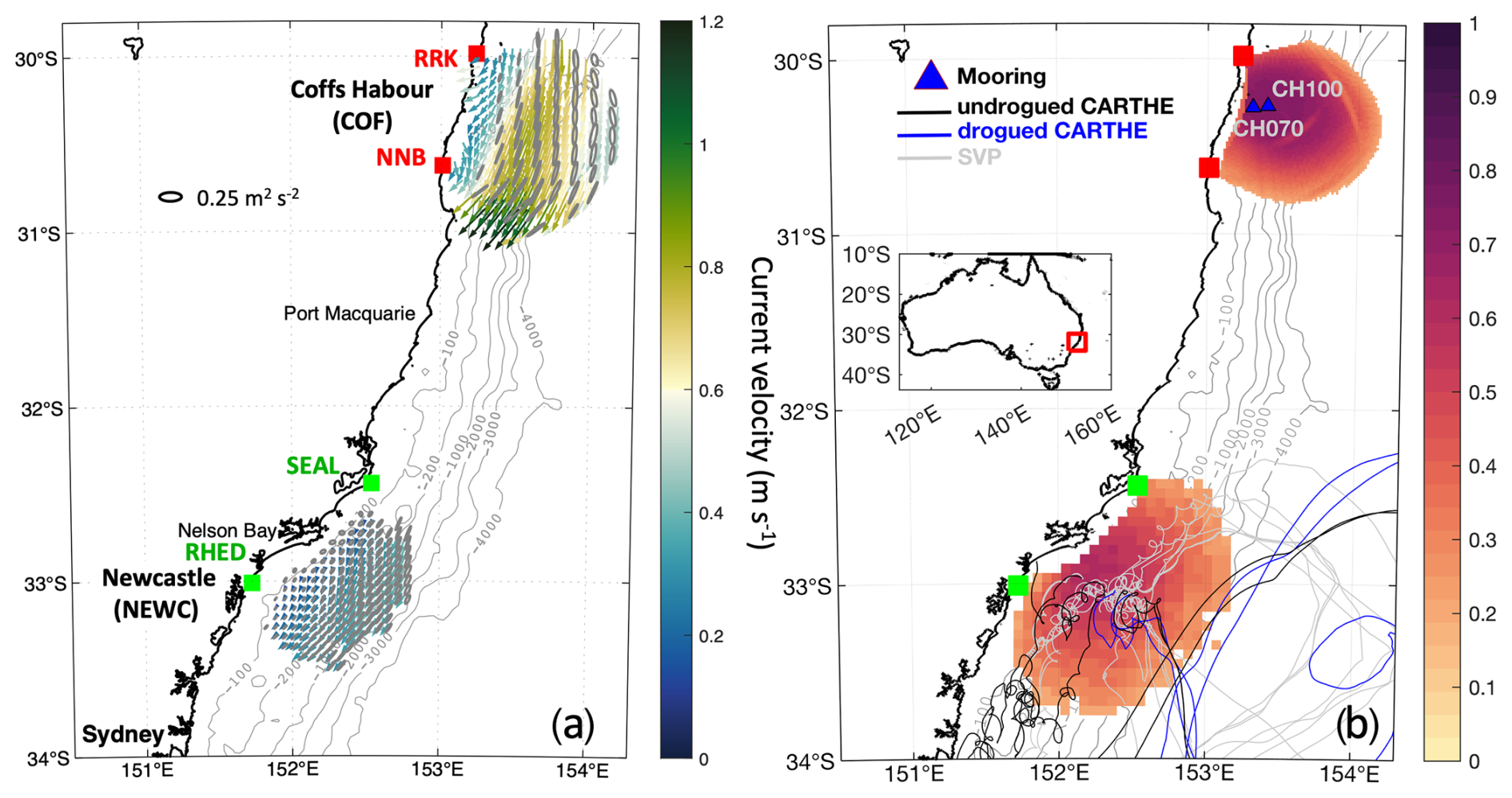
While electrical current is the primary technical definition, the term "current in Australia" also has a significant geographical context. Australia is surrounded by major ocean currents that dictate the nation's climate, weather patterns, and marine biodiversity.
- The East Australian Current (EAC): Made famous by popular culture, the EAC is a southward-flowing western boundary current. It brings warm, low-nutrient water from the Coral Sea down the east coast of Australia to the Tasman Sea. It is a major driver of the tropical-to-temperate climate transition along the New South Wales coast.
- The Leeuwin Current: This is a unique current that flows southward along the Western Australian coast. Unlike most eastern boundary currents, it is warm and flows toward the pole. It prevents the West Australian coast from experiencing the massive upwellings of cold, nutrient-rich water seen off the coasts of Africa or South America, which in turn affects the types of fisheries available in the region.
- The Antarctic Circumpolar Current: While not touching the mainland, this massive current flows to the south of Australia and is a primary driver of the cold fronts that bring winter rain to the southern states (Victoria, Tasmania, and South Australia).
Safety and Maintenance: Managing Current in the Home
In the modern Australian home of 2026, managing electrical current involves more than just plugging in a toaster. High-current appliances such as electric vehicle (EV) chargers, induction cooktops, and air conditioning units place significant demand on the domestic switchboard.
Switchboard Upgrades
Many older Australian homes (built before the 1990s) were designed for a maximum current load of 30 to 40 Amps. With the shift toward "all-electric" homes and EV adoption, these switchboards often require upgrades to handle 63 Amps or more. A modern switchboard context includes individual circuit breakers for each high-draw appliance and comprehensive RCD protection for all light and power circuits.
Dealing with "Dirty" Power
In some regional areas of Australia, the "current" can be unstable—a phenomenon known as "dirty power." This refers to voltage sags, surges, or frequency variations. For sensitive electronics, Australians often use Uninterruptible Power Supplies (UPS) or surge protectors to ensure that the current entering their equipment is "clean" and consistent.
Summary of Key Requirements for 2026
If you are dealing with electrical current in Australia, whether for personal use, construction, or travel, keep these four pillars in mind:
- Voltage & Frequency: 230V and 50Hz are the non-negotiables.
- The Plug: Type I (three-pin) with insulated active and neutral pins is the standard.
- The Law: AS/NZS 3000 requires all fixed wiring work to be done by a licensed electrician.
- Safety: RCDs are mandatory on all circuits to prevent electrocution.
Frequently Asked Questions
Can I use a US hair dryer in Australia with just a plug adapter?
No. Most hair dryers are single-voltage devices (120V). Connecting a 120V hair dryer to an Australian 230V outlet will likely cause the heating element to burn out instantly or catch fire. You would need a heavy-duty voltage converter, which is often more expensive than buying a new hair dryer in Australia.
Is the voltage in Australia 230V or 240V?
The official national standard is 230V. However, because of the way the grid was originally built, many parts of the network still provide 240V. All appliances sold in Australia are designed to handle this variance, as they are tested to operate safely across the full 216V–253V range allowed by law.
Why does Australia use a different plug than the UK?
Although Australia has strong historical ties to the UK, the two countries diverged on electrical standards in the early 20th century. Australia adopted the Type I design (standardized in the 1930s), while the UK eventually moved to the Type G "ring main" system after World War II. The Australian design was chosen for its simplicity and safety features available at the time.
Are all power outlets in Australia switched?
While not strictly a law in every single niche application, the vast majority of general-purpose outlets (GPOs) in Australian residential and commercial buildings are required to have an integrated switch. This is a standard practice defined in the AS/NZS 3112 and AS/NZS 3000 guidelines to ensure users can safely de-energize an outlet before removing or inserting a plug.
Do I need a licensed electrician to change a lightbulb?
No. Replacing a user-serviceable lightbulb or plugging in an appliance does not require a license. However, replacing the actual light fitting (the "batten holder"), installing a new power point, or changing a light switch does require a licensed professional under Australian law.
Practical Recommendation
When moving to Australia or managing a property in 2026, your first step regarding electrical current should be a Switchboard Audit. Ensure that your property is equipped with modern RCDs (Safety Switches) on every circuit, not just the power outlets. If you are importing sensitive electronic equipment from overseas, verify the "Input" label on the power brick; if it does not say "100-240V", invest in a high-quality step-down transformer or replace the power supply entirely to match the Australian 230V/50Hz standard.
Image Gallery
Select an image to open it in a new tab.

Simon Caldwell
Enterprise Technology and Systems Editor
