
The UK is home to some of the world’s most accomplished chocolate sculpture artists, including Ruth Hinks, Jen Lindsey-Clark, and Mark Tilling. These professionals provide bespoke edible installations for corporate PR campaigns, high-end weddings, and exhibitions, with costs ranging from £500 for small pieces to over £25,000 for life-sized, technically complex structures.
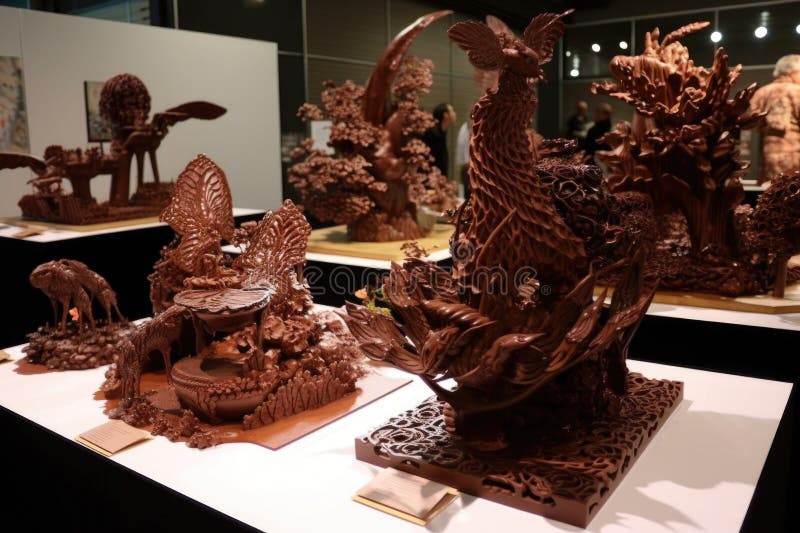
Chocolate sculpture in the United Kingdom has evolved from a niche pastry skill into a high-demand medium for experiential marketing and luxury events. By 2026, the intersection of traditional tempering techniques and modern structural engineering has allowed British "chocolaticians" to push the boundaries of what is possible with cocoa solids and butter. Whether you are looking to commission a life-sized replica for a product launch or a detailed centerpiece for a gala, understanding the landscape of UK artistry, the technical requirements, and the logistical constraints is essential for a successful project.
The Leading Chocolate Sculpture Artists and Studios in the UK
The British chocolate art scene is defined by a handful of master practitioners who combine the precision of a pastry chef with the vision of a fine artist. Each artist typically specialises in a specific "vibe"—from hyper-realistic portraiture to avant-garde architectural forms.
Jen Lindsey-Clark (The Chocolatician)
Based in West Sussex, Jen Lindsey-Clark is perhaps the most famous "chocolatician" in the UK. She gained international recognition for high-profile PR stunts, including the "Chocobatch" (a life-sized chocolate Benedict Cumberbatch) and a detailed bust of King Charles III created for the Coronation. Her studio focuses heavily on the "wow factor" required for media campaigns. Lindsey-Clark is the go-to artist for brands looking to create viral content through edible art.
Ruth Hinks (Cocoa Black)
A UK World Chocolate Master, Ruth Hinks operates out of Peebles, Scotland, but serves the entire UK. Her work is characterised by incredible technical finesse and elegance. Unlike the more whimsical PR pieces seen elsewhere, Hinks’ sculptures often lean toward the "fine art" end of the spectrum, featuring intricate floral work, delicate textures, and perfect tempering. She is a primary choice for luxury brands and high-end corporate hospitality.
Mark Tilling
As the winner of the first Bake Off: The Professionals, Mark Tilling is one of the UK’s most respected chocolate technicians. His work often focuses on the architectural stability of chocolate. Tilling is frequently commissioned for educational demonstrations and large-scale centerpieces that require complex internal geometries. His expertise in "couverture" (high-quality chocolate with a high percentage of cocoa butter) ensures that his pieces are as structurally sound as they are aesthetically pleasing.
Ashley McCarthy (Amaze Me)
Featured prominently on television programmes like Extreme Chocolate Makers, Ashley McCarthy specialises in massive, often mechanical chocolate structures. His work frequently incorporates moving parts or light elements, pushing the medium into the realm of multi-sensory installation. Based in Yorkshire, McCarthy is often sought after for large-scale public exhibitions and charity events.
The Technical Process: Engineering Edible Masterpieces
Creating a chocolate sculpture is not merely about carving a block of cocoa. It is a multi-stage engineering project that must account for weight, gravity, and environmental variables.
Material Selection: Modeling Chocolate vs. Couverture
Artists choose their materials based on the desired finish and the structural needs of the piece:
- Modeling Chocolate: A mixture of melted chocolate and corn syrup (or glucose). It stays pliable at room temperature, allowing the artist to "sculpt" it like clay. This is used for fine details, faces, and organic textures.
- Couverture Chocolate: Professional-grade chocolate that must be tempered. This is used for "casting" large blocks or creating rigid, glossy structural elements. It provides the "snap" and the structural strength.
- Cocoa Butter Paints: Artists often use coloured cocoa butter to add realism. By 2026, the use of natural, plant-based pigments has become the standard in the UK to meet clean-label requirements for corporate clients.
Internal Frameworks (Armatures)
For sculptures exceeding 50cm in height, an internal support system is usually required. While some purists prefer "100% edible" structures, large-scale commercial pieces often use food-grade stainless steel or wood armatures. These frameworks carry the weight of the chocolate—which can reach hundreds of kilograms—preventing the sculpture from collapsing under its own mass or warping over time.
The Science of Tempering and Stability
The biggest enemy of the chocolate sculptor is "fat bloom"—the white, streaky appearance caused by cocoa butter rising to the surface. To prevent this, artists must meticulously temper the chocolate, a process of heating and cooling to align the cocoa butter crystals into a stable "Form V" structure. In 2026, many UK studios use climate-controlled labs held at a constant 18–20°C with humidity levels below 50% to ensure the longevity of the finish.

Applications for Professional Chocolate Sculptures
While weddings remain a staple, the primary drivers for the UK chocolate sculpture market are corporate branding and experiential marketing.
Corporate PR and Branding
Brands often commission chocolate sculptures to celebrate anniversaries or product launches. Because chocolate is a "novelty" medium, it attracts significant social media engagement. A chocolate replica of a new car or a famous landmark acts as a high-value photo opportunity.
High-End Weddings and Galas
In the luxury event space, chocolate sculptures have largely replaced traditional multi-tiered cakes as the focal point. These are often designed to be "smashed" or carved at the end of the evening, providing a theatrical dessert experience for guests.
Exhibition and Gallery Pieces
Chocolate is increasingly viewed as a legitimate medium for temporary art installations. UK galleries have hosted chocolate exhibitions where the ephemeral nature of the material—the fact that it will eventually melt or be consumed—is part of the artistic narrative.
Understanding Costs and Lead Times
Commissioning a professional chocolate artist in the UK is a significant investment. Prices are determined by the weight of the chocolate, the complexity of the design, and the hours of manual labour involved.
| Sculpture Type | Estimated Size | Typical Lead Time | Price Range (2026) |
|---|---|---|---|
| Small Table Centerpiece | 30cm - 50cm | 2-4 Weeks | £500 - £1,200 |
| Medium Corporate Logo | 60cm - 100cm | 4-6 Weeks | £1,500 - £4,500 |
| Life-Sized Bust/Portrait | 1:1 Scale | 6-8 Weeks | £5,000 - £12,000 |
| Large-Scale Installation | Over 2 Metres | 12+ Weeks | £15,000 - £30,000+ |
Note: These prices usually include design consultations and professional tempering but may exclude specialized delivery and on-site assembly.
Practical Considerations: Storage, Transport, and Longevity
The logistics of moving a 50kg chocolate sculpture through UK traffic are daunting. Most artists include specialized courier services in their quotes.
- Climate Control: Sculptures must be transported in refrigerated vans. Even a short exposure to direct sunlight or a warm car interior can cause "melting point" softening, leading to structural failure.
- Vibration and Shock: Chocolate is brittle. A sudden jolt can cause a tempered arm or a delicate leaf to snap. Artists often build "cocoons" of foam and soft-touch materials to suspend the piece during transit.
- Longevity: If kept in a cool, dry place out of direct sunlight, a chocolate sculpture can last for several years. However, it will eventually lose its lustre. For long-term display, some artists offer a "lacquering" service (using food-safe resins) to preserve the appearance, though this renders the piece inedible.
- Insurance: For high-value commissions (over £10,000), it is standard practice to insure the piece specifically for the duration of the event and the transit period.
How to Brief a Chocolate Artist
To get an accurate quote and a piece that meets your expectations, your brief should include:
- The "Why": Is it for a photo op (needs high detail) or for guests to eat (needs high-quality couverture)?
- The Environment: Will the piece be in a heated marquee, a drafty gallery, or under hot stage lights? This dictates the type of chocolate and internal structure used.
- Dimensions and Scale: Provide specific measurements, especially if the piece needs to fit through standard doors or on a specific plinth.
- Dietary Requirements: By 2026, many UK artists can offer vegan chocolate sculptures using oat or almond-based alternatives, though these have different structural properties that may affect the design.
Frequently Asked Questions
Is the chocolate used in these sculptures actually edible?
Yes, in almost all cases, the chocolate is 100% edible. However, for very large sculptures, the "modeling chocolate" used for the outer skin is often designed for structural integrity rather than gourmet flavour. Pieces that have been on display for several days at an event may also be subject to dust or handling, making them less suitable for consumption.
How long does a chocolate sculpture last?
A well-tempered chocolate sculpture kept in a temperature-controlled environment (15–20°C) can remain visually perfect for 6 to 12 months. Over longer periods, the chocolate may begin to "bloom" (turn white) or develop a stale odour as the fats oxidise.
Can chocolate sculptures be shipped internationally from the UK?
While possible, it is extremely expensive and risky. Most UK artists prefer to build the piece in sections and fly to the international destination to assemble it on-site. This avoids the high risk of breakage during air or sea freight.
What happens if the sculpture melts during an event?
Professional artists mitigate this risk by using "high-melt" chocolate blends or internal cooling fans for pieces displayed under hot TV lights. It is essential to discuss the venue's air conditioning capabilities with the artist during the planning phase to prevent catastrophic failure.
Do I need to provide the design, or does the artist create it?
Most UK chocolate artists prefer to handle the design process to ensure the piece is structurally viable. You provide the concept, branding, or reference images, and the artist will typically provide a 3D sketch or a small-scale "maquette" (model) for approval before starting the full-scale build.
Recommendations for Your Commission
If you are planning a commission in 2026, start by identifying your primary goal. For media-driven PR stunts, contact The Chocolatician or Ashley McCarthy. For high-elegance, fine-art pieces, Ruth Hinks is the industry standard. Always allow a minimum of eight weeks for any sculpture larger than a tabletop piece to ensure the artist has time for structural testing and curing. Finally, ensure your venue can guarantee a temperature below 21°C for the duration of the display; without this, even the most expertly engineered sculpture is at risk of "slumping" or losing its tempered finish.
Image Gallery
Select an image to open it in a new tab.

Lars Thomsen
Global Labor Markets and Economic Strategy Editor
