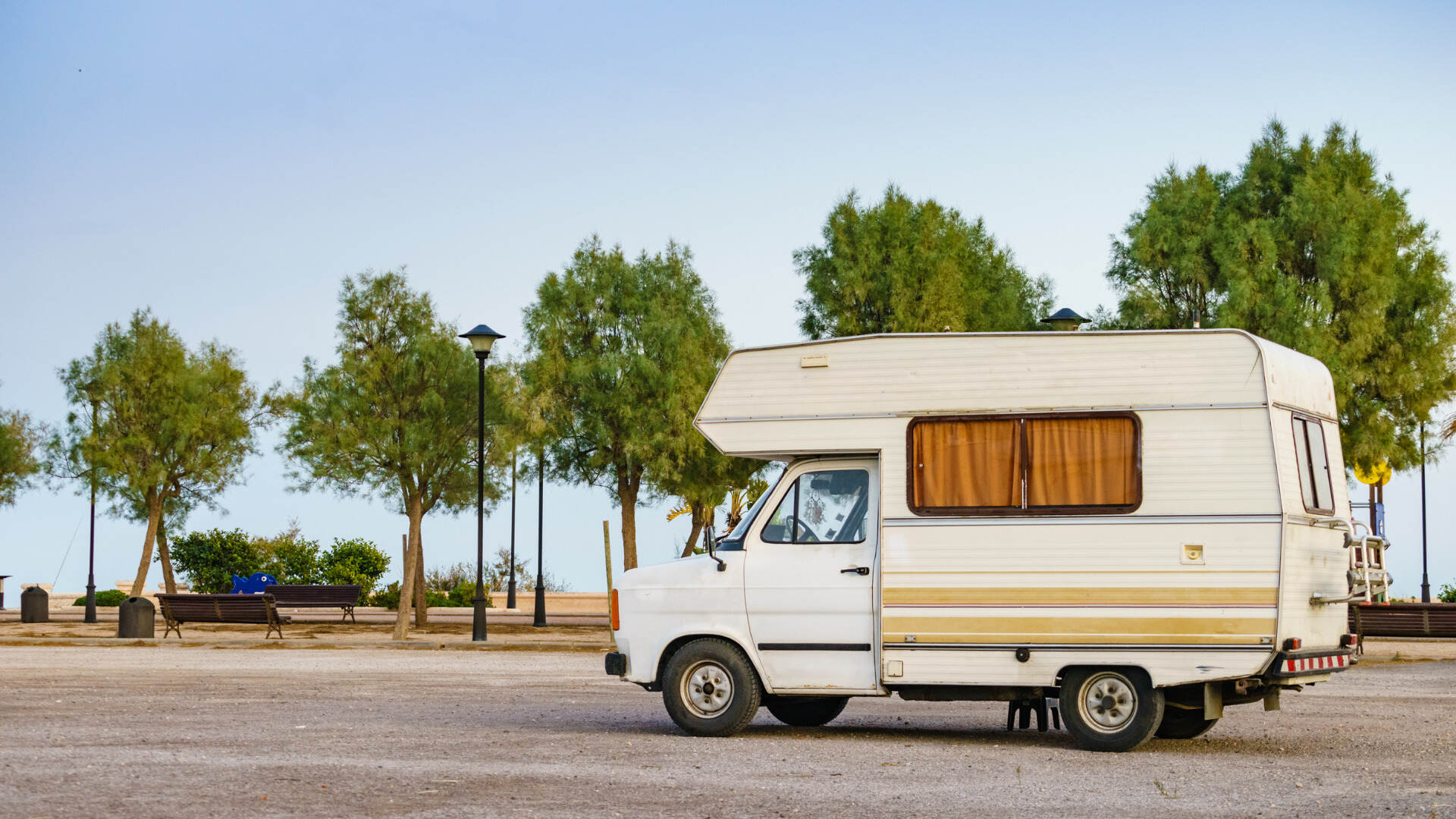
Modern campers are manufactured through a highly structured assembly-line process that integrates chassis engineering, structural framing, exterior skinning, and interior outfitting. This industrial workflow ensures that units remain lightweight yet durable enough to withstand the stresses of highway travel and off-grid camping, relying on precision manufacturing techniques that blend traditional carpentry with advanced materials science and automotive assembly standards.
The Foundation: Chassis Engineering and Integration
The manufacturing journey of a camper begins not with the living quarters, but with the foundation: the chassis. Most towable campers—travel trailers, fifth wheels, and pop-ups—are built upon steel frame assemblies. Manufacturers typically source these frames from specialized suppliers who weld high-strength, low-alloy steel into a ladder-style structure.
In modern 2026 production lines, the chassis undergoes rigorous testing for load-bearing capacity and vibration resistance. Before the structural walls are introduced, the chassis is treated with rust-inhibitive coatings or powder finishes. It is during this initial stage that the axle mounting points, hitch assemblies, and wiring harnesses for the chassis’s own lighting are installed. The quality of the camper’s road performance is largely determined here; a misaligned chassis or poor weight distribution will lead to trailer sway or premature tire wear regardless of how luxurious the interior finishes may be.
Framing Construction: Wood vs. Aluminum
One of the most significant technical variations in how campers are made is the framing material. Consumers will find two primary methodologies: wood-stick framing and vacuum-bonded aluminum framing.
Wood-Stick Construction: This traditional method uses kiln-dried pine or fir studs, similar to residential home building. These are mechanically fastened together to form the wall cavities. The primary advantage is the ease of repair; if a leak occurs, wood framing is often simpler for general repair shops to service. However, wood is susceptible to rot if water ingress occurs, and it is generally heavier than aluminum alternatives.
Vacuum-Bonded Aluminum Construction: In this more modern, high-end approach, aluminum extrusions are welded into a frame structure. High-density expanded polystyrene (EPS) foam is cut to fit precisely into these voids, and the entire assembly is then pressed under immense vacuum pressure with an adhesive, sandwiching the insulation between the interior wallboard and the exterior fiberglass skin. This creates a single, rigid composite panel that offers superior insulation and a better strength-to-weight ratio.
The Shell: Sheathing and Exterior Finishing
Once the frame is standing, the exterior shell is applied. For entry-level units, this often involves corrugated aluminum siding, which is lightweight and cost-effective. For premium travel trailers and fifth wheels, manufacturers use fiberglass-reinforced plastic (FRP) panels.
This step is critical for water intrusion prevention. Every seam, window opening, and rooftop penetration (such as HVAC units or vents) is sealed using specialized automotive-grade sealants or butyl tape. In a factory setting, automated robotic dispensers are increasingly used to apply these sealants to ensure consistent bead width and depth, reducing the human error that historically led to "leaky" trailers.
Interior Outfitting: The "Cabinet Shop" Philosophy
A distinguishing factor in the quality of a camper is the sequence of interior construction. In many older manufacturing models, interior cabinetry was built into the unit after the walls were closed. Today, many manufacturers utilize modular sub-assemblies. The cabinetry, bathroom partitions, and kitchen islands are built as separate units and "dropped" into the shell through the side wall or door opening before the final wall section is sealed.
This modular approach allows for better quality control, as cabinetry can be checked for squareness and structural integrity before it is installed. Interior materials typically consist of lightweight composite boards, plywood, or particleboard wrapped in vinyl films that mimic the texture and appearance of high-end hardwoods while keeping the overall GVWR (Gross Vehicle Weight Rating) low.
Systems Integration: Plumbing, Electrical, and HVAC
Installing the "vitals" of the camper is a synchronized dance of specialized trades. The electrical system, involving 12-volt DC circuits for lighting and pumps and 120-volt AC circuits for shore power, is usually routed through the floor or ceiling cavities before the insulation and final interior panels are secured.
- Plumbing: PEX tubing has become the industry standard due to its flexibility and freeze-resistance compared to rigid PVC.
- HVAC: Ducted air conditioning is now common, where vents are integrated into the roof truss system to distribute conditioned air evenly throughout the living space.
- Propane: Gas lines for the stove, furnace, and water heater are installed in a separate, isolated channel to ensure that any potential leaks are vented outside the vehicle, adhering to strict safety codes like those outlined by the RV Industry Association (RVIA).
Quality Control and Water Testing
Before leaving the factory floor, every unit undergoes a series of mandatory inspections. The most important of these is the "rain booth" test. The camper is parked inside a specialized chamber where high-pressure nozzles spray water from every angle for a predetermined duration. Technicians then inspect the interior for any signs of moisture penetration.
In 2026, many manufacturers have implemented digital inspection logs where every stage of the build is photographed and signed off by a technician, providing a digital paper trail of the camper’s assembly for warranty purposes.
Comparison of Manufacturing Methods
| Feature | Wood-Stick Framing | Vacuum-Bonded Aluminum |
|---|---|---|
| Weight | Heavier | Lighter |
| Durability | Moderate | High (Rigidity) |
| Repair | Straightforward | Complex (Requires specialized shops) |
| Insulation | Variable | Consistent (No gaps) |
| Cost | Lower | Higher |
Frequently Asked Questions
1. Is it better to buy a wood-framed or aluminum-framed camper? Neither is universally "better." Aluminum-bonded construction provides a superior strength-to-weight ratio and better insulation, which is ideal for those who travel frequently or in extreme temperatures. Wood-stick construction is often more affordable and significantly easier to repair if you are dealing with water damage or structural modifications.
2. How long does the manufacturing process take for one camper? On a modern, high-efficiency assembly line, a mass-produced travel trailer can be completed from chassis to finished unit in as little as 2 to 5 days, depending on the complexity of the floor plan and the availability of interior components.
3. Are all campers built in the same way? No. There is a vast difference between "stick-and-tin" mass-produced units and semi-custom, high-end expedition vehicles. Mass-produced units prioritize speed and standardized parts, while custom builders may use aerospace-grade aluminum or molded fiberglass monocoque shells, which are manufactured using entirely different techniques.
4. What are the most common points of failure in new campers? The most frequent issues relate to "sealant failure." Even with robotic application, the vibration of travel causes seams, skylights, and windows to flex. If the sealants are not maintained through regular inspection and re-caulking, water ingress is almost inevitable, regardless of the quality of the original build.
5. How do I know if a camper was built well? Look for consistent, clean lines in the sealant work, firm cabinetry that does not feel loose, and verified certifications (such as the RVIA seal). A "well-built" camper is one where the manufacturer has focused on the structural integrity of the frame and the quality of the seals rather than just the aesthetic appeal of the interior fabrics.
Recommendation for Buyers
When shopping for a camper, do not judge the quality solely by the "curb appeal" or the interior decor. Before purchasing, request the manufacturer’s documentation regarding their framing methods and insulation materials. If possible, inspect the unit after a heavy rain or ask the dealer to perform a water test. Always prioritize a unit with a proven track record of frame integrity, as the chassis and structural shell are the two components that cannot be easily or affordably upgraded after the purchase.

Image Gallery
Select an image to open it in a new tab.

Lars Thomsen
Global Labor Markets and Economic Strategy Editor
