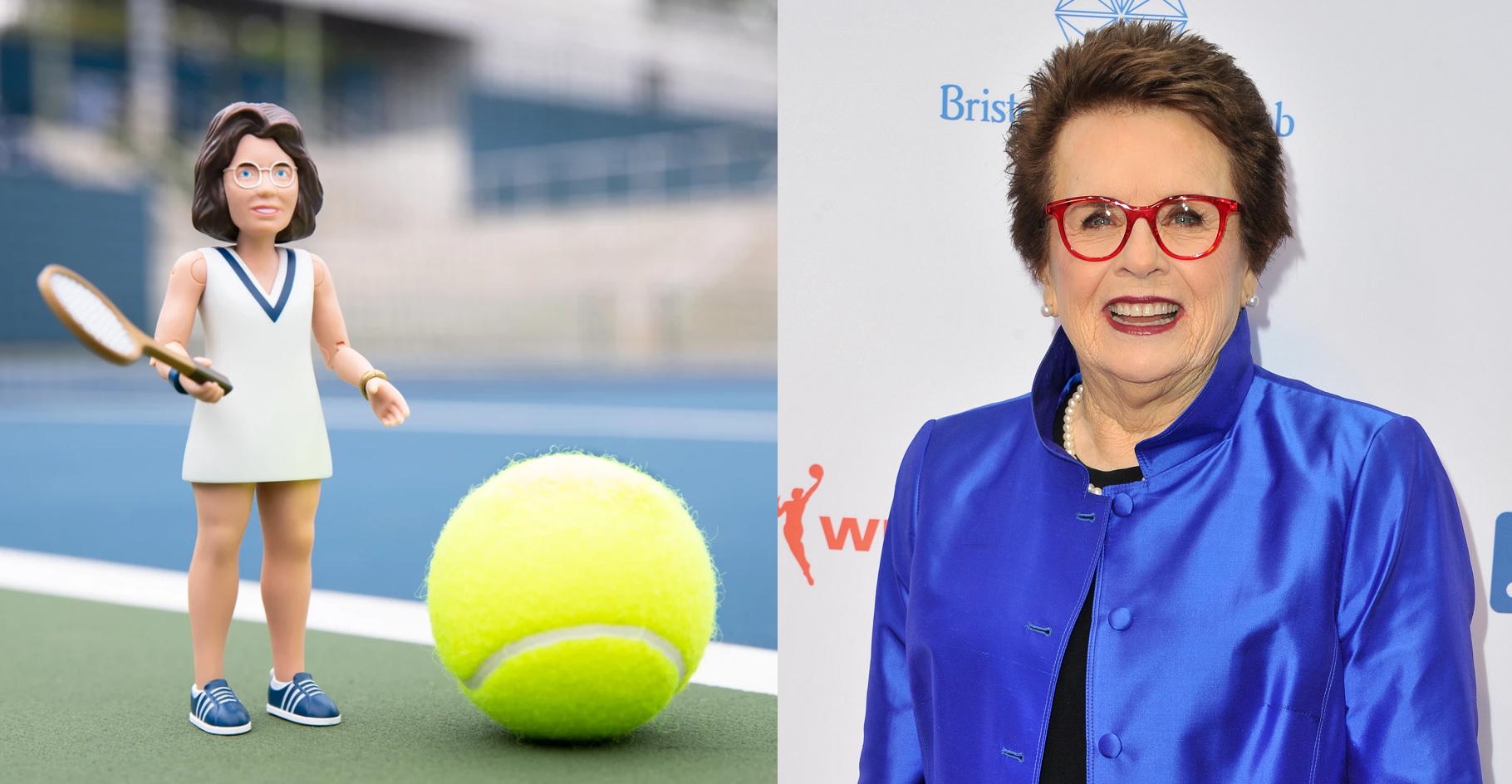
Billie Jean King’s public coming out in 1981 marked a foundational turning point in sports history, fundamentally reshaping the lesbian narrative by forcing mainstream media, athletic institutions, and society to confront the reality of LGBTQ+ identity among elite competitors. Her journey from forced secrecy to becoming an unapologetic advocate transformed the cultural landscape for generations of athletes.
The Historical Context of Women’s Athletics Before 1981
To understand the magnitude of Billie Jean King’s experience, one must examine the tightly policed environment of women’s sports in the mid-20th century. Athletic institutions, corporate sponsors, and governing bodies operated under strict heteronormative expectations. Female athletes were frequently marketed through a lens of conventional femininity to appease conservative audiences and secure financial backing.
During this era, the mere existence of lesbians in sports was met with a pervasive conspiracy of silence. Homophobia was institutionalized, functioning not through overt, formalized bans in most cases, but through informal threats of ostracization, contract terminations, and social ruin. Athletes understood that any deviation from traditional gender roles could instantly derail their careers. This climate of fear forced many competitors into elaborate facades, hiding their personal lives behind marriages of convenience or isolating themselves from romantic relationships altogether.
The media played a complicit role in maintaining this status quo. Journalistic coverage routinely sanitized the personal lives of prominent female sports figures, ignoring or actively erasing any indicators of same-sex partnerships. When rumors did surface, they were often weaponized to discredit athletes or diminish their competitive achievements. Consequently, the lesbian narrative in sports was entirely underground, existing only in whispered conversations within locker rooms and private social networks.
The 1981 Outing and Its Immediate Fallout
The paradigm shifted irreversibly in May 1981 when Billie Jean King was involuntarily outed through a palimony lawsuit filed by her former partner, Marilyn Barnett. This high-profile legal battle shattered the privacy King had desperately maintained while navigating a high-profile marriage to Larry King.
The immediate aftermath was a masterclass in corporate and social abandonment. Within 24 hours of the story breaking, King faced a catastrophic financial and professional crisis. Major corporate sponsors, fearful of controversy and consumer backlash, swiftly dropped her from endorsement contracts. The economic impact was immediate and severe, costing her hundreds of thousands of dollars in a single week—an immense sum in the early 1980s.
| Category | Impact of the 1981 Outing |
|---|---|
| Corporate Sponsorships | Immediate loss of major multi-year contracts |
| Public Perception | Severe scrutiny and initial fan alienation |
| Professional Stance | Forced public acknowledgment under duress |
| Long-term Legacy | Catalyzed modern LGBTQ+ advocacy in sports |
The public reaction mirrored the institutional panic. While King attempted to handle the press conference with poise, acknowledging the relationship while simultaneously struggling with the reality that her private life had been placed on public trial, the cultural shockwaves were profound. Religious organizations, conservative commentators, and traditional sports fans subjected her to intense scrutiny. Yet, despite the vitriol, King’s forced disclosure cracked open a door that could never be closed again. She became the most prominent female athlete of her generation to be publicly associated with a same-sex relationship, instantly transforming her into a reluctant pioneer for queer visibility.
Evolution of LGBTQ+ Representation in Professional Athletics
Following King’s coming out, the lesbian narrative in sports entered a transitional phase characterized by slow, incremental visibility, followed decades later by widespread, institutional acceptance. In the years immediately following 1981, few athletes felt safe enough to follow King’s lead. The cautionary tale of her lost sponsorships served as a deterrent for a generation of competitors.
However, as societal attitudes shifted toward the end of the 20th century, courageous trailblazers began to challenge the status quo. Tennis player Martina Navratilova came out publicly in 1981 shortly after King, experiencing a similarly brutal backlash from fans and corporate entities before eventually reclaiming her status as an iconic sports legend and activist. Navratilova’s longevity and dominance on the court proved that excellence could eventually outshine prejudice, though the personal toll remained heavy.
| Athlete / Era | Public Coming Out | Primary Challenge Faced | Institutional Impact |
|---|---|---|---|
| Billie Jean King (1980s) | 1981 (Involuntary) | Loss of endorsements, intense media scrutiny | Broke the ultimate taboo in mainstream sports |
| Martina Navratilova (1980s–90s) | 1981 (Post-outing) | Fan hostility, loss of marketability | Demonstrated resilience and athletic supremacy |
| Modern Era (2010s–Present) | Proactive / Early Career | Cyberbullying, shifting political climates | Normalization, league-backed inclusion initiatives |
By the 21st century, the landscape had shifted dramatically. The formation of leagues like the Women’s National Basketball Association (WNBA) provided a more welcoming ecosystem where lesbian athletes could live and play openly. The WNBA, in particular, embraced its LGBTQ+ fan base and players, transforming from a space of cautious silence into a vanguard of queer representation in professional sports.
Intersection of Activism, Feminism, and Queer Rights
Billie Jean King’s legacy cannot be compartmentalized solely within the boundaries of athletic achievement or queer history; it sits at the precise intersection of feminism, civil rights, and sports activism. When she founded the Women’s Tennis Association (WTA) in 1973 and fought for equal prize money at the US Open, her vision of equality was inherently intersectional, even if the terminology of the era was less refined.
King understood that the liberation of female athletes required dismantling both sexist wage structures and heteronormative control over women's bodies and private lives. By tying the fight for pay equity to the broader struggle for human rights, she elevated the discourse. Her advocacy demonstrated that policing the private lives of female athletes was merely another tool used to undermine their autonomy and professional authority.
This intersectional approach paved the way for modern athletic activism. Today’s sports figures frequently leverage their platforms for social justice, drawing a direct lineage from King’s willingness to risk her career for authenticity. The narrative evolved from mere survival—hiding in plain sight—to active empowerment, where lesbian and queer athletes demand not only acceptance, but equity, safety, and respect across all levels of competition.
Common Misconceptions Regarding Out Athletes in Sports History
Discussions surrounding the history of lesbians in sports are frequently encumbered by myths and historical revisions. Addressing these misconceptions is vital for maintaining an accurate understanding of how queer athletes navigated past eras.
- Myth: Queer athletes were entirely absent from sports prior to the 1980s. Reality: Lesbian and bisexual women have always been foundational to the development and success of women's sports. They were simply forced into secrecy by institutional policies and social terror.
- Myth: Billie Jean King planned her coming out as a political statement. Reality: King was forcefully outed through a costly and invasive lawsuit, turning a private trauma into a very public reckoning. Her heroism lies in how she subsequently embraced that involuntary spotlight.
- Myth: Acceptance of LGBTQ+ athletes was an overnight corporate decision. Reality: The shift from the hostile commercial environment of 1981 to modern corporate pride sponsorships took decades of relentless advocacy, legal battles, and cultural shifts led by athletes and grassroots organizations.
Practical Advice and Resources for Supporting LGBTQ+ Athletes Today
For coaches, administrators, fans, and athletes seeking to foster inclusive environments in contemporary sports, understanding history is only the first step. Creating safe spaces requires deliberate action and adherence to modern standards of equity.
- Audit Institutional Policies: Ensure that organizational codes of conduct explicitly protect athletes and staff from discrimination based on sexual orientation and gender identity.
- Educate Leadership: Provide mandatory cultural competency training for coaching staffs, referees, and athletic directors to eliminate microaggressions and biased enforcement of rules.
- Create Safe Channels: Establish anonymous reporting mechanisms for harassment or discrimination, ensuring that athletes can seek help without fear of retaliation or loss of playing time.
- Engage with Community Resources: Partner with organizations specializing in LGBTQ+ sports inclusion, such as Athlete Ally, to implement best practices for locker room and facility equity.
By implementing these measures, sports organizations honor the painful sacrifices made by pioneers like Billie Jean King, ensuring that future generations of athletes are judged solely by their character and athletic capability rather than their personal lives.
Frequently Asked Questions
Why was Billie Jean King’s coming out considered a watershed moment for sports?
Her coming out shattered the long-standing conspiracy of silence surrounding homosexuality in elite athletics. As one of the most recognizable and successful athletes in the world, her public association with a same-sex relationship forced the media, corporate sponsors, and sports governing bodies to acknowledge the existence and humanity of LGBTQ+ competitors.
How did the sports industry react to Billie Jean King in 1981?
The immediate reaction was hostile and economically punishing. King lost nearly all of her major corporate endorsements within days of the story breaking, and she faced intense public scrutiny. This hostile climate demonstrated the severe professional risks associated with being an out athlete during that era.
Did Martina Navratilova face similar challenges after coming out?
Yes. Following her public coming out shortly after King’s in 1981, Navratilova experienced a significant backlash from fans, conservative commentators, and corporate sponsors who feared association with the controversy. She persevered through this adversity, eventually becoming one of the most vocal and celebrated LGBTQ+ rights activists in sports history.
How has the WNBA influenced LGBTQ+ representation in sports?
The WNBA has played a pivotal role in normalizing queer visibility by actively embracing its LGBTQ+ players and fans. Unlike earlier eras where silence was mandated, the league and its franchises have championed inclusion, making women's professional basketball a beacon of progressive social policy in sports.
What lessons does Billie Jean King's story offer for modern athletes?
King’s journey underscores the vital importance of authenticity, resilience, and intersectional advocacy. It teaches modern athletes that while speaking truth to power carries professional and personal risks, collective progress relies on refusing to hide one's identity to appease prejudiced institutions.
Image Gallery
Select an image to open it in a new tab.


Declan O'Connor
Higher Education and Campus Culture Reporter
