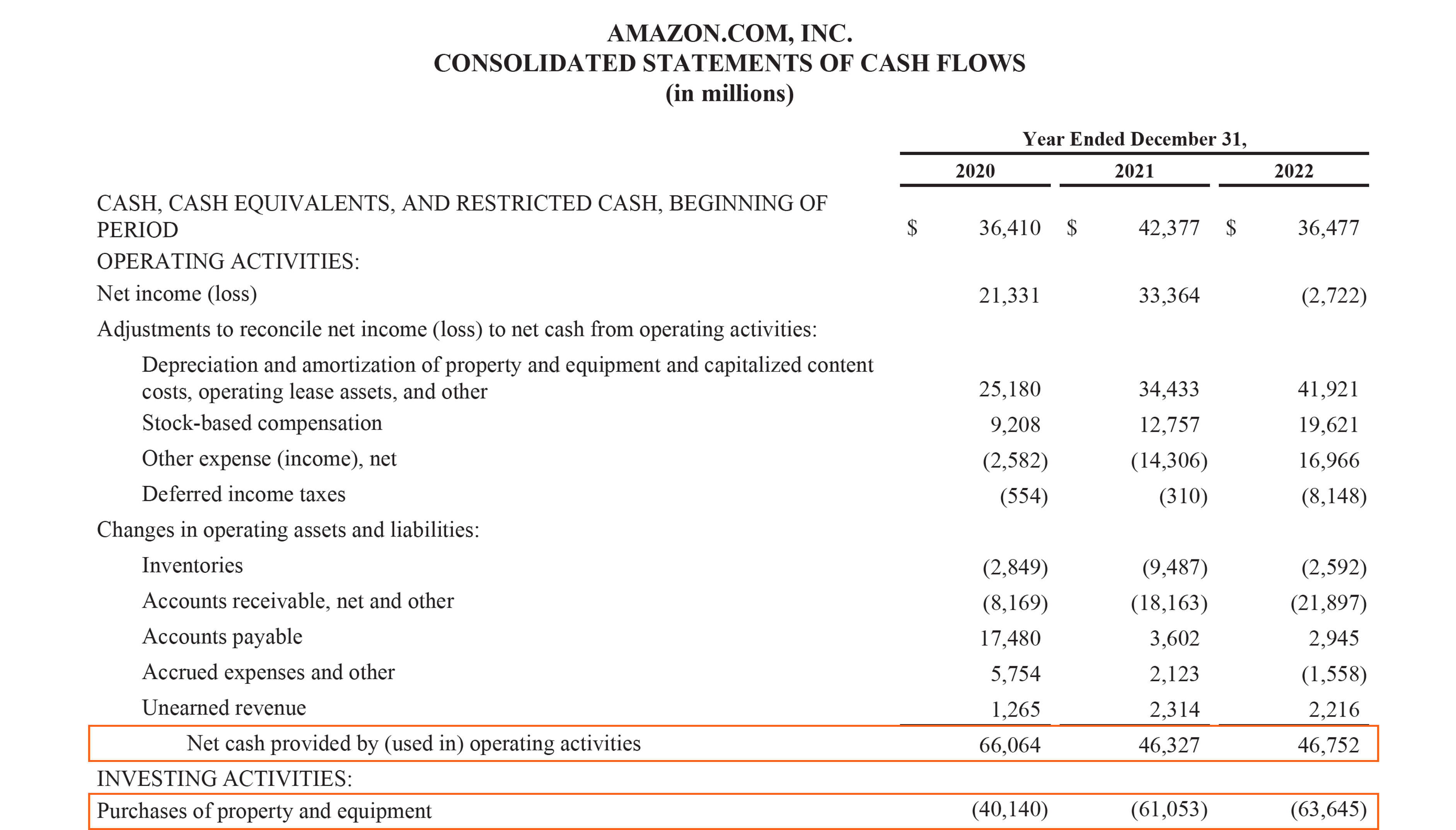
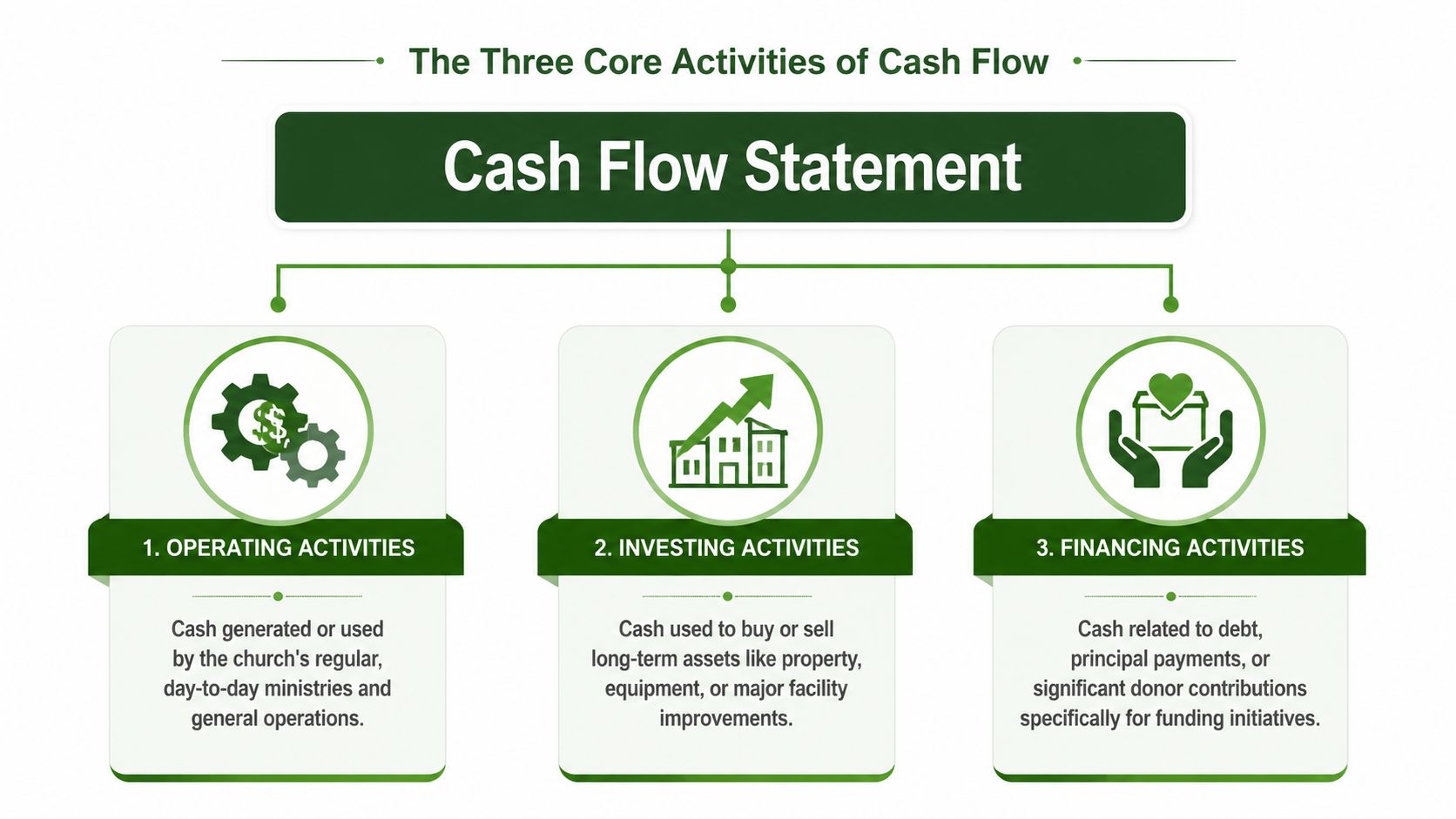
The statement of cash flows is one of the three primary financial statements, reporting how a company generates and consumes cash over a specific period. It is categorized into three distinct activities: operating, investing, and financing. These segments reveal whether a business is self-sustaining, growing through capital expenditure, or relying on debt and equity markets to maintain operations.
The Anatomy of the Statement of Cash Flows
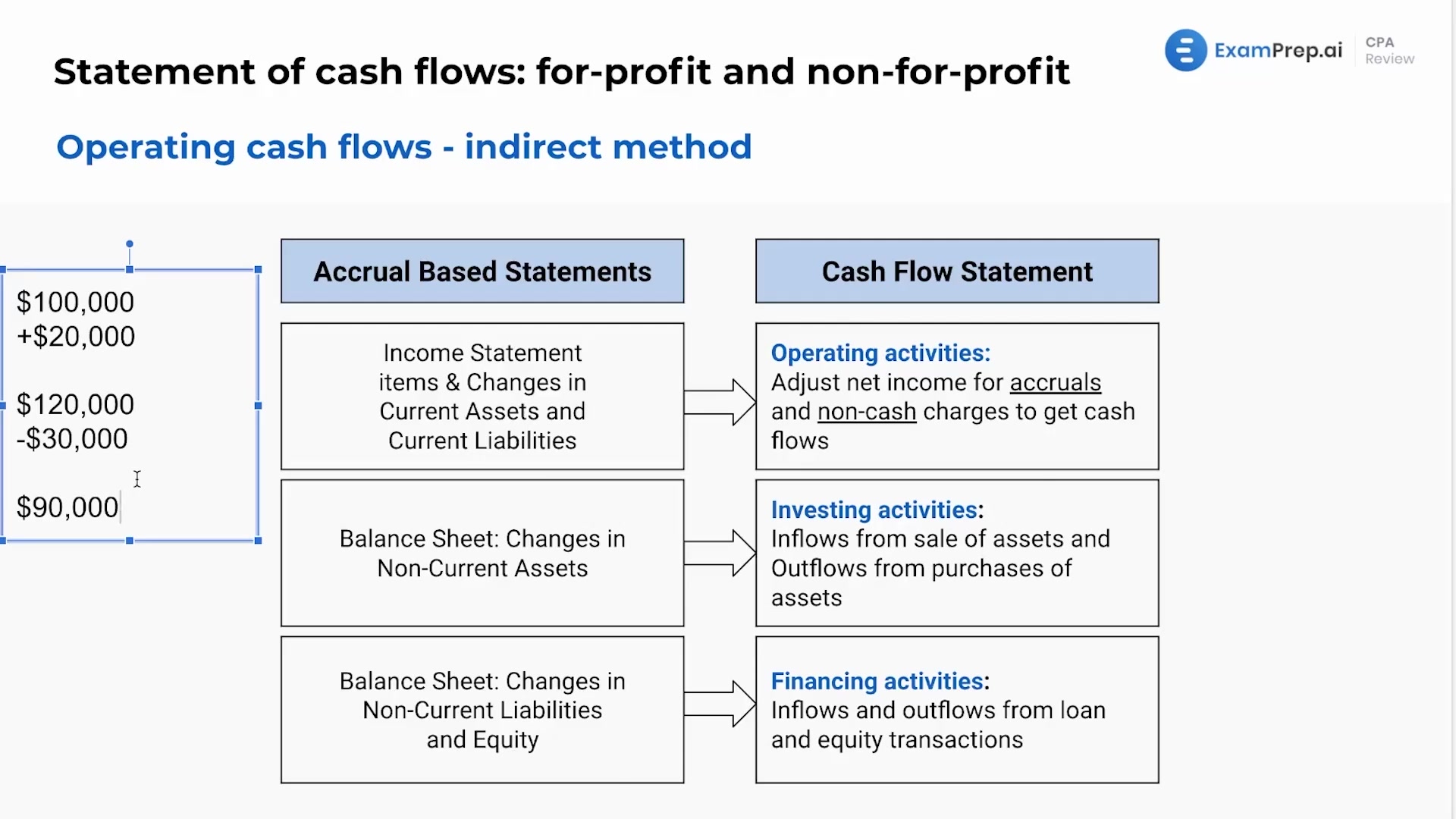
Financial statements such as the balance sheet and income statement are often prepared using the accrual basis of accounting, which records revenue when earned and expenses when incurred, regardless of when cash actually changes hands. The statement of cash flows acts as a vital bridge, reconciling net income with the actual cash position of the firm. By isolating cash movements into three specific buckets, investors and creditors can determine the liquidity, solvency, and operational efficiency of an entity.
Understanding these three categories allows stakeholders to move beyond "profit" and analyze the sustainability of a business model. A company may show a healthy net income on its income statement but still face bankruptcy if it cannot convert that profit into cash flow to meet its obligations.
Operating Cash Flow (OCF): The Lifeblood of the Business
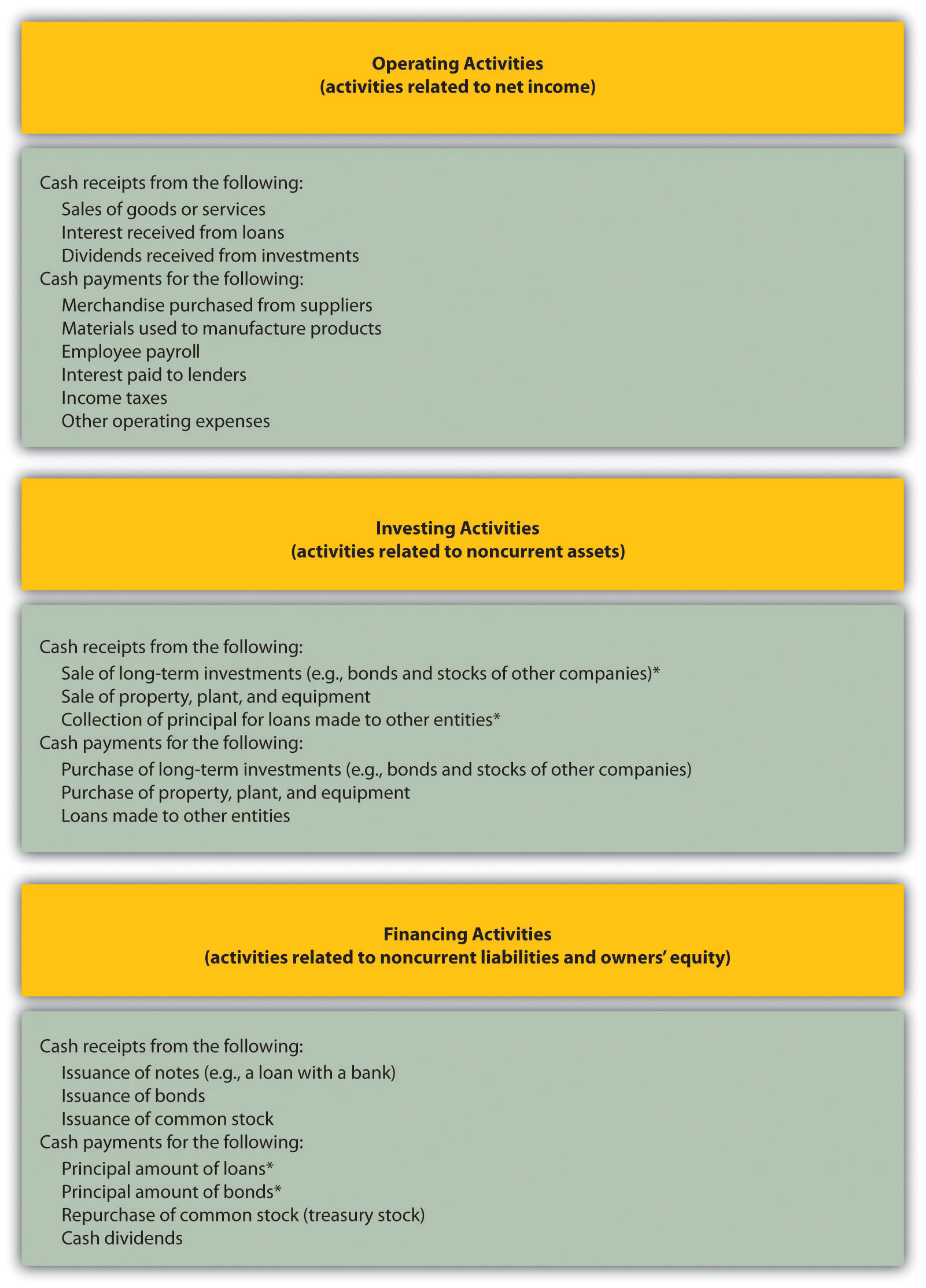
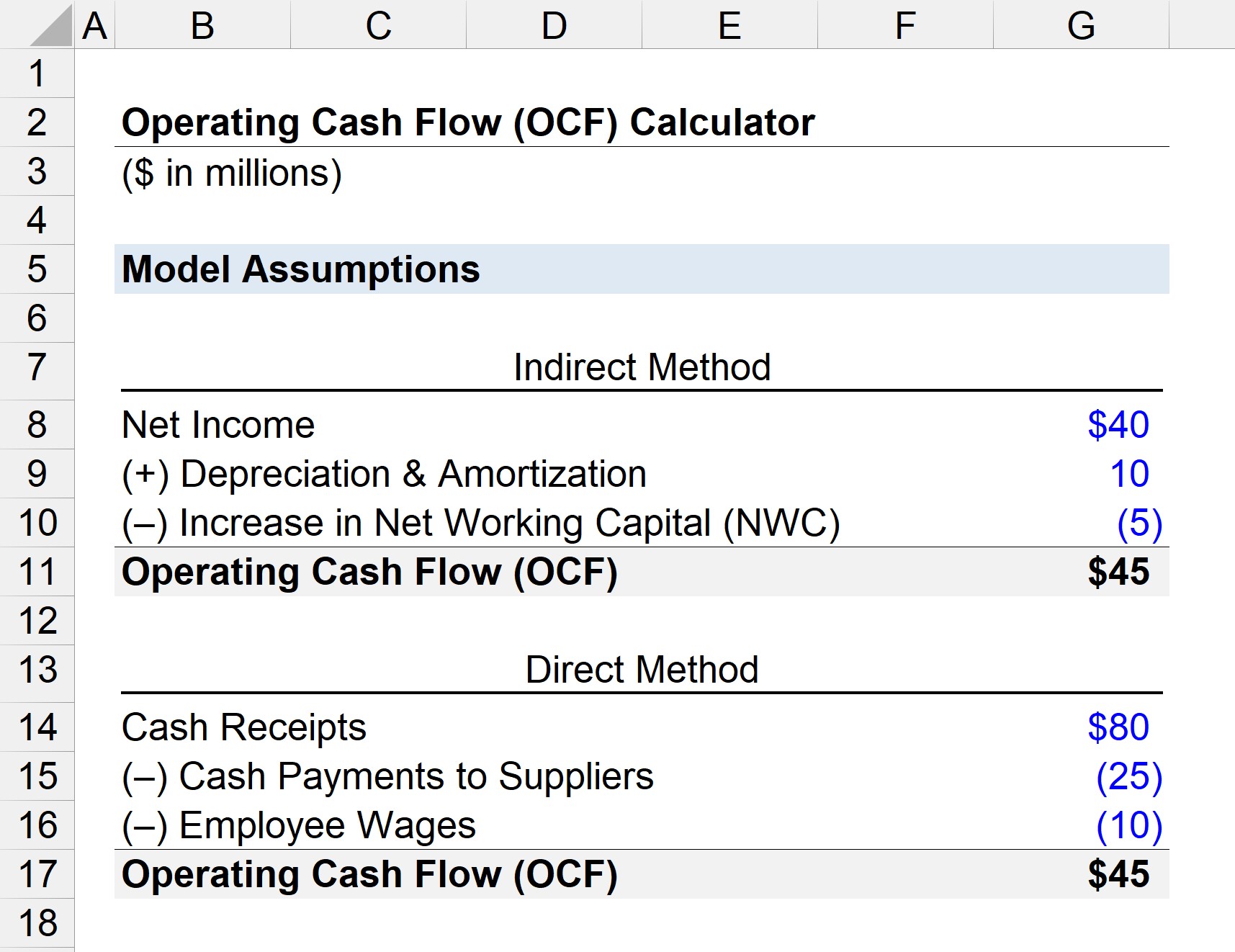
Operating cash flow represents the cash generated from the primary, revenue-producing activities of the business. It is the most critical metric for long-term survival because it demonstrates whether a company can generate enough cash to maintain its operations without external financing.
Operating cash flow is generally calculated starting with net income, which is then adjusted for non-cash items (such as depreciation and amortization) and changes in working capital (such as accounts receivable, inventory, and accounts payable).
- Positive Operating Cash Flow: This suggests that the core business is profitable and efficient at collecting payments from customers. It indicates that the company is "self-funding."
- Negative Operating Cash Flow: This could indicate systemic problems in the business model, such as over-extended credit terms to customers, ballooning inventory levels, or simply an unprofitable core operation.
It is important to distinguish between high profits and high operating cash flow. If a firm reports high net income but consistently negative operating cash flow, it may be struggling to collect its receivables—a classic warning sign of potential future liquidity crises.
Investing Cash Flow: Tracking Growth and Assets
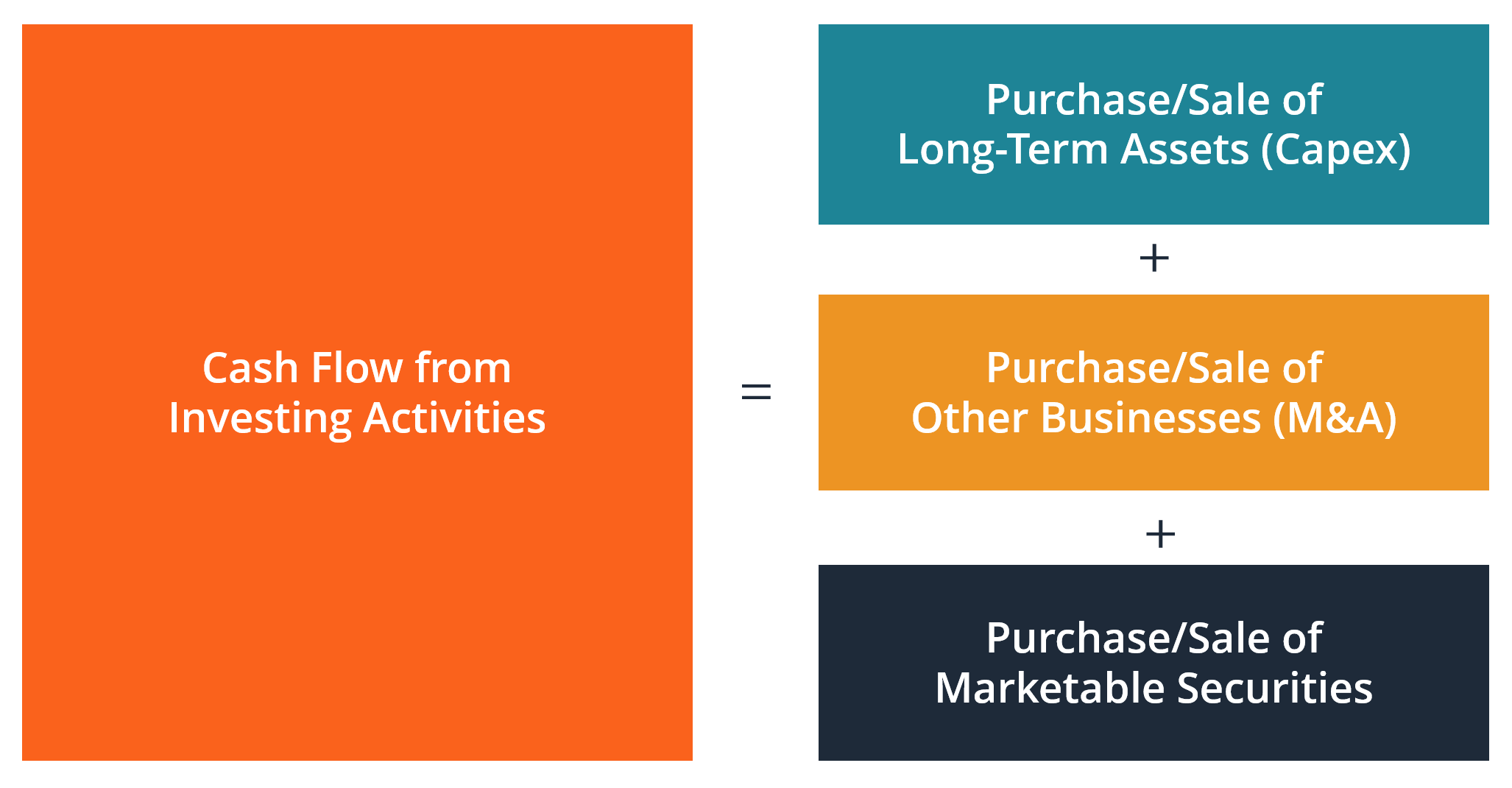
Investing activities encompass the acquisition and disposal of long-term assets and other investments that are not considered cash equivalents. This section effectively maps how a company is spending its cash today to generate potential future revenue.
Common entries in the investing cash flow section include:
- Capital Expenditures (CapEx): Cash spent on property, plant, and equipment (PP&E). This is essential for companies looking to scale or modernize production.
- Acquisitions: Cash spent to purchase other companies or business units.
- Sale of Assets: Cash inflows from selling equipment, buildings, or other non-core assets.
- Investments in Securities: Purchases or sales of stocks, bonds, or other financial instruments that are not classified as cash equivalents.
When analyzing investing cash flow, stakeholders look for a "healthy" deficit. If a growing technology or manufacturing company has negative investing cash flow, it usually means they are actively investing in their future by purchasing new equipment or R&D infrastructure. Conversely, if a company is consistently selling its assets to generate cash, it may be a sign of distress, indicating that the business is liquidating its foundation to keep the doors open.
Financing Cash Flow: Managing the Capital Structure
Financing cash flow reflects the transactions between the company and its owners or creditors. This section reveals how the business funds its operations and growth, highlighting the balance between equity (shares) and debt (loans).
Key elements of financing cash flow include:
- Issuance of Debt: Cash inflows from taking out loans or issuing bonds.
- Repayment of Debt: Cash outflows used to reduce the principal amount of loans.
- Equity Transactions: Cash inflows from issuing new shares of stock or outflows from share buybacks.
- Dividends: Cash payments made to shareholders as a distribution of profits.
Financing activities are highly dependent on the lifecycle stage of a company. A startup might show significant positive financing cash flow as it raises capital from venture capitalists or takes on bridge loans. A mature, "blue-chip" corporation, however, might show negative financing cash flow as it prioritizes paying off debt and returning value to shareholders via dividends and stock repurchases.
Comparing Cash Flow Components
| Activity | Primary Focus | Typical Cash Direction (Growth Phase) |
|---|---|---|
| Operating | Day-to-day core business revenue and expenses. | Inflow (Positive) |
| Investing | Long-term assets, CapEx, and external investments. | Outflow (Negative) |
| Financing | Debt issuance/repayment and equity transactions. | Inflow (Positive) |
Analyzing the Synergy Between Categories
An effective analysis of these three sections involves looking for patterns. For example, a "healthy" high-growth company often displays:
- Positive Operating Cash Flow: The engine is running and producing cash.
- Negative Investing Cash Flow: The company is reinvesting that cash into new machinery or technology to expand.
- Variable Financing Cash Flow: The company may use a mix of debt and equity to bridge the gap between internal cash flow and the scale of its investment needs.
If these categories move in opposition—for instance, if operating cash flow is declining while financing cash flow increases—it often signals that the company is relying on external debt to cover up holes in its core business operations. This "debt-dependent" growth is often unsustainable in the long run.
Common Pitfalls and Troubleshooting
When reading a statement of cash flows, practitioners should be aware of several common traps:
- Ignoring Working Capital Changes: A company might look like it is growing, but if its "Accounts Receivable" is spiking, it means they are effectively lending their own cash to customers rather than collecting it.
- Misinterpreting Depreciation: Remember that depreciation is added back to net income because it is a non-cash expense. It does not represent a cash inflow, but rather an accounting adjustment that must be neutralized to see the real cash position.
- Ignoring Share Buybacks: Often, companies will engage in share buybacks to artificially increase Earnings Per Share (EPS). Checking the financing section for large cash outflows related to "treasury stock" or "repurchase of common stock" provides a clearer picture of how capital is truly being allocated.
Frequently Asked Questions
Why is operating cash flow often different from net income? Net income is based on the accrual method, which includes non-cash items like depreciation, and records revenue when a contract is signed, not necessarily when cash is received. Operating cash flow tracks the physical movement of money, stripping away these accounting adjustments to show the actual liquidity.
What does it mean if a company has negative cash flow from all three categories? This is typically a "red flag" signaling severe financial distress. It implies the company is failing to generate cash from operations, has stopped investing in its future, and is unable to attract new financing from lenders or investors.
Is negative investing cash flow always a bad sign? No. In fact, for a growing company, it is usually a sign of strength. It indicates that management is actively putting money back into the business to purchase assets that will drive future profits.
How do dividends affect financing cash flow? Dividends represent a return of capital to shareholders. Because this is a transaction involving the owners of the company, it is classified as a financing activity and typically results in a cash outflow.
What is the "Free Cash Flow" calculation? Free Cash Flow (FCF) is a performance metric often derived from the statement of cash flows. It is generally calculated as Operating Cash Flow minus Capital Expenditures (CapEx). It represents the cash that a company is able to generate after accounting for the maintenance or expansion of its asset base.
Strategic Conclusion
To master the interpretation of cash flow, one must view the three categories as a story of the company’s health. Operating cash flow tells you if the business model is viable; investing cash flow reveals the company's commitment to growth; and financing cash flow illustrates the company's reliance on external capital. As a next step, examine the annual reports of publicly traded companies—specifically the "Statement of Cash Flows"—and compare these three categories over a three-year period to identify trends in management's capital allocation strategy.

Image Gallery
Select an image to open it in a new tab.



Ingrid Bjornson
Global Cyber Policy and Regulation Analyst
