
The South Carolina Workers' Compensation Schedule of Injuries is a statutory table that determines the number of weeks of benefits an injured worker is entitled to receive for a permanent partial disability. It specifically governs losses or the loss of use of scheduled body parts, such as limbs, eyes, or ears, ensuring that compensation is calculated consistently based on anatomical impairment.
The Foundation of Permanent Partial Disability
When an employee sustains a work-related injury that results in a permanent impairment, the South Carolina Workers' Compensation Commission (SCWCC) applies a structured approach to determine the compensation owed. Unlike temporary total disability benefits, which cover the period during which a worker is recovering and unable to work, permanent partial disability (PPD) benefits are designed to compensate for the lasting impact of an injury that has reached "maximum medical improvement" (MMI).
Maximum medical improvement is a critical legal and medical milestone in South Carolina. It represents the point at which an injured worker’s condition has stabilized, and no further significant medical improvement or deterioration is expected. Once a physician assigns an impairment rating—usually based on the American Medical Association’s (AMA) Guidelines to the Evaluation of Permanent Impairment—the schedule of injuries provides the framework for converting that physical rating into a monetary value.
How the Schedule Functions
The South Carolina schedule of injuries, found under the state’s workers’ compensation laws, lists specific body parts and assigns a maximum number of weeks of compensation for the total loss or total loss of use of that part. If an injury results in a "partial" loss of use, the number of weeks is calculated as a percentage of the total weeks listed for that specific body part.
For example, if the law dictates that total loss of a thumb is worth a set number of weeks, and a physician determines the worker has a 20% permanent loss of use of that thumb, the compensation awarded would be 20% of the total weeks assigned to the thumb. This mathematical precision is intended to minimize subjective disputes, though disagreements often arise regarding the accuracy of the impairment rating assigned by the medical provider.
Common Body Parts and Statutory Weeks
The schedule is strictly codified, meaning the number of weeks assigned to a body part is not subject to negotiation or opinion; it is a fixed statutory requirement. Understanding which body parts are "scheduled" versus "unscheduled" is vital for navigating a claim.
Scheduled injuries typically involve extremities (arms, legs, hands, feet) and sensory organs (eyes, ears). Unscheduled injuries—often referred to as "body as a whole" injuries—involve the back, neck, head, or internal organs. These are treated differently under South Carolina law, as they do not follow the rigid week-by-week schedule applicable to extremities.
| Body Part / Injury Type | Maximum Weeks Allowed (Statutory Limit) |
|---|---|
| Thumb | 65 |
| First Finger (Index) | 40 |
| Second Finger (Middle) | 35 |
| Third Finger (Ring) | 25 |
| Fourth Finger (Little) | 20 |
| Great Toe | 35 |
| Other Toes | 10 |
| Hand | 185 |
| Arm | 220 |
| Foot | 140 |
| Leg | 195 |
| Eye | 140 |
| Ear (Loss of hearing) | 80 |
Note: The figures above reflect established statutory maximums under South Carolina law. Always verify the most current version of the South Carolina Workers' Compensation Act, as amendments can influence the interpretation of these figures.
The Role of Impairment Ratings
The impairment rating is the medical assessment of how much function a worker has permanently lost. This rating is typically expressed as a percentage. It is crucial to note that the impairment rating is distinct from a "disability rating." An impairment rating is purely medical, whereas a disability rating can encompass economic factors, such as the worker's ability to return to their previous occupation or earn a comparable wage.
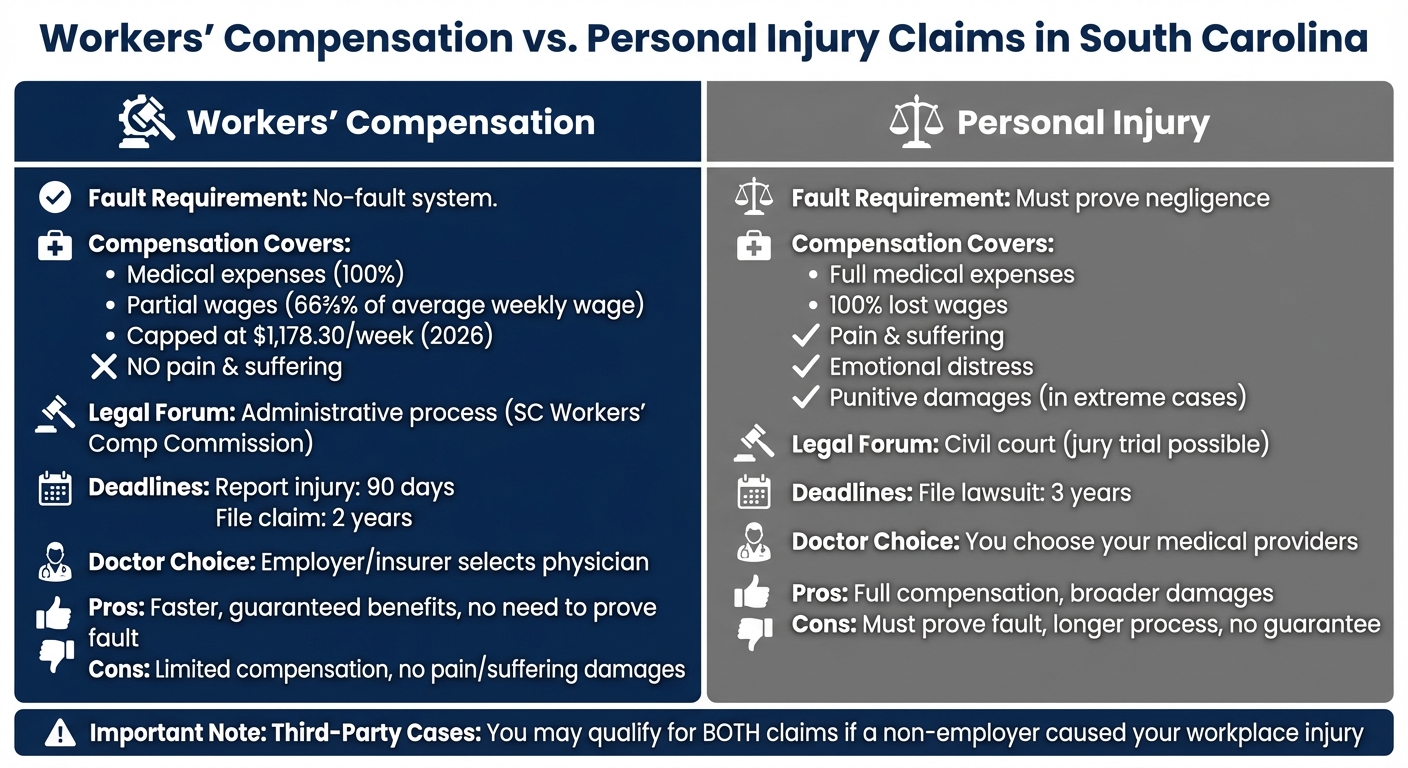
In South Carolina, the employer or their insurance carrier is responsible for providing medical care. Often, the carrier’s chosen physician will provide the impairment rating. However, if the injured worker disagrees with the rating, they have the right to challenge it, often by seeking an independent medical examination (IME). Obtaining an accurate rating is the most significant factor in maximizing the benefits received under the schedule.
Unscheduled Injuries: "Body as a Whole"
When an injury involves parts of the body not specifically listed on the schedule—most commonly the spine (back/neck)—the calculation method changes. These are known as "body as a whole" injuries. Instead of a set number of weeks based on the limb, the law provides for a maximum of 500 weeks for permanent partial disability.
The calculation for these injuries is more complex and often involves a subjective assessment of the worker's long-term earning capacity and physical limitations. Because the schedule does not provide a "fixed" number of weeks per percentage of impairment in the same way it does for a finger or a leg, these cases are frequently subject to litigation or mediation to arrive at a fair settlement amount.
Determining the Weekly Benefit Rate
Once the number of weeks is determined by the schedule, the final compensation amount is calculated by multiplying that number by the worker's "compensation rate." In South Carolina, the compensation rate is typically two-thirds of the worker's average weekly wage, subject to a statutory maximum set by the state.
The formula is as follows: (Total Statutory Weeks for Body Part) × (Percentage of Loss) × (Weekly Compensation Rate) = Total PPD Benefit.
It is vital to maintain accurate records of your earnings prior to the injury to ensure the insurance carrier correctly calculates the average weekly wage. If the carrier underestimates your earnings, your permanent partial disability payment will be lower than what you are legally entitled to receive.
Steps to Take Following a Permanent Injury
- Medical Stabilization: Ensure you have reached maximum medical improvement as documented by your physician. Do not settle your claim prematurely.
- Review the Rating: Obtain a copy of the impairment rating report. If you believe the percentage is too low, consult with a professional regarding the potential for an independent medical evaluation.
- Verify the Wage Calculation: Confirm that the insurance carrier has used your correct average weekly wage, including bonuses, overtime, and benefits, to calculate your compensation rate.
- Negotiate or Litigate: Most workers' compensation claims in South Carolina are resolved through a settlement agreement (Form 16A or Form 16). Ensure any agreement clearly accounts for the permanent partial disability rating and that you understand the terms of the settlement.
- Seek Legal Guidance: Because workers' compensation law involves complex procedural requirements and strict statutory deadlines, consulting with a qualified professional who focuses on South Carolina law is often necessary to ensure your rights are protected.
Limitations and Exceptions
It is important to recognize that not all permanent impairments lead to a payout under the schedule. If an injury does not result in a measurable permanent impairment, there may be no entitlement to PPD benefits. Furthermore, if you return to work at the same or higher wages, it does not automatically disqualify you from receiving PPD benefits for a scheduled injury, but it can complicate the evaluation of unscheduled, "body as a whole" injuries.
Be aware that there are strict filing deadlines. In South Carolina, you generally have two years from the date of the accident to file a claim. Failing to act within this timeframe can result in the loss of your right to claim compensation, even if the injury is objectively permanent and serious.
Professional Advice Limitation
This article is for informational purposes only and does not constitute legal or medical advice. Workers' compensation laws in South Carolina are subject to change, and individual case outcomes depend on specific medical evidence, employment history, and statutory interpretation. If you are injured on the job, it is highly recommended that you contact the South Carolina Workers' Compensation Commission or a legal practitioner specializing in state labor laws to discuss the nuances of your specific claim.
Frequently Asked Questions
What is the difference between temporary and permanent benefits? Temporary benefits cover the time you are unable to work while recovering from your injury. Permanent benefits (PPD) are paid after you have reached maximum medical improvement to compensate for a lasting physical impairment or loss of function.
Does a permanent impairment rating mean I have to stop working? No. Many workers receive a permanent impairment rating for a scheduled injury and continue to work in their previous role. The rating is an acknowledgment of the permanent damage to the body part, regardless of your employment status.
Can I get a second opinion on my impairment rating? Yes. If you disagree with the rating assigned by the employer's doctor, you have the right to seek an independent medical examination. The results of this examination can be used as evidence to negotiate a higher impairment rating.
What happens if I have an injury to my back? Back injuries are considered "unscheduled" or "body as a whole" injuries. They do not follow the rigid week-based schedule of extremities and are instead governed by a 500-week maximum, with calculations often involving a broader assessment of long-term disability.
Is there a deadline to file for permanent disability? Yes. In South Carolina, you generally must file your claim within two years of the date of the injury. Consult the South Carolina Workers' Compensation Commission guidelines to ensure your filings are timely to avoid being barred from benefits.
Do I need a lawyer for my schedule of injuries claim? While you are not required to have an attorney, navigating the medical-legal requirements of impairment ratings and the South Carolina Workers' Compensation Act can be difficult. Professional assistance is often beneficial for ensuring that the impairment rating is accurate and that the settlement reflects the full extent of your injury.
Final Recommendation
The most effective path to ensuring you receive fair compensation under the South Carolina Workers' Compensation Schedule of Injuries is to remain actively involved in your medical care. Request copies of all medical records, ensure your physician is aware of all functional limitations you experience, and monitor your impairment rating closely. If you believe your rating does not reflect your true physical condition, do not accept the initial offer; seek independent verification before signing any final settlement documents.

Image Gallery
Select an image to open it in a new tab.



Ingrid Bjornson
Global Cyber Policy and Regulation Analyst
