Understanding the NCCI Basic Manual for Workers Compensation and Employers Liability Insurance
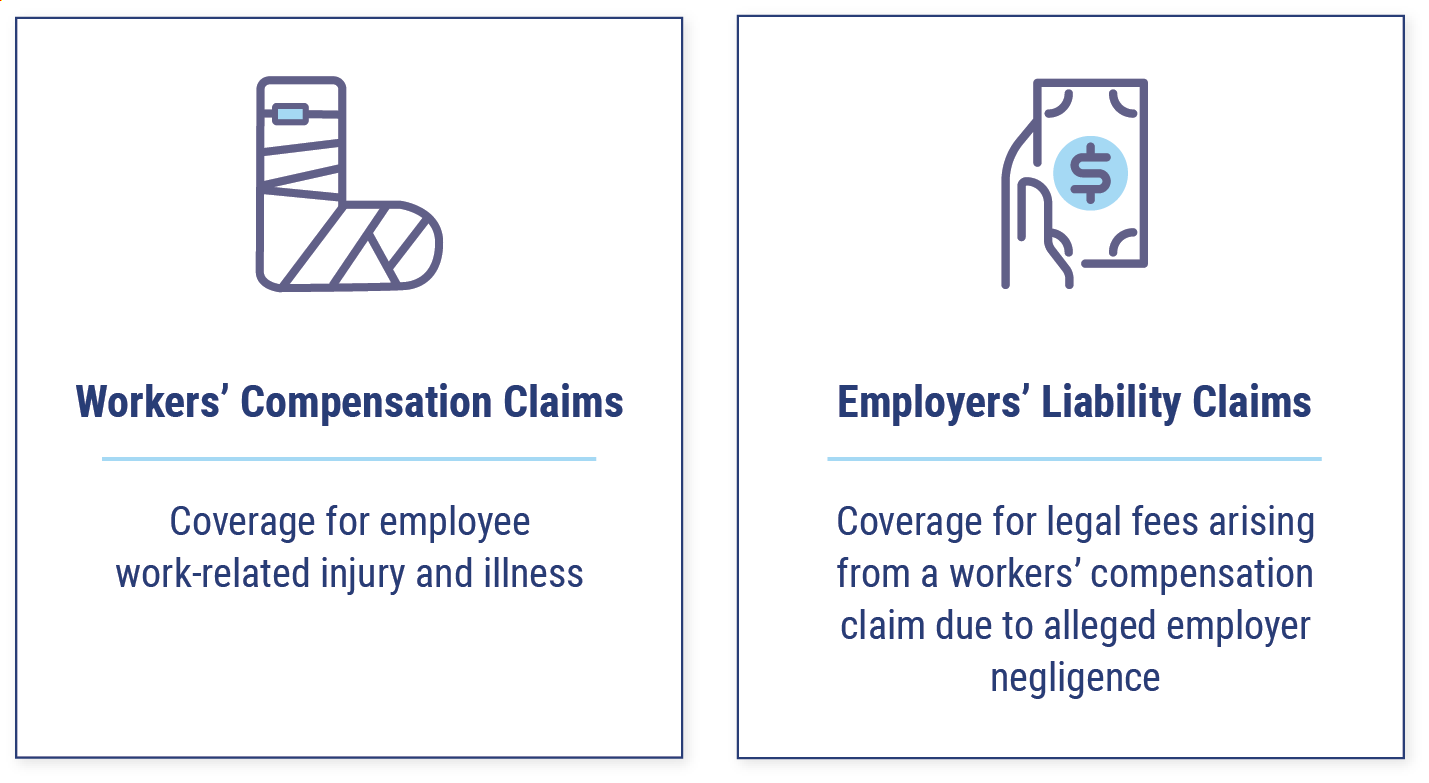
The NCCI Basic Manual is the primary regulatory resource used by insurance professionals and businesses to govern the administration, classification, and premium determination of workers compensation and employers liability insurance. It establishes the standardized rules, classifications, and state-specific exceptions required to maintain a uniform insurance system across participating jurisdictions as of 2026.
Workers compensation is often described as the "exclusive remedy" for workplace injuries, but the mechanism that makes this system function is a massive collection of rules known as the NCCI Basic Manual for Workers Compensation and Employers Liability Insurance. Managed by the National Council on Compensation Insurance (NCCI), this manual serves as the definitive guide for how policies are written, how businesses are categorized by risk, and how premiums are ultimately calculated.
For business owners, HR directors, and insurance agents in 2026, a deep understanding of this manual is not merely an academic exercise. It is a financial necessity. Misinterpreting a single rule in the Basic Manual can lead to significant premium overpayments, unexpected audit liabilities, or gaps in coverage that expose a company to litigation.
The Role of NCCI in the Insurance Ecosystem
Before diving into the manual itself, it is essential to understand the organization behind it. The National Council on Compensation Insurance (NCCI) is a US insurance rating and data collection bureau. While it is not a government agency, it is licensed by state insurance departments to act as their "rating organization" or "statistical agent."
In 2026, NCCI operates in 38 "NCCI states" (plus the District of Columbia), providing the data-driven foundation for workers' compensation rates. The Basic Manual is the vehicle through which NCCI communicates the standardized language and rules that these states have adopted. Even in "independent bureau" states like California, New Jersey, or New York, which maintain their own manuals, many of the foundational concepts—such as the use of four-digit class codes—are influenced by or mirror the NCCI’s framework.
The primary goal of the Basic Manual is uniformity. By ensuring that a "carpenter" in Florida is classified using the same criteria as a "carpenter" in Colorado, NCCI allows for the aggregation of massive amounts of data. This data is then used to predict future losses and set "loss costs," which are the building blocks of insurance premiums.
Structure and Organization of the Basic Manual
The NCCI Basic Manual is organized to move from general concepts to highly specific state requirements. Navigating it requires an understanding of its three primary pillars:
1. The Rules (General Sections)
The first portion of the manual outlines the "Rules of the Game." This includes definitions of what constitutes "payroll" (remuneration), how a policy should be structured, and the procedures for canceling or renewing coverage. These rules apply broadly across all NCCI jurisdictions unless a specific state exception exists.
2. Classifications
The Classification section is perhaps the most frequently consulted part of the manual. It contains thousands of four-digit codes representing different types of business operations. Each code includes a "phraseology"—a specific description of the work covered by that code. In 2026, NCCI continues to update these phraseologies to account for technological shifts, such as the increasing automation in manufacturing and the nuances of permanent remote work.
3. State Pages
Because insurance is regulated at the state level, the Basic Manual includes specific "State Pages." These pages override the general rules or classifications when a state legislature or insurance commissioner has mandated a different approach. For example, a state might have a different definition of "executive officer" or unique rules regarding how overtime pay is treated during a premium audit.
The Core Concept: The Governing Classification
One of the most misunderstood aspects of the NCCI Basic Manual is how a business is assigned a class code. Many employers mistakenly believe that every employee is classified individually based on their specific job title. Under NCCI rules, the opposite is generally true.
The Governing Classification is the basic classification at a specific location that produces the greatest amount of payroll. The manual’s philosophy is that the business's overall operation—not the individual employee's task—dictates the risk profile.
- Example: If you own a furniture manufacturing company, your governing classification is likely Code 2883 (Furniture Manufacturing). Even the janitors, the warehouse workers, and the quality control inspectors are typically rolled into this one code because their risk is inherent to the manufacturing environment.
Standard Exceptions
The manual does provide for "Standard Exceptions." These are occupations that are so common across all industries and possess such a distinct (and usually lower) risk profile that they are classified separately from the governing class. The most common standard exceptions in 2026 include:
- Code 8810: Clerical Office Employees (working in an area physically separated from the hazards of the main business).
- Code 8742: Salespersons, Collectors, or Messengers—Outside.
- Code 8871: Clerical Telecommuter Employees (specifically for those working from a residence).
General Exclusions and Inclusions
The manual also distinguishes between "General Exclusions" (operations that are so distinct they are always classified separately, such as aviation or new construction done by a non-construction firm) and "General Inclusions" (operations like a company cafeteria or a research lab that are always included in the governing class).
Understanding Premium Determination and Remuneration
The Basic Manual defines how "Remuneration" (payroll) is calculated for the purpose of setting premiums. This is the area where the most errors occur during annual audits.
According to the NCCI rules as of 2026, remuneration includes more than just hourly wages. It generally encompasses:
- Gross wages and salaries.
- Bonuses and commissions.
- Pay for holidays, vacations, or periods of sickness.
- The market value of gifts or "payment in kind" (such as housing or meals provided as part of the job).
- Employer contributions to a 401(k) or similar retirement plan (if deducted from the employee's gross pay).
However, the manual also explicitly excludes certain items to prevent employers from being overcharged. Common exclusions include:
- Tips and other gratuities received by employees.
- Employer payments to group insurance or pension plans.
- The "premium" portion of overtime pay (e.g., if an employee earns $30/hour for overtime, but their base is $20, only the $20 base is usually auditable, while the $10 "extra" is excluded in most states).
| Component | Status in NCCI Manual | Notes/Exceptions |
|---|---|---|
| Base Hourly Wages | Included | Always the foundation of premium calculation. |
| Overtime Pay | Partial Exclusion | The "excess" portion (time-and-a-half) is often excluded if records are kept. |
| Bonuses | Included | Includes production, safety, and holiday bonuses. |
| Tips/Gratuities | Excluded | Must be documented; some states have specific minimums. |
| Severance Pay | Excluded | Generally viewed as pay after the risk of injury has ended. |
| Uniform Allowances | Excluded | If used to reimburse the employee for business expenses. |
Employers Liability: Part Two of the Policy
While "Workers Compensation" (Part One) covers the statutory benefits mandated by law, the NCCI Basic Manual also governs Employers Liability (Part Two). This part of the policy protects the employer against lawsuits arising from work-related injuries that fall outside the scope of workers' compensation statutes.
The Basic Manual sets the standard limits for Employers Liability, which are typically:
- $100,000 Bodily Injury by Accident (per accident).
- $100,000 Bodily Injury by Disease (per employee).
- $500,000 Bodily Injury by Disease (policy limit).
Businesses often require higher limits due to contractual obligations with clients or higher risk profiles. The Basic Manual provides the "Increased Limits" tables, which dictate the percentage increase in premium required to raise these limits to $500,000, $1 million, or higher. Understanding these tables is vital for risk managers in 2026 to ensure that the cost of increased protection is calculated accurately.
The Importance of Scoping and Phraseology
A critical tool within the NCCI Basic Manual is the Scoping of Classifications. NCCI does not just provide a title for a code; it provides a detailed explanation of what operations are included and excluded from that code.
In 2026, NCCI utilizes a "digital-first" manual approach where phraseologies are linked to "interpretations." These interpretations clarify whether a specific modern activity—like operating a drone for land surveying or managing a server farm—falls under an existing code or requires a new one.
If a business is misclassified, the financial impact can be devastating. A company classified under a high-risk "Roofing" code (Code 5551) when they actually perform "Siding Installation" (Code 5645) might pay double the necessary premium. Conversely, if a business is under-classified, they may face a massive "additional premium" bill following a year-end audit, potentially straining their cash flow.
Premium Audit Rules and Compliance
The Basic Manual provides the legal and procedural framework for the Premium Audit. Since workers' compensation policies are "auditable," the premium paid at the start of the year is merely an estimate. The final premium is determined after the policy period ends, based on actual payroll.
Key audit rules defined in the manual include:
- Record Keeping: Employers must maintain records that allow the auditor to segregate payroll by class code. If records are not segregated (e.g., an employee does both clerical work and warehouse work but their time isn't tracked separately), the manual dictates that the entire payroll of that employee must be assigned to the highest-rated (most expensive) classification they performed.
- Subcontractors: The manual explicitly states that if an employer hires a subcontractor who does not have their own workers' compensation insurance, the primary contractor's policy must treat that subcontractor (and their employees) as "statutory employees." The primary contractor will be charged a premium for the subcontractor’s labor.
- Ownership Changes: Rule 3 of the Basic Manual outlines how changes in ownership or entity structure must be reported. Failure to report these changes can lead to the loss of "Experience Rating" history or issues with the "Combination of Entities" for premium calculation.
Common Mistakes and How to Avoid Them
Even seasoned insurance professionals can stumble when applying the NCCI Basic Manual. Here are some of the most frequent errors identified in 2026:
- Misapplying the Clerical Code: Putting employees in Code 8810 (Clerical) even though they spend time on the shop floor or in the warehouse. NCCI is very strict: any exposure to the operative hazards of the business disqualifies an employee from the clerical code.
- Ignoring State Exceptions: Assuming that because a rule applies in Georgia, it also applies in Virginia. Always check the "State Pages" section of the manual.
- Incorrect Overtime Reporting: Failing to separate the "premium" portion of overtime in payroll records. If the auditor can't see the split, they will charge premium on the full time-and-a-half amount.
- Executive Officer Minimums/Maximums: Many states have "payroll caps" for owners and officers. If an officer earns $250,000, the manual might state that for premium purposes, their payroll is capped at $150,000. Failing to apply these caps leads to direct overpayment.
Frequently Asked Questions
Does every state use the NCCI Basic Manual?
No. While NCCI is the most widely used system, several states are "independent." States like California (WCIRB), New York (NYCIRB), and Pennsylvania (PCRB) use their own manuals. Additionally, "Monopolistic" states (Ohio, Washington, North Dakota, and Wyoming) have their own state-run systems and do not follow NCCI rules for premium determination.
How often is the NCCI Basic Manual updated?
The manual is updated continuously. NCCI issues "Circulars" throughout the year to announce changes to rules or classifications. In 2026, these updates are primarily delivered via the NCCI digital portal, and major classification changes typically take effect on a state's specific "Rate Filing" date, often January 1st or July 1st.
Can I appeal a classification assigned by the NCCI?
Yes. If you believe your business has been assigned an incorrect class code, you can request a "Classification Inspection" from NCCI. An NCCI representative will visit the job site to observe operations. If the dispute remains unresolved, most states have a "Dispute Resolution Process" or an "Appeals Board" overseen by the state's insurance department.
What is the "Experience Rating Manual" and how does it differ?
The Basic Manual focuses on the foundational rules and classifications for all businesses. The Experience Rating Manual is a separate NCCI publication that governs the "Experience Modification Factor" (e-mod). The e-mod is a multiplier applied to the basic premium based on a specific company’s individual claim history. While they are separate manuals, they work in tandem to determine the final cost of insurance.
Does the manual cover remote workers in different states?
Yes. Rule 3 and Rule 4 of the Basic Manual provide guidance on "Extraterritorial Coverage" and how to classify employees who work in states other than the company's home base. For remote workers, the manual generally directs the use of the classification code for the state where the employee physically performs the work, though specific "Reciprocal Agreements" between states may apply.
Final Recommendations for 2026
To master the NCCI Basic Manual, businesses should prioritize three actions:
- Maintain Granular Records: Ensure your payroll system can separate overtime premium, bonuses, and pay for different job functions. This is the only way to take full advantage of the exclusions allowed by the manual.
- Conduct a Mid-Year Classification Review: Don't wait for the annual audit. Review your NCCI class codes mid-year to ensure they still match your actual operations, especially if you have introduced new technology or service lines.
- Consult the Scoping Language: When in doubt, look beyond the four-digit code title. Read the full phraseology and scoping documents in the manual to ensure your business activities truly fit the definition.
By treating the NCCI Basic Manual as a strategic tool rather than a static reference book, organizations can ensure they are paying the correct amount for their workers compensation and employers liability insurance while remaining fully compliant with state regulations.
Image Gallery
Select an image to open it in a new tab.
Vivian Cho
Executive IT and Emerging Technologies Reporter
