
The letters associated with phone numbers remain essential in 2026 because they facilitate high-impact mnemonic branding, simplify complex dialing sequences for automated systems, and adhere to the universal ITU-T E.161 technical standard. Despite the dominance of contact lists and voice-activated AI, alphanumeric "vanity" numbers provide indispensable memorability for commercial marketing and legacy infrastructure.
The Evolutionary History of Alphanumeric Dialing
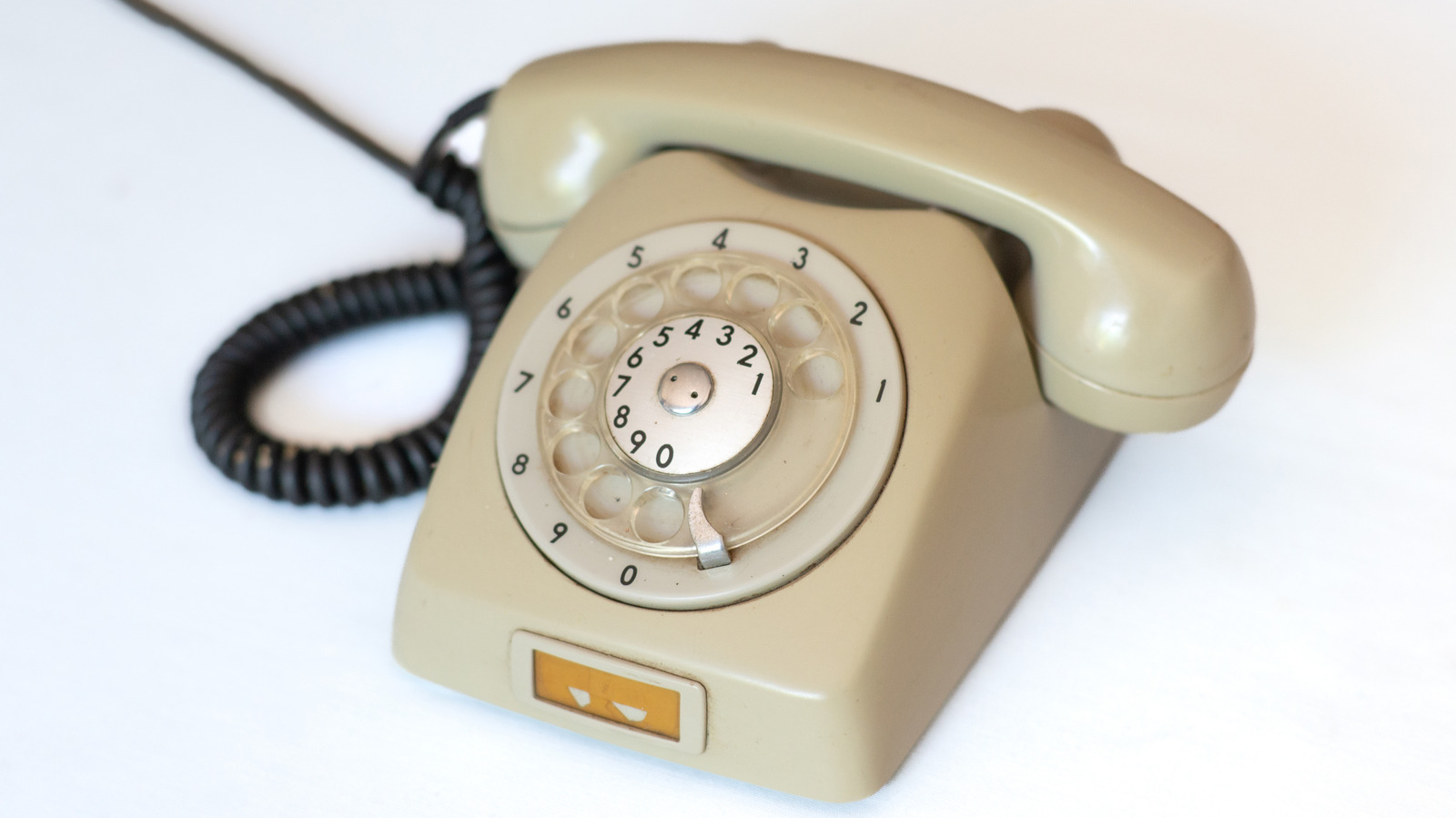
To understand why letters still occupy a prominent place on our digital keypads in 2026, we must look back at the early 20th-century telephone exchange system. In the era of manual switching, callers would ask an operator for a specific exchange name, such as "PEnnsylvania 6-5000" or "BUtterfield 8." As the industry transitioned to automated rotary dialing, the Bell System implemented the 2-5 numbering plan, where the first two letters of the exchange name were mapped to the corresponding numbers on the dial.
This was not merely a stylistic choice; it was a cognitive bridge. It was significantly easier for humans to remember a word followed by five digits than a long string of seven or ten numbers. While the exchange names eventually faded into history, the mapping of the alphabet to the digits 2 through 9 became a permanent fixture of telecommunications hardware. By the time Touch-Tone dialing emerged in the 1960s, the letter-to-number mapping was so deeply ingrained in the public consciousness that it was carried over to the new push-button interfaces.
In 2026, this legacy persists because it solved a fundamental human-computer interaction problem: our brains are optimized for language and patterns rather than raw numerical sequences. Even as we move toward fully biometric or AI-mediated communication, the underlying logic of the keypad remains the "Rosetta Stone" for many of our most critical communication channels.
The Technical Foundation: The ITU-T E.161 Standard
The reason your smartphone’s dialer in 2026 looks identical to a landline phone from 1995 is the ITU-T E.161 standard. This is a recommendation by the International Telecommunication Union (ITU) that defines the arrangement of digits, letters, and symbols on telephone keypads.
How the Mapping Functions
The standard ensures that regardless of which country you are in or what device you are using, the letters map to the digits in a consistent way:
- 2: A, B, C
- 3: D, E, F
- 4: G, H, I
- 5: J, K, L
- 6: M, N, O
- 7: P, Q, R, S
- 8: T, U, V
- 9: W, X, Y, Z
This standardization is critical for global interoperability. Without it, a vanity number like 1-800-FLOWERS would translate to different digits depending on the handset manufacturer or the region. By maintaining this strict technical consistency, the telecommunications industry ensures that alphanumeric inputs remain a reliable method of data entry across different platforms and networks.
The Inclusion of Q and Z
Historically, the letters Q and Z were often omitted from keypads because they were rarely used in exchange names and appeared visually similar to the numbers 0 and 2. However, with the rise of SMS (Short Message Service) and the need for full alphabetical input on limited keypads, these letters were eventually integrated. Under current E.161 protocols, Q and Z are firmly assigned to 7 and 9, respectively, completing the 26-letter Latin alphabet.

The Economic Power of Vanity Numbers in 2026
The primary reason letters still matter in a commercial context is the vanity number. Even in 2026, where most users "click to call" from a search engine result, vanity numbers like 1-800-GO-FEDEX or 1-800-CONTACTS represent multi-million dollar branding assets.
High-Frequency Memorability
Research in cognitive psychology has consistently shown that alphanumeric numbers have a significantly higher recall rate than purely numeric ones. For a driver seeing a billboard for three seconds or a listener hearing a radio advertisement, "1-800-DENTIST" is almost impossible to forget, whereas "1-800-336-8478" is nearly impossible to remember. This "top-of-mind" awareness is the engine behind the secondary market for vanity phone numbers, which remains lucrative in 2026.
Branding and Trust
A vanity number serves as a badge of legitimacy. For a service provider, owning a number that perfectly matches their trade name or service category signals a level of established professionalism and longevity. It tells the consumer that the business has invested in its infrastructure. In an era of increasing digital scams and ephemeral "burner" numbers, a permanent, recognizable alphanumeric number acts as a beacon of trust.
Navigating Modern IVR and Automated Systems
Beyond marketing, letters on the keypad are essential for interacting with Interactive Voice Response (IVR) systems. Many large corporations and government agencies use "dial-by-name" directories. When a system asks you to "enter the first three letters of the person's last name," it relies entirely on the E.161 mapping.
Efficiency in Data Entry
Using letters to represent numbers allows for a "chording" effect in data entry. For example, some legacy secure systems use alphanumeric codes as a form of secondary authentication. Because users are more likely to remember a word like "SAFETY" than the number "723389," the letters provide a layer of user-friendliness to an otherwise sterile technical process.
Complex Extensions and Shortcuts
In 2026, many enterprise-level PBX (Private Branch Exchange) systems still utilize alphabetical shortcuts for internal extensions. Employees might dial "SALES" or "HELP" rather than looking up four-digit extensions in a digital directory. This simplifies the user experience within large organizational structures where memorizing hundreds of numerical extensions is impractical.
Accessibility and Memory Retention
For individuals with cognitive impairments or those who struggle with numerical sequences (dyscalculia), the ability to use letters instead of numbers is a vital accessibility feature. Words provide a semantic context that digits lack.
| Metric | Numeric Numbers | Alphanumeric (Vanity) Numbers |
|---|---|---|
| Recall Rate (Immediate) | ~10% | ~80% |
| Recall Rate (After 24h) | <5% | ~50% |
| Branding Potential | Low | High |
| Risk of Dialing Error | Moderate | Low (due to word recognition) |
| Marketing Versatility | Limited | High (visual/audio) |
| Implementation Cost | Standard | Premium |
As shown in the table, the disparity in recall rates justifies the continued use of letters. In emergency situations or high-stress environments, a word-based number can be the difference between a successful call and a failed attempt.
The Role of AI and Voice Assistants in 2026
One might assume that the rise of voice-activated AI (like Siri, Alexa, or more advanced 2026-era personal agents) would render phone letters obsolete. In reality, the opposite is true. When a user tells their AI assistant to "Call 1-800-FLOWERS," the AI must resolve that alphabetical string into the correct digits (1-800-356-9377) to execute the command.
The AI does not "know" the number intuitively; it refers to the standardized mapping. Therefore, the letters serve as a critical metadata layer for modern voice interfaces. Without the letter-to-number mapping, voice commands would require users to dictate long strings of digits, which is more prone to error and less natural in conversation.
Operational Limitations and Considerations
While letters are invaluable, there are specific limitations to consider when using them for phone numbers in 2026:
- International Dialing Conflicts: While the E.161 standard is global, some older local keypads in non-Western regions might lack Latin letters or use different scripts. This can lead to confusion if a business uses a Latin-based vanity number in a market where the local script is the primary interface.
- Over-Dialing: Some vanity numbers are longer than the required digits (e.g., a number might be 1-800-LONG-WORD, where only the first seven letters matter). Modern smartphones handle "over-dialed" digits gracefully, but legacy landline systems might cut off the call or return an error if the string is too long.
- Ambiguity: Some words map to the same digits (e.g., "KISS" and "JILT" both map to 5477). This is rarely an issue for the caller but can be a challenge for businesses trying to secure a unique number string.
Common Mistakes When Using Alphanumeric Numbers
- Including "1" or "0": There are no letters assigned to the numbers 1 and 0 on a standard keypad. Businesses that try to incorporate these digits into a vanity name (e.g., 1-800-C0AL) often find that customers are confused about whether to dial the letter "O" or the number "0."
- Using Complex Spelling: If a vanity number relies on a non-standard or "creative" spelling, the mnemonic benefit is lost. If a customer cannot spell the word, they cannot dial the number.
- Neglecting the Digits in Print: In 2026, it is considered a best practice to display both the alphanumeric version and the purely numeric version in small print below it. This ensures that users with non-standard devices or different cognitive preferences can still reach the business.
Frequently Asked Questions
Why don't the numbers 1 and 0 have letters?
Historically, 1 and 0 were reserved for special system functions. On rotary phones, the number 0 was used to reach the Operator, and the number 1 was often used as a signal for long-distance toll calls. To prevent confusion and accidental dialing of these services, letters were never assigned to these digits. This standard was carried forward to the digital era for consistency.
Can I still use T9 texting in 2026?
While T9 (Text on 9 keys) has been largely replaced by QWERTY touchscreens and gesture typing, the underlying logic remains functional in 2026. Many specialized devices, rugged phones for industrial use, and accessibility tools still utilize T9-style input because it allows for one-handed operation without looking at the screen.
How much does a vanity phone number cost in 2026?
The cost varies significantly based on the "premium" nature of the word. A generic vanity number might cost a small monthly fee (e.g., $10–$50) through a VoIP provider. However, highly coveted numbers like 1-800-LAWYER or 1-800-FLOWERS are corporate assets worth millions of dollars and are often held under long-term leases or trademark-linked contracts.
Do mobile phones in 2026 still show letters on the dialer?
Yes. Virtually all smartphone manufacturers (Apple, Samsung, Google, etc.) include the alphabet on the dialer interface. This is to ensure compliance with international standards and to allow users to dial vanity numbers or interact with IVR systems that require alphabetical input.
Why is 'Q' on the 7 key and 'Z' on the 9 key?
This placement was finalized to distribute the 26 letters across the 8 available digits (2-9). Since 7 and 9 were the only keys with four letters (PQRS and WXYZ), they were the logical choices for the "extra" letters that didn't fit into the standard three-letter-per-key groups used for the rest of the alphabet.
Final Recommendation for Businesses and Consumers
In 2026, the letters on a phone keypad remain much more than a historical curiosity. For businesses, investing in an alphanumeric vanity number is a proven strategy to increase marketing ROI and build brand authority. It transforms a forgettable string of digits into a verbal asset. For consumers, understanding the mapping allows for more efficient navigation of automated services and a more intuitive way to remember important contacts.
When choosing or using a number, always prioritize the E.161 standard. If you are a business owner, ensure your vanity number is easy to spell and avoid using digits 1 or 0 within the mnemonic portion. For personal use, while your contact list does the heavy lifting, keeping a few key alphanumeric numbers in your memory can be an invaluable backup in situations where your digital devices are unavailable.
Image Gallery
Select an image to open it in a new tab.

Vivian Cho
Executive IT and Emerging Technologies Reporter
