
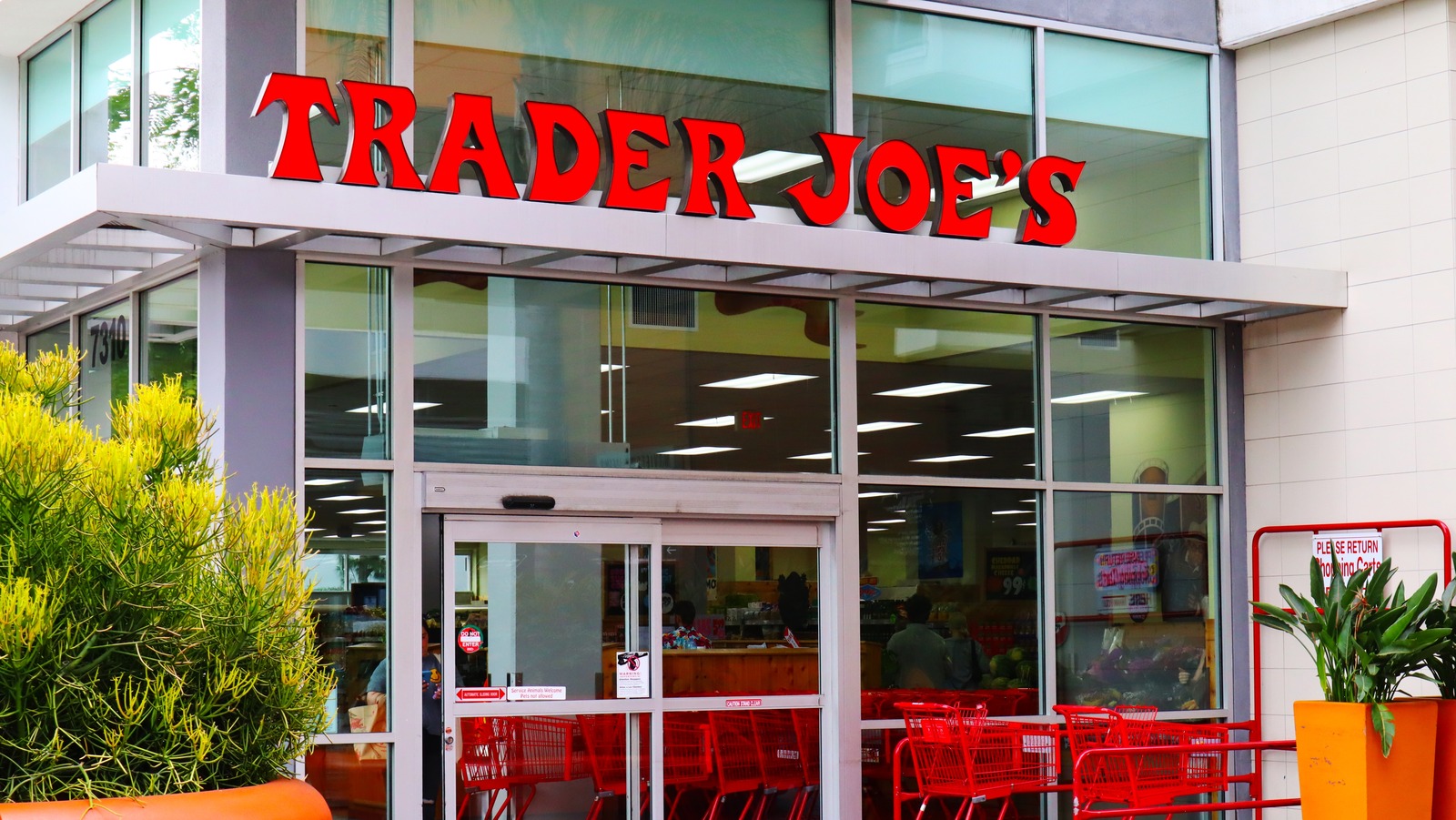
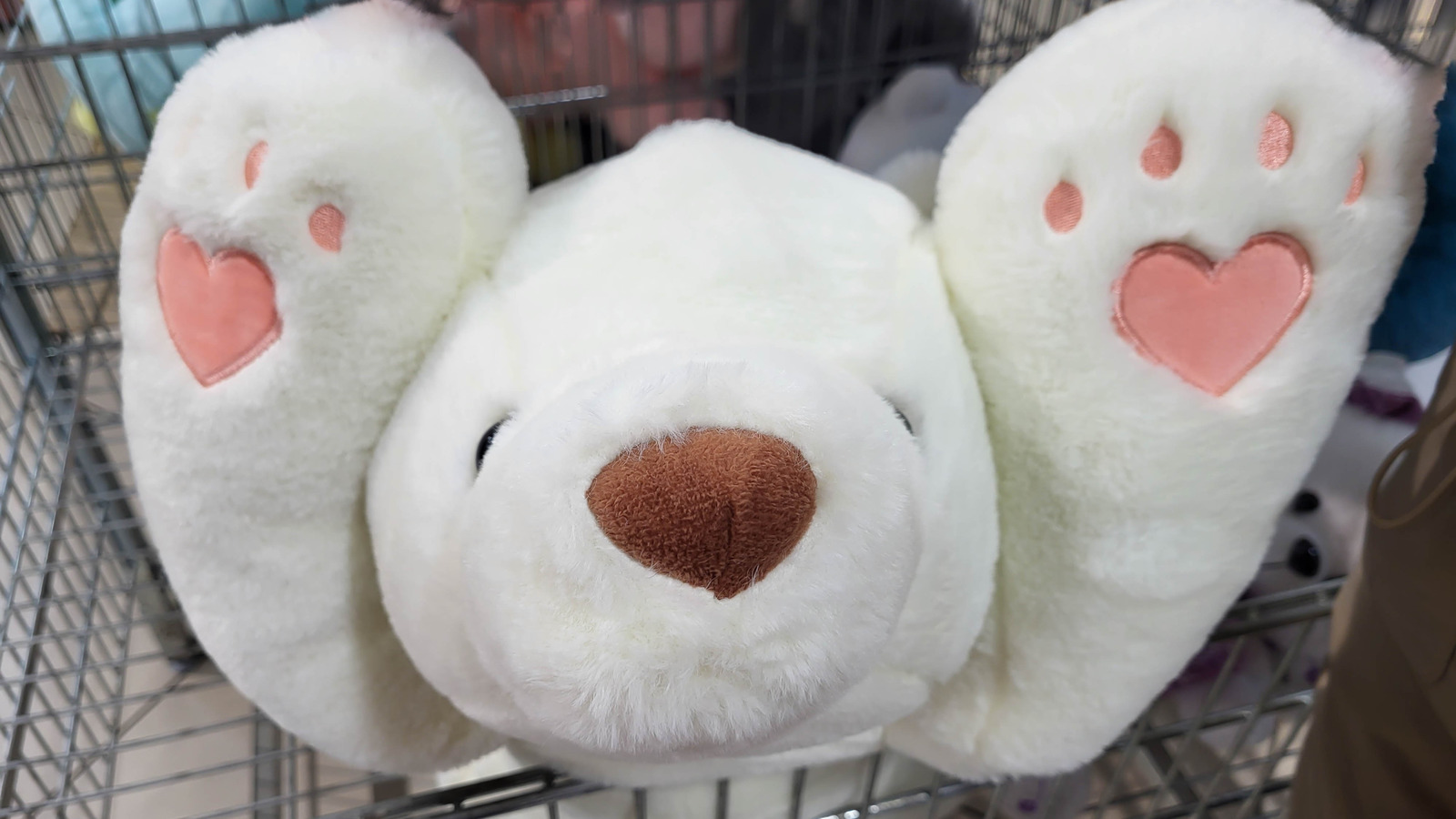
The Trader Joe’s hidden animal is a store-wide scavenger hunt designed to keep children entertained while their parents shop. Most locations hide a specific stuffed animal—such as a monkey, lobster, or whale—somewhere on the shelves. Children who find the mascot and alert a crew member typically receive a small prize, usually a lollipop or stickers.
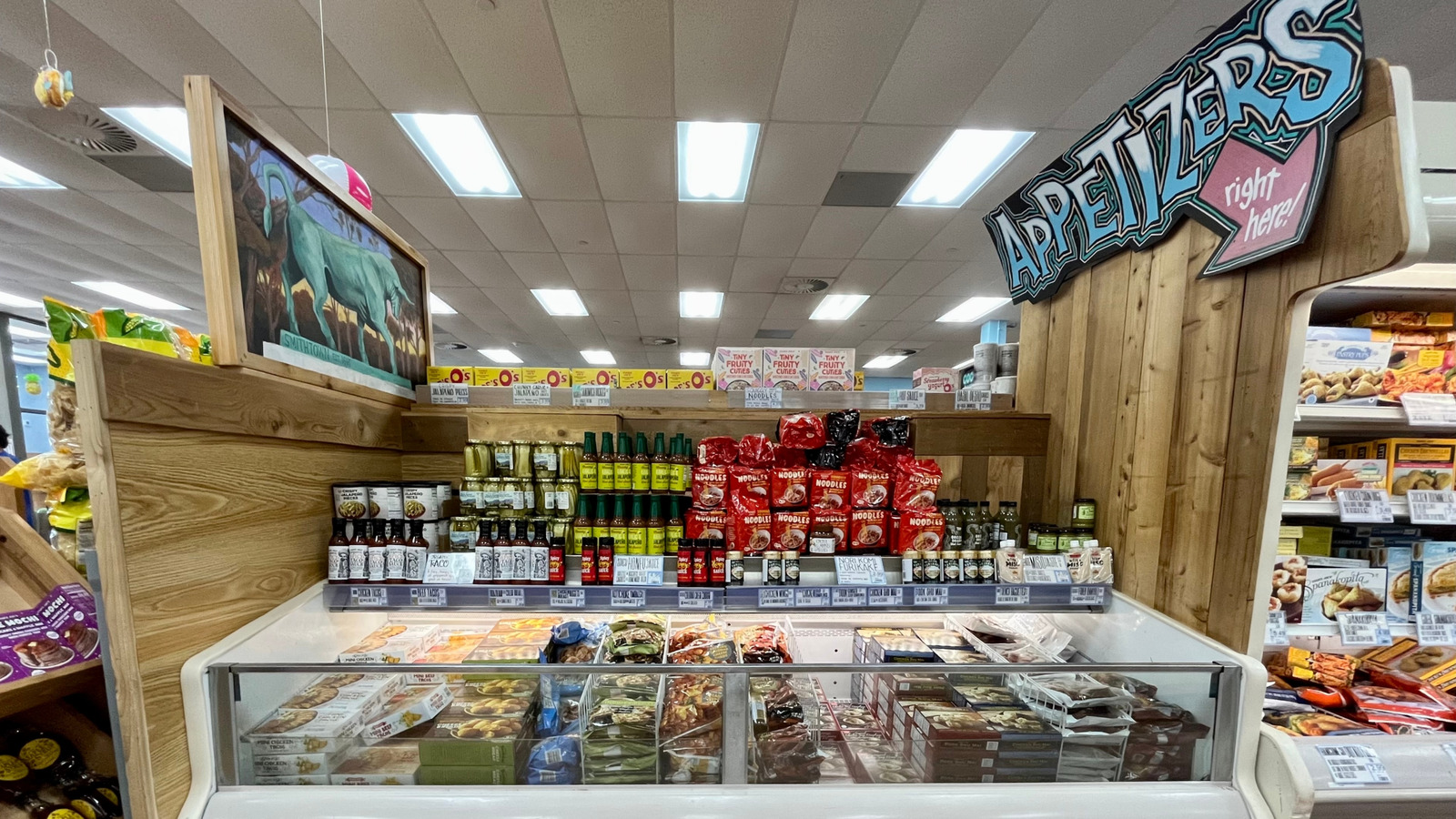
Walking through the aisles of a Trader Joe’s often feels different from a visit to a standard supermarket. The hand-drawn signage, the cedar-planked walls, and the crew members in Hawaiian shirts contribute to a "neighborhood grocery store" atmosphere. However, for families with young children, the most significant feature isn't the seasonal pumpkin spice products or the affordable wine; it is the hunt for the hidden stuffed animal. This tradition, while not a mandatory corporate policy, has become a cornerstone of the Trader Joe’s brand experience across the United States. As of 2026, this practice remains a beloved staple for "Crew Members" and "captains" (store managers) who wish to engage their local communities.
Understanding the Hidden Animal Tradition
The concept of the hidden animal is simple: each store chooses a stuffed animal to hide somewhere in the grocery aisles. The animal is usually tucked away among the products, perched on top of a frozen food case, or peeking out from behind a display of Joe-Joe’s cookies. The mascot is usually representative of the store’s location or a classic animal like a monkey or a parrot.
This tradition is a "grassroots" initiative. Trader Joe’s corporate office does not dictate which animal a store must use or even that they must have one at all. Instead, it is left to the discretion of the individual store’s management. This autonomy allows each location to develop its own unique culture. For example, a store in a coastal town might hide a stuffed shark or seagull, while a store in the mountains might opt for a bear or a marmot.
The Educational and Behavioral Benefit
For parents, the hidden animal serves a practical purpose. Grocery shopping with young children can often be a stressful experience, marked by boredom-induced tantrums or the constant "can we buy this?" requests. The scavenger hunt gamifies the shopping experience. It transforms a mundane errand into a mission. Children become focused on scanning the high and low points of the shelving units, which keeps them engaged and moving alongside their parents without the need for digital distractions.
How to Participate in the Scavenger Hunt
Participating in the hunt is straightforward, but there are a few unwritten rules that help keep the game fair and fun for everyone. If you are visiting a Trader Joe’s for the first time in 2026 or introducing a child to the game, here is the standard procedure.
Step 1: Identify the Animal
Before you start looking, it helps to know what you are looking for. Most stores have a sign near the entrance or the bridge (the customer service desk) that identifies the mascot. Common names include "Joe the Monkey," "Lola the Lobster," or "Puddles the Penguin." If you don’t see a sign, you can simply ask a crew member, "What is your hidden animal?" They are always happy to share the name and a description of the creature.
Step 2: The Search
Once the child knows what to look for, the search begins. The animal is moved frequently—sometimes daily—to ensure the game remains challenging for "regular" shoppers who visit weekly. Crew members are instructed to hide the animal in places that are visible but require a bit of effort to spot. It will never be hidden inside a closed freezer or under a heavy box; it is always in plain sight for those who are looking closely.
Step 3: Reporting the Find
When the child finds the animal, the standard protocol is to leave the animal where it is. In most stores, the rule is "Find it, don't move it." The child then goes to a crew member (either at a checkout stand or the customer service desk) and tells them where the animal is located. Some stores might have a different variation where the child is allowed to bring the animal to the desk, but this is less common as it requires the crew to re-hide it immediately.
Step 4: Claiming the Prize
After verifying the location, the crew member will reward the child. The most common prize is a "Trader Joe’s Lollipop," which is often organic and allergy-friendly. In recent years, many stores have expanded their prize pool to include stickers, temporary tattoos, or even a small piece of fruit for those who prefer a non-candy option.
Regional Variations and Famous Mascots
Because each store chooses its own mascot, the "hidden animal" has become a point of local pride. Some mascots have even gained small-scale celebrity status on social media. The variety reflects the diverse geography of Trader Joe’s locations.
| Store Location | Mascot Type | Mascot Name (Common Example) |
|---|---|---|
| New York City (Chelsea) | Lobster | Larry |
| Florida (Various) | Manatee or Gator | Manny / Albert |
| Pacific Northwest | Sasquatch or Salmon | Harry / Sal |
| California (Coastal) | Sea Otter or Whale | Ollie / Wally |
| Chicago | Bull or Bear | Benny / Barry |
| Generic/Common | Monkey | Joe |
In addition to regional animals, some stores use the hunt to celebrate seasons. During the winter holidays, the regular mascot might be replaced by a stuffed reindeer or an elf. During Halloween, you might find a stuffed bat or a black cat hiding among the pumpkin-shaped pasta.
Why Trader Joe’s Maintains This Tradition
From a business perspective, the hidden animal scavenger hunt is a brilliant piece of "experiential marketing." While modern retail often focuses on digital integration and rapid delivery, Trader Joe’s doubles down on the physical store experience.
Building Brand Loyalty
By creating a positive memory for children, Trader Joe’s is effectively building brand loyalty with the next generation of shoppers. Children who grow up enjoying the "hunt" are more likely to have positive associations with the brand as adults. It shifts the perception of the store from a place of commerce to a place of community and fun.
Encouraging Store Exploration
The scavenger hunt also has a subtle effect on adult shopping habits. As parents follow their children through the aisles in search of the animal, they are often led to sections of the store they might otherwise skip. A child looking for a monkey near the top shelf of the spice aisle might cause a parent to notice a new seasoning blend they hadn't seen before. This increases "dwell time" and the likelihood of impulse purchases.
Crew Member Engagement
The tradition isn't just for the kids; it’s for the employees too. Hiding the animal is often a creative outlet for crew members. They take pride in finding clever new spots that challenge the "expert" hunters. It fosters a playful interaction between staff and customers, breaking down the cold barrier that usually exists in retail environments.
Common Questions and Troubleshooting
While the game is generally simple, there are occasional hurdles. Here is how to handle common scenarios.
What if my child can't find it?
If the search is going on too long and frustration is setting in, don't hesitate to ask a crew member for a "warm/cold" hint. Crew members are trained to be helpful and will often give clues like, "I think I saw him hanging out near the frozen pizzas today!" This keeps the game moving and ensures the experience ends on a high note.
Is there an age limit?
While the prizes are generally intended for children (usually under 12), Trader Joe’s is known for its inclusive and friendly atmosphere. If an older child or a particularly enthusiastic adult finds the animal, crew members will often still engage in the fun, though the physical prizes like stickers and lollipops are primarily for the little ones.
What if a store doesn't have an animal?
Not every single Trader Joe’s participates. Some very high-volume urban stores (like those in busy parts of Manhattan or London-inspired markets) may find it difficult to manage the scavenger hunt during peak hours. If you visit a store and can't find any sign of a mascot, it’s possible that specific location has opted out or has a different way of engaging kids.
The Evolution of the Hunt in 2026
By 2026, the tradition has remained remarkably analog. In an era where many retailers have moved toward augmented reality (AR) apps for in-store engagement, Trader Joe’s has largely resisted this trend, sticking to physical stuffed animals. This "low-tech" approach is part of the brand's charm.
However, some stores have introduced slight modernizations. For instance, some locations now use a "passport" system where kids can get a stamp each time they find the animal over multiple visits. After ten stamps, they might receive a slightly larger prize, like a Trader Joe’s branded reusable mini-tote bag. This encourages repeat visits and long-term engagement.
Tips for a Successful Scavenger Hunt
To make the most of your next visit, consider these expert tips:
- Shop during off-peak hours: It is much easier to find the mascot (and navigate the aisles) on a Tuesday morning than a Sunday afternoon.
- Check the "Bridge": The manager’s station (the Bridge) is the hub of information. If you're lost, start there.
- Look Up: Crew members love to hide the animal on top of the high-wall shelving or hanging from the ceiling decorations.
- Teach Sportsmanship: If your child sees another child find the animal first, use it as a moment to teach them to wait for the animal to be "reset" or to ask for a hint for the next hiding spot.
The Trader Joe’s hidden animal is more than just a distraction; it is a testament to the power of small, thoughtful details in retail. By focusing on the joy of the customer—even the smallest customers—Trader Joe’s continues to set itself apart in a competitive grocery landscape.
Frequently Asked Questions
Do all Trader Joe's locations have a hidden animal?
Most Trader Joe's locations have a hidden animal, but it is not a mandatory corporate policy. Each store's "Captain" decides whether to participate. The vast majority of suburban and family-oriented stores do participate, while some high-traffic urban locations might not. You can always ask a crew member at the front desk to confirm if their specific store has a mascot to find.
What kind of prizes do children get for finding the animal?
The most common prize is a lollipop (often an organic or fruit-flavored one) or a sheet of Trader Joe’s stickers. Some stores offer alternatives like temporary tattoos or a piece of fruit. The prizes are small tokens of appreciation meant to celebrate the "find" rather than high-value items.
Can adults participate in the hidden animal hunt?
While the scavenger hunt is designed for children, adults are certainly welcome to look for the animal. However, the prizes are generally reserved for kids. If an adult finds it, the reward is usually just the satisfaction of the hunt and a friendly interaction with the crew.
Does the hidden animal move every day?
In most stores, the animal is moved at least once a day, usually before the store opens or during a shift change. Some stores might move it more frequently if many children find it quickly. This ensures that the game stays fresh for families who shop at Trader Joe’s multiple times a week.
What should we do if we find the animal?
The general rule is "Find it, don't touch it." Once a child locates the animal, they should leave it in its hiding spot and then find a crew member (usually at the registers or the customer service desk) to report the location. This allows other children to find the animal later without the crew having to constantly re-hide it.
Final Recommendation
Next time you head to Trader Joe’s, make the hidden animal your first priority. Before you grab your cart, stop by the "Bridge" or ask the first crew member you see for the name of their mascot. Engaging in this small tradition not only makes the shopping trip easier for parents but also allows children to feel like they are part of the store's community. It is a simple, cost-free way to turn a routine task into a family adventure.
Image Gallery
Select an image to open it in a new tab.



Omar Farooq
EdTech Innovation and Virtual Pedagogy Journalist
