Protect America Home Security System Overview: Legacy, Equipment, and Migration to Brinks

Protect America was a major provider in the home security industry that pioneered the DIY installation model and specialized in landline and cellular monitoring. In 2020, the company was acquired by Brinks Home Security, transitioning all active accounts and support to the Brinks platform. This overview examines the company’s history, equipment, and modern-day technical compatibility.
The History and Evolution of Protect America
Founded in 1992 in Austin, Texas, Protect America entered the market with a disruptive business model. Unlike traditional security providers like ADT, which at the time relied heavily on professional installers and high upfront fees, Protect America focused on a Do-It-Yourself (DIY) approach. This allowed the company to offer "zero-down" equipment packages, where customers received a basic hardware kit for free in exchange for signing a long-term monitoring contract, typically 36 months.
By the mid-2010s, Protect America had secured its position as one of the largest DIY home security companies in the United States. Their strategy centered on accessibility, targeting homeowners and renters who wanted security without the logistical hurdles of a scheduled technician visit. However, the landscape of home security began to shift toward integrated smart home ecosystems and month-to-month contracts. In June 2020, Brinks Home Security (operating under Monitronics International) acquired the customer accounts of Protect America, effectively ending the brand's independent operations.
Technical Architecture of the Protect America System
The backbone of most Protect America systems was hardware manufactured by Interlogix (formerly GE Security). This hardware is notable for its reliability and its use of the 319.5 MHz wireless frequency. Understanding this frequency is essential for any homeowner in 2026 who still has Protect America sensors installed, as it determines which modern control panels can communicate with the legacy hardware.
The Simon XT and Simon XTi Control Panels
The primary control units provided by Protect America were the Simon XT and the Simon XTi. These panels served as the "brain" of the security system.
- Simon XT: A rugged, button-based panel with a backlit LCD screen. It supported up to 40 wireless zones and featured a built-in siren. While it lacked a modern touch interface, it was highly regarded for its durability and ease of programming.
- Simon XTi: An upgraded version of the XT featuring a full-color 5-inch resistive touchscreen. It offered a more intuitive user interface and simpler menu navigation for arming, disarming, and managing smart home devices via Z-Wave protocols.
Peripheral Sensors and Components
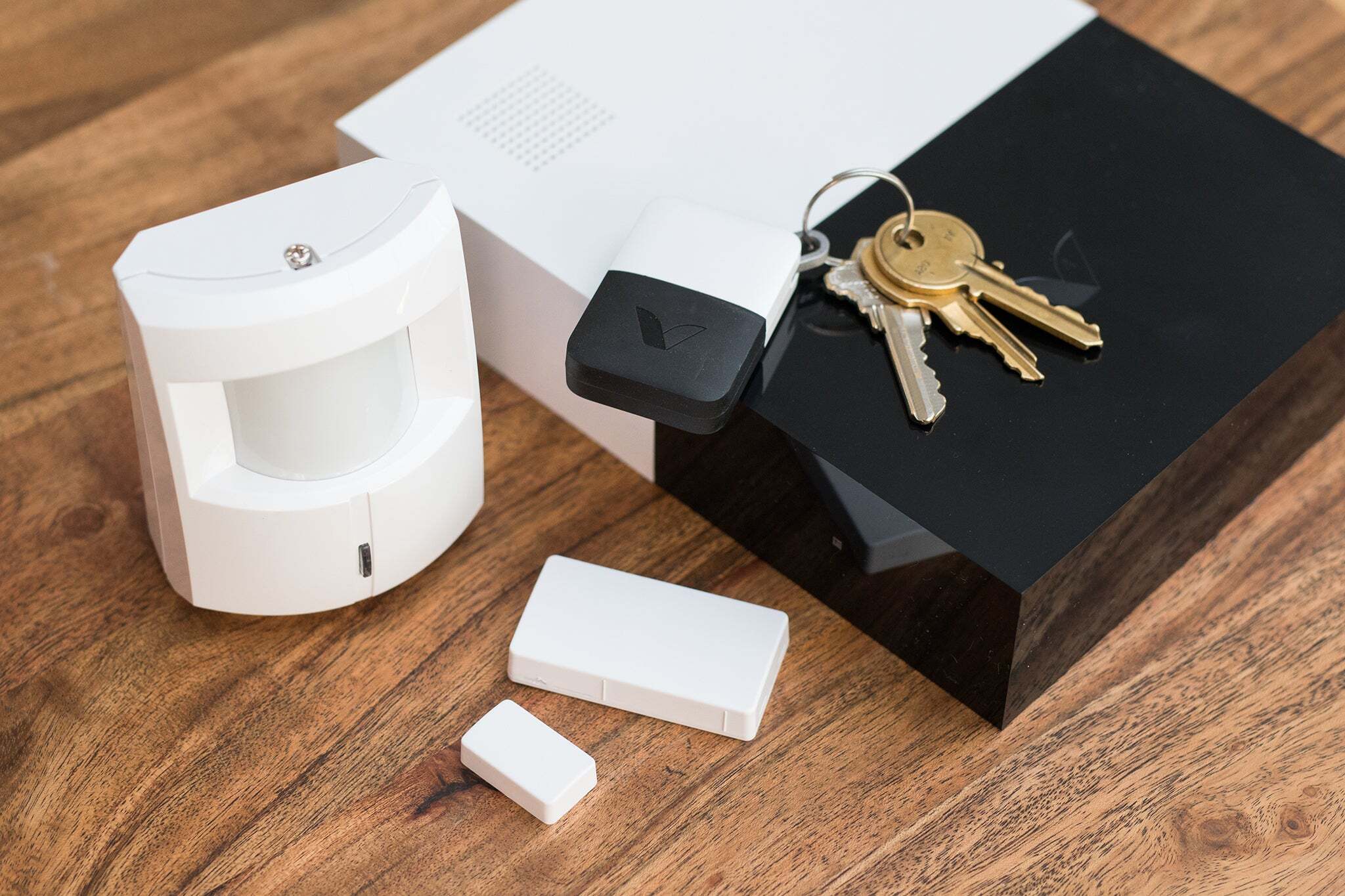
Protect America kits were highly modular. A standard "Copper" or "Silver" package usually included a specific number of peripheral devices:
- Door/Window Sensors: These were magnetic reed switches. When the door or window opened, the magnet moved away from the sensor, breaking the circuit and triggering the panel.
- PIR Motion Detectors: Passive Infrared sensors designed to detect the heat signatures of moving objects. Protect America’s standard motion sensors were typically "pet-immune" for animals up to 40 pounds.
- Glass Break Detectors: These utilized microphones tuned to the specific frequency of breaking plate, tempered, and laminated glass.
- Smoke and Heat Detectors: Monitored fire safety devices that would trigger a call to the monitoring center even if the security system was disarmed.

Monitoring Plans and Historical Service Tiers
Historically, Protect America utilized a tiered pricing structure based on the number of sensors and the communication method used by the panel. While these plans are no longer sold, they defined the experience for hundreds of thousands of users for over two decades.
| Plan Name | Standard Equipment Included | Primary Communication Method | Historical Context |
|---|---|---|---|
| Copper | 1 Panel, 3 Door/Window Sensors, 1 Motion | Landline (POTS) | Entry-level for budget-conscious users. |
| Bronze | 1 Panel, 6 Door/Window Sensors, 1 Motion | Landline or Broadband | Popular for standard two-bedroom homes. |
| Silver | 1 Panel, 9 Door/Window Sensors, 1 Motion | Cellular / Broadband | The "Sweet Spot" for average family homes. |
| Gold | 1 Panel, 11 Door/Window Sensors, 1 Motion | Cellular (LTE) | High-security tier with more entry points. |
| Platinum | 1 Panel, 14 Door/Window Sensors, 1 Motion | Cellular (LTE) | Designed for large estates or small businesses. |
The Shift from Landline to Cellular Monitoring
Protect America was one of the last major holdouts to offer robust landline-based monitoring. In the 1990s and 2000s, this was the standard. However, as "cord-cutting" became prevalent, the company shifted toward cellular monitoring. Cellular connections are generally more secure because there are no physical wires for an intruder to cut. As of 2026, any legacy Simon XT/XTi panels still in use must have an LTE cellular module installed; older 3G and CDMA modules are no longer functional due to the national cellular sunset.
The Brinks Home Security Acquisition and Migration
When Brinks Home Security acquired Protect America’s assets in 2020, the transition was designed to be seamless for the end-user, though it involved several backend changes.
Account Management and Billing
Existing Protect America customers saw their billing transferred to Brinks Home. The contractual obligations—specifically the three-year monitoring agreements—remained in effect under the new ownership. Brinks maintained the "locked-in" rate promises for many users, though service terms were updated to reflect Brinks' operational standards.
Software and App Integration
The original Protect America mobile app was phased out in favor of the Brinks Home App (powered by Alarm.com). This was a significant upgrade for many users, as the Alarm.com platform offers superior stability, faster response times, and better integration with third-party smart home devices like Nest thermostats and Yale smart locks.
Technical Support and Warranty
One of the most significant changes post-acquisition was the shift in hardware support. Because Interlogix (the manufacturer of Protect America’s hardware) exited the security business in late 2019, Brinks Home began transitioning customers away from Simon panels toward newer systems, such as the Qolsys IQ Panel 4, when hardware failures occurred or upgrades were requested.
Legacy Hardware Compatibility in 2026
If you are a homeowner in 2026 with an old Protect America system installed in a home you've recently purchased, you are likely wondering if the equipment is still usable. The answer depends on your goals:
Reusing Sensors with Modern Panels
Because Protect America used 319.5 MHz sensors, they are compatible with several modern "hybrid" systems. Specifically, the Qolsys IQ Panel 4 and the resideo (Honeywell) Lyric (with a translator) can often learn in the old Protect America door and window sensors. This allows you to upgrade the "brain" of the system while keeping the expensive peripheral sensors.
The Interlogix Hardware Exit
It is important to note that Interlogix stopped manufacturing the Simon XT and XTi panels years ago. Consequently, finding replacement parts for a broken Protect America panel usually requires sourcing used hardware from secondary markets. Furthermore, these panels do not support modern encryption (like the S-Line encryption found in newer Qolsys sensors), making them more vulnerable to signal jamming than modern alternatives.
Critical Limitations and Common Issues
While Protect America served a vital role in the DIY security niche, the system had documented limitations that users often encountered:
- Proprietary Lockdown: Historically, it was difficult to "take" a Protect America panel to a different monitoring provider. The panels were often locked with an installer code that was not shared with the user.
- Long-Term Contracts: The 36-month contract was a significant commitment. Many users found the cancellation process difficult, often requiring a written 30-day notice and payment of the remaining balance.
- Resistive Touchscreens: The Simon XTi panel used a resistive touchscreen, which requires physical pressure rather than the capacitive touch found on smartphones. Over time, these screens could become unresponsive or require calibration.
- Battery Failures: The backup batteries in the Simon XT panels generally last 3 to 5 years. In 2026, any original Simon XT battery will likely show a "System Lo Bat" error and must be replaced to ensure the system works during a power outage.
Comparing Protect America to Modern DIY Solutions
To understand the value of a legacy Protect America system, it helps to compare it to the current 2026 security landscape, which includes companies like Ring, SimpliSafe, and the modernized Brinks Home offerings.
- Installation: Protect America was "pre-programmed." You plugged it in, and the sensors were already synced. Modern systems like SimpliSafe use a similar "out-of-the-box" setup but offer much smaller, more aesthetic sensor designs.
- Cost Structure: Protect America emphasized $0 upfront and higher monthly fees. Modern DIY companies generally charge $200–$500 for hardware upfront but offer lower monthly fees (starting around $20–$30) with no long-term contracts.
- Smart Home Integration: Older Protect America systems used Z-Wave for basic lights and locks. Modern 2026 systems integrate natively with Matter and Thread protocols, offering much wider compatibility with the broader Internet of Things (IoT) ecosystem.
Frequently Asked Questions
Can I still get technical support for my Protect America system?
Direct support from Protect America no longer exists. All technical support, billing inquiries, and monitoring services are handled by Brinks Home Security. If you have a legacy system, Brinks technicians can troubleshoot the Simon XT/XTi panels, but they will often recommend a hardware upgrade if the unit is malfunctioning.
How do I stop the "Beeping" on an old Protect America panel?
The most common cause of beeping is a "Low Battery" or "Sensor Supervision" error. You can usually silence the panel by pressing the "Status" button followed by the "Disarm" command. However, the beep will return until the underlying issue—such as a dead 12V backup battery in the panel or a CR2032/CR123A battery in a sensor—is resolved.
Can I monitor a Protect America system myself without a contract?
Legacy Simon XT and XTi panels are designed primarily for professional monitoring. While they can function as "local alarms" (where the siren sounds but no one is called), setting this up requires the installer code. Without monitoring, you will also lose access to mobile app controls, as those depend on a cloud connection through a service provider like Alarm.com.
What happened to the Protect America warranty?
When Brinks acquired the accounts, they typically honored existing service agreements, but hardware warranties for Interlogix products became difficult to fulfill because the manufacturer was no longer in business. Most legacy hardware is now considered "out of warranty" due to its age.
Is the Simon XT/XTi panel secure against hacking?
The wireless sensors used by Protect America transmit unencrypted signals at 319.5 MHz. While it requires specialized knowledge and equipment, these signals can theoretically be intercepted or spoofed. Modern security systems have moved toward encrypted wireless signals (like PowerG or S-Line) to prevent these types of vulnerabilities.
Recommendations for Current Owners
If you are currently using a legacy Protect America system, your best path forward in 2026 is a phased upgrade. First, verify that your panel is communicating via an LTE module; if it is still using an older cellular network, it is effectively non-functional as a monitored system.
Second, consider the "Takeover" approach. Rather than throwing away all your sensors, you can purchase a modern control panel that supports the 319.5 MHz frequency. This allows you to maintain the perimeter security of your home while gaining access to high-definition video monitoring, facial recognition features, and advanced smart home automation that the original Protect America hardware simply cannot provide.
Image Gallery
Select an image to open it in a new tab.



Akira Tanaka
International Academic Trends Correspondent
