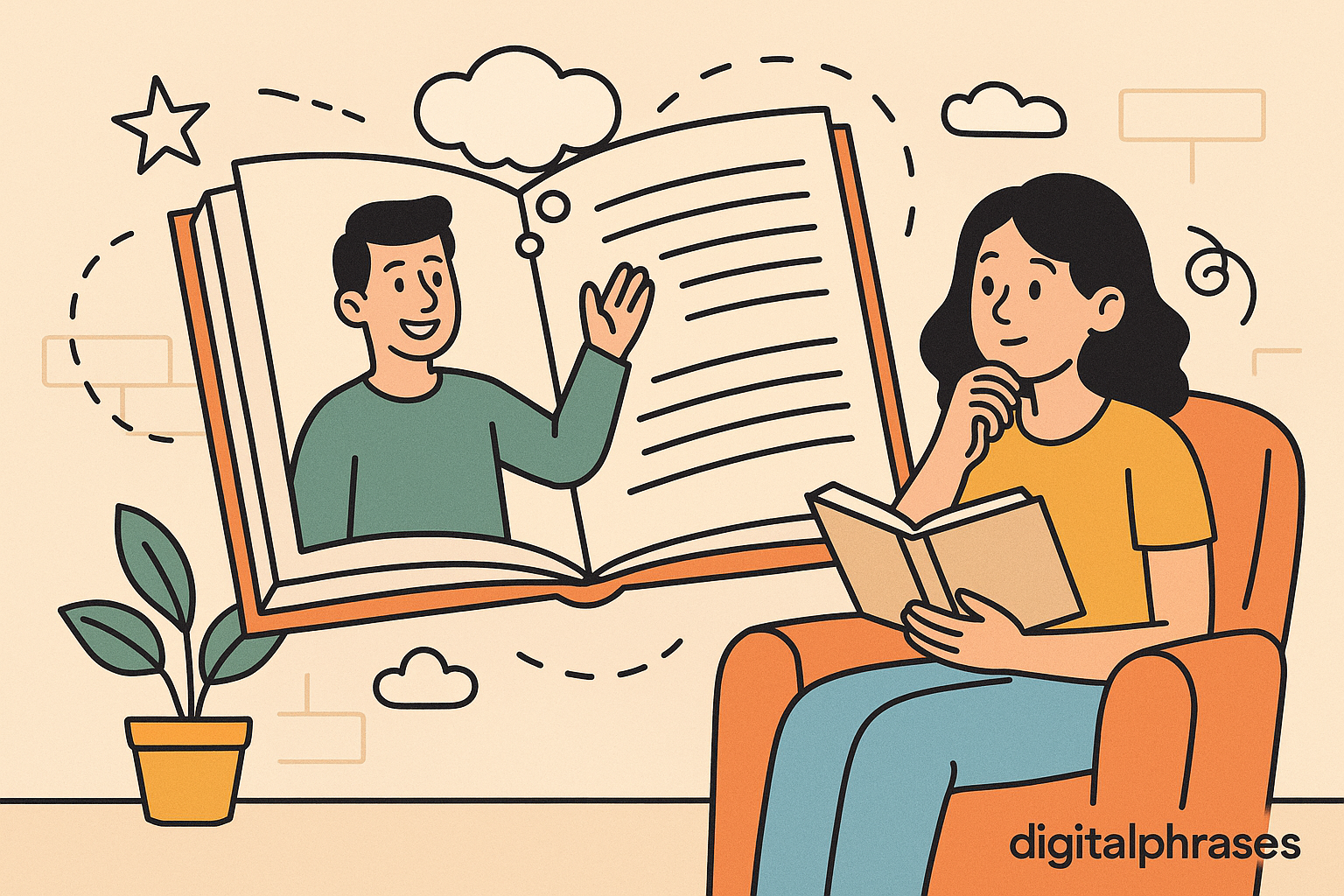
Short short stories, commonly known as flash fiction, matter because they deliver a profound emotional or intellectual impact through extreme brevity. By stripping away non-essential details, these narratives demand active reader participation and absolute precision in language. In 2026, they serve as a vital medium for storytelling in an era characterized by rapid information consumption.
Defining the Short Short Story in a Modern Context
To understand why the short short story matters, one must first define its boundaries. Often used interchangeably with terms like "flash fiction," "micro-fiction," "sudden fiction," or "postcard stories," the short short story is a narrative work of extreme brevity. While a traditional short story might range from 1,000 to 7,500 words, a short short story typically caps at 1,000 words, with many popular sub-genres—such as the "drabble"—clocking in at exactly 100 words.
The essence of this format is not merely its length, but its narrative density. Every word must perform multiple functions: established character, advance the plot, and evoke atmosphere simultaneously. In 2026, the short short story has evolved beyond a literary exercise into a dominant form of digital expression, bridging the gap between traditional prose and the punchy, immediate nature of social media communication.
The Spectrum of Brevity
Within the world of short short fiction, there are several recognized benchmarks that editors and writers use to categorize work. Understanding these helps in appreciating the specific technical challenges each presents:
- Micro-fiction: Generally under 300 words. These stories often focus on a single image or a solitary moment of realization.
- The Drabble: Exactly 100 words (excluding the title). This is a test of precision, where the writer must balance a complete narrative arc within a rigid mathematical constraint.
- The 6-Word Story: Popularized by the (likely apocryphal) Ernest Hemingway example ("For sale: baby shoes, never worn"), this form relies entirely on implication and the reader’s ability to fill in the surrounding tragedy or context.
- Sudden Fiction: Often refers to stories between 750 and 1,000 words. These allow for slightly more complex character interactions while still maintaining the "single effect" pioneered by Edgar Allan Poe.
The Aesthetic of the "Iceberg Theory"
The primary reason why a short short story matters lies in its relationship with the "unsaid." Ernest Hemingway’s Iceberg Theory posits that the dignity of movement of an iceberg is due to only one-eighth of it being above water. In flash fiction, the written words represent the visible tip, while the history, motivations, and consequences of the story remain submerged.
The Reader as Co-Creator
In a 500-page novel, the author provides extensive descriptions of the protagonist's childhood, their physical appearance, and the layout of their living room. In a short short story, these details are omitted. This omission is not a lack of depth but an invitation. Because the author cannot describe everything, the reader must use their own experiences, biases, and imagination to populate the gaps.
This creates a highly personalized reading experience. When a story matters to a reader, it is often because they have invested themselves in the narrative "silences." The short short story functions like a Rorschach test; the meaning derived is often a reflection of the reader’s internal state as much as the author’s intent.
Emotional Purity and the "Sting"
Because there is no room for subplots or secondary characters, the short short story often achieves a level of emotional purity that longer works struggle to maintain. The focus is usually on a "turn"—a moment of shift in perception, a sudden realization, or a sharp irony. This is often referred to as the "sting" at the end of the tale. By stripping away the "connective tissue" of traditional long-form fiction, the emotional payoff feels more concentrated and visceral.
The Technical Discipline of the Writer
From a craft perspective, the short short story is a masterclass in editing. For a writer, the format matters because it forces a confrontation with every sentence. There is no room for "purple prose" or indulgent digressions.
Precision and Word Choice
In a 100,000-word manuscript, a few weak verbs or redundant adjectives might go unnoticed. In a 200-word story, a single misplaced word can ruin the rhythm and clarity of the entire piece. Writers must choose verbs that convey action and tone simultaneously. For instance, instead of writing "he walked quietly into the room," a flash fiction writer might use "he crept" or "he slipped," saving words while adding specific character nuance.
Structural Efficiency
A short short story must still possess a narrative arc. It needs a beginning, a middle, and an end—though these may be compressed into a single paragraph.
- The Inciting Incident: Often occurs before the story even begins or in the very first sentence.
- Rising Action: Usually consists of one or two sensory details that escalate the tension.
- The Climax/Resolution: Frequently occurs simultaneously in the final sentence, providing the "turn" that recontextualizes everything the reader just processed.
Cultural Relevance in 2026: Accessibility and Consumption
In the current year of 2026, the short short story has found its golden age due to the evolution of reading habits. As digital consumption continues to favor mobile devices and fragmented time slots, the "short" format fits perfectly into the lived experience of the modern audience.
The "Commuter's Literature"
A short short story can be read in the time it takes for a subway train to move between two stations or while waiting for a coffee. This accessibility makes literature inclusive. People who feel they "don't have time to read" can finish a complete work of fiction in three minutes. This democratizes the literary experience, moving it out of the quiet study and into the bustling reality of daily life.
Impact on Digital Publishing and Social Media
Platforms designed for 2026 connectivity prioritize high-impact, low-word-count content. The short short story has become a staple of literary newsletters, specialized apps, and social media threads. It allows authors to build an audience by providing "samples" of their voice and world-building without requiring the massive time commitment of a full novel. This has led to a resurgence in literary journals dedicated specifically to the form, such as SmokeLong Quarterly and Wigleaf, which have seen record engagement levels this year.
Comparing Fiction Lengths and Their Purposes
To better understand where the short short story fits in the literary ecosystem, we can compare it to other common formats.
| Format | Typical Word Count | Primary Focus | Reader Commitment |
|---|---|---|---|
| Micro-fiction | 5 – 300 words | A single image or epiphany | Seconds to 1 minute |
| Flash Fiction | 300 – 1,000 words | A compressed narrative arc | 2 – 5 minutes |
| Short Story | 1,000 – 7,500 words | Character development and theme | 15 – 45 minutes |
| Novelette | 7,500 – 17,500 words | Expanded world-building | 1 – 2 hours |
| Novella | 17,500 – 40,000 words | Complex character arcs | 3 – 5 hours |
| Novel | 40,000+ words | Multiple plots and perspectives | Days to weeks |
The Educational Value of Flash Fiction
In academic and creative writing circles in 2026, the short short story is used as a foundational tool for teaching narrative structure. Because the feedback loop is so short, students can write, edit, and receive critiques on multiple stories in the time it would take to outline a single chapter of a novel.
Learning the "In Late, Out Early" Rule
The most important rule in fiction writing—start the scene as late as possible and leave as early as possible—is the core requirement of the short short story. Writers learn to identify the exact moment the story becomes interesting and to cut the scene the moment the point is made. This discipline translates into better pacing in any other form of writing, including technical reports, journalism, and long-form fiction.
Focus on Sensory Detail
Because there is no room for abstract exposition, flash fiction relies on "showing, not telling" at an extreme level. A writer cannot spend a paragraph explaining that a character is poor; they must mention the "frayed cuff of a thrift-store jacket" or the "sound of a hollow refrigerator." These concrete, sensory details are what make stories stick in the reader's mind, and the short short story forces writers to master this skill.
Common Pitfalls and Challenges
Despite its brevity, writing a short short story is often considered more difficult than writing a longer one. The margin for error is non-existent.
- The "Anecdote" Trap: Many writers produce a scene that is merely a description or a joke rather than a story. A story requires change—either in the character’s situation or the reader’s understanding.
- Over-Explaining: Trusting the reader is the hardest part of flash fiction. New writers often add a concluding paragraph that explains the "moral" or the "meaning," which usually kills the impact of the story.
- Cluttered Casts: Trying to include more than two characters in a 500-word story often leads to confusion. The short short story matters most when it is intimate and focused.
Frequently Asked Questions
What is the difference between a short story and a short short story?
The primary difference is scale and scope. A traditional short story has room for multiple scenes, moderate character development, and nuanced subtext. A short short story (flash fiction) usually focuses on a single scene, a single moment of change, and relies heavily on implication rather than explicit detail. Word count is the most common metric, with "short short" stories usually being under 1,000 words.
Can a 6-word story really be considered "literature"?
Yes. Literature is defined by its ability to evoke emotion, explore the human condition, and use language artfully. A 6-word story like "For sale: baby shoes, never worn" achieves all of these by forcing the reader to construct a tragic narrative in their own mind. It is "minimalist literature" that relies on the power of suggestion.
How do you develop characters in such a small space?
Characterization in short short stories is achieved through action and specific detail rather than backstory. Instead of telling the reader a character is angry, the writer might describe the character "tightening their grip on a ceramic mug until their knuckles turn white." One sharp, observant detail can tell the reader more about a character than three pages of biography.
Where can I publish flash fiction in 2026?
There is a thriving ecosystem for flash fiction in 2026. Specialized journals like Flash Fiction Online, Fractured Lit, and Splonk focus exclusively on this form. Additionally, many traditional literary magazines now have "Short Short" sections. Digital platforms such as Substack and even certain curated social media accounts are also popular venues for reaching a wide audience quickly.
Is flash fiction harder to write than a novel?
They require different skill sets. A novel is an exercise in endurance, complex architecture, and sustained world-building. Flash fiction is an exercise in precision, editing, and poetic impact. Many writers find flash fiction "harder" because there is no room for a single weak sentence; the intensity of the work is higher because the canvas is so small.
Final Recommendations for Writers and Readers
For those looking to engage with the short short story in 2026, the best approach is to start with consumption. Reading "The Best Small Fictions" annual anthologies or following journals like Wigleaf provides a sense of the diversity within the genre.
If you are a writer, use the short short story as a "sprint" to complement your "marathon" projects. Set a timer for 30 minutes and attempt to write a complete story under 300 words. Focus on a single sensory detail and a single moment of change. The discipline you develop through these constraints will improve the clarity and impact of everything else you write, proving that in literature, sometimes less is infinitely more.
Image Gallery
Select an image to open it in a new tab.
Ingrid Bjornson
Global Cyber Policy and Regulation Analyst
