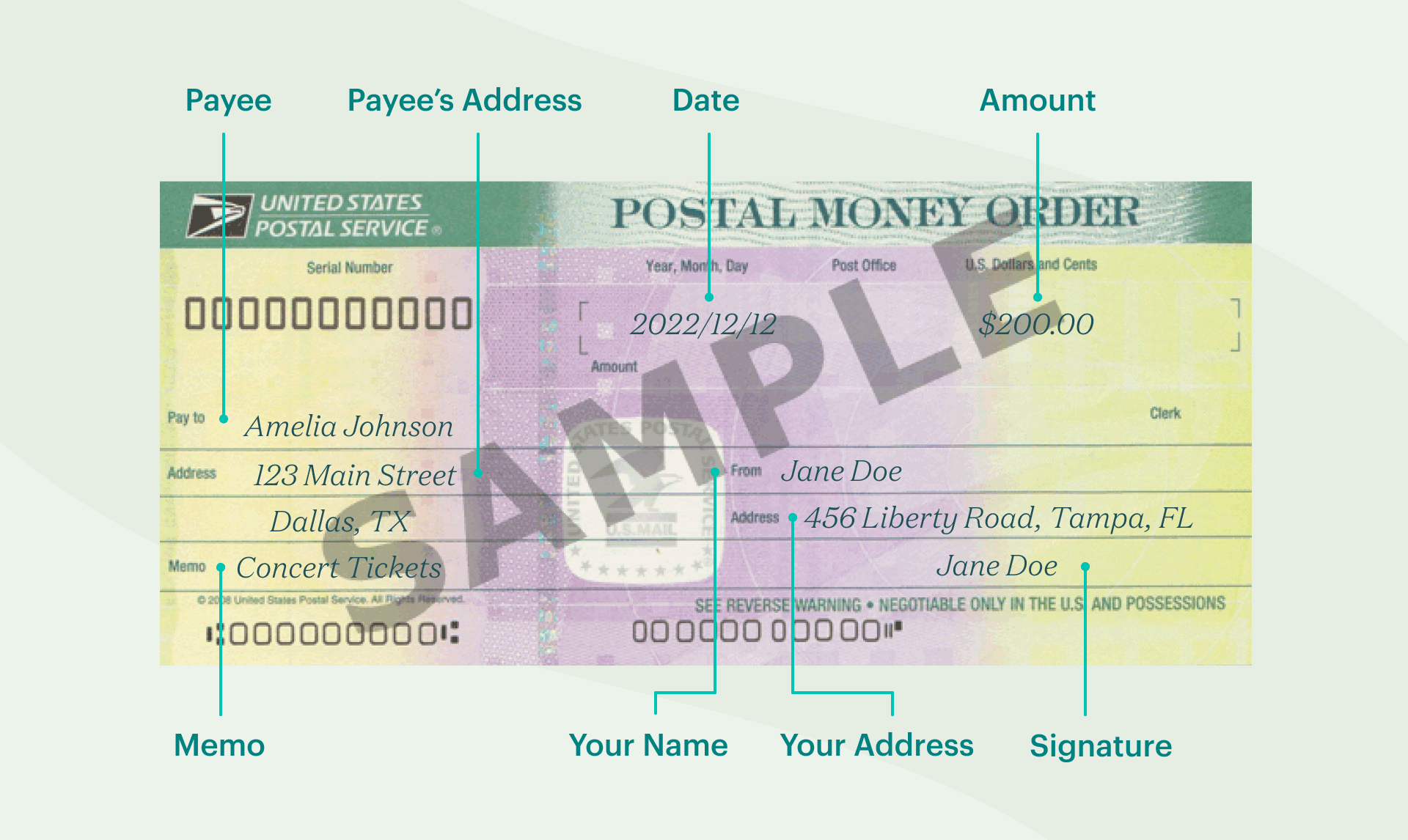
A postal money order is a secure, prepaid payment instrument issued by the United States Postal Service (USPS) that functions as a guaranteed alternative to cash or personal checks. Because the purchaser pays the full face value upfront, the document is backed by the federal government, making it a highly trusted method for sending funds through the mail or paying bills when a bank account is unavailable.
What is a Postal Money Order?
In 2026, the postal money order remains one of the most resilient financial instruments in the United States. While digital payment platforms have proliferated, the physical money order issued by the post office serves a critical role in the economy. It is essentially a "negotiable instrument" that acts like a check, but without the risk of "bouncing." When you purchase a money order, you exchange liquid currency (or a debit payment) for a document that specifies a fixed amount of money to be paid to a specific person or organization.
The primary appeal of the postal version is its issuer: the USPS. Unlike money orders issued by private retail chains or grocery stores, postal money orders are widely recognized as having the highest level of security and government backing. They do not expire, and they can be cashed at any post office nationwide, or deposited into a traditional bank account just like a standard check.
When and Why You Should Use a Postal Money Order
There are several scenarios in 2026 where a postal money order is preferable to other payment methods. Understanding these use cases helps in navigating both personal and professional financial requirements.
Security for Both Sender and Receiver
When sending money through the mail, cash is notoriously unsafe. If an envelope is lost or stolen, cash is untraceable and unrecoverable. A postal money order, however, requires the name of the recipient to be filled out immediately. Only the specified "payee" can legally cash it. For the receiver, the money order is safer than a personal check because it is prepaid. They do not have to worry about the sender having insufficient funds in a bank account.
Privacy and Financial Isolation
Unlike a personal check, a money order does not contain your bank account number or routing information. If you are paying a landlord, a small business, or an individual you do not know well, using a money order protects your sensitive banking data from being exposed. It provides a "paper trail" for your payment without linking back to your primary financial institution.
Requirements for Legal and Official Payments
Many government agencies, courts, and utility companies specifically request money orders for certain types of payments, such as bail, license fees, or past-due balances. This is because the funds are guaranteed. In 2026, even as many agencies move toward digital portals, the postal money order remains the standard "hard copy" requirement for official transactions.
Eligibility and Requirements for Purchasing
To purchase a postal money order in 2026, you must visit a physical USPS location. While the post office has digitized many services, the physical issuance of money orders remains a counter-service requirement to ensure identity verification and anti-money laundering compliance.
Identification Requirements
For standard domestic money orders under $3,000, you generally do not need to show identification. However, under federal "Know Your Customer" (KYC) regulations and the Bank Secrecy Act, if you purchase $3,000 or more in money orders in a single day, you must provide a government-issued photo ID and complete a specialized form (PS Form 8105-A). The USPS tracks these high-value transactions to prevent financial crimes.
Accepted Payment Methods
The USPS maintains strict rules on how you can pay for a money order. Because the money order is a cash equivalent, the post office must receive "guaranteed funds" before issuing it. Acceptable payment methods include:
- Cash: The most common and immediate method.
- Debit Cards: You must use a PIN-based debit card. Credit cards are typically not accepted because they involve "borrowed" money and high processing fees that the USPS does not absorb for these transactions.
- Traveler's Checks: Provided they are issued in U.S. dollars and at least 50% of the traveler's check value is used for the purchase.
Step-by-Step Guide: How to Buy and Fill Out a Postal Money Order
The process of obtaining a postal money order is straightforward, but accuracy is paramount. A single mistake in filling out the form can make the document difficult to cash or require a lengthy replacement process.
Step 1: Visit the Post Office
Locate a USPS branch during regular business hours. Most branches that offer retail services provide money order sales.
Step 2: State the Amount
Tell the clerk the exact amount you wish the money order to represent. In 2026, the maximum limit for a single domestic postal money order is $1,000. If you need to send $2,500, you will need to purchase three separate money orders (two for $1,000 and one for $500).
Step 3: Pay the Fees
Pay the face value of the money order plus the applicable issuance fee. The clerk will print the document with the amount electronically inscribed.
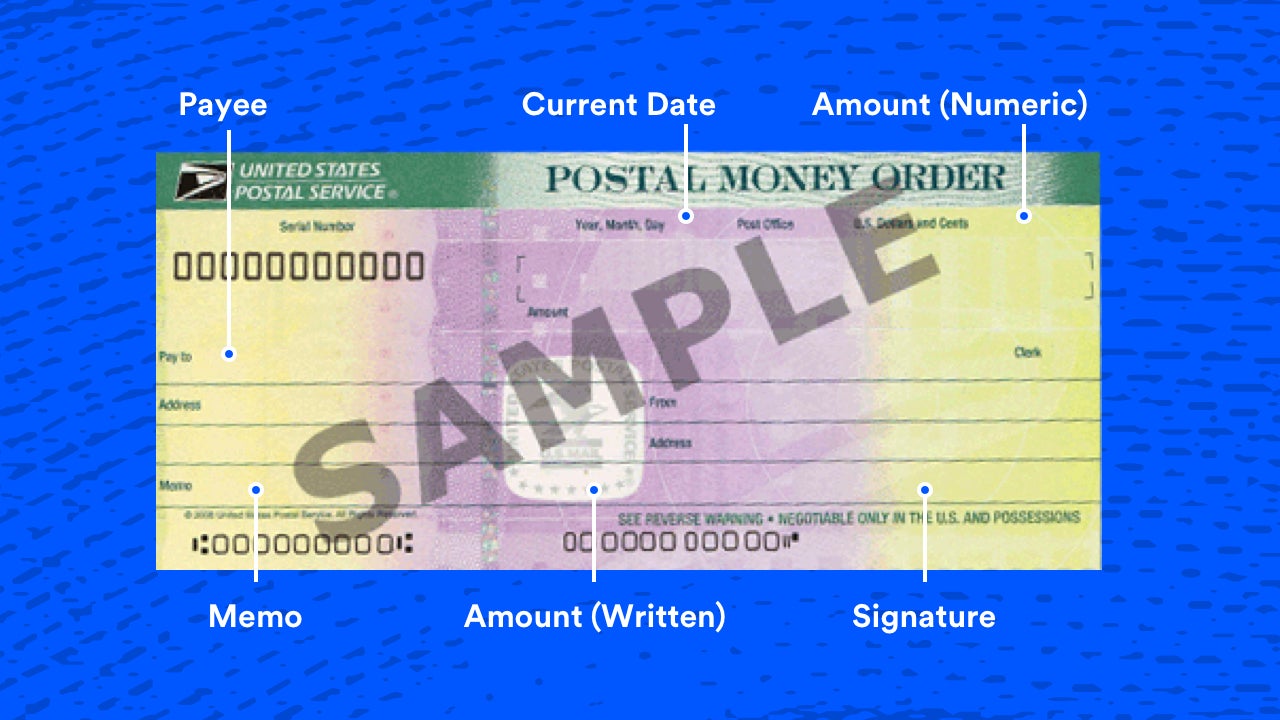
Step 4: Filling Out the Document
Once the clerk hands you the money order, fill it out immediately using a blue or black pen.
- Pay To: Enter the legal name of the person or business receiving the money. Do not leave this blank; a blank money order is as good as cash if lost.
- From/Sender: Enter your full legal name.
- Address: Provide your current mailing address. This is crucial if the recipient needs to contact you or if the money order is returned.
- Memo: This optional line is for your account number, invoice number, or a brief description (e.g., "June 2026 Rent").
Step 5: Secure the Receipt
Every postal money order comes with a detachable receipt stub. This is your only proof of purchase. If the money order is lost, stolen, or if the recipient claims they never received it, you cannot track it or request a refund without the numbers found on this receipt.
Understanding Costs and Limits in 2026
The USPS adjusts its fees periodically to account for operational costs. As of 2026, the following fee structure and limitations generally apply to postal money orders.
| Type of Money Order | Maximum Amount | Estimated Fee (2026) | Best Use Case |
|---|---|---|---|
| Domestic | $0.01 – $500.00 | $2.10 | Small bills, personal gifts, utility payments. |
| Domestic | $500.01 – $1,000.00 | $3.00 | Rent payments, larger service contracts. |
| Military | $0.01 – $1,000.00 | $0.70 | Issued by military post offices (APO/FPO/DPO). |
| International | Varies by Country | $15.50 + Processing | Sending funds to supported foreign nations. |
Note: Fees are subject to change by the USPS Board of Governors. Always check the current USPS Price List for the most up-to-date figures.
How to Cash a Postal Money Order
Receiving a postal money order is a secure way to get paid, but you must follow specific steps to convert it into cash or bank deposits.
Cashing at the Post Office
You can cash a postal money order at any USPS location for free. However, small local post offices may not always have enough cash on hand to fulfill a $1,000 money order early in the morning. If you are cashing a large amount, it is often better to visit a larger branch or a main regional office. You will be required to present a valid government-issued photo ID that matches the name written on the "Pay To" line.
Cashing at Banks and Credit Unions
Almost all banks and credit unions accept postal money orders for deposit or cashing. If you have an account with the bank, cashing is usually free. If you do not have an account, the bank may refuse to cash it or charge a significant service fee.
Cashing at Retailers
Many grocery stores and check-cashing outlets will cash postal money orders. Be aware that these private businesses almost always charge a fee, which could be a percentage of the total or a flat rate. They also require identification.
International Money Orders: Global Reach and Restrictions
International postal money orders are a specialized service for sending funds abroad. However, they are not available for every country. The USPS has bilateral agreements with specific nations to honor these documents.
In 2026, the maximum value for international money orders is typically capped at $700 ($500 for some specific countries). Before purchasing, you must verify if the destination country is on the USPS list of participating countries. If a country is not on that list, you may need to use a wire transfer or a different international remittance service.
The conversion rate for international money orders is set at the time of purchase. The clerk will use the current daily exchange rate to determine the cost in U.S. dollars. Like domestic versions, international money orders require the sender to fill out the recipient's details clearly to avoid delays in foreign customs or banking systems.
Security Features and Fraud Prevention
Postal money orders are designed with sophisticated security features to prevent counterfeiting. In 2026, staying vigilant against fraud is essential, especially when receiving money orders from people you do not know well.
How to Spot a Fake
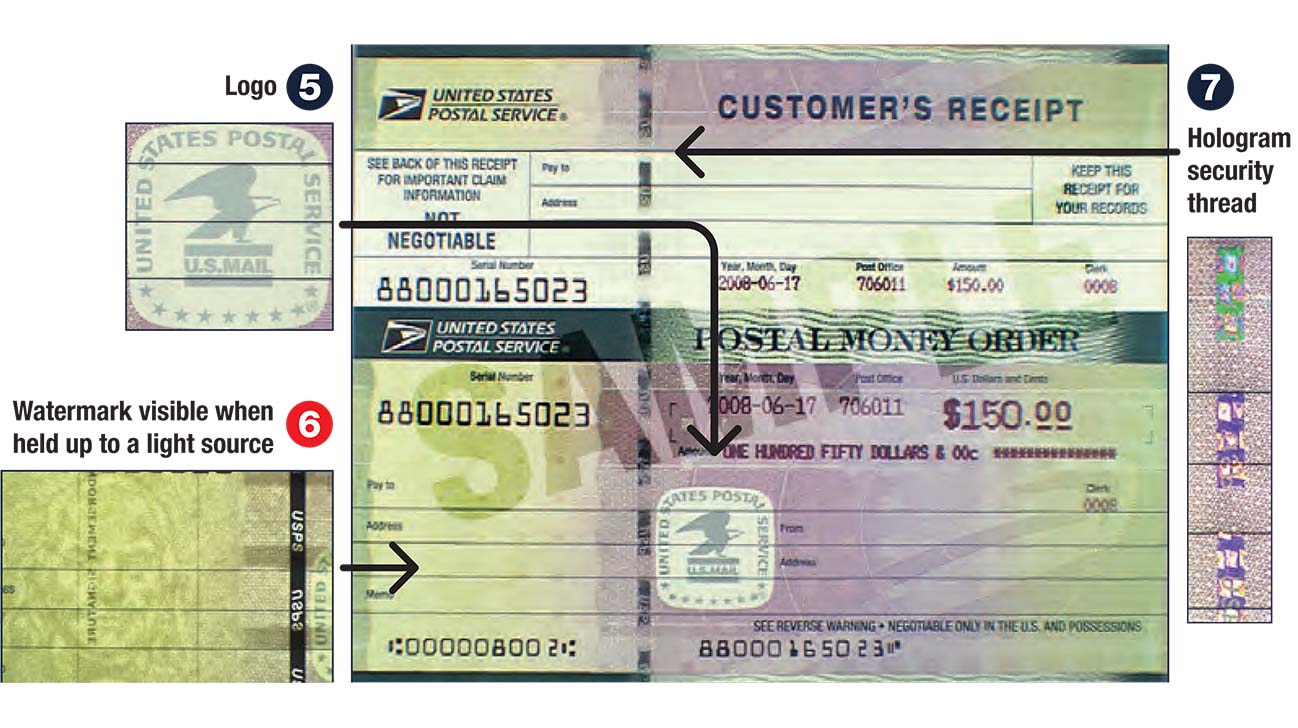
When you hold a genuine postal money order up to the light, you should see:
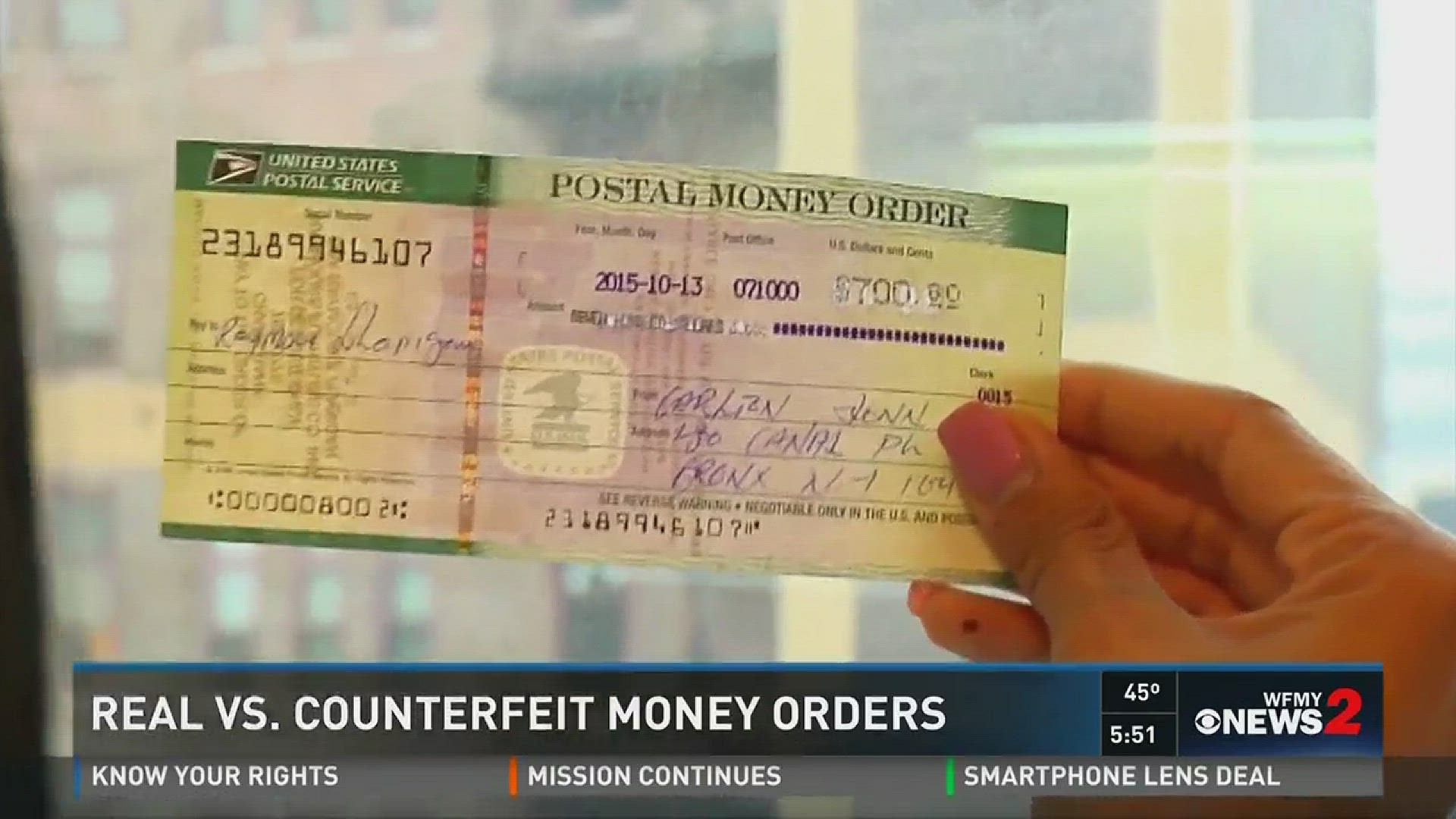
- The Benjamin Franklin Watermark: A faint image of Benjamin Franklin repeated on the left side (from top to bottom).
- The Security Thread: A dark line running vertically through the paper. In 2026 models, this thread often contains microprinting that says "USPS" repeatedly.
- No Erasures: Look closely at the dollar amount. If the paper appears fuzzy, discolored, or scratched around the numbers, the amount may have been altered.
Common Scams
A frequent scam involves a "buyer" sending you a money order for more than the agreed-upon price and asking you to wire back the difference. This is almost always a fraudulent scheme. The money order will initially be accepted by your bank, but when the USPS identifies it as a fake days later, the bank will deduct the full amount from your account, leaving you responsible for the loss.
Troubleshooting: Lost, Stolen, or Damaged Money Orders
If a money order goes missing, the process for recovery is methodical but slow. This is where the receipt stub becomes vital.
Tracking the Status
You can check if a money order has been cashed by visiting the USPS Money Order Inquiry portal. You will need to enter the money order number, the post office number, and the amount—all of which are found on your receipt.
Requesting a Refund
If the money order has not been cashed, you can apply for a replacement or refund by filing PS Form 6401 (Money Order Inquiry).
- The Fee: There is a processing fee (approximately $18.00 to $20.00 in 2026) to investigate and replace a lost money order.
- The Timeline: It can take 30 to 60 days for the USPS to complete its investigation. If they confirm the original document was never cashed, they will issue a new money order for the original amount.
- No Receipt? If you lost your receipt stub, the USPS generally cannot help you. The numbers on that stub are the only link between your cash and the specific document issued.
Postal Money Orders vs. Digital Alternatives
While digital apps like Zelle, Venmo, and PayPal offer speed, they do not replace the unique benefits of the postal money order in 2026.
- Legal Standing: A money order is a physical, legal document that serves as a permanent record. Digital receipts can sometimes be disputed or deleted.
- Accessibility: Many people in the U.S. remain "unbanked" or "underbanked." A money order allows these individuals to participate in the formal economy without needing a smartphone or a bank account.
- Finality: Once a postal money order is cashed, the transaction is finished. There are no "chargebacks" like those found in credit card or some digital wallet transactions.
Frequently Asked Questions
Can I buy a postal money order with a credit card? No, the USPS does not allow the purchase of money orders with credit cards. This is to prevent people from using credit lines to create cash equivalents, which is high-risk for the postal service and typically carries high fees for the user that the USPS does not support.
Do postal money orders expire? No, USPS money orders never expire. They retain their value indefinitely. However, if you hold a money order for many years, you may find that the paper has aged or the security features have changed, which might require you to have the post office verify or replace it before it can be cashed.
Can I stop payment on a postal money order? You cannot "stop payment" in the way you can with a personal check. Once a money order is issued, it is considered guaranteed. The only way to get your money back is to go through the official inquiry and refund process (Form 6401), which only works if the money order has not yet been cashed.
What is the maximum amount I can send? For domestic money orders, the limit is $1,000 per document. You can buy multiple money orders if you need to send more, but be aware that buying more than $3,000 worth in a single day requires additional identification and federal reporting.
Is a postal money order the same as a cashier's check? No. A cashier's check is issued by a bank and is usually for much larger amounts. A postal money order is issued by the post office and is limited to $1,000. Both are considered guaranteed funds, but the issuer and the limits differ.
Summary of Recommendations
If you need to make a secure payment in 2026, the postal money order remains a gold-standard choice. To ensure a smooth experience, always fill out the "Pay To" field immediately after purchase, keep your receipt in a safe location, and verify the security features if you are on the receiving end. For large transactions, consider visiting the post office early in the day to ensure they have the necessary cash reserves to assist you.
Image Gallery
Select an image to open it in a new tab.



Celine Dubois
Contemporary Living and Global Arts Columnist
