Understanding Intellectual Development Delay in Children: Signs, Evaluation, and Intervention
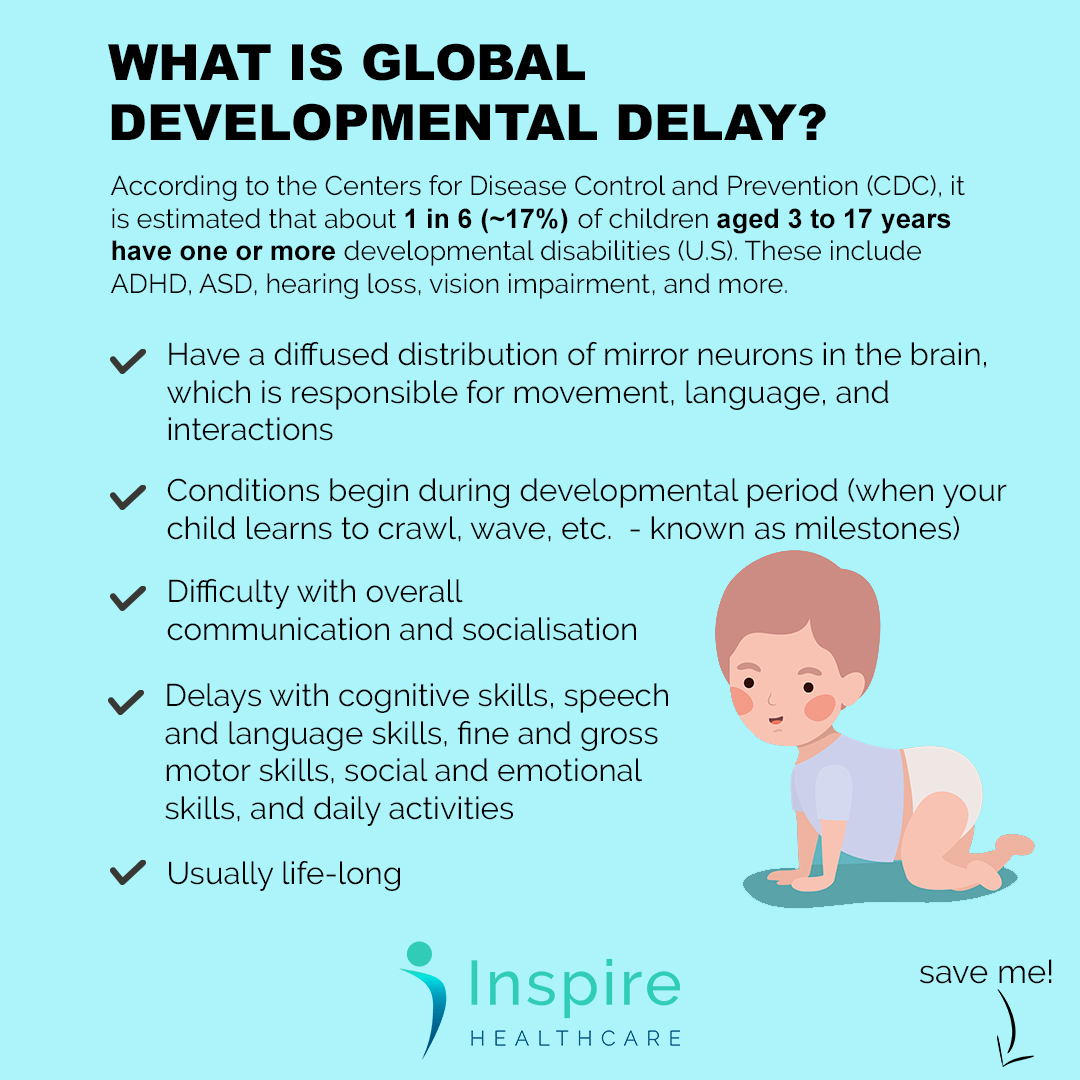
Intellectual development delay in children refers to a significant lag in acquiring cognitive, language, motor, and social skills compared to typical developmental milestones for their age group. Identifying these delays early allows families to access targeted therapies, specialized educational support, and medical evaluations that can substantially improve long-term developmental outcomes.
Defining Intellectual Development Delay in Children
When evaluating a child's growth, pediatric specialists distinguish between developmental delays and permanent intellectual disabilities. A developmental delay often signifies that a child is moving through developmental stages at a slower pace than peers. Depending on the domains affected, this delay can be global—impacting multiple areas of functioning—or specific to particular skills such as language expression or fine motor coordination.
Global Developmental Delay (GDD) is a clinical term typically reserved for children under the age of five who exhibit significant delays across two or more developmental domains. These domains generally include:
- Gross and Fine Motor Skills: Walking, balancing, grasping objects, and manipulating small items.
- Speech and Language: Expressive vocabulary, receptive language comprehension, and non-verbal communication.
- Cognitive Development: Problem-solving, memory, reasoning, and learning capacity.
- Social and Emotional Skills: Interacting with peers, self-regulation, and emotional expression.
- Adaptive Behavior: Independence in daily activities such as feeding, dressing, and using the bathroom.
When children reach school age, comprehensive formal psychological testing can provide an Intelligence Quotient (IQ) score and a measure of adaptive functioning. If deficits persist in both cognitive capacity and adaptive behavior, the clinical term often shifts to intellectual disability. However, early intervention professionals prefer to focus on functional capabilities rather than diagnostic labels to ensure children receive the exact support they require.
Key Signs and Milestones to Monitor
Parents and caregivers are frequently the first to notice that a child is not meeting standard milestones. While every child develops at an individual pace, specific warning signs warrant professional evaluation. Recognizing these indicators across different age groups helps bridge the gap between initial observation and clinical diagnosis.
Infancy (0 to 12 Months)
During the first year of life, red flags for intellectual and developmental delays include:
- Persistent stiffness or extreme floppiness in muscle tone.
- Failure to make eye contact or respond to familiar voices by three to six months.
- Lack of babbling, gesturing, or imitating facial expressions by nine months.
- Inability to sit unsupported by nine to ten months.
- Lack of response to sounds or failure to turn toward a voice.
Toddlerhood (1 to 3 Years)
As children transition into independent movement and language, delays become more apparent through:
- Inability to walk independently by 18 months.
- Failure to speak single words by 15 to 18 months or combine two words into phrases by age two.
- Difficulty understanding simple verbal instructions.
- Lack of interest in interactive play with peers or caregivers.
- Loss of previously acquired speech or social skills at any age.
Preschool and Early School Age (3 to 5 Years)
During the preschool years, cognitive and social demands increase, highlighting potential challenges with:
- Trouble pronouncing words or formulating complete sentences.
- Difficulty following multi-step directions or rules during games.
- Inability to grasp basic concepts like counting, colors, or matching shapes.
- Severe behavioral outbursts resulting from frustration with communication.
- Ongoing struggles with self-help skills such as using utensils or potty training.

Causes and Risk Factors
Intellectual development delays stem from a diverse array of genetic, environmental, and medical factors. In many instances, a definitive single cause cannot be identified, but understanding potential risk factors assists clinicians in tailoring intervention strategies.
| Category | Potential Causes and Risk Factors | Clinical Impact |
|---|---|---|
| Genetic Factors | Down syndrome, Fragile X syndrome, Rett syndrome, chromosomal microdeletions | Altered brain development and cognitive processing capabilities |
| Prenatal Factors | Maternal infections (e.g., rubella, CMV), alcohol or substance exposure, severe malnutrition | Disruptions in embryonic and fetal neural development |
| Perinatal Factors | Extreme prematurity, low birth weight, birth asphyxia, neonatal stroke | Hypoxic-ischemic injury to developing brain tissue |
| Postnatal Factors | Severe traumatic brain injury, central nervous system infections (meningitis), lead poisoning | Acquired neurological damage affecting ongoing skill acquisition |
| Environmental Factors | Severe psychosocial deprivation, chronic neglect, lack of cognitive stimulation | Impaired synaptic pruning and neural pathway reinforcement |
Identifying these underlying mechanisms does not alter the immediate need for developmental therapies, but it provides vital information regarding recurrence risks in future pregnancies and directs medical management of associated health conditions like epilepsy or vision impairment.
The Evaluation and Diagnostic Process
When a parent, pediatrician, or early childhood educator suspects an intellectual development delay, a structured diagnostic pathway is initiated. This process involves multidisciplinary assessments to rule out sensory impairments, such as hearing or vision loss, and to pinpoint specific areas of developmental need.
1. Developmental Screening
Pediatricians incorporate standardized screening questionnaires during routine well-child visits. Tools such as the Ages and Stages Questionnaires (ASQ) or the Parent's Evaluation of Developmental Status (PEDS) help quantify a child's skill levels compared to normative data.
2. Comprehensive Medical Evaluation
If a screening indicates potential delay, a pediatrician or pediatric neurologist conducts a thorough physical and neurological examination. This step may include ordering genetic testing (such as chromosomal microarray or Fragile X testing), metabolic screening, or neuroimaging (such as an MRI of the brain) to investigate underlying organic causes.
3. Multidisciplinary Developmental Assessment
Specialists—including speech-language pathologists, occupational therapists, physical therapists, and developmental-behavioral pediatricians—perform formal observational and standardized testing. These assessments measure adaptive behavior, cognitive processing, fine and gross motor performance, and communicative competence.
Intervention Strategies and Support Systems
Early intervention is the cornerstone of mitigating the impact of intellectual development delays. Because the human brain exhibits high neuroplasticity during the first few years of life, targeted therapies can help form alternative neural pathways and foster functional independence.
Early Intervention Programs (Birth to Age 3)
In many jurisdictions, publicly funded early intervention systems provide comprehensive evaluations and home- or center-based services for infants and toddlers. Services typically include:
- Speech Therapy: Addressing expressive and receptive language deficits, articulation, and alternative communication methods (such as sign language or picture exchange systems).
- Occupational Therapy: Focusing on fine motor control, sensory processing, and adaptive daily living skills like feeding and dressing.
- Physical Therapy: Enhancing gross motor strength, balance, coordination, and mobility.
- Family Training: Equipping parents with strategies to incorporate developmental exercises into daily routines.
Special Education and Educational Support (Ages 3 and Older)
Once a child transitions past early intervention age, local school districts assume primary responsibility through specialized educational plans. Depending on the severity of the delay, children may qualify for an Individualized Education Program (IEP) under federal special education laws. An IEP outlines customized learning goals, necessary accommodations, and related support services like school-based speech or occupational therapy within an inclusive or specialized classroom setting.
Family Guidance and Coping Mechanisms
Navigating an intellectual development delay in a child involves emotional, financial, and logistical adjustments for the entire family. Caregiver support is integral to maintaining a nurturing environment that fosters resilience and progress.
- Build a Multidisciplinary Care Team: Maintain open communication among pediatricians, therapists, educators, and medical specialists to ensure a unified approach.
- Engage in Parent Support Groups: Connecting with other families navigating similar diagnoses reduces isolation and provides practical, firsthand advice on managing day-to-day challenges.
- Focus on Strengths and Functional Gains: Celebrate small milestones and focus on fostering the child's unique capabilities rather than comparing progress strictly to chronological peers.
- Utilize Respite Care: Caregiver burnout is a documented risk; utilizing planned respite services allows parents to rest and attend to personal well-being.
Disclaimer: The information provided in this article is for educational and informational purposes only and does not constitute formal medical, psychological, or legal advice. Always consult a qualified healthcare provider or developmental specialist for professional evaluation, diagnosis, and personalized treatment plans.
Frequently Asked Questions
What is the difference between a developmental delay and an intellectual disability?
A developmental delay means a child is slower to reach milestones across one or many domains, but they may catch up over time with appropriate support. An intellectual disability is a formal diagnosis characterized by significant limitations in both intellectual functioning and adaptive behavior that originate during the developmental period and persist over time.
At what age can an intellectual development delay be accurately diagnosed?
Global developmental delays are typically identified during infancy and toddlerhood (under age five). Formal diagnoses of intellectual disability are usually made during school age when standardized cognitive testing and assessments of adaptive behavior become more reliable and stable.
How do I access early intervention services for my child?
Parents can contact their pediatrician for a referral or reach out directly to their state or local early intervention program. In many regions, families can self-refer for a free developmental screening without requiring a physician's order.
Can children with intellectual development delays attend regular schools?
Yes. Many children with mild to moderate delays thrive in mainstream classrooms with appropriate accommodations, modifications, and specialized support services outlined in an Individualized Education Program (IEP). Placement decisions depend entirely on the individual child's needs and the principle of the least restrictive environment.
Next Actions for Concerned Parents
If you suspect your child is experiencing an intellectual development delay, schedule an appointment with your pediatrician immediately to request a developmental screening. Document specific behaviors, milestones missed, and questions you want to discuss during the visit. Early action remains the single most effective tool for unlocking your child's potential and securing timely, evidence-based support.
Image Gallery
Select an image to open it in a new tab.

Vivian Cho
Executive IT and Emerging Technologies Reporter
