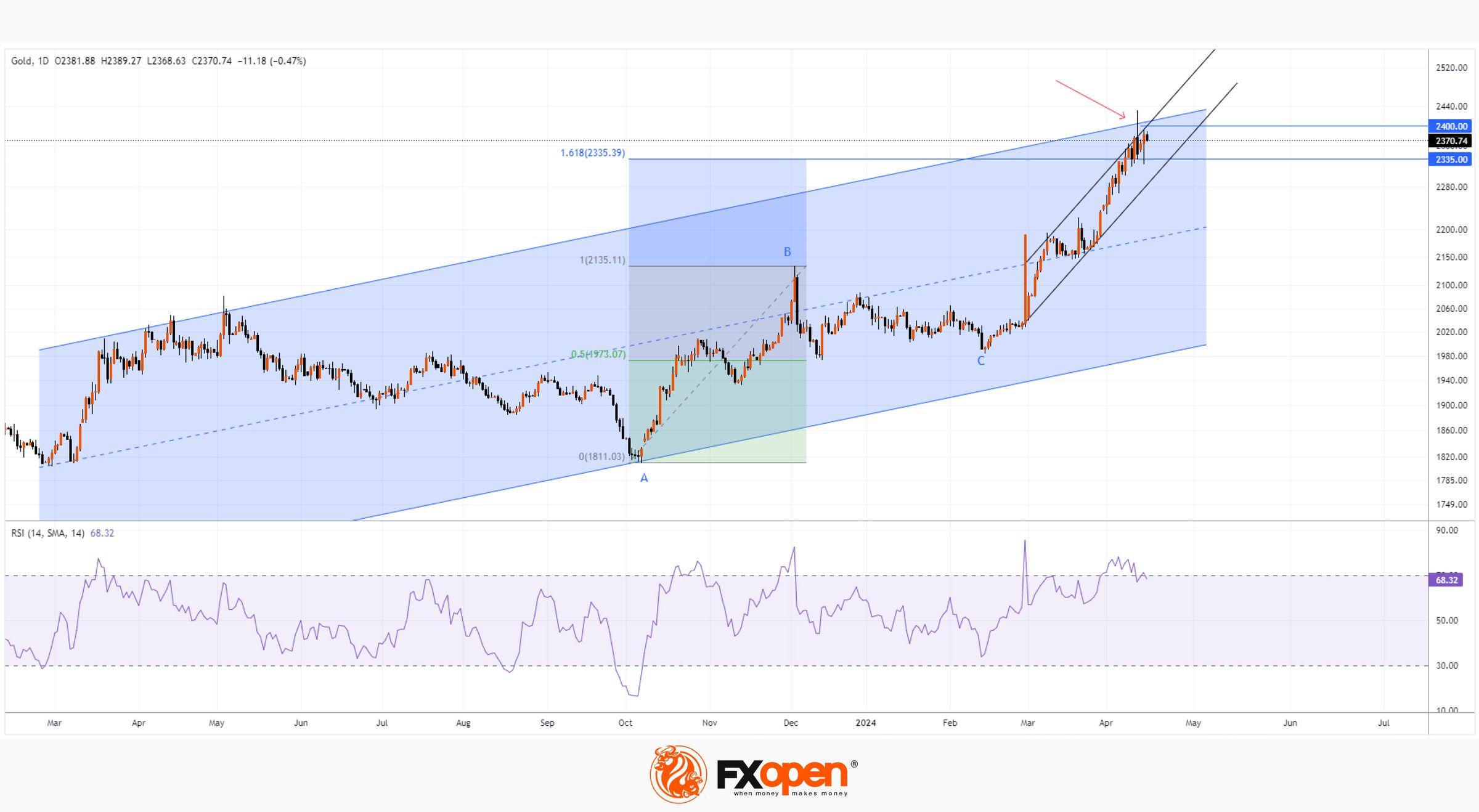
The gold spot USD price, commonly identified by the ticker symbol XAU/USD, represents the current market value of one troy ounce of gold denominated in U.S. Dollars for immediate delivery. This benchmark is the global standard for valuation, influenced by central bank policies, real-time supply and demand, and macroeconomic stability.
To navigate the complexities of the gold market in 2026, investors must distinguish between "spot" prices and "futures" prices, understand the mechanics of the U.S. Dollar’s influence, and recognize the technical requirements for accessing these markets. Whether you are a retail trader seeking to hedge against inflation or a collector of physical bullion, the spot price serves as the foundational data point for every transaction.
What is the Gold Spot Price?
The term "spot price" refers to the price at which a commodity, such as gold, can be bought or sold for immediate settlement. This contrasts with futures contracts, which are agreements to buy or sell gold at a specific price on a future date. In the context of "gold spot USD," the transaction assumes that the gold is being traded in the "here and now" on the over-the-counter (OTC) market.
The spot price is not set by a single exchange. Instead, it is derived from a continuous stream of data from global banks, bullion dealers, and electronic trading platforms. Because gold trades 24 hours a day, five days a week across major financial hubs like London, New York, Zurich, and Hong Kong, the price is in a state of constant flux.
The Measurement: The Troy Ounce
In the international gold market, the standard unit of measurement is the troy ounce. It is important to note that a troy ounce (approximately 31.1035 grams) is heavier than a standard "avoirdupois" ounce used for common groceries (approximately 28.35 grams). When you see a quote for "Gold Spot USD" at $2,450.00, it refers specifically to one troy ounce of .999 fine gold.
The Relationship Between Gold and the U.S. Dollar
Gold is a dollar-denominated asset. This means that even if you are an investor in Europe, Asia, or South America, the international benchmark is priced in USD. This creates an inverse relationship between the strength of the U.S. Dollar and the price of gold.
- The Denomination Effect: When the U.S. Dollar (DXY) strengthens against other major currencies, gold becomes more expensive for holders of those other currencies. This often leads to a decrease in demand and a subsequent drop in the spot price.
- The Safe Haven Effect: Conversely, during periods of U.S. economic uncertainty or aggressive currency devaluation, investors often flee to gold as a "safe haven" asset. This flight to quality increases demand, driving the XAU/USD price higher.
- Interest Rates and Opportunity Cost: As we observe the market in 2026, the Federal Reserve’s interest rate policy remains a primary driver. Gold is a non-yielding asset; it does not pay dividends or interest. When interest rates are high, the "opportunity cost" of holding gold increases because investors could earn yield on bonds or savings accounts instead. When rates are cut or expected to fall, gold typically attracts more capital.
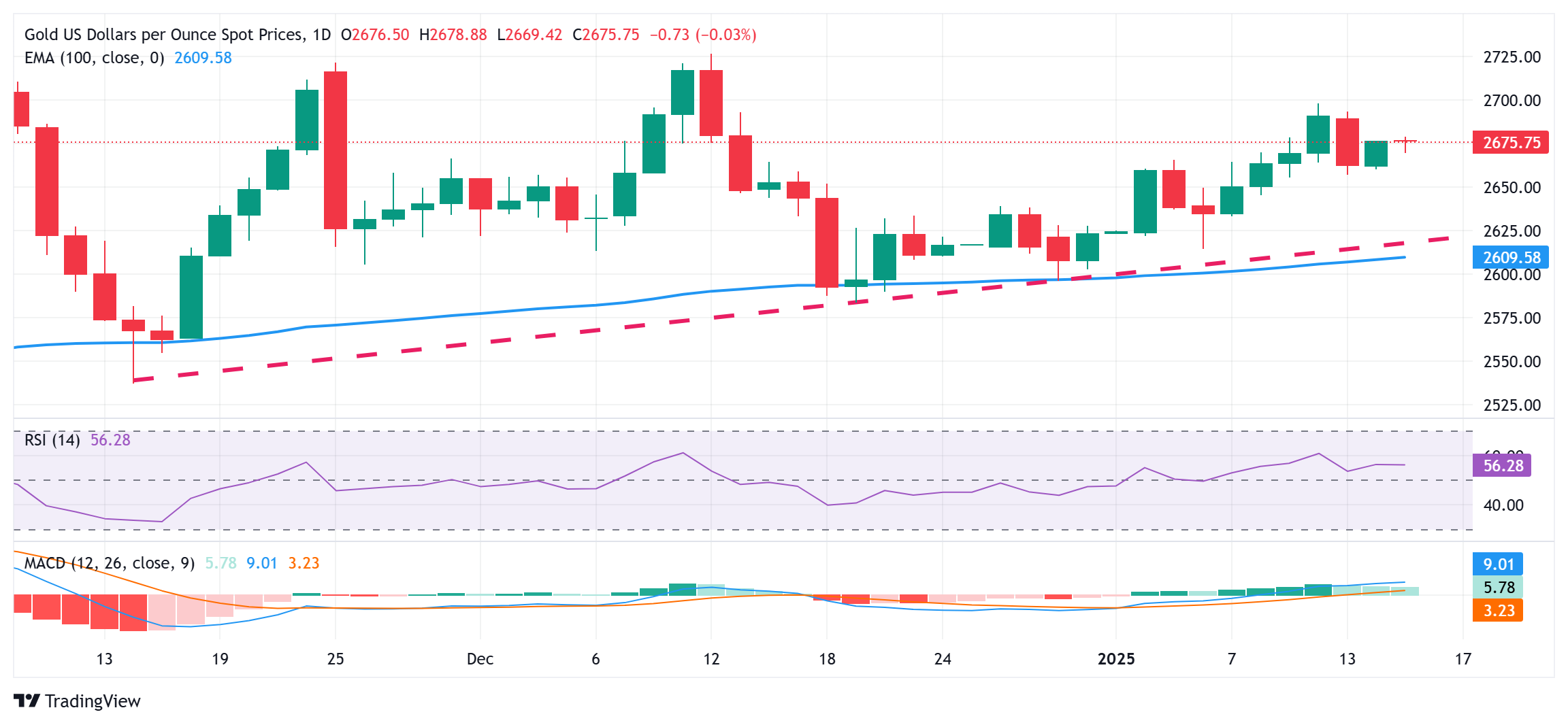
How the Gold Spot USD Price is Determined
The pricing mechanism for gold is a hybrid of traditional institutional "fixing" and modern electronic trading.
The LBMA Gold Price
The London Bullion Market Association (LBMA) manages the global benchmark for gold pricing. Twice daily (at 10:30 AM and 3:00 PM London time), a group of participating international banks participates in an electronic auction to determine the "LBMA Gold Price." This "Fix" is used by miners, central banks, and jewelers as the official price for large-scale contracts and valuation.
COMEX and Electronic Trading
While the London market handles the majority of physical settlement, the CME Group's COMEX in New York is the primary hub for gold futures trading. The massive volume of paper trading on COMEX exerts significant influence on the real-time spot price. Arbitrageurs ensure that the spot price and the front-month futures price stay closely aligned, accounting for "carry costs" like storage and insurance.
Key Drivers of Gold Prices in 2026
As of 2026, several structural factors continue to dictate the trajectory of the gold spot USD market. Understanding these helps traders anticipate volatility.
Central Bank Accumulation
In recent years, central banks (particularly in China, India, and Turkey) have significantly increased their gold reserves. This institutional demand creates a "floor" for the spot price. When central banks buy gold, they are often diversifying away from U.S. Treasuries, which signals a long-term bullish sentiment for the metal regardless of short-term price fluctuations.
Inflation and Real Yields
Gold is historically viewed as an inflation hedge. However, the more precise metric to watch is the real yield (the 10-year Treasury yield minus the inflation rate). If inflation is 4% but bond yields are only 3%, the real yield is -1%. Negative real yields are historically the most favorable environment for gold spot prices.
Geopolitical Stability
Gold thrives on "black swan" events. Conflict in major economic regions or disruptions in global trade routes typically triggers a spike in XAU/USD. Traders use gold as a form of "geopolitical insurance" during times when traditional fiat currencies and equity markets appear vulnerable.
Methods for Trading and Investing in Gold Spot
There are several ways to gain exposure to the gold spot USD price, each with distinct requirements and cost structures.
| Investment Type | Ownership Method | Pricing Basis | Best For |
|---|---|---|---|
| Physical Bullion | Direct ownership of coins/bars | Spot + Premium | Long-term wealth preservation |
| Spot XAU/USD (CFD) | Contract for Difference (Derivative) | Real-time Spot Price | Short-term speculation/Day trading |
| Gold ETFs | Shares in a gold-backed fund | Net Asset Value (NAV) | Portfolio diversification |
| Gold Futures | Exchange-traded contracts | Future delivery price | Institutional hedging/High leverage |
1. Physical Gold (Coins and Bars)
When you buy physical gold, you rarely pay the exact spot price. Dealers charge a premium above the spot price to cover their overhead, shipping, and profit margins. In 2026, standard premiums for one-ounce sovereign coins (like the American Eagle or Canadian Maple Leaf) typically range from 2% to 5% above spot.
2. Spot Trading (XAU/USD)
Through retail brokers, traders can speculate on the movement of the spot price without taking delivery of the metal. This is often done via CFDs (Contracts for Difference).
- Leverage: Many brokers offer leverage (e.g., 1:20 or 1:50), allowing you to control a large position with a small amount of capital.
- Spreads: Instead of a commission, brokers usually charge a "spread"—the difference between the buy (bid) and sell (ask) price.
- Swaps: If you hold a spot gold position overnight, you may be charged (or paid) a "swap" or "rollover" fee based on interest rate differentials.
3. Gold ETFs and ETPs
Exchange-Traded Funds, such as the SPDR Gold Shares (GLD), hold physical gold in vaults. Each share represents a fractional interest in that gold. This is the most efficient way for stock market investors to track the gold spot USD price without the hassle of physical storage.
Technical Analysis of Gold Spot USD
Professional traders often use technical indicators to predict short-term movements in the XAU/USD pair. Because gold is a highly liquid global market, it tends to respect technical levels more consistently than thinner markets.
- Support and Resistance: Traders look for historical price points where gold has previously struggled to fall below (support) or rise above (resistance).
- Moving Averages: The 50-day and 200-day Simple Moving Averages (SMA) are critical benchmarks. A "Golden Cross" (50-day crossing above the 200-day) is often seen as a long-term bullish signal.
- Relative Strength Index (RSI): This momentum oscillator measures whether gold is "overbought" (typically above 70) or "oversold" (typically below 30). In the 2026 market, RSI is a vital tool for timing entries during periods of high volatility.
Common Mistakes When Following Gold Spot Prices
Despite the wealth of information available, many participants make fundamental errors when interpreting gold spot USD data.
- Ignoring the Currency Component: Many investors forget that they are trading a pair. If gold is rising, it might not be because gold is "strong"; it might simply be because the U.S. Dollar is "weak." Always check the U.S. Dollar Index (DXY) for context.
- Confusing Spot with Retail: New investors are often surprised when they cannot buy gold at the spot price shown on the news. Always account for dealer premiums and local sales taxes (if applicable).
- Over-Leveraging: Because gold can move $50 or $100 in a single day during major news events, using high leverage in spot trading can lead to rapid account liquidation.
- Chasing the Peak: Gold often experiences "parabolic" moves during crises. Entering a position at the height of a news cycle often leads to "buying the top."
Frequently Asked Questions
What time does the gold spot market open?
The gold market is essentially a 24-hour market. It typically opens on Sunday at 6:00 PM EST and closes on Friday at 5:00 PM EST. There is a daily break in trading between 5:00 PM and 6:00 PM EST. This continuous cycle is possible because as one major global market (like New York) closes, another (like Sydney or Tokyo) is opening.
Why is there a difference between the bid and ask price?
The Bid is the highest price a buyer is willing to pay, while the Ask is the lowest price a seller is willing to accept. The difference between the two is the "spread." In a highly liquid market like XAU/USD, the spread is usually very narrow (often just a few cents), but it can widen significantly during periods of low liquidity or extreme volatility.
Does the spot price include storage or insurance?
No. The gold spot USD price represents the value of the metal itself. If you are buying physical gold, you must factor in the additional costs of secure storage (such as a bank vault or private depository) and insurance premiums. If you are trading spot gold through a broker, these costs are often reflected in "holding costs" or "overnight swaps."
Is gold spot USD a good investment for 2026?
Whether gold is a "good" investment depends on an individual's portfolio goals. In 2026, gold remains a primary tool for diversification. While it does not offer the high growth potential of technology stocks, it provides a unique lack of correlation with other assets. Most financial advisors suggest a 5% to 10% allocation to precious metals to mitigate overall portfolio risk.
How are taxes handled on gold spot trading?
Taxation varies significantly by jurisdiction. In the United States, physical gold is often taxed as a "collectible," which can carry a higher capital gains rate (up to 28%) compared to standard stocks. Trading spot gold (XAU/USD) through a broker may fall under different regulations (such as Section 1256 contracts for futures or standard capital gains for CFDs). Always consult a tax professional regarding your specific situation.
Next Steps for Investors
If you are looking to engage with the gold spot USD market, your next actions should be determined by your time horizon and risk tolerance:
- For Speculators: Open a demo account with a reputable brokerage that offers XAU/USD. Practice using technical indicators and managing "stop-loss" orders before committing real capital.
- For Long-Term Savers: Research reputable bullion dealers. Compare their premiums over the spot price and investigate secure storage options or home safes.
- For Portfolio Diversifiers: Look into "Physically Backed" Gold ETFs. Ensure the fund actually holds the gold in a vault (like the iShares Gold Trust or SPDR Gold MiniShares) rather than using derivatives.
By monitoring the gold spot USD price as a living indicator of global economic health, you can make more informed decisions about when to protect your wealth and when to take on risk.
Image Gallery
Select an image to open it in a new tab.





Simon Caldwell
Enterprise Technology and Systems Editor
