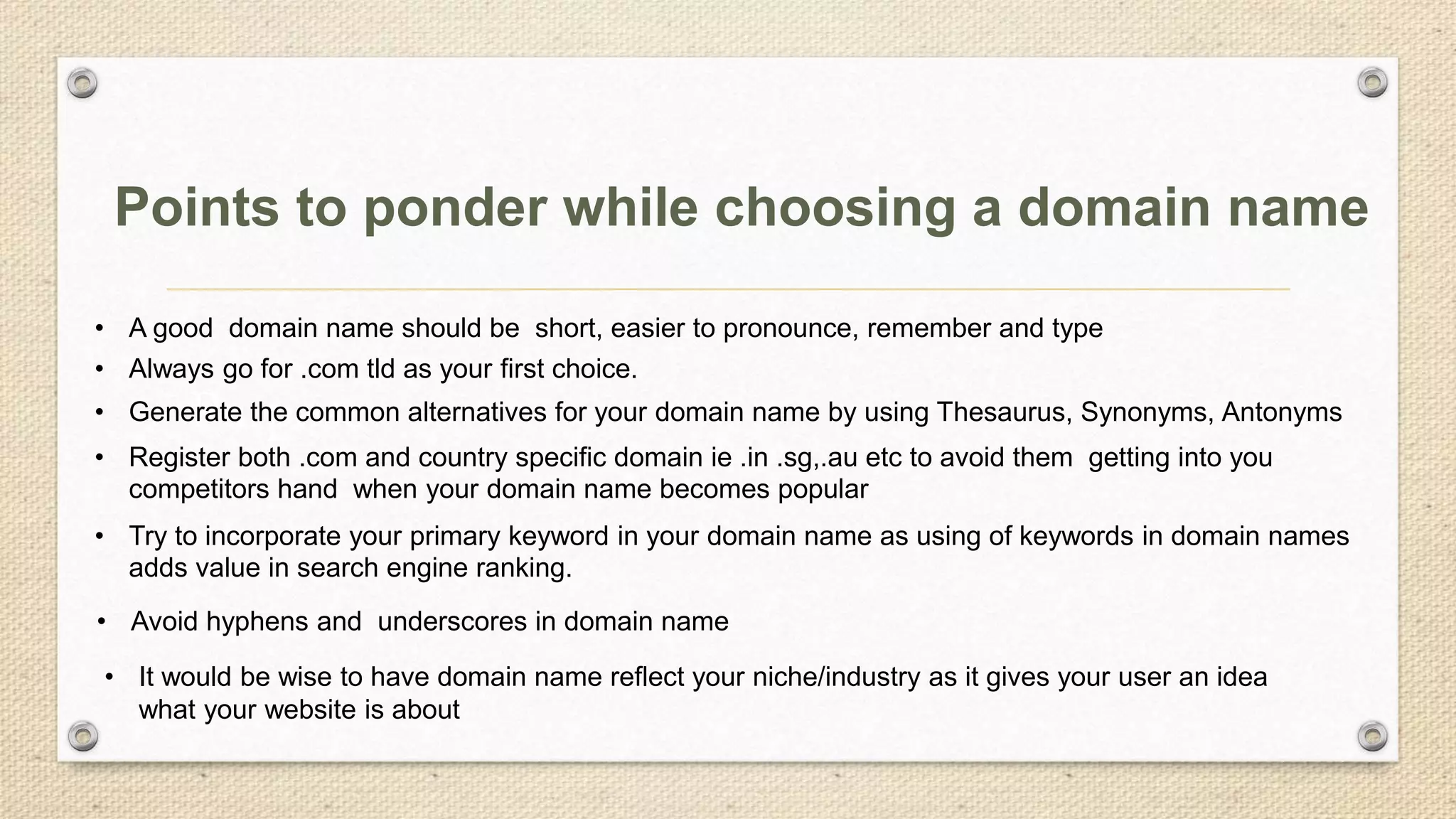
Choosing a nice domain name requires balancing brand memorability, technical simplicity, and long-term search engine discoverability. A high-quality domain serves as your primary digital address, acting as the foundation for your website’s identity, email deliverability, and user trust. The most effective names are short, easy to spell, pronounceable, and devoid of characters that cause confusion during verbal communication or manual entry.
The Foundation of a Quality Domain Name
A domain name is more than just an address; it is an asset that represents your brand or project identity. Before settling on a name, you must consider the psychological and functional impact of your choice. "Nice" in this context is defined by utility: a domain that users can easily remember, type without error, and associate immediately with your content.
Keep It Short and Punchy
Brevity is the most critical factor for memorability. Research suggests that the most effective domain names typically stay under 15 characters. Short names are less prone to typographical errors and are easier to fit on business cards, social media profiles, and marketing materials. If your brand name is long, consider an abbreviated version or an action-oriented word to keep the domain concise.
Prioritize Ease of Spelling and Pronunciation
If a user cannot spell your domain after hearing it once, you lose potential traffic. Avoid words that have multiple common spellings (e.g., "gray" vs. "grey") or homophones that confuse listeners (e.g., "to," "too," and "two"). A good litmus test for a potential domain is the "Radio Test." If you were to mention your website on a podcast or radio advertisement, would the listener be able to type it into their browser correctly without further instruction? If the answer is no, the domain is likely too complex.
Avoid Hyphens and Numbers
Technically, domain names can contain hyphens and numbers, but they often lead to user friction. Hyphens are frequently forgotten by users and are often viewed as a hallmark of spammy or low-quality sites. Numbers can be ambiguous—does "2" mean "two," "to," or "too"? If your chosen brand name absolutely requires a number, consider registering both the digit and the spelled-out version to capture redirected traffic, though it is best to avoid them entirely for your primary domain.
Understanding Top-Level Domains (TLDs)
The extension at the end of your domain, known as the Top-Level Domain (TLD), provides context to your audience about the nature of your site. While there are hundreds of available TLDs, they carry different weights regarding perceived authority and user expectation.
| TLD Category | Typical Use Case | Trust Level |
|---|---|---|
| .com | Commercial, Global, General | Very High |
| .org | Non-profits, Organizations | High |
| .net | Network infrastructures | Medium |
| .io / .co | Startups, Tech, Modern Brands | Medium-High |
| .gov / .edu | Government or Educational Institutions | Exclusive/Restricted |
| .ccTLD (e.g., .us, .uk) | Geo-specific targeting | High (within region) |
The .com extension remains the industry standard. Most users will intuitively type ".com" when attempting to find a brand. While newer gTLDs (generic Top-Level Domains) like .agency, .shop, or .photography offer more creative naming possibilities, they lack the "default" trust that .com enjoys. Choose a .com if possible; if it is unavailable, ensure your alternative TLD is memorable and relevant to your specific niche.
Strategic Selection Criteria
Beyond the mechanical aspects of spelling and TLDs, you must evaluate the domain’s strategic value. Your domain should reflect your brand’s mission or the primary problem your content solves.
Brandability vs. Keyword Loading
Years ago, "exact-match domains" (e.g., BestCheapRunningShoes.com) were highly effective for SEO. As of 2026, search algorithms prioritize brand identity and user intent over string matching. A unique, brandable name—like "Nike" or "Amazon"—allows for flexibility as your site grows. If you strictly use a keyword-loaded domain, you limit your ability to pivot or expand your content offerings in the future. Aim for a name that is unique enough to stand out but descriptive enough to hint at your sector.
Intellectual Property and Trademark Check
Never register a domain without checking for trademark conflicts. Owning a domain that infringes on a trademark can lead to legal complications, potential seizure of the domain, or damage to your professional reputation. Before finalizing your registration:
- Search the United States Patent and Trademark Office (USPTO) database.
- Search global trademark registers if you plan to operate internationally.
- Check social media handles on major platforms to ensure the name is available consistently across the web.
Avoiding "Copycat" Names
Avoid names that are slightly modified versions of popular brands. For instance, do not choose a name that sounds like a popular site but uses a different spelling (e.g., "Faccebook"). Not only does this lead to legal trouble, but it also confuses your audience, making your site appear unprofessional or deceptive.
Execution: Registering Your Domain
Once you have selected a name that is available, you must secure it through a reputable registrar. A domain is a service that must be renewed; ownership is actually a long-term lease.
- Select a Registrar: Choose a registrar that offers transparent pricing, free domain privacy, and simple account management. Some registrars offer "all-in-one" bundles, but be wary of auto-renewals or restrictive terms that prevent you from transferring the domain later.
- Enable Domain Privacy: By default, your contact information (name, address, email) becomes public in the WHOIS database. Privacy protection replaces your personal details with the registrar's, which is critical for reducing spam and protecting your identity.
- Verify Ownership: Ensure the account is under your direct control. If an agency or developer is helping you, ensure the domain is registered in your name (or your company’s name) to prevent future disputes over control.
FAQ: Common Questions on Domain Selection
How many domain names should I buy? It is often wise to buy common misspellings or alternative TLDs (like the .net or .org version) to protect your brand, but you only need one primary domain for your website. Use the others as redirects to your main site.
Does a domain name directly affect Google rankings? It has a minor impact. While having a keyword in your domain is not a primary ranking factor, a short, clean, and brandable domain is more likely to be clicked by users. CTR (click-through rate) is an important signal to search engines.
What if my chosen name is taken? If the .com is taken, consider whether the brand is worth a slight adjustment. Can you add a modifier? For example, if "example.com" is taken, "getexample.com" or "tryexample.com" might still work. Avoid adding "the" or random numbers if possible.
Is it safe to buy an "expired" domain? Buying an expired or previously owned domain can provide an SEO "head start" due to existing backlinks, but it carries risks. You must audit the domain’s history to ensure it wasn't previously used for spam, malware, or illegal content.
Can I change my domain name later? You can, but it is a complex process. It involves setting up 301 redirects, updating your search console records, and notifying your audience. It is significantly better to choose a domain you are happy with from the start.
Final Recommendations
To make a final decision, create a shortlist of five names. Perform the "Radio Test" by saying them out loud to a friend or colleague. Check the trademark status for all five. Once you identify the best candidate that is available, register it promptly. Domain names are unique identifiers; once they are taken, they are often difficult or expensive to acquire from third parties. Secure your chosen name early to protect your long-term digital footprint.
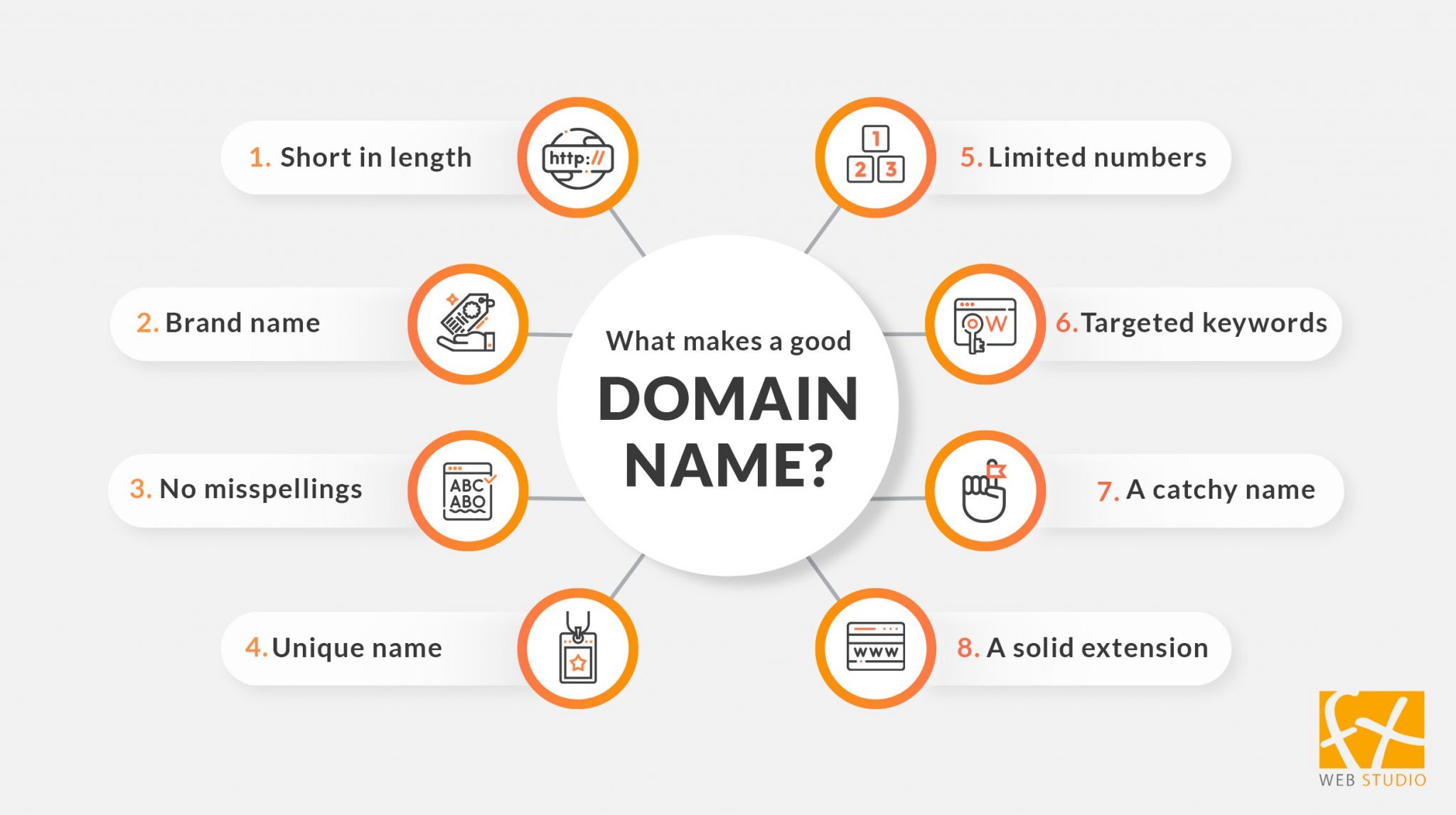
Image Gallery
Select an image to open it in a new tab.


Simon Caldwell
Enterprise Technology and Systems Editor
