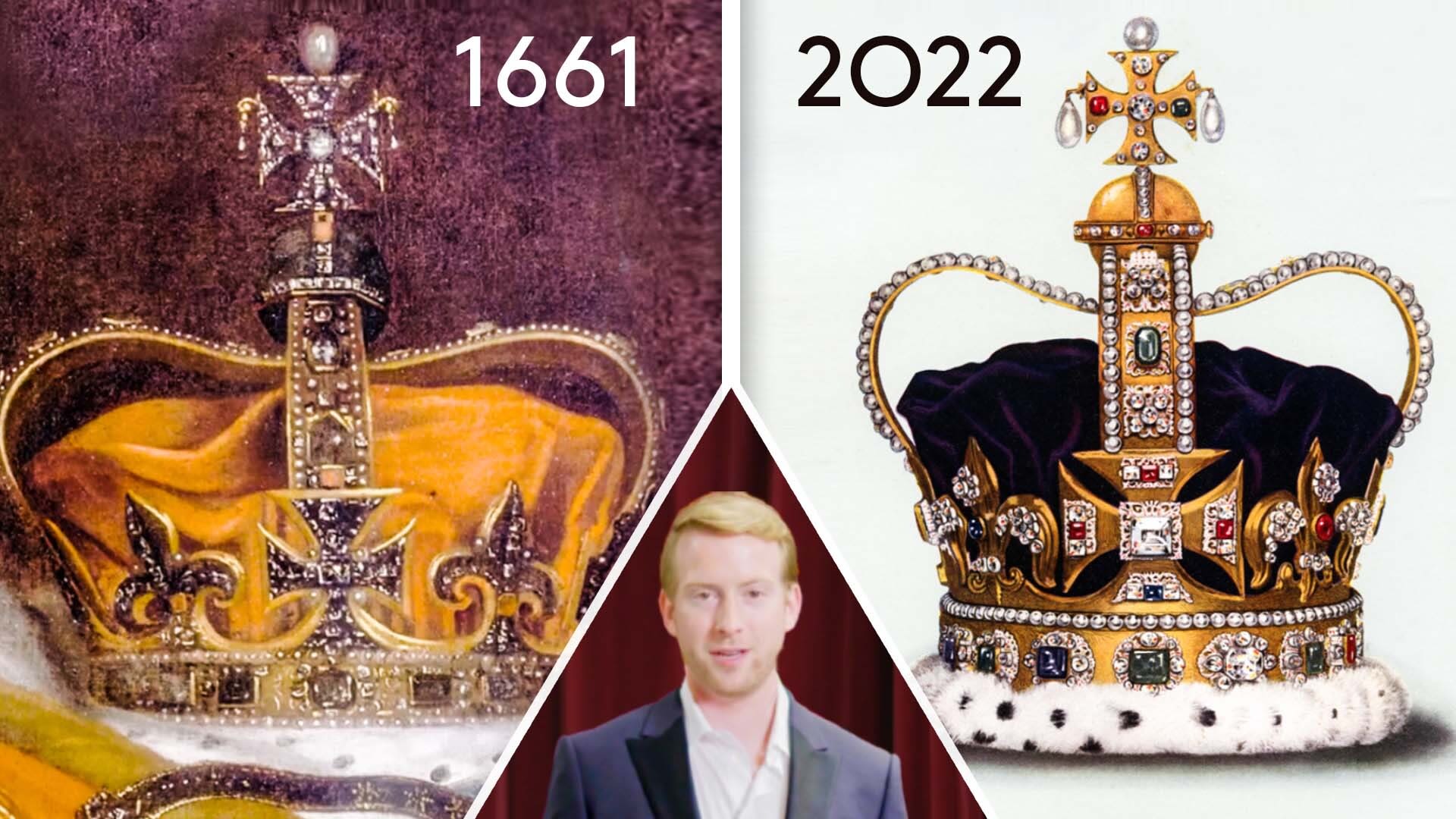
The British Crown is currently undergoing its most significant structural and symbolic transition in over seven decades. By 2026, the monarchy has moved beyond the immediate transition of the accession to focus on a "slimmed-down" operational model, financial transparency through the Sovereign Grant, and a recalibrated relationship with the Commonwealth realms.
The Transition from the Elizabethan to the Carolean Era
The shift from the reign of Queen Elizabeth II to King Charles III represented more than a change in personnel; it signaled a pivot in the very philosophy of the British monarchy. For seventy years, the Crown was synonymous with a specific brand of stoic constancy. In the era leading up to 2026, the institution has had to balance that legacy with the necessity of appearing relevant to a demographic that increasingly values transparency, social responsibility, and fiscal restraint.
King Charles III’s reign has been characterized by an acknowledgment of the "changing era" through subtle but firm adjustments to royal protocol. Unlike his predecessor, who largely avoided public stances on contemporary issues to maintain absolute neutrality, the current King has utilized his "soft power" to champion causes such as environmental sustainability and interfaith dialogue, while strictly adhering to the constitutional limits of a ceremonial head of state. This evolution reflects a broader trend: the monarchy is no longer just a historical artifact but a functional component of British diplomacy and national identity that must justify its existence through active service.
The transition has also seen a redistribution of duties. With the "working royals" cohort becoming smaller, the focus has shifted toward high-impact engagements rather than the sheer volume of appearances. This strategy aims to ensure that the Crown remains visible in areas of national importance—such as the cost-of-living crisis or healthcare initiatives—without the perceived "bloat" of previous decades.
The "Slimmed-Down" Monarchy: Operational Efficiency in 2026
The concept of a "slimmed-down" monarchy has moved from a theoretical preference to a practical necessity. As of 2026, the core of the working royal family is centered on a smaller group of individuals. This reduction is not merely a response to family dynamics but a calculated move to reduce the financial burden on the taxpayer and streamline the institution's public image.
By focusing on a smaller number of senior royals—primarily the King, the Queen, and the Prince and Princess of Wales—the institution minimizes the complexities of security, travel, and housing. This leaner structure allows for a more cohesive "brand" message. It also reduces the likelihood of the peripheral scandals that historically arose from extended family members who lacked clear roles but retained royal titles.
Furthermore, the operational side of the Crown—the Royal Household—has seen modernization in its administrative practices. From digitizing royal archives to adopting more sustainable practices at estates like Sandringham and Highgrove, the "changing era" is as much about the back-office efficiency as it is about the public face of the King. The 2026 landscape shows a monarchy that operates more like a professionalized non-profit organization, where impact is measured and resources are allocated with greater scrutiny than in the 20th century.

Financial Transparency and the Sovereign Grant
One of the most debated aspects of the British Crown in this changing era is its funding mechanism. The Sovereign Grant, which replaced the Civil List in 2012, remains the primary vehicle for funding the official duties of the monarch. However, the 2026 fiscal environment has necessitated deeper clarity on how this money is spent and how the Crown Estate contributes to the national coffers.
The Sovereign Grant is calculated as a percentage of the profits from the Crown Estate, an independent commercial property business that owns significant portions of the UK’s seabed and urban land. In recent years, a massive surge in profits from offshore wind farm leases has led to a technical adjustment in the grant percentage. The government and the Palace agreed to lower the percentage returned to the Crown to ensure that the "windfall" profits primarily benefit the public purse, specifically for funding public services.
| Financial Aspect | Historical Context (Pre-2022) | Current Status (2026) |
|---|---|---|
| Primary Funding Source | Sovereign Grant (fixed at 15-25%) | Sovereign Grant (adjusted for wind farm profits) |
| Tax Status | Voluntary income tax by Monarch | Continued voluntary tax; increased transparency |
| Crown Estate Profits | Primarily from urban/rural property | Dominated by renewable energy (offshore wind) |
| Public Disclosure | Annual financial summaries | Detailed impact reports and sustainability metrics |
| Estate Maintenance | Long-term Buckingham Palace renovation | Advanced stages of modernization and efficiency |
This financial arrangement is crucial for the Crown's survival in a changing era. By demonstrating that the monarchy "pays for itself" through the Crown Estate—which generated billions for the Treasury over the last decade—the institution mitigates republican arguments centered on the cost of the royal family. The 2026 model emphasizes that the King is a "steward" of national assets rather than a traditional owner.
The Commonwealth and the Global Role
The British Crown serves as the head of the Commonwealth, a voluntary association of 56 independent countries. However, its role as "Head of State" in the 14 "Commonwealth Realms" (excluding the UK) is increasingly under scrutiny. In this changing era, the Crown has adopted a policy of "non-interference" regarding nations choosing to become republics.
Following the example set by Barbados in 2021, several Caribbean nations, including Jamaica and the Bahamas, have accelerated their internal discussions regarding constitutional reform. The Crown's response in 2026 has been one of graceful acceptance, emphasizing that the relationship between the UK and these nations is based on shared values and history rather than a specific constitutional link to the throne.
The King’s role in the wider Commonwealth—those 40+ countries that are already republics or have their own monarchs—remains significant. In this capacity, the Crown acts as a "convenor," facilitating discussions on climate change, youth opportunity, and trade. This "soft power" is a key asset for the UK’s post-Brexit foreign policy, allowing the British government to maintain diplomatic channels that might otherwise be less accessible.
Constitutional Role vs. Soft Power
Despite the modern trappings, the core constitutional functions of the British Crown remain unchanged in 2026. The King continues to perform the "dignified" functions of the state: the State Opening of Parliament, the weekly audiences with the Prime Minister, and the signing of Royal Assent for legislation.
However, the "efficient" part of the constitution—the actual governance—remains firmly with the elected Parliament. The challenge for the Crown in a changing era is to maintain the "majesty" of these roles without appearing out of touch with a modern, democratic society. This is achieved through the exercise of soft power. While the King cannot direct policy, his ability to draw attention to specific issues—such as the "Terra Carta" for sustainable markets—provides a platform that few other global figures possess.
The 2026 constitutional landscape also requires the Crown to navigate a United Kingdom that is more devolved. The King’s relationships with the Scottish Government, the Welsh Government, and the Northern Ireland Executive are vital for national unity. By spending significant time in the various nations of the UK, the Crown serves as a "constitutional glue" that attempts to transcend the political divisions of the day.
Challenges and Criticisms in the Modern Era
No institution as old as the British Crown can navigate a changing era without facing significant challenges. In 2026, these challenges primarily center on historical accountability and demographic shifts in support.
- Historical Legacy: There is increasing pressure for the Crown to acknowledge its historical ties to the transatlantic slave trade and colonial-era injustices. While the King has expressed "personal sorrow" over the suffering caused by the past, calls for more formal apologies or reparations continue to be a point of contention in international relations.
- Youth Engagement: Polling consistently shows that younger generations (Gen Z and Alpha) are less likely to support the monarchy than their predecessors. The Crown has attempted to bridge this gap by increasing its digital presence and focusing on issues like mental health and social mobility, but the long-term viability of the institution depends on securing the consent of these future taxpayers.
- Media Scrutiny: The "changing era" is also an era of hyper-visibility. Every action, garment, and comment by a member of the royal family is dissected on social media. Managing this narrative requires a sophisticated communications strategy that balances the traditional "never complain, never explain" mantra with the need to correct misinformation.
Practical Guidance: Understanding the Crown's Role Today
For those looking to engage with or understand the British Crown in 2026, it is essential to distinguish between the individual, the institution, and the state.
- Official Communications: The most reliable source for the Crown's activities remains the official website of the Royal Family. This site provides details on the Sovereign Grant, the court circular (a daily record of official engagements), and constitutional explainers.
- Constitutional Limits: It is a mistake to view the King as a political actor. Any "influence" he has is consultative. As famously noted by Walter Bagehot, the monarch has three rights: the right to be consulted, the right to encourage, and the right to warn.
- Public Access: While the King remains the head of state, many royal assets are becoming more accessible to the public. In 2026, there is an ongoing trend of opening more parts of royal palaces, such as Balmoral and Buckingham Palace, to visitors to increase revenue and transparency.
Frequently Asked Questions
Who pays for the British Monarchy in 2026?
The monarchy is primarily funded through the Sovereign Grant, which is a portion of the profits from the Crown Estate. Additionally, the King uses private income from the Duchy of Lancaster to cover some costs, while the Prince of Wales is funded by the Duchy of Cornwall. The King pays voluntary income tax on his private income.
Can the King refuse to sign a law passed by Parliament?
Technically, Royal Assent is required for a bill to become law. However, in the modern era, this is a constitutional formality. A monarch has not refused Royal Assent since 1708. Doing so in 2026 would likely trigger a constitutional crisis and lead to the abolition of the monarchy.
What happens if a Commonwealth country becomes a republic?
The country remains a member of the Commonwealth of Nations but no longer recognizes the British King as its Head of State. This process is entirely up to the individual nation (often via a referendum or parliamentary vote), and the Crown has stated it will maintain friendly relations regardless of the decision.
How has the King's environmental stance changed the monarchy?
The monarchy has become a leader in institutional sustainability. This includes using Sustainable Aviation Fuel (SAF) for royal flights, installing heat pumps in historic palaces, and transitioning the royal car fleet to electric vehicles. The King’s "Sustainable Markets Initiative" also encourages global corporations to adopt greener practices.
Why is the monarchy "slimming down"?
The goal is to create a more efficient, less expensive, and more focused institution. By having fewer "working royals," the Crown reduces its public "footprint" and avoids the controversies often associated with minor royals who do not have full-time official roles.
Recommended Actions
To stay informed about the evolving role of the British Crown, readers should follow the annual release of the Sovereign Grant Report, typically published in June or July. This document provides a transparent breakdown of the monarchy's finances and its impact on the UK economy. Furthermore, monitoring the outcomes of the Commonwealth Heads of Government Meetings (CHOGM) provides the best insight into how the Crown is navigating its global relationships in this changing era.
For those interested in the constitutional mechanics, the UK Parliament's website offers resources on how the "Crown in Parliament" operates and the specific legal boundaries of the King's authority.
Image Gallery
Select an image to open it in a new tab.


Vivian Cho
Executive IT and Emerging Technologies Reporter
