
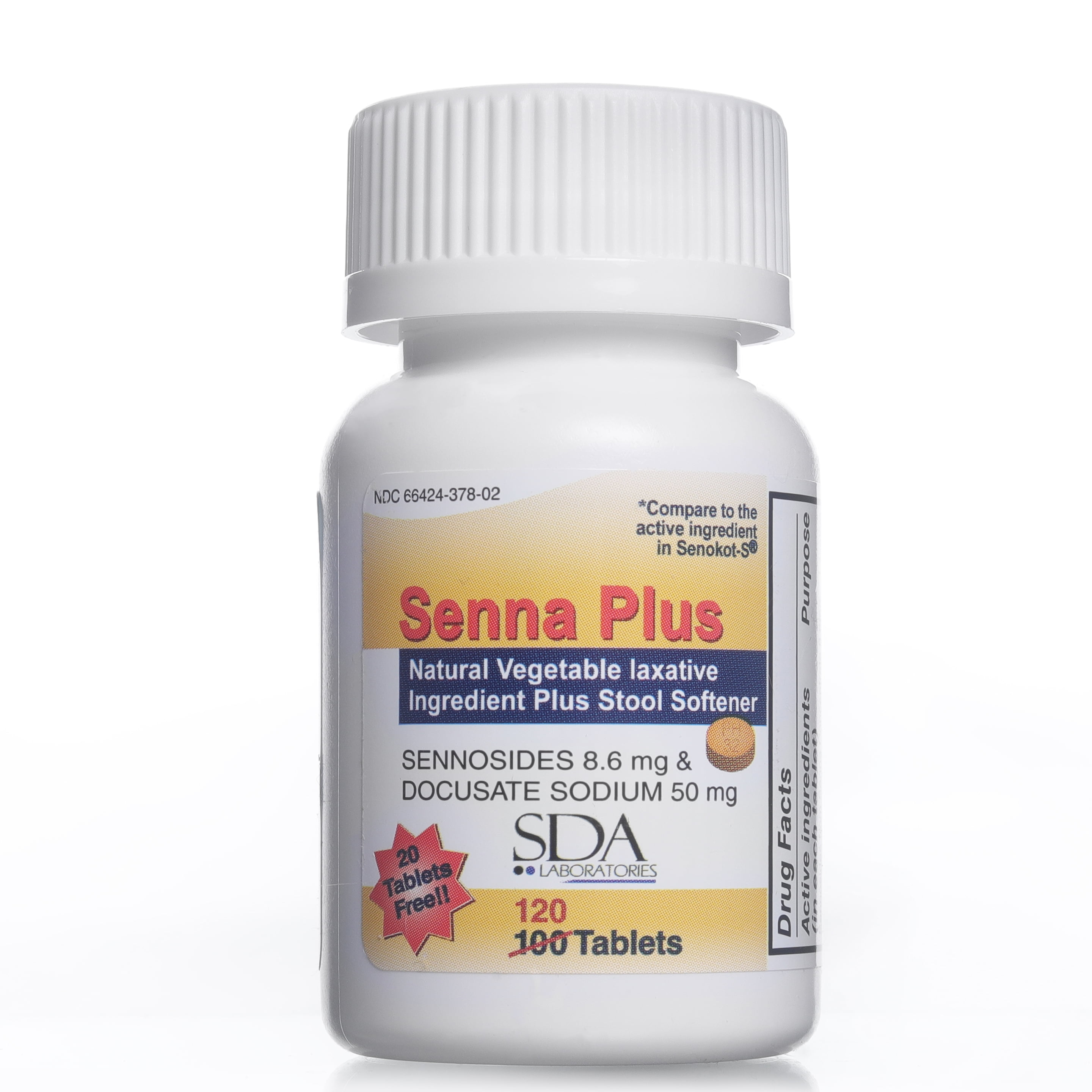
Senna S is a combination medication commonly used for the short-term relief of constipation, typically containing both a stimulant laxative (senna) and a stool softener (docusate sodium). While effective for many, users may experience side effects ranging from mild gastrointestinal discomfort to more complex electrolyte imbalances. Understanding these risks, appropriate usage guidelines, and potential contraindications is essential for anyone considering this medication for digestive health.
The Composition of Senna S: How It Works
To understand the side effects, one must first understand the mechanism of action. Senna is a plant-derived anthraquinone laxative. Once ingested, it is metabolized by bacteria in the large intestine into rheinanthrone, which irritates the lining of the colon. This irritation increases peristalsis—the involuntary muscle contractions that push stool through the digestive tract.
Docusate sodium, the "S" component in many formulations, acts as a surfactant. It lowers the surface tension of the stool, allowing water and lipids to penetrate the fecal mass. This process makes the stool softer and easier to pass. When combined, these two ingredients provide a dual-action approach: Docusate eases the effort of evacuation, while Senna drives the physical process of excretion. Because this mechanism directly manipulates the natural rhythm of the bowel, it is prone to producing predictable side effects when used improperly or for extended periods.
Common Gastrointestinal Side Effects
The most frequently reported side effects are localized to the digestive system. Because the primary goal of the medication is to increase intestinal activity, it is common to experience "overshoot" effects.
Abdominal Cramping and Discomfort
Cramping occurs because the stimulant component forces the muscles of the colon to contract more aggressively than they would naturally. For many, this feels like sharp or dull pain in the lower abdomen, occurring shortly after the medication begins to take effect. If these cramps become severe, it is often a sign that the dosage is too high for the individual's sensitivity.
Flatulence and Bloating
As the medication alters the transit time of waste in the colon, it can change the environment for gut bacteria. Increased movement can lead to the production of excess gas. Users often report increased flatulence or a sensation of bloating, which can be uncomfortable until the bowel movement is completed.
Diarrhea and Dehydration
In cases where the dose is excessive, the colon may empty too rapidly. This results in loose, watery stools or frank diarrhea. Persistent diarrhea is not merely an inconvenience; it represents a significant medical risk, as the body loses vital fluids and electrolytes—specifically potassium and sodium—at an accelerated rate.
Electrolyte Imbalances and Long-Term Risks
While Senna S is intended for short-term use, chronic reliance introduces systemic risks. The bowel is a highly regulated organ; when its natural processes are artificially stimulated for weeks or months, several physiological adjustments occur that can lead to adverse health outcomes.
Hypokalemia (Low Potassium)
One of the most concerning potential side effects of chronic senna use is the depletion of potassium. Because senna induces frequent bowel movements, the colon does not have sufficient time to reabsorb water and electrolytes before excretion. Chronic low potassium (hypokalemia) can cause muscle weakness, fatigue, and, in severe cases, dangerous cardiac arrhythmias.
Laxative Dependency
Commonly referred to as "lazy bowel syndrome," laxative dependency occurs when the nerves of the colon become desensitized to the presence of stool. Relying on stimulants to trigger a movement can lead to the colon "forgetting" how to function independently. Over time, the user may find they cannot have a bowel movement without the medication, creating a cycle that is difficult to reverse.
Melanosis Coli
A clinical observation noted in long-term users of anthraquinone laxatives is a condition called melanosis coli. This is a harmless brown or black pigmentation of the colon lining. While the condition itself is benign and usually resolves after stopping the medication, it is a visual indicator of chronic exposure to the stimulant properties of senna.
Comparing Senna S to Other Approaches
| Feature | Senna S (Stimulant + Stool Softener) | Osmotic Laxatives (e.g., Miralax) | Fiber Supplements |
|---|---|---|---|
| Speed of Action | Fast (6–12 hours) | Moderate (1–3 days) | Slow (Days to weeks) |
| Primary Mechanism | Muscle stimulation/softening | Water retention in bowel | Bulk-forming |
| Dependency Risk | High (if used chronically) | Low | None |
| Best For | Short-term/Acute relief | Chronic constipation | Long-term maintenance |
Contraindications and Safety Warnings
Not everyone should use Senna S. Certain medical conditions make the use of this stimulant medication dangerous.
- Bowel Obstruction: If you suspect you have a blockage in your digestive tract (symptoms include severe abdominal pain, vomiting, and inability to pass gas), do not take Senna S. Stimulating the bowel against a physical obstruction can lead to bowel perforation, which is a life-threatening medical emergency.
- Inflammatory Bowel Disease (IBD): Individuals with conditions like Crohn’s disease or ulcerative colitis should avoid stimulant laxatives, as they can trigger severe flares and potentially cause damage to the already inflamed intestinal lining.
- Pregnancy and Breastfeeding: While some physicians may authorize short-term use, clinical guidance regarding the safety of senna during pregnancy is mixed. Consult an obstetrician before use, as the stimulant effect could potentially affect uterine tone.
- Renal or Hepatic Impairment: Patients with compromised kidney or liver function must exercise caution. The metabolism and excretion of medication components depend on these organs, and impairment can lead to toxic accumulation.
Management and Troubleshooting
If you decide to use Senna S for occasional constipation, implementing best practices can minimize the risk of side effects.
- Hydration is Mandatory: Since Senna S encourages the transit of stool, your body requires more water than usual to maintain electrolyte balance. Aim for at least 8–10 glasses of water daily while using this product.
- Timing: Take the medication in the evening. Because the effects usually occur 6 to 12 hours later, you are more likely to have a normal bowel movement upon waking in the morning, rather than dealing with the urgency during the day.
- Dose Titration: Always start with the lowest recommended dose. Do not increase the dose if you do not see immediate results. If the medication has not worked after two days of consistent use, consult a healthcare provider rather than increasing the frequency.
- Monitor Your Symptoms: Keep a brief log. If you notice signs of severe abdominal pain, rectal bleeding, or sudden dizziness, discontinue use and seek medical advice.
Frequently Asked Questions
Is Senna S considered safe for daily use in 2026?
No. Current medical guidelines remain consistent: Senna-based products are designed for occasional, short-term use. Using them daily for more than 7 consecutive days without medical supervision increases the risk of electrolyte imbalances and damage to the nerve endings of the colon.
What should I do if I have already been taking it for months?
If you have developed a reliance on stimulants to have a bowel movement, do not stop cold turkey if you have concerns about chronic impaction. Consult a doctor to develop a "tapering" plan, which may involve gradually replacing the stimulant with bulk-forming fiber supplements or osmotic laxatives while your bowel recovers its natural function.
Does Senna S interact with other medications?
Yes. Senna S can interact with diuretics (water pills), corticosteroids, and certain heart medications (like digoxin) due to its potential to lower potassium levels. If you are on prescription medication, speak with a pharmacist before adding Senna S to your routine.
Why does the urine change color while taking Senna?
Senna contains compounds that may turn urine a yellowish-brown or pinkish-red color. This is harmless and temporary. It is a metabolic byproduct of the senna plant and is not a sign of kidney damage or internal bleeding.
Can I use Senna S for weight loss?
No. Using Senna S for weight loss is dangerous and ineffective. It causes the loss of water and electrolytes, not body fat. The resulting weight decrease is temporary and leads to dehydration, which can cause fainting, weakness, and long-term metabolic disruption.
Final Recommendation
Senna S is a potent tool for acute constipation, but its efficacy should not be mistaken for a long-term wellness solution. The best approach is to address the root cause of constipation—typically through increased fiber intake, consistent physical activity, and adequate fluid consumption. If you must use Senna S, do so sparingly and for no longer than one week. If your constipation is persistent or recurring, treat the side effects as a warning sign and consult a gastroenterologist to rule out underlying structural or functional issues with your digestive tract.
Image Gallery
Select an image to open it in a new tab.




Ingrid Bjornson
Global Cyber Policy and Regulation Analyst
