
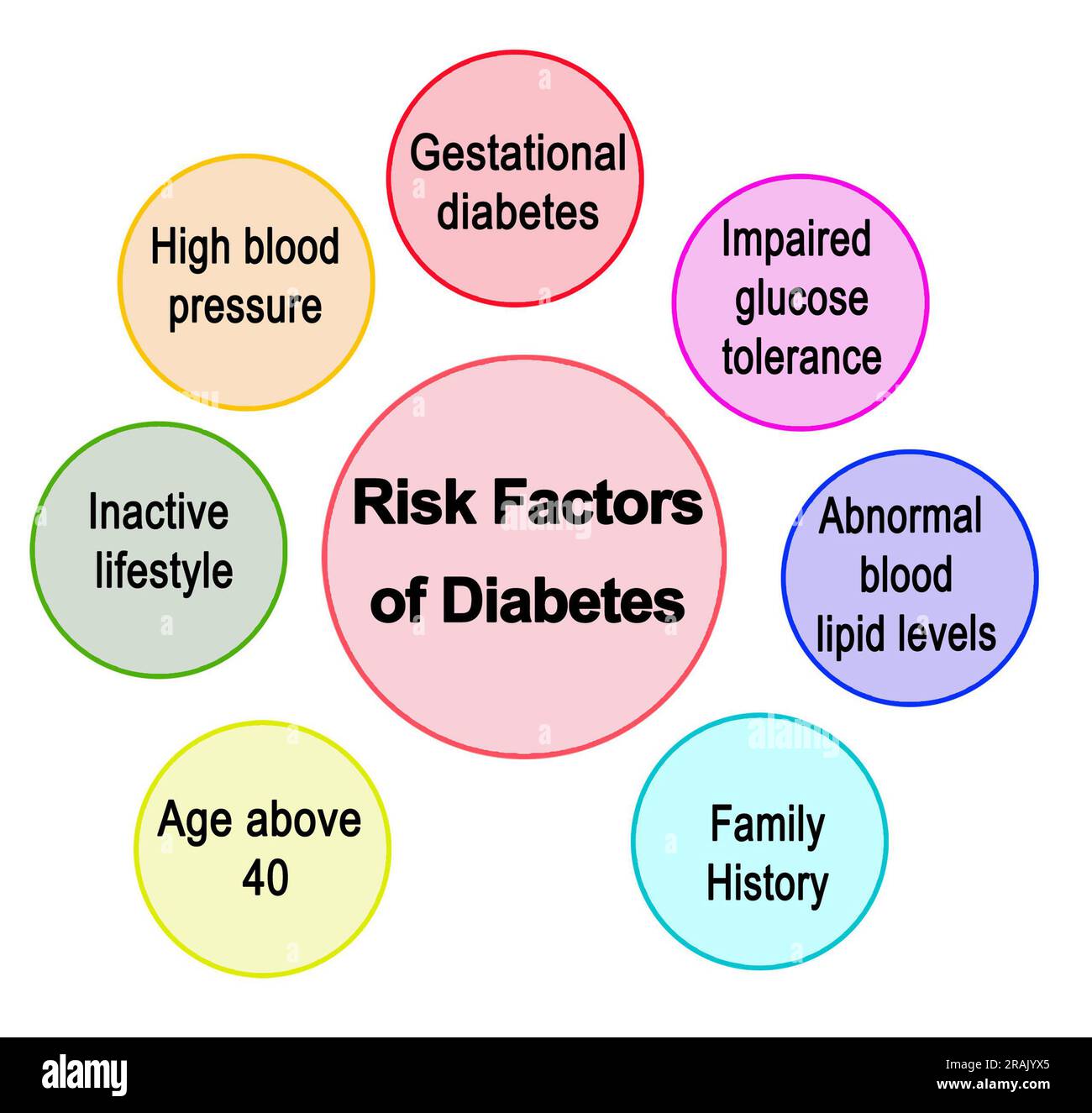
Type 2 diabetes risk is determined by a complex interplay of genetic predispositions, environmental influences, and lifestyle behaviors. The primary risk factors include being overweight or obese, physical inactivity, a family history of the disease, and being over the age of 45. While genetic and demographic factors are non-modifiable, lifestyle-related risks can often be managed or reversed through targeted interventions and medical guidance.
Type 2 diabetes (T2D) is a chronic metabolic condition characterized by insulin resistance and relative insulin deficiency. As of 2026, the global prevalence continues to rise, driven largely by shifting dietary patterns and sedentary lifestyles. Understanding the nuances of risk factors is the first step toward effective prevention and early intervention. Unlike Type 1 diabetes, which is an autoimmune condition, Type 2 is largely preventable, yet its onset is often insidious, developing over many years through a stage known as prediabetes.
Modifiable Risk Factors: Factors Within Your Control
Modifiable risk factors are those that individuals can influence through behavioral changes, medical treatment, or environmental adjustments. Addressing these factors is the cornerstone of diabetes prevention programs worldwide.
Overweight and Obesity
Excess body weight is the single most significant predictor of Type 2 diabetes. However, the risk is not just about the number on the scale; it is heavily influenced by the distribution of body fat. Central adiposity, or "belly fat," is particularly hazardous. This visceral fat surrounds internal organs and is metabolically active, secreting pro-inflammatory cytokines that interfere with insulin signaling.
When a person has excess adipose tissue, the cells become less responsive to insulin. To compensate, the pancreas produces more insulin to keep blood glucose levels within a normal range. Over time, the pancreatic beta cells become exhausted, leading to elevated blood sugar levels. Even a modest weight loss of 5% to 7% of total body weight has been shown to significantly reduce the risk of progressing from prediabetes to Type 2 diabetes.
Physical Inactivity
A sedentary lifestyle contributes to diabetes risk independently of body weight. Physical activity helps the body use insulin more efficiently and allows muscles to use glucose for energy without requiring as much insulin. This process involves the translocation of GLUT4 glucose transporters to the cell surface during exercise, which directly lowers blood sugar levels.
As of 2026, the shift toward remote work and digital entertainment has increased the prevalence of "sitting disease." Breaking up long periods of sitting with just a few minutes of walking or light activity every hour can improve glycemic control. The standard recommendation remains at least 150 minutes of moderate-intensity aerobic activity per week, coupled with resistance training, which increases muscle mass—a primary site for glucose disposal.
Dietary Patterns and Nutrition
Dietary choices play a dual role in diabetes risk by influencing both body weight and systemic inflammation. Diets high in ultra-processed foods, sugar-sweetened beverages, and refined carbohydrates cause rapid spikes in blood glucose and insulin. Chronic consumption of these foods contributes to insulin resistance.
Conversely, diets rich in fiber, whole grains, lean proteins, and healthy fats (such as those found in the Mediterranean diet) are protective. Fiber, in particular, slows the absorption of sugar and improves the gut microbiome, which recent research in 2026 continues to link to improved metabolic health. High intake of red and processed meats has also been consistently associated with an increased risk of T2D.
Sleep Quality and Duration
Chronic sleep deprivation and poor-quality sleep, such as that caused by obstructive sleep apnea (OSA), are now recognized as major metabolic disruptors. Sleep debt increases cortisol levels and sympathetic nervous system activity, both of which raise blood sugar and promote insulin resistance. Furthermore, lack of sleep disrupts the hunger hormones ghrelin and leptin, often leading to overeating and weight gain.
Non-Modifiable Risk Factors: Fixed Biological Traits
While lifestyle changes are powerful, certain biological and demographic factors set a baseline for an individual’s risk profile. Understanding these helps in determining when more aggressive screening is necessary.
Genetics and Family History
If a first-degree relative (parent or sibling) has Type 2 diabetes, your risk increases significantly. This is partly due to shared genetic variants—over 400 genetic loci have been associated with T2D risk—and partly due to shared environmental habits. However, genetics is not destiny. High-risk individuals who maintain a healthy lifestyle can often delay or prevent the onset of the disease despite their genetic blueprint.
Age and the Aging Process
The risk of Type 2 diabetes increases significantly as people age, particularly after age 45. This is attributed to several factors: a natural decline in muscle mass (sarcopenia), an increase in body fat percentage, and the gradual decline of pancreatic beta-cell function. However, as of 2026, we are seeing a concerning trend of "early-onset" Type 2 diabetes in children and young adults, largely attributed to the pediatric obesity epidemic.
Ethnicity and Racial Background
Statistical data from organizations like the American Diabetes Association and the Centers for Disease Control and Prevention (CDC) show that certain ethnic groups are at a higher risk. These include:
- African Americans
- Hispanic/Latino Americans
- Native Americans and Alaska Natives
- Asian Americans
- Pacific Islanders
The reasons for these disparities are a combination of genetic factors, higher rates of obesity in certain communities, and systemic social determinants of health, such as limited access to healthcare and fresh food.
Medical Conditions and Hormonal Factors
Certain pre-existing medical conditions can act as a catalyst for the development of Type 2 diabetes.
Prediabetes
Prediabetes is a condition where blood sugar levels are higher than normal but not yet high enough to be classified as Type 2 diabetes. It is a critical "warning zone." Without intervention, many people with prediabetes will develop Type 2 diabetes within five years. In 2026, screening for prediabetes via the A1C test or fasting plasma glucose test is considered a standard part of annual wellness exams for adults.
Gestational Diabetes
Women who develop gestational diabetes (GDM) during pregnancy have a significantly higher risk of developing Type 2 diabetes later in life. Additionally, their children may be at an increased risk of obesity and Type 2 diabetes. Post-pregnancy screening is essential to monitor blood sugar levels and implement preventive measures early.
Polycystic Ovary Syndrome (PCOS)
PCOS is a hormonal disorder common among women of reproductive age. It is closely linked to insulin resistance, regardless of body weight. Women with PCOS often have higher levels of insulin in their blood, which can lead to weight gain and eventually Type 2 diabetes if not managed with diet, exercise, and sometimes medication like metformin.
High Blood Pressure and Abnormal Cholesterol
Hypertension (high blood pressure) and dyslipidemia (abnormal cholesterol levels) are often seen together with Type 2 diabetes in what is known as Metabolic Syndrome. Specifically, low levels of HDL ("good") cholesterol and high levels of triglycerides are associated with an increased risk of insulin resistance.
| Risk Factor Category | Specific Factor | Impact Level | Modifiability |
|---|---|---|---|
| Lifestyle | BMI > 25 (Overweight) | High | Modifiable |
| Lifestyle | Physical Inactivity | High | Modifiable |
| Demographic | Age (45+) | Moderate | Non-Modifiable |
| Genetic | Family History | High | Non-Modifiable |
| Medical | Prediabetes | Very High | Modifiable |
| Medical | History of GDM | High | Non-Modifiable |
| Clinical | Hypertension | Moderate | Modifiable |
Social Determinants of Health
Individual choices are often constrained by the environment. Social determinants of health (SDOH) refer to the conditions in which people are born, grow, live, work, and age. These factors significantly influence the "risk landscape" for Type 2 diabetes.
Socioeconomic Status and Food Access
Individuals living in "food deserts"—areas with limited access to affordable, nutritious food—are often forced to rely on calorie-dense, nutrient-poor convenience foods. This economic barrier makes maintaining a healthy weight much more difficult. Furthermore, the high cost of fresh produce versus the low cost of processed grains and sugars creates a financial incentive for a high-risk diet.
Neighborhood and Built Environment
The "walkability" of a neighborhood affects physical activity levels. Lack of safe parks, sidewalks, or affordable gym facilities can preclude exercise. Additionally, high levels of environmental stress and noise pollution can disrupt sleep and elevate cortisol, indirectly contributing to metabolic risk.
Healthcare Literacy and Access
Early detection is the key to preventing the progression of diabetes. Lack of health insurance or access to primary care physicians means that many individuals remain undiagnosed during the prediabetes stage. By 2026, digital health tools and community screening programs have expanded, yet the gap in access for marginalized populations remains a primary driver of diabetes prevalence.
Frequently Asked Questions
Can you develop Type 2 diabetes if you are thin?
Yes. While obesity is the primary risk factor, a condition sometimes called "TOFI" (Thin Outside, Fat Inside) exists. This occurs when an individual has a normal Body Mass Index (BMI) but carries a high amount of internal visceral fat. Genetics also play a role; some individuals have a lower "personal fat threshold," meaning their bodies struggle to manage even small amounts of excess fat, leading to insulin resistance at a lower weight.
Is sugar consumption the only cause of diabetes?
No. While high sugar intake, especially from sugar-sweetened beverages, contributes to weight gain and insulin resistance, diabetes is caused by an overall imbalance in energy and metabolic function. Total caloric intake, lack of fiber, high saturated fats, and physical inactivity all contribute. Sugar is a major player, but not the sole culprit.
How often should I be screened if I have multiple risk factors?
Current 2026 guidelines suggest that adults with a BMI over 25 (or over 23 for Asian Americans) who have one or more additional risk factors should be screened annually. For those without risk factors, screening typically begins at age 35 or 45, depending on local health authority recommendations.
Can Type 2 diabetes risk be completely eliminated?
While you cannot change your genetics or age, the risk can be reduced by as much as 58% through intensive lifestyle changes, according to long-term studies like the Diabetes Prevention Program (DPP). Even if the disease is eventually diagnosed, early management can prevent the most severe complications, such as heart disease, kidney failure, and vision loss.
Does stress contribute to diabetes?
Yes, chronic stress triggers the "fight or flight" response, releasing hormones like cortisol and adrenaline. These hormones signal the liver to release stored glucose into the bloodstream for energy. If stress is chronic, blood sugar remains elevated, and the body’s cells can become less sensitive to insulin over time.
Next Steps for Risk Reduction
If you identify with several of the risk factors mentioned above, the most proactive step is to schedule a blood glucose screening with a healthcare provider. A simple Hemoglobin A1C test provides a three-month average of your blood sugar levels and can identify prediabetes before it becomes Type 2 diabetes.
Focus on incremental changes rather than an immediate lifestyle overhaul. Start by replacing sugary drinks with water, aim for a 10-minute walk after dinner, and prioritize seven to eight hours of sleep. In 2026, many insurance plans and community centers offer access to the National Diabetes Prevention Program (National DPP), which provides a structured framework for making these lasting changes. Understanding your risk is not a cause for alarm, but an opportunity for prevention.
Image Gallery
Select an image to open it in a new tab.

Lars Thomsen
Global Labor Markets and Economic Strategy Editor
