Rhesus Monkey Escape Highlights Security Gaps: Analysis and Prevention Protocols
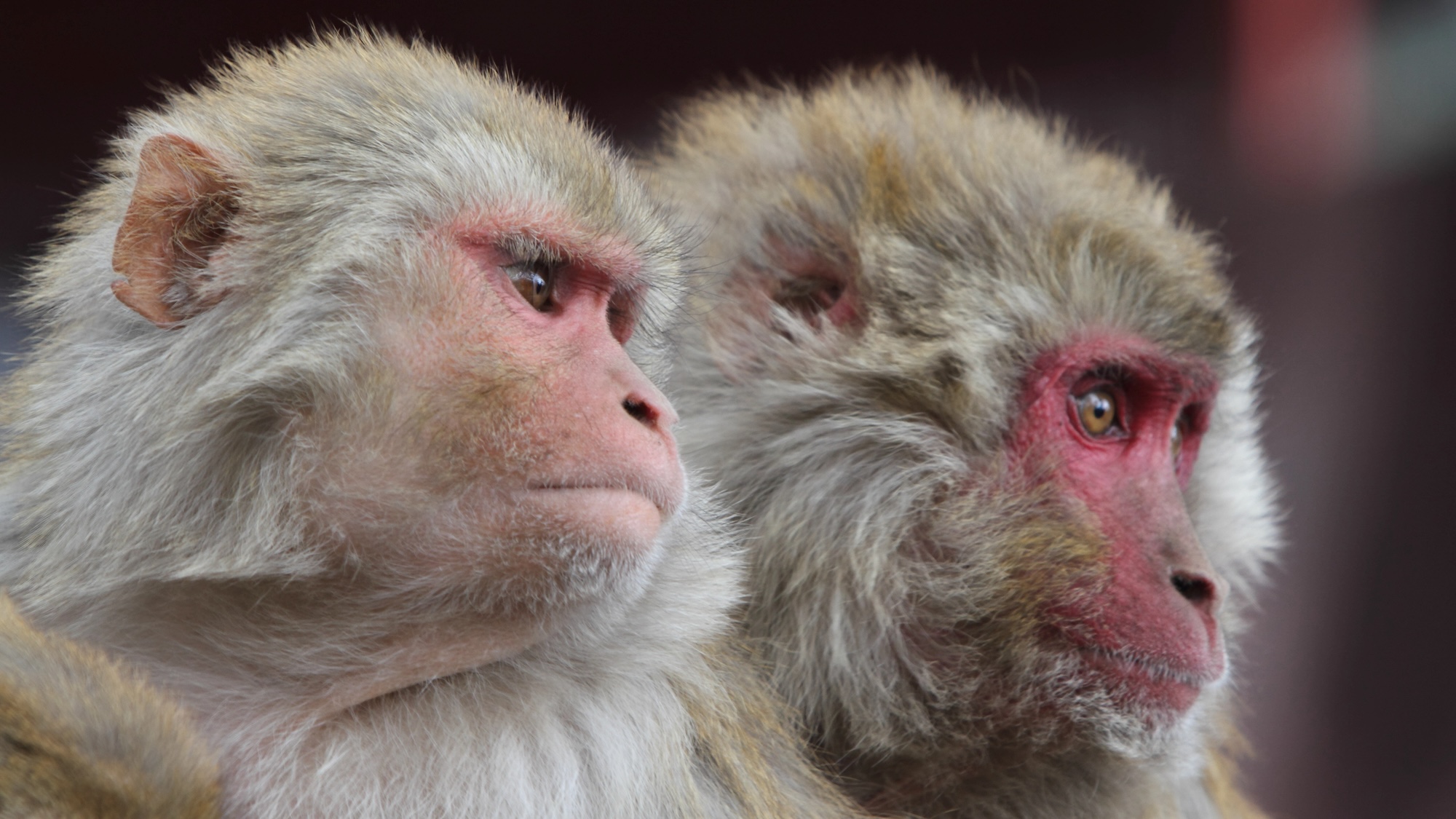
The 2024 escape of 43 rhesus macaques from the Alpha Genesis research facility in South Carolina remains a definitive case study in the vulnerability of primate research infrastructure. This breach demonstrated that even with federal oversight, human error and inadequate secondary containment can lead to significant public safety risks and operational failures within high-security bio-research environments.
The incident at Alpha Genesis, occurring in late 2024, saw nearly four dozen young female rhesus monkeys (Macaca mulatta) exit their enclosure after a caretaker failed to secure a door during routine feeding and cleaning. While the majority of the primates were eventually recovered, the weeks-long effort to recapture them highlighted systemic weaknesses in how non-human primate (NHP) facilities manage physical security, staff training, and community communication. As of 2026, the industry continues to grapple with the fallout of this event, using it as a catalyst for more stringent security mandates and technological upgrades.
The Mechanics of the Alpha Genesis Breach
To understand why a single unlatched door could result in a multi-week emergency response, one must examine the specific conditions of the Alpha Genesis facility. Rhesus macaques are highly intelligent, social, and agile animals. They possess problem-solving capabilities that allow them to exploit even the briefest lapse in security protocols.
In the Yemassee incident, the breach occurred at a "social group" enclosure. These are large outdoor/indoor habitats designed to allow primates to exhibit natural behaviors. The failure was not a mechanical collapse of a fence or a high-tech hack; it was a fundamental breakdown in basic procedural security. A staff member failed to engage the locking mechanism on a primary enclosure door. Because the facility’s secondary containment—the perimeter fencing and vestibule systems—was either insufficient or also compromised during the exit, the monkeys were able to transition from their habitat directly into the surrounding forest.
This event exposed a critical flaw in the "defense in depth" strategy typically required for laboratory animal housing. In a high-security environment, no single failure should lead to a total breach. The fact that dozens of animals exited the property indicates that the redundant layers of protection were either non-existent or failed simultaneously.
Infrastructure Vulnerabilities in Primate Facilities
Primate research facilities face unique architectural challenges. Unlike standard laboratories, NHP housing must balance the physiological and psychological needs of the animals with the absolute necessity of containment. The 2024 escape highlighted three specific infrastructure gaps that many facilities are now rushing to close in 2026.
Primary vs. Secondary Containment
Primary containment refers to the immediate cage or enclosure where the animal lives. Secondary containment is the building or perimeter fence that acts as a backup. In many older facilities, secondary containment is designed to catch a single "stray" animal, not a mass exit. When 43 monkeys move as a troop, they can overwhelm standard perimeter gates and find gaps in fencing that a single animal might ignore.
The Vestibule Problem
Standard safety protocols require "man-trap" or double-door vestibule entries. These systems ensure that one door must be fully closed and locked before the second door can be opened. The Alpha Genesis escape suggested a failure in vestibule discipline. If both doors are propped open for convenience during cleaning or feeding, the security of the entire wing is negated.
Environmental Stress and Hardware Fatigue
Primate facilities are harsh environments. Constant cleaning with high-pressure hoses and corrosive disinfectants can degrade locking mechanisms over time. If a latch becomes sticky or misaligned, a staff member might believe a door is closed when it is merely resting against the frame. Modern 2026 standards now advocate for magnetic sensors and remote monitoring to provide a digital "handshake" that confirms every door in a facility is physically locked.
The Human Factor: Training and Oversight
The USDA’s Animal and Plant Health Inspection Service (APHIS) has long maintained that human error is the leading cause of laboratory animal escapes. The 2024 event was not the first time Alpha Genesis faced scrutiny; the facility had been cited previously for similar lapses, including an incident in 2014 where 26 monkeys escaped.
Training Fatigue
In large-scale research facilities, tasks like feeding and cleaning are repetitive. This repetition can lead to "normalization of deviance," a psychological phenomenon where staff begin to skip safety steps because they have never experienced a negative consequence. When a caretaker has closed a door 10,000 times without an issue, they may become less vigilant on the 10,001st time.
Staffing and Retention
The NHP research industry has faced significant staffing shortages. High turnover rates lead to a constant influx of "entry-level" technicians who may lack the deep behavioral understanding of rhesus macaques. An experienced handler knows that rhesus monkeys are opportunists who watch for the exact moment a latch is left unattended; a newer employee might underestimate the speed and coordination of the animals.
Regulatory Repercussions and the Animal Welfare Act
Under the Animal Welfare Act (AWA), research facilities are required to provide "housing that is structurally sound and in good repair to protect the animals from injury and to contain them."
Following the 2024 escape, the USDA launched a significant investigation into Alpha Genesis’s compliance history. The legal and financial repercussions for such failures can include:
- Civil Penalties: Fines that can reach tens of thousands of dollars per violation, per day.
- License Suspension: The temporary or permanent loss of the ability to operate as a research or breeding facility.
- Increased Oversight: Mandatory monthly inspections rather than the standard annual or semi-annual checks.
The 2024 event also sparked renewed legislative interest in the "Primate Protection Act," a series of proposed federal guidelines aimed at mandating automated secondary containment systems in all facilities housing more than 50 NHPs.
Public Health and Zoonotic Risks
The primary concern during any rhesus monkey escape is the potential for zoonotic disease transmission—diseases that jump from animals to humans. Rhesus macaques in research settings are often screened for pathogens, but they can naturally carry Herpes B virus (Macacine alphaherpesvirus 1).
While Herpes B is typically mild in monkeys, it can be fatal to humans if not treated immediately. It is transmitted through bites, scratches, or contact with the animal’s saliva or mucous membranes. During the Yemassee escape, local police and Alpha Genesis officials urged the public to keep windows and doors locked and to avoid any contact with the animals.
In the context of 2026 security protocols, the public health risk is the primary driver for "zero-escape" policies. The cost of a single human infection is not just a medical catastrophe; it is a liability that can bankrupt a research organization and lead to the permanent closure of critical scientific programs.
Technical Comparison of Security Measures
The following table outlines the differences between traditional security measures and the enhanced protocols being adopted in 2026 to prevent mass escapes.
| Security Layer | Traditional Protocol (Pre-2024) | 2026 Enhanced Standard | Primary Benefit |
|---|---|---|---|
| Primary Door | Manual slide bolts or padlocks. | Biometric or RFID-activated electronic locks. | Eliminates key loss and manual locking errors. |
| Secondary Containment | Single-layer chain-link perimeter fencing. | Double-walled fencing with buried aprons and anti-climb topping. | Prevents escapees from leaving the property. |
| Monitoring | Periodic visual checks by staff. | 24/7 AI-integrated video analytics. | Detects "door-ajar" status and unusual animal clustering. |
| Vestibules | Manual "one-at-a-time" door policy. | Interlocking airlocks (Door A must lock for Door B to unlock). | Physically prevents both doors from being open. |
| Animal Tracking | Ear tags or tattoos (Visual only). | Subcutaneous GPS or ultra-wideband (UWB) microchips. | Real-time location tracking of every animal. |
Emergency Response and Recovery Strategies
When an escape occurs, the first 24 hours are critical. The Alpha Genesis incident proved that standard "trapping" methods—using food like apples or bananas as bait—can be slow if the animals have access to natural food sources in the wild.
The "Stay Close" Phenomenon
Young rhesus monkeys, like those in the 2024 escape, are often hesitant to leave the vicinity of their troop and the familiar sounds of the facility. Alpha Genesis successfully used "decoy" animals—monkeys still in their enclosures vocalizing to their escaped peers—to keep the escapees localized near the facility perimeter.
Thermal Imaging and Drones
A major advancement seen in recent years is the use of drone-mounted thermal imaging. Because rhesus monkeys are active during the day and rest in high canopies at night, thermal drones can pinpoint their locations in dense foliage where human searchers would be blind. This technology was instrumental in tracking the 2024 escapees through the South Carolina marshes.
Public Communication
A major security "gap" identified in past escapes is the delay in public notification. In 2024, the lag between the escape and the first public warning created a window of risk for local residents. Current 2026 best practices dictate that local law enforcement and the public must be notified within two hours of a confirmed breach involving more than three NHPs.
Biological and Behavioral Drivers of Escapes
To effectively secure rhesus monkeys, one must understand their biology. Rhesus macaques are among the most successful primates on Earth because of their adaptability.
- Manual Dexterity: Rhesus monkeys have highly developed fine motor skills. They can manipulate latches, turn handles, and even unthread bolts if given enough time and repeated exposure to the hardware.
- Social Learning: If one monkey observes a human opening a door, other monkeys in the troop will attempt to mimic those movements. This means a single security lapse is also a "training session" for the animals.
- High Agility: A rhesus monkey can jump over five feet vertically and move through complex structures with incredible speed. Perimeter fences that are adequate for cattle or dogs are trivial obstacles for a macaque.
Addressing the Economic Impact
The financial cost of the Alpha Genesis escape was staggering. Beyond the direct costs of the recovery effort—which involved hundreds of man-hours, drone rentals, and veterinary standby—there are the indirect costs:
- Research Interruption: Many of the animals involved in escapes are part of long-term longitudinal studies. If their health or environmental exposure is compromised while in the wild, they may no longer be viable subjects for specific clinical trials.
- Insurance Premiums: Facilities that experience escapes see immediate and drastic increases in liability insurance premiums.
- Legal Fees: Defending against USDA citations and potential private lawsuits from the community requires significant capital.
Frequently Asked Questions
Why are rhesus monkeys used in research if they are so hard to contain?
Rhesus macaques share approximately 93% of their DNA with humans, making them indispensable for research into vaccines, infectious diseases (like COVID-19 and HIV), and neurological disorders. Their biological similarity allows scientists to predict human responses to treatments with high accuracy. The difficulty in containment is a managed risk that requires specialized engineering.
Is the USDA responsible for lab escapes?
The USDA is the regulatory and enforcement body, but it is not responsible for the daily operations of a private facility. Its role is to set standards under the Animal Welfare Act, conduct inspections, and issue penalties when those standards are not met. The ultimate responsibility for containment lies with the facility’s management and its Institutional Animal Care and Use Committee (IACUC).
Can an escaped rhesus monkey survive in the wild in the United States?
Yes. Rhesus macaques are highly resilient and have established feral populations in Florida and South Carolina (specifically Morgan Island). They can survive in various climates, though they prefer forested areas with access to water and fruit-bearing plants.
What should I do if I see an escaped research primate?
Do not approach, feed, or attempt to capture the animal. Rhesus monkeys are incredibly strong for their size and can become aggressive if they feel cornered. Maintain a safe distance and immediately contact local law enforcement or the research facility's emergency hotline.
Recommendations for Enhanced Facility Security
To mitigate the risks highlighted by the Alpha Genesis event, facilities must move beyond simple compliance and toward a culture of redundant safety.
- Implement "Smart" Vestibules: Move away from manual doors. Use electronically interlocked doors that require a successful "latch-and-lock" signal from the first door before the second can be opened.
- Conduct "Red Team" Testing: Facilities should hire third-party security experts to attempt to find gaps in their containment, much like a cybersecurity firm tests a network.
- Invest in Staff Retention: Higher pay and better benefits for animal caretakers lead to more experienced staff who are less likely to make "rookie" mistakes in door security.
- Real-Time Inventory: Utilize RFID technology to perform "digital headcounts." If the number of signals in an enclosure drops below the expected count, an automated alarm should trigger a facility-wide lockdown.
The 2024 Alpha Genesis escape served as a wake-up call for the global research community. While no system is perfectly immune to human error, the integration of advanced hardware and stricter procedural discipline is the only way to maintain the delicate balance between vital scientific research and public safety.
Image Gallery
Select an image to open it in a new tab.
Mateo Castillo
Decentralized Finance and E-Payments Strategist
