Remembering Richard Pryor: The Genius Who Redefined Comedy
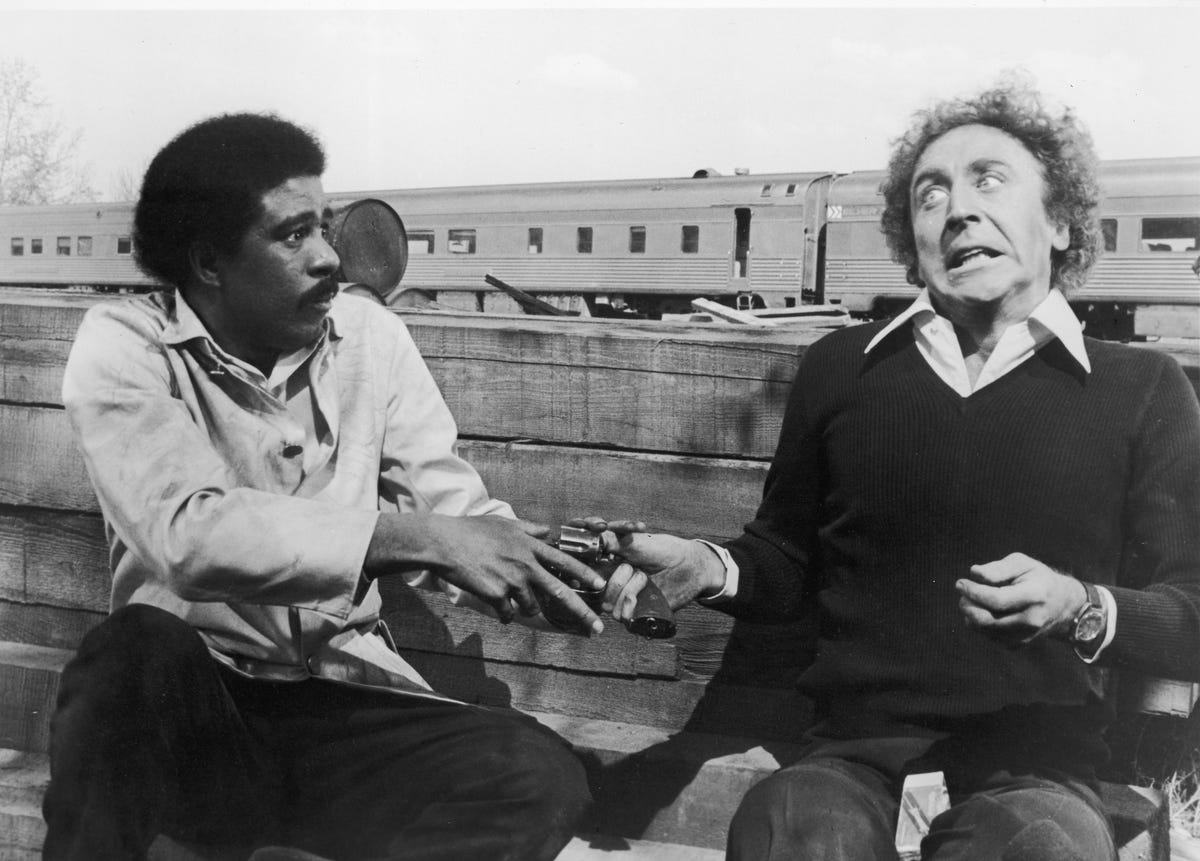
Richard Pryor was not merely a comedian; he was a cultural architect who fundamentally altered the landscape of stand-up by blending raw autobiography, social critique, and uncompromising honesty. Through his legendary concert films and albums, he transformed personal trauma into universal catharsis, proving that the most profound humor is rooted in the uncomfortable truth of the human condition.
The Foundations of a Comedic Revolution
To understand the magnitude of Richard Pryor’s impact, one must look at the state of American comedy in the mid-20th century. Before Pryor’s ascent in the late 1960s and 1970s, the dominant form of stand-up was largely defined by polished, observational, or vaudeville-inspired performers like Bob Hope or Bill Cosby. While talented, their acts often operated within the boundaries of safe, palatable storytelling.
Pryor shattered these boundaries. Born in Peoria, Illinois, in 1940, his early life was marked by extreme instability—he was raised in a brothel run by his grandmother and suffered from severe abuse. These formative, often harrowing experiences became the bedrock of his comedy. When Pryor began to find his voice in Berkeley, California, he was heavily influenced by the raw, counter-culture movement and the intellect of figures like Lenny Bruce. However, where Bruce used comedy as a blunt instrument for political disruption, Pryor used it as a surgical tool for self-excavation.
His transition from a mainstream, clean-cut comic to a raw, unfiltered force of nature occurred when he retreated from the stage in the late 1960s. When he returned, he was no longer performing for the audience; he was exposing his soul to them. This shift allowed him to tackle race, addiction, poverty, and institutional failure with a fluidity that had never been seen before.
Mastering the Language of the Streets
A critical component of Pryor’s genius was his linguistic innovation. He was one of the first performers to successfully bring the cadence, vocabulary, and specific social vernacular of Black American life into the mainstream comedic lexicon. By refusing to sanitize his language, he forced white audiences to engage with his reality on his terms rather than theirs.
Pryor’s use of the term "nigger" in his performances remains one of the most studied aspects of his career. By reclaiming the slur and recontextualizing it within the nuanced, often absurd reality of his lived experience, he stripped the word of its singular power to diminish. It became a descriptor for the human condition—an emblem of both pride and pain. This linguistic shift was not about shock value; it was an act of linguistic decolonization that gave later generations of comedians, such as Eddie Murphy, Dave Chappelle, and Chris Rock, the permission to speak with absolute authenticity.

The Concert Films as Cultural Artifacts
While Pryor was a prolific actor and writer, his live concert films—specifically Live on the Sunset Strip (1982), Richard Pryor: Live in Concert (1979), and Is It Something I Said? (1975)—are his enduring monuments. These films are not just records of a performance; they are visceral, cinematic documents of a man negotiating his own demons in real-time.
Live on the Sunset Strip is perhaps the most significant, as it features his famous, agonizingly funny, and heartbreakingly honest account of the 1980 incident in which he suffered severe burns following a freebasing accident. The ability to mine his own near-death experience for laughter required a level of psychological courage that remains unmatched in the history of the performing arts. He didn't just tell jokes; he conducted public therapy, turning the theater into a space where failure and redemption could coexist.
Key Characteristics of Pryor’s Performance Style
| Element | Description | Impact on Comedy |
|---|---|---|
| Autobiography | Using specific personal trauma to frame the set. | Validated the "personal is political" approach for future comedians. |
| Characterization | Playing multiple distinct characters within a single story. | Introduced a theatrical, multi-dimensional complexity to stand-up. |
| Pacing | Alternating between rapid-fire delivery and intense silence. | Controlled the audience's emotional state, creating tension and release. |
| Subversion | Challenging the audience's expectations of moral or social norms. | Forced critical thinking on topics like systemic racism and police brutality. |
The Mechanics of Characterization
Beyond his subject matter, Pryor was a master of the stage physically. He utilized a technique known as polyvocal storytelling. He could inhabit the body and voice of a street hustler, an elderly man in a park, or even an inanimate object like a stray dog, switching between them with seamless, almost kinetic energy.
This was not merely a parlor trick; it was a sophisticated storytelling device. By giving voice to characters who were marginalized or ignored by the mainstream—the drug addict, the gambler, the man struggling to find work—Pryor humanized the inhabitants of the "streets." He forced the audience to look at people they might otherwise walk past or look down upon, granting them depth, humor, and dignity.
Challenges and Controversies
It is impossible to analyze Richard Pryor without acknowledging the complexities of his personal life. His struggles with substance abuse, multiple marriages, and legal troubles were often played out in the public eye. Critics sometimes argued that his volatility made him an unreliable figure, yet these very elements served as the fuel for his creative output.
In the mid-1970s and 80s, his fame often clashed with his personal instability. This tension created a "high-wire" dynamic in his live shows—audiences were never quite sure if they were watching a master at the top of his game or a man on the edge of a breakdown. This ambiguity kept the audience engaged in a way that modern, scripted, or highly produced comedy rarely manages. He was always one breath away from total collapse, which made the moments of profound insight feel like earned triumphs rather than rehearsed lines.
Legacy and Impact on Modern Comedy
In 2026, the influence of Richard Pryor is omnipresent. The "stand-up special" as a standard industry product owes its prestige entirely to the success of his concert films. He transitioned the genre from something found in smoky clubs to a cinematic experience capable of winning industry awards and dominating cultural discourse.
Furthermore, he established the gold standard for "confessional comedy." Every comedian who uses their stage time to work through depression, family dysfunction, or social injustice is walking the path that Pryor cleared. He moved the goalposts of what a comedian was "allowed" to talk about. Before Pryor, the comic was a jester; after Pryor, the comic became an essential social commentator.
Frequently Asked Questions
1. Why is Richard Pryor considered the most important influence on modern stand-up? Pryor is credited with transitioning stand-up from the "joke-telling" format into a form of long-form, narrative, and autobiographical performance art. His focus on brutal honesty regarding his personal life and systemic social issues fundamentally changed the expectations of the audience.
2. What role did race play in Richard Pryor's comedy? Race was a central theme, but Pryor moved beyond simple racial stereotypes. He explored the specificities of Black identity, the hypocrisy of integration, and the realities of institutional racism, often using the perspective of his own life to expose these issues in a way that felt immediate and grounded, rather than didactic.
3. Did Richard Pryor’s personal struggles hinder his career? While his struggles with drug addiction and health issues caused significant disruptions to his life and professional opportunities, they also defined his later work. His ability to articulate these experiences honestly created a deeper, more poignant connection with his audience, which many critics argue contributed to the emotional weight of his best material.
4. How did Pryor transition from writing for others to performing his own material? Pryor spent years as a successful writer for television and film, notably for programs like The Flip Wilson Show and Blazing Saddles. However, he found that he could not express his true voice through that work. He left the mainstream writing world to develop his own voice in smaller, less restrictive clubs, which eventually led to the development of his unique, unfiltered stage persona.
A Lasting Recommendation
For those looking to understand the mechanics of his genius, the best approach is to watch Richard Pryor: Live in Concert (1979) in its entirety without distraction. Note how he starts his set with simple observation and gradually pulls the audience deeper into his own psyche, using a microphone not as a prop, but as a direct line to his internal monologue. It serves as a masterclass in rhythm, storytelling, and the transformative power of vulnerability.
Richard Pryor did not just provide a laugh; he provided a mirror. In 2026, as we continue to grapple with the same social tensions and personal complexities he addressed decades ago, his work remains as relevant as it was the day it was recorded.
Image Gallery
Select an image to open it in a new tab.
Simon Caldwell
Enterprise Technology and Systems Editor
