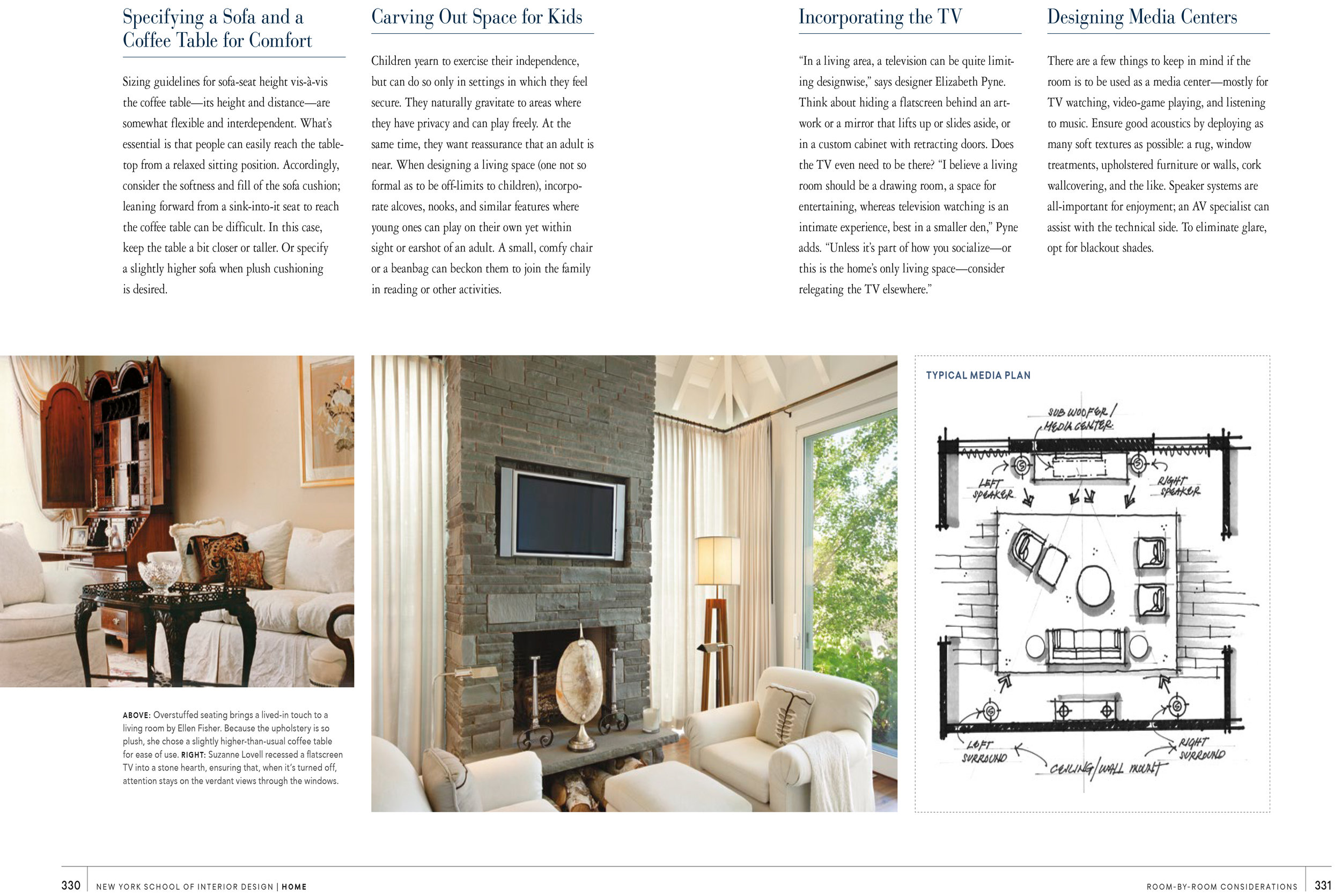
The New York School of Interior Design (NYSID) feels different for students because it is a monotechnic institution—one of the few colleges in the world dedicated exclusively to interior design. This singular focus creates an immersion-based environment where faculty are active industry leaders, and the curriculum is tied directly to the professional standards of the Manhattan design hub.
Founded in 1916, the New York School of Interior Design has spent over a century refining a very specific pedagogical approach. Unlike larger universities where interior design is a sub-department within an architecture or fine arts school, NYSID treats the discipline as the primary focus. In 2026, this distinction is more relevant than ever. As the design industry becomes increasingly specialized—requiring expertise in sustainability, wellness, and advanced BIM (Building Information Modeling) technologies—the school’s ability to pivot its entire resource base toward these shifts gives students a distinct edge.
The Power of a Monotechnic Education
For a student walking through the doors of NYSID’s 70th Street or 40th Street buildings, the atmosphere is noticeably different from a traditional campus. There are no sports teams, no sprawling quad, and no unrelated academic departments. Instead, every person in the building—from the librarian to the president—is focused on the built environment.
This "monotechnic" structure means that the institutional budget is not split between a chemistry lab and a design studio. Every dollar is invested in the materials library, specialized software, and faculty who are experts in interiority. For students, this translates to a "design-first" culture. Conversations in the hallways aren't about general education requirements; they are about the psychology of lighting, the sustainability of a new textile, or the logistics of a high-end residential renovation in TriBeCa.
The narrow focus fosters a unique peer-to-peer learning environment. When every student in the school is pursuing the same core goal, the opportunities for cross-pollination between undergraduate and graduate students increase. A BFA student might find themselves discussing a thesis project with an MFA candidate in the library, leading to a level of mentorship and professional networking that is rare in larger, more fragmented institutions.
Geography as Curriculum: The NYC Advantage
The New York School of Interior Design does not just exist in New York City; it uses the city as its primary laboratory. This is perhaps the most significant reason why the student experience feels different. While many schools are located in self-contained campuses, NYSID students are situated in the heart of the global design capital.
The school’s proximity to the Design & Decoration (D&D) Building on Third Avenue is a critical component of the education. In many design programs, students learn about materials through catalogs or small digital samples. NYSID students, however, frequently take "walking classes" to major showrooms. Being able to touch a $500-a-yard silk or see the joinery of a custom Italian sofa in person changes a student’s understanding of quality and scale.
Furthermore, New York City is home to the highest concentration of world-class interior design firms. By the time a student reaches their junior or senior year, they are often interning at firms like Gensler, Rockwell Group, or Roman and Williams. This integration of work and study means that the transition from student to professional is almost seamless. The city’s rigorous pace is reflected in the classroom, preparing students for the high-pressure environment of professional practice.

A Faculty of Practicing Professionals
At many academic institutions, professors are career academics whose primary focus is research and publishing. At NYSID, the vast majority of the faculty are practicing interior designers, architects, lighting specialists, and LEED-certified consultants. In 2026, this "practitioner-educator" model remains the school's backbone.
When a professor spends their day managing a multi-million dollar hospitality project and their evening teaching a studio class, the information they share is current and practical. They aren't just teaching the history of design; they are teaching how to navigate current building codes, how to manage client expectations in a post-pandemic market, and how to utilize the latest versions of Revit or AI-driven rendering tools.
This connection to the industry also opens doors. It is common for NYSID students to be recruited directly from their studios by their professors. The school functions as a massive networking hub, where the line between "student" and "junior designer" is intentionally blurred. This "real-world" pressure can be intense, but it ensures that graduates are not shocked by the demands of the profession upon graduation.
The Rigor of the Professional Standards
There is a common misconception that interior design is primarily about aesthetics—choosing paint colors and throw pillows. NYSID students quickly learn that the school’s curriculum is rooted in the technical and structural aspects of the field. This focus on "interior architecture" rather than just "decoration" is a major differentiator.
The curriculum is heavily weighted toward:
- Human Factors and Ergonomics: Understanding how the human body interacts with the built environment.
- Codes and Regulations: Mastering the complexities of the Americans with Disabilities Act (ADA) and New York City fire codes.
- Environmental Psychology: How interior spaces affect mental health and productivity.
- Technical Proficiency: Mastery of construction documents, lighting plans, and integrated building systems.
This rigor is aimed at one primary goal: preparing students for the NCIDQ (National Council for Interior Design Qualification) exam. The Council for Interior Design Qualification (CIDQ) sets the standard for professional practice, and NYSID’s BFA and MFA programs are designed to meet and exceed the requirements of the Council for Interior Design Accreditation (CIDA). Students feel the weight of these standards from day one, which fosters a sense of professional identity long before they receive their diplomas.
Specialized Graduate Programs (MPS)
While many schools offer a general Master’s in Interior Design, NYSID offers specialized Master of Professional Studies (MPS) degrees that allow students to dive deep into specific niches. These programs are often what attract career-changers and international students, adding to the diverse "feel" of the student body.
| Program Name | Duration | Primary Focus | Best For |
|---|---|---|---|
| MPS in Sustainable Interior Environments | 1 Year | Eco-friendly materials, LEED/WELL standards | Designers focusing on environmental impact |
| MPS in Healthcare Interior Design | 1 Year | Hospitals, clinics, senior living, wellness | Designers entering the medical/well-being sector |
| MPS in Lighting Design | 1 Year | Art and science of illumination, control systems | Students wanting a technical specialty in lighting |
| Basic Interior Design (BID) | 1 Year | Foundational skills and principles | Non-degree students or career-explorers |
These specialized programs mean that the "student next door" might be a veteran healthcare designer returning for a specialty or a sustainability expert from Europe. This diversity of experience levels within the student population prevents the school from feeling like a typical "college" and makes it feel more like a professional academy.
The Resource Center and Specialized Library
The physical resources available to NYSID students are curated with a level of specificity that general universities cannot match. The Mario Buatta Materials Hierarchy and the extensive library collection are legendary within the design world.
In the digital age of 2026, the school has also integrated high-end tech labs featuring VR/AR walkthrough capabilities. Students can design a space in 3D and then "walk" through it with a headset to check for scale and sightlines. This blend of traditional tactile material libraries and cutting-edge digital tools gives students a balanced toolkit. The "different" feeling here is one of professional capability; students feel they have the same tools at school that they would find in a top-tier global firm.
Navigating the NYSID Community
Despite its rigorous and professional nature, NYSID is a small school. This creates a tight-knit community where students are well-known by the administration. In a city as large and sometimes anonymous as New York, the school serves as a supportive home base.
Student organizations like the American Society of Interior Designers (ASID) and the International Interior Design Association (IIDA) student chapters are very active at NYSID. These organizations facilitate competitions, firm tours, and social events that help students build a support network. Because the student body is relatively small, these groups are more than just extracurriculars; they are the primary social and professional fabric of the school.
Frequently Asked Questions
Is NYSID harder than a general art or design school?
NYSID is often perceived as more rigorous because of its technical focus. While art schools may prioritize self-expression, NYSID prioritizes professional competency, building codes, and structural integrity alongside aesthetics. It is a "professional" school more than an "art" school, which requires a high level of discipline and attention to detail.
Do I need a portfolio to apply to the Basic Interior Design (BID) program?
No, the BID program is an open-enrollment certificate program designed for those who want to explore the field or build a portfolio for application to the AAS or BFA programs. It serves as an entry point for many students who do not have a prior background in design but are looking to change careers.
What is the difference between the AAS and the BFA programs?
The Associate in Applied Science (AAS) is a 66-credit program that focuses on core design skills and allows for quicker entry into the workforce at an entry-level position. The Bachelor of Fine Arts (BFA) is a 132-credit professional degree that includes more advanced studio work, liberal arts, and the comprehensive preparation needed for NCIDQ certification and long-term career growth.
How does NYSID handle the cost of living in NYC in 2026?
Living in Manhattan is expensive, and NYSID acknowledges this. The school provides resources to help students find roommates and off-campus housing. Many students choose to live in the outer boroughs (Brooklyn, Queens) or New Jersey and commute to the 70th Street or 40th Street locations, as the campus is easily accessible via the subway system.
Is there an online option for students who cannot move to New York?
Yes, NYSID has significantly expanded its digital campus. Many programs, including the AAS and the BID, can be completed entirely online. However, the "feel" of the school is still rooted in its New York City headquarters, and online students are often encouraged to participate in "residency weeks" or attend city-based events virtually to maintain that connection to the industry hub.
What is the job placement rate for NYSID graduates?
Historically, NYSID boasts a very high job placement rate—often exceeding 90% within six months of graduation. This is largely due to the mandatory internship programs and the fact that most faculty members are employers themselves. By 2026, the school’s reputation for producing "work-ready" designers remains its strongest asset in the eyes of recruiters.
Practical Recommendations for Prospective Students
If you are considering the New York School of Interior Design, the best way to understand why it feels different is to experience the "Design Mile" firsthand. Before applying, schedule a tour of the 70th Street building to see the student galleries and the materials library.
Prospective students should also:
- Attend an Open House: This allows you to meet faculty and see the level of technical work produced in the upper-level studios.
- Evaluate Your Goals: If you want a traditional "campus life" experience, NYSID might not be the right fit. If you want to be treated like a professional designer from day one, it is unmatched.
- Review the Portfolio Requirements: For the BFA and MFA-1 programs, a strong portfolio that demonstrates spatial awareness and creative thinking is essential. If you don't have one, consider starting with the BID program.
- Connect with Alumni: Search for NYSID graduates on LinkedIn to see the types of firms where they are working. This will give you a clear picture of the school’s professional trajectory.
Choosing NYSID is a commitment to a specific path. It is an intense, focused, and deeply rewarding environment for those who are certain that interior design is their calling. The school doesn't just teach you how to design rooms; it teaches you how to function at the highest levels of a global industry.
Image Gallery
Select an image to open it in a new tab.


Declan O'Connor
Higher Education and Campus Culture Reporter
