How Life Insurance Proceeds Affect Medicaid Eligibility and Benefits
Receiving life insurance proceeds can significantly impact a beneficiary’s Medicaid eligibility because these funds are generally counted as countable assets. When a Medicaid recipient or applicant inherits or receives a death benefit, the influx of cash may push their total resources above the strictly enforced program limits, potentially resulting in a loss of coverage or a period of ineligibility.
Medicaid is a joint federal and state program designed to provide health coverage to individuals with limited income and assets. Because it is a "means-tested" program, the government monitors the financial holdings of applicants and recipients to ensure that public funds are reserved for those with the greatest need. While many people view life insurance as a tool for financial security, its intersection with Medicaid creates a complex regulatory environment that requires careful planning to prevent accidental disqualification.
The Financial Assessment Process
To understand why life insurance proceeds affect Medicaid, you must first understand how state agencies view assets. Medicaid divides an applicant's finances into two primary categories: "Income" and "Resources" (or assets).
Income is money received in a specific month, such as Social Security payments, pension distributions, or interest. Resources are the assets an individual owns, such as savings accounts, stocks, bonds, and, in many cases, the cash surrender value of a life insurance policy. When a policyholder passes away, the death benefit paid to a beneficiary is considered an asset once it is received.
If the total value of an individual's countable resources exceeds the state's eligibility limit—which is often as low as $2,000 for a single individual in many jurisdictions as of 2026—the beneficiary will be disqualified from receiving Medicaid benefits. The program does not distinguish between money earned through labor and money received as a gift, inheritance, or insurance payout.
Distinguishing Cash Surrender Value from Death Benefits
It is vital to distinguish between a policy owned by the Medicaid applicant (while they are still alive) and the proceeds received from a policy owned by someone else after their death.
Policies Owned by the Applicant
If an applicant owns a whole life or universal life insurance policy with a cash surrender value, that value is considered a countable resource. If the face value of the policy is significant, the state may require the policyholder to liquidate or cash out the policy to pay for their own care until they reach the asset threshold. However, many states allow a "burial fund" exclusion, where a small life insurance policy (usually with a face value of $1,500 to $2,500) may be exempt from the resource count if specifically designated for funeral expenses.
Beneficiary Proceeds After Death
When an individual already receiving Medicaid receives a lump-sum death benefit, it is treated as a sudden increase in countable resources. Because Medicaid is a monthly program, the timing of the receipt matters. In many states, the money is counted as income in the month it is received, and if it is not spent by the first day of the following month, it remains as a countable resource.
The Risk of Disqualification: The "Spend-Down" Reality
When a Medicaid recipient receives life insurance proceeds, they often face a period of ineligibility. If the windfall pushes their assets above the limit, they must "spend down" the excess funds. This means the individual must use the proceeds to pay for legitimate, non-excluded expenses until their total assets fall back under the eligibility limit.
It is important to note that you cannot simply give the money away to family members or friends to regain eligibility. Medicaid enforces a "look-back period"—typically 60 months—during which they scrutinize financial transfers. If an individual gifts money to reduce their assets, they will likely face a penalty period during which Medicaid will refuse to pay for long-term care services.
Strategies for Managing Life Insurance Proceeds
Individuals expecting to receive life insurance proceeds who are currently on or applying for Medicaid often work with elder law attorneys to protect their benefits. While these strategies must comply with both federal law and specific state regulations, common approaches include:
- Directing Proceeds to a Special Needs Trust (SNT): A first-party SNT can be established using the recipient's own funds. By placing the life insurance proceeds into an SNT, the assets are technically managed by a trustee for the benefit of the individual, often allowing the recipient to maintain Medicaid eligibility while using the funds for items or services not covered by the program.
- Purchasing Exempt Assets: Medicaid rules allow for the ownership of certain "non-countable" assets. Depending on the state, this might include the purchase of a primary residence, improvements to an existing home, or the purchase of a vehicle.
- Paying Off Legitimate Debt: Using the proceeds to pay off outstanding debts, such as a mortgage, credit card balances, or medical bills, effectively reduces the individual's countable resource pool.
- Pre-paid Burial Arrangements: Many states allow for the purchase of irrevocable, pre-paid funeral and burial contracts. These are often treated as exempt resources because they cannot be easily liquidated for cash.
Comparison of Financial Impact
The following table summarizes how different life insurance scenarios generally interact with Medicaid eligibility requirements.
| Policy/Asset Scenario | Medicaid Treatment | Impact on Eligibility |
|---|---|---|
| Term Life Policy | Generally no cash value | Usually neutral (does not count) |
| Whole Life (Cash Value) | Countable resource | High risk (unless within burial limits) |
| Death Benefit Receipt | Countable income/resource | High risk (requires spend-down) |
| Irrevocable Burial Trust | Usually exempt asset | Safe (within state limits) |
| Funds in SNT | Exempt asset | Safe (if managed correctly) |
Common Mistakes to Avoid
The most common mistake beneficiaries make is failing to report the receipt of life insurance proceeds to the state Medicaid office. Recipients have a legal obligation to update the state agency regarding any change in financial status within a specific timeframe (often 10 days). Failure to report an increase in assets is considered fraud and can lead to the termination of benefits, mandatory repayment of past benefits, and potential legal consequences.
Another frequent error is the assumption that the money is "tax-free" and therefore "Medicaid-free." While life insurance death benefits are generally excluded from federal income tax, tax status has absolutely no bearing on Medicaid's resource calculations. A windfall can be completely tax-free and still disqualify an individual from government health coverage.
Jurisdictional Variations
It is critical to recognize that Medicaid is administered at the state level. While there is a federal framework, individual states have significant latitude to define "resource limits" and "exempt assets." Residents in California or New York may face different thresholds and exemptions than residents in Texas or Florida. Always verify your specific state’s manual or consult with a local elder law attorney who understands the nuances of your local Department of Human Services or relevant state health department.
Frequently Asked Questions
What happens if I receive a life insurance payout while in a nursing home? The proceeds are considered a countable resource. If you do not spend the money on allowable expenses or transfer it into a protected vehicle like a Special Needs Trust, you will be disqualified from Medicaid until your total assets fall below the state’s limit.
Does a term life insurance policy count against me? Generally, no. Term life insurance provides coverage for a specific period and does not accumulate cash value. Since there is no asset to liquidate, the policy itself is rarely considered a countable resource by Medicaid agencies.
Can I give my life insurance money to my children to keep my Medicaid? No. Giving the money away constitutes a "transfer for less than fair market value." This will trigger a penalty period, preventing you from receiving Medicaid-funded long-term care for a duration calculated by dividing the gifted amount by the state’s average daily cost of nursing home care.
Are burial insurance policies exempt from the asset count? Many states allow for a small, irrevocable burial fund to be exempt. However, if the policy has a cash surrender value that exceeds the specific state's allowed burial limit, the excess value will be counted as a resource.
Do I have to report the death benefit if I spend it all in the same month? Yes. You must report all changes in financial circumstances to your local Medicaid office. Even if the money is spent immediately, the state requires disclosure of the funds to ensure compliance with reporting requirements.
Recommendation and Next Actions
If you are a Medicaid recipient or anticipate an upcoming life insurance payout, your first step should be to pause and assess your financial landscape. Do not spend or gift the funds until you have spoken with a professional.
- Review your current Medicaid eligibility notice: Understand the specific resource limit applicable to your state and program category.
- Contact your caseworker: Report the anticipated receipt of funds to ensure you remain in compliance with reporting mandates.
- Consult with an elder law attorney: Before receiving the funds, seek guidance on legal mechanisms such as Special Needs Trusts or irrevocable burial accounts that can protect your eligibility.
- Keep meticulous documentation: If you spend the funds on legitimate debts or exempt assets, maintain receipts, invoices, and bank records to provide a clear audit trail to the state, should they question your asset levels.
Navigating the intersection of life insurance and public benefits requires precision. By acting proactively, you can ensure that you receive the financial support from your policy while protecting your access to essential medical care.
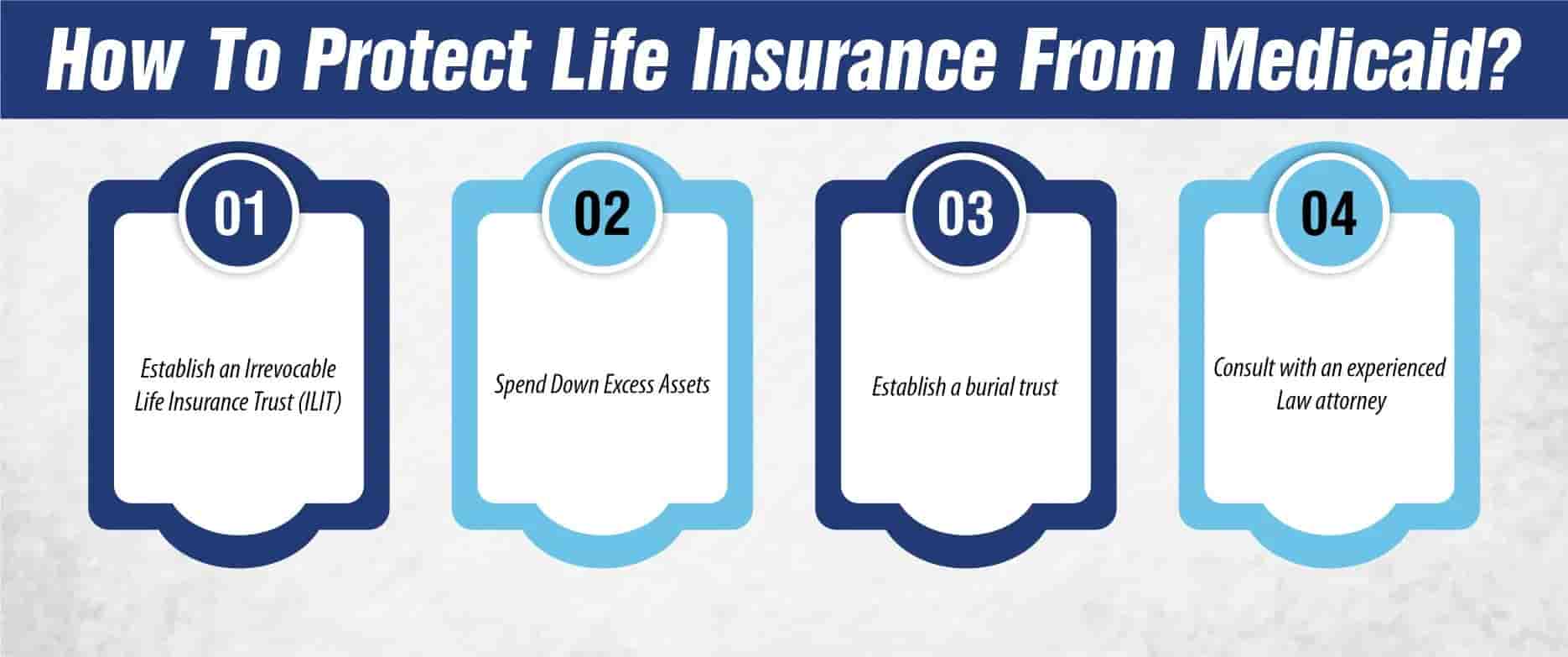
Image Gallery
Select an image to open it in a new tab.

Celine Dubois
Contemporary Living and Global Arts Columnist
