
The impact of a real-life tragedy manifests as a complex disruption of psychological stability, biological function, and social structures. It shatters a person’s "assumptive world," forcing a fundamental reorganization of identity and safety. Recovery involves navigating acute stress, potential long-term trauma, and the eventual integration of the event into a new life narrative.
A real-life tragedy—whether a natural disaster, a sudden loss, or a large-scale violent event—does not merely end when the immediate danger passes. Instead, it initiates a cascade of effects that ripple through every layer of human existence. To understand the impact of a real-life tragedy, one must look beyond the initial shock and examine the deep-seated changes it imposes on the mind, the body, and the community.
The Psychological Rupture: Shattering the Assumptive World
Psychologists often refer to the "assumptive world" as the set of core beliefs that humans hold about the world being generally predictable, meaningful, and safe. A tragedy acts as a violent rupture to this framework. When the unthinkable happens, the victim's internal map of reality no longer matches the external world.
Acute Stress and the Immediate Aftermath
In the immediate wake of a tragedy, the brain enters a state of hyper-arousal. This is the "fight, flight, or freeze" response taken to its extreme. Cognitive functions such as decision-making and memory encoding become fragmented. Individuals may experience "peritraumatic dissociation," a feeling of being detached from one’s body or surroundings. This is a survival mechanism designed to buffer the psyche from overwhelming horror, but if it persists, it can complicate the long-term healing process.
Post-Traumatic Stress Disorder (PTSD) and Complex Trauma
For many, the impact of a real-life tragedy evolves into PTSD. This is characterized by intrusive memories, flashbacks, and a persistent state of "high alert" (hypervigilance). As of 2026, clinical understanding has further refined the distinction between standard PTSD and Complex PTSD (C-PTSD), the latter often occurring when a tragedy is prolonged or involves repeated exposure to trauma.
The psychological impact also includes "moral injury," particularly in tragedies involving human agency. This occurs when an event transgresses deeply held moral beliefs or expectations, leading to profound guilt, shame, and a loss of trust in societal institutions.
Physiological Consequences: The Biology of Trauma
The impact of a real-life tragedy is not "all in the head." It is a systemic biological event. Chronic exposure to the stress hormones released during and after a tragedy—specifically cortisol and adrenaline—can have lasting effects on physical health.
The HPA Axis and Neuroplasticity
The Hypothalamic-Pituitary-Adrenal (HPA) axis governs the body’s stress response. Following a major tragedy, this system can become dysregulated, remaining "on" even when there is no threat. This leads to:
- Hippocampal Atrophy: The hippocampus, responsible for memory and emotion regulation, can actually shrink in volume due to prolonged cortisol exposure.
- Amygdala Hyperactivity: The brain's "alarm system" becomes hypersensitive, causing the individual to perceive threats in benign situations.
- Immune System Suppression: Long-term stress weakens the body’s ability to fight off infections and increases systemic inflammation.
Somatic Manifestations
Tragedy often "speaks" through the body. Victims frequently report chronic pain, gastrointestinal issues, and cardiovascular strain. These are not psychosomatic in the sense of being "fake"; they are the physical manifestation of a nervous system that has been recalibrated by trauma. Understanding these biological markers is essential for a holistic recovery plan.
The Socioeconomic Ripple Effect
When tragedy strikes, the financial and social foundations of a life or a community are often dismantled. The economic impact of a real-life tragedy is frequently the most immediate barrier to psychological recovery.
Loss of Livelihood and Economic Stability
In cases of natural disasters or personal tragedies like the death of a primary breadwinner, the immediate problem is survival. The cost of medical care, funeral expenses, or rebuilding property can lead to a cycle of debt. Research from the Substance Abuse and Mental Health Services Administration (SAMHSA) indicates that financial instability following a trauma significantly increases the risk of developing chronic mental health disorders.
Social Disintegration vs. Collective Resilience
Tragedies can either tear a social fabric or bind it tighter. In "collective trauma," such as a community-wide disaster, the shared experience can create a powerful sense of solidarity. However, it can also lead to social withdrawal. If the tragedy involves social conflict or perceived injustice, the impact may include a permanent breakdown in community trust and social capital.
| Dimension of Impact | Immediate Effects | Long-Term Consequences | Typical Mitigation Strategy |
|---|---|---|---|
| Psychological | Shock, dissociation, acute anxiety | PTSD, depression, anxiety disorders | Trauma-informed therapy (CBT, EMDR) |
| Biological | Adrenaline surge, insomnia | Chronic inflammation, HPA axis dysregulation | Mindfulness, medication, physical exercise |
| Social | Community rallying or chaos | Loss of social trust, isolation | Support groups, community rebuilding |
| Economic | Immediate loss of assets/income | Generational poverty, career disruption | Insurance, government grants, financial planning |
Collective Trauma and Cultural Identity
The impact of a real-life tragedy often extends to an entire culture or demographic. This is known as collective trauma. When a group experiences a tragedy—such as a mass casualty event or a cultural catastrophe—the memory of the event becomes woven into the group’s identity.
Narrative Reconstruction
Groups often cope with tragedy by creating a shared narrative. This story helps the community make sense of what happened and who is to blame. In 2026, the role of digital media in shaping these narratives is more prominent than ever. The way a tragedy is reported and discussed online can either facilitate "collective healing" or exacerbate "collective wounding" by recycling traumatic imagery.
Intergenerational Transmission
Studies in epigenetics and sociology suggest that the impact of a major tragedy can be passed down to future generations. This is not just through storytelling, but through biological markers and parenting styles influenced by the original trauma. Addressing the impact of a tragedy, therefore, is not just about the current victims but about preventing the "inheritance" of trauma by their children.
The Path Toward Post-Traumatic Growth (PTG)
While the impact of a real-life tragedy is undeniably devastating, it is not always the end of the story. A significant body of research focuses on "Post-Traumatic Growth" (PTG)—the positive psychological change experienced as a result of struggling with highly challenging life circumstances.
Elements of Growth
PTG does not mean the tragedy was "good." Rather, it means the individual found a way to derive new meaning from the wreckage. This typically manifests in five areas:
- Personal Strength: A "if I can get through this, I can get through anything" mentality.
- New Possibilities: Choosing a new career path or life direction because the old one no longer feels relevant.
- Improved Relationships: Developing a deeper sense of connection and empathy for others who suffer.
- Spiritual Change: A deepened sense of purpose or a more robust philosophical outlook.
- Appreciation for Life: A fundamental shift in priorities, focusing on what truly matters.
Factors Facilitating Growth
Growth is not automatic. It requires a supportive environment, the ability to "ruminate" productively (thinking about the event to find meaning rather than just reliving the pain), and access to mental health resources. Programs focused on resilience training have become standard in 2026 for communities at high risk for tragedy.
Practical Interventions and Resource Navigation
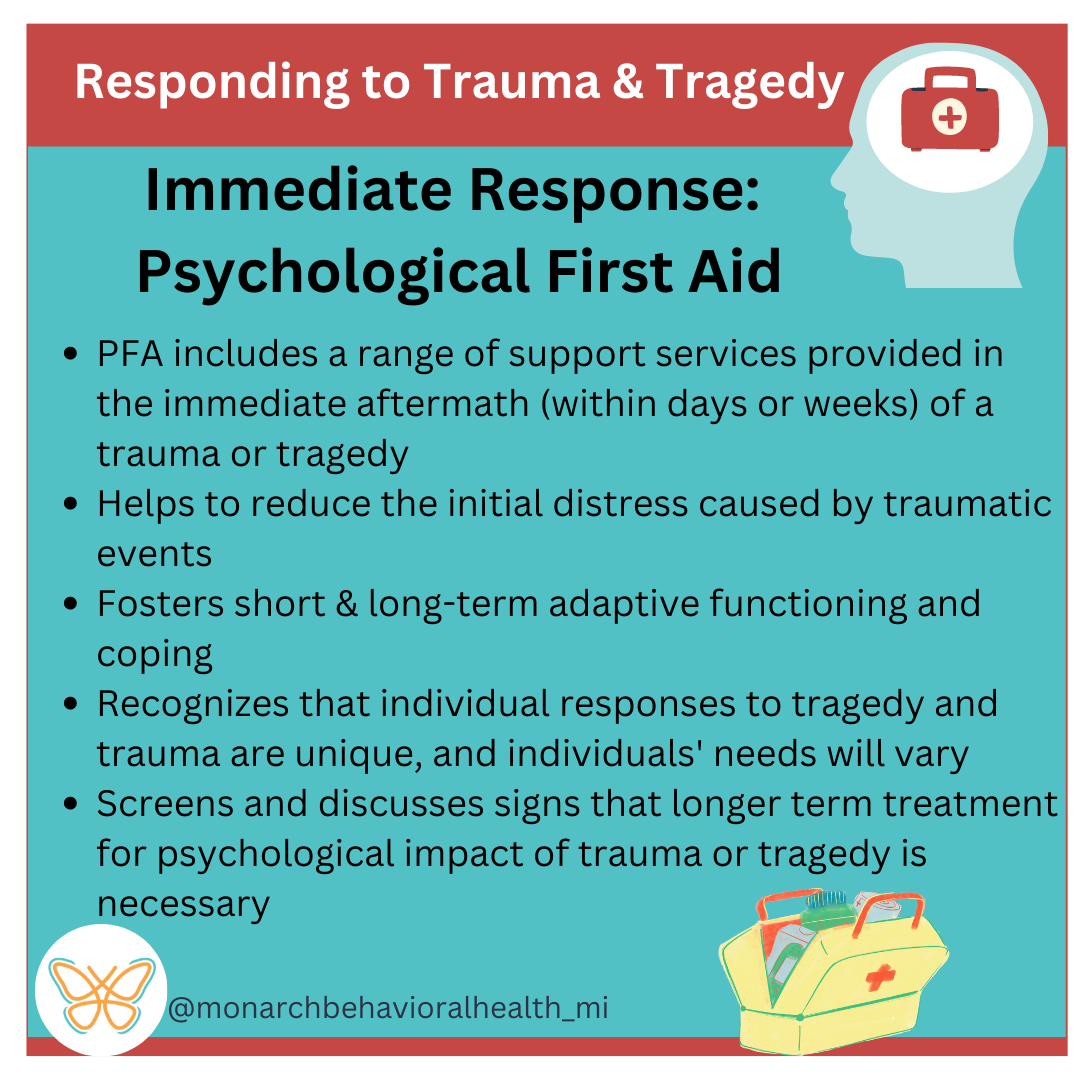
Navigating the impact of a real-life tragedy requires a multi-tiered approach. In 2026, the integration of traditional therapy with technological and community-based support has streamlined the recovery process.
Professional Mental Health Support
Evidence-based treatments remain the gold standard for treating the impact of tragedy. Cognitive Behavioral Therapy (CBT) helps individuals reframe the traumatic narrative, while Eye Movement Desensitization and Reprocessing (EMDR) is used to "unstick" traumatic memories in the brain.
Leveraging Technology and Support Networks
For those who cannot access in-person therapy, 2026 sees a wide adoption of AI-augmented teletherapy and virtual reality (VR) exposure therapy. Additionally, peer-led support groups provide a unique form of "validation" that professional clinical settings sometimes lack. According to the American Psychological Association (APA), peer support is a critical component in reducing the isolation that follows a tragedy.
Immediate Action Steps
If you or someone you know is dealing with the aftermath of a tragedy:
- Prioritize Safety: Ensure immediate physical needs (food, shelter, safety) are met before attempting deep psychological work.
- Limit Media Exposure: Constantly re-watching news coverage of a tragedy can re-traumatize the brain.
- Establish Routine: Predictability is the antidote to the chaos of tragedy. Small, daily routines help signal to the brain that the world is becoming safe again.
- Seek Professional Guidance: Do not wait for symptoms to become "severe." Early intervention is the best predictor of long-term recovery.
Frequently Asked Questions
How long does the impact of a real-life tragedy usually last?
There is no fixed timeline for grief or trauma. While the "acute" phase usually lasts a few weeks to months, the psychological integration of a tragedy can take years. For many, the impact is lifelong, but its intensity diminishes as the individual develops better coping mechanisms and integrates the event into their identity.
Can a tragedy have positive impacts on a community?
While the word "positive" is sensitive, tragedies can lead to "altruism born of suffering." This includes increased community cohesion, the passage of safer laws, and the creation of support organizations that benefit others. This is a form of collective post-traumatic growth.
What is the difference between grief and trauma?
Grief is the natural reaction to loss, primarily characterized by sadness and longing. Trauma is a response to an event that is perceived as life-threatening or shattering to one's sense of self, characterized by terror, horror, and helplessness. While they often overlap, trauma requires specific interventions to calm the nervous system, whereas grief requires time and social support to process the loss.
Is it normal to feel "numb" after a tragedy?
Yes. Emotional numbness is a common symptom of the "freeze" response. It is the brain's way of protecting the individual from a level of pain that it cannot yet process. However, if numbness persists for more than a few weeks, it may indicate a dissociative disorder or the onset of PTSD.
How can I support someone who has experienced a tragedy?
The most effective support is often practical rather than philosophical. Instead of asking "how are you?" or saying "everything happens for a reason," offer specific help: "I am bringing dinner on Tuesday," or "I will handle your grocery shopping this week." Presence and active listening are more valuable than trying to "fix" their pain.
Final Recommendation
The impact of a real-life tragedy is profound and multi-dimensional, affecting the brain's biology, the individual's psychology, and the community's economic stability. The most critical step in mitigation is early, trauma-informed intervention. Whether through professional therapy, community support systems, or personal resilience practices, the goal is not to "get over" the tragedy but to integrate it into a life that remains meaningful and functional. If you are currently in the wake of a tragedy, prioritize immediate physiological safety and seek a consultation with a licensed trauma specialist to begin the process of stabilization.
Image Gallery
Select an image to open it in a new tab.

Declan O'Connor
Higher Education and Campus Culture Reporter
