Auto Insurance Certified Mail: What the Myth Is and What’s True
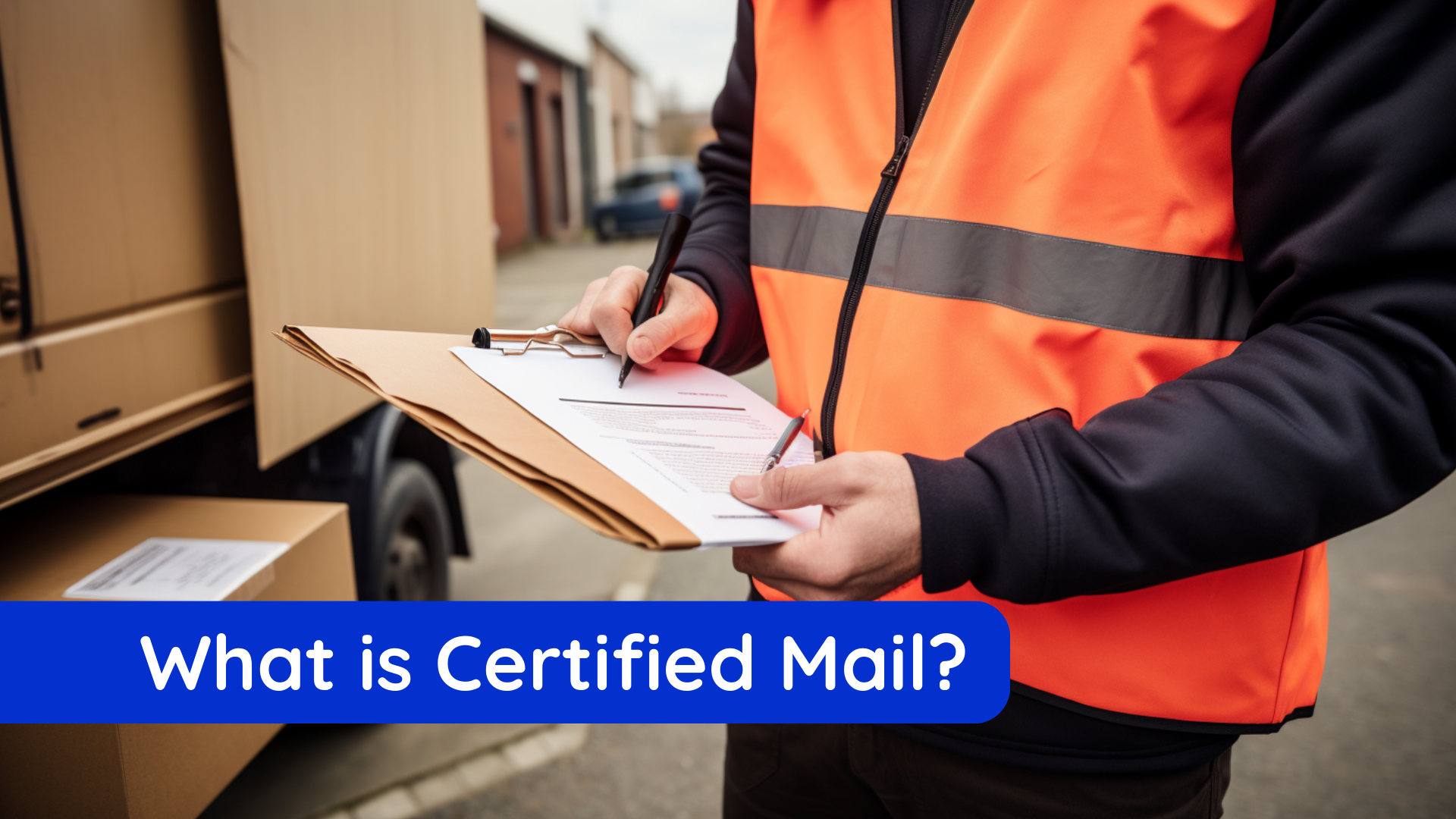
When policyholders attempt to cancel an auto insurance policy or submit a formal dispute, many believe that sending documents via certified mail provides absolute legal protection or forces an immediate company response. The reality is more nuanced: while certified mail creates an irrefutable paper trail of delivery, it does not bypass the contractual notice periods, statutory requirements, or specific processing rules mandated by insurance regulations.
Understanding Auto Insurance Cancellation and Notification Mechanics
The relationship between an auto insurance policyholder and an insurance carrier is governed by a legally binding contract. This contract outlines the exact obligations both parties must fulfill, particularly regarding policy modifications, premium payments, and cancellations. Understanding how these mechanics work helps separate procedural realities from common misconceptions.
When a driver decides to switch providers or cancel coverage, insurance companies generally require specific steps to ensure there is no lapse in financial responsibility or statutory compliance. Carriers look for clear, unequivocal expressions of intent to terminate the contract. However, how that intent is delivered has historically been a subject of widespread debate among consumers.
Many consumers assume that using the United States Postal Service (USPS) Certified Mail service acts as a magic bullet that instantly dissolves policy obligations the moment the green return receipt is signed. In practice, certified mail is merely a transmission mechanism. It proves that a physical envelope was delivered to an address, but it does not automatically rewrite the contractual terms agreed upon when the policy was purchased.
The Role of State Regulations in Policy Cancellation
Insurance is heavily regulated at the state level through departments of insurance. Each state enforces distinct guidelines regarding how much notice an insurer must provide before canceling a policy, as well as the rights a consumer has when canceling coverage early.
State laws dictate whether a cancellation takes effect on the date the notice is sent, the date it is received, or a future date specified by the policyholder. Because these regulations vary significantly across jurisdictions, relying solely on a generic certified mail strategy without checking local Department of Insurance guidelines can lead to unexpected coverage gaps or continued billing cycles.
Deconstructing the Certified Mail Myths
Myths surrounding auto insurance certified mail typically stem from misunderstandings of contract law, postal operations, and insurance administrative workflows. To navigate policy changes safely, it is necessary to examine what certified mail actually accomplishes versus what consumers mistakenly believe it does.
Myth 1: Certified Mail Immediately Terminates Coverage on the Day It Is Delivered
One of the most persistent myths is that coverage ends the exact minute the postal carrier hands the certified letter to an insurance company representative.
- The Reality: Most insurance contracts stipulate that cancellation requests take effect either upon receipt by the company or on a specific future date designated by the insured. Furthermore, administrative processing time is required. An insurance company's mailroom must log the document, scan it into their system, route it to the correct underwriting department, and calculate any unearned premium refunds.
- The Consequence: If a policyholder stops making payments or assumes coverage has ceased immediately upon delivery without accounting for processing lags, they might face a brief period of administrative overlap or confusion regarding premium calculations.
Myth 2: Certified Mail Forces the Insurer to Accept Non-Standard Cancellation Formats
Some drivers believe that if they write a cancellation notice on a scrap of paper and send it via certified mail, the insurance company is legally forced to accept it under those exact terms.
- The Reality: While certified mail proves delivery of the document, insurance carriers are permitted by contract and regulation to require specific administrative forms. Many companies require a signed cancellation form, proof of replacement coverage (such as a new declarations page), or a signed statement of no loss to prevent fraudulent backdating.
- The Consequence: Sending a certified letter that lacks required disclosures or signatures may result in the insurer replying with a request for standard documentation, delaying the effective cancellation date.
Myth 3: Certified Mail Protects Against All Billing Errors
Another common belief is that a certified mail receipt stops automatic monthly withdrawals from a bank account or credit card.
- The Reality: Certified mail transmits written notices to the mailing address of the insurance company. It does not interface with automated billing clearinghouses instantly. If a payment is scheduled to withdraw within 24 to 48 hours of the certified letter's delivery, the automated billing system may process the charge before human staff review the cancellation letter.
- The Consequence: Policyholders must often coordinate cancellation directly with their billing department or financial institution to halt recurring Automated Clearing House (ACH) transfers effectively.
| Myth vs. Reality in Auto Insurance Certified Mail | ||
|---|---|---|
| Common Misconception | Operational Reality | Best Practice |
| Certified mail instantly cancels the policy on delivery day. | Cancellation takes effect based on contract terms and processing time. | Request a specific future cancellation date and follow up. |
| Certified mail bypasses company cancellation forms. | Insurers can still legally require standardized signed forms. | Complete the carrier's official cancellation paperwork alongside your written notice. |
| Certified mail automatically stops recurring electronic payments. | Mailrooms and billing departments operate on separate processing schedules. | Contact billing directly or revoke authorization through your bank. |
| Certified mail eliminates the need for proof of replacement coverage. | State laws often require proof of new insurance to prevent registration suspensions. | Keep your new declarations page ready to submit with your cancellation request. |

What Certified Mail Actually Accomplishes
While certified mail does not possess magical legal powers, it remains one of the most secure traditional methods for transmitting important physical documents. Recognizing its true utility helps policyholders use it appropriately.
Establishing an Irrefutable Paper Trail
The primary advantage of certified mail is the creation of a legally recognized tracking history. When you send a document via USPS Certified Mail with a Return Receipt requested, you receive:
- A physical or electronic tracking number that records every movement of the mail piece.
- Confirmation of delivery, including the date, time, and specific delivery location.
- An electronic signature or physical signature card of the recipient (when requested), providing proof of who accepted the paperwork.
In the event of a legal dispute—such as a contested cancellation date, an unrefunded premium balance, or a wrongful penalty fee—having a certified mail receipt prevents an insurance company from claiming they "never received" the notification. This objective proof protects the consumer from administrative oversight or lost mailroom correspondence.
Compliance with Strict Contractual Notice Clauses
Some complex insurance policies, commercial auto policies, or disputed high-risk contracts explicitly recommend or require written notice delivered via certified mail for formal disputes, lienholder notifications, or policy non-renewals. When a contract specifically dictates certified mail, adhering to that clause ensures that the policyholder has strictly fulfilled their side of the agreement.
Legal and Practical Limitations in 2026
As the insurance industry continues to modernize, digital portals, electronic signatures, and instant messaging dominate customer interactions. In 2026, relying solely on physical mail can introduce unnecessary friction into administrative processes.
Processing Delays in Physical Mailrooms
Modern insurance carriers operate largely digital workflows. Physical mail sent to central processing hubs often undergoes scanning and optical character recognition (OCR) before reaching an adjuster. This multi-step handling can add several business days to the turnaround time compared to uploading a document directly through a secure online customer portal or sending an authenticated electronic communication where permitted by state law.
Jurisdictional Nuances and State Statutes
Insurance is governed by state-specific statutes. For example, the California Department of Insurance and the Texas Department of Insurance enforce strict consumer protection rules regarding how quickly unearned premiums must be refunded after a cancellation notice is received. If a certified letter sits in a mailroom backlog, questions may arise regarding which date initiates the statutory refund countdown. Consumers should consult their state's insurance commissioner guidelines to understand how receipt dates impact financial settlements.
Note: For complex disputes involving substantial financial claims, disputed liability, or potential litigation, consulting with a licensed insurance attorney or contacting your state's department of insurance provides guidance tailored to your specific jurisdiction.
Step-by-Step Guidance: How to Properly Cancel or Dispute Auto Insurance
If you decide to submit a cancellation notice or formal dispute using certified mail, following a structured procedure ensures maximum legal protection and operational efficiency.
- Review Your Policy Contract: Read the cancellation and notice provisions in your policy booklet to identify required notice periods, specific address destinations, and required form fields.
- Draft a Clear Written Notice: Write a concise letter containing your full name, policy number, effective date of desired cancellation, and current contact information. Sign and date the document.
- Assemble Supporting Documentation: Include any required supplementary items, such as a completed carrier cancellation form or proof of new insurance coverage.
- Prepare the USPS Certified Mail Package: Complete Form 3800 (Certified Mail Receipt) and Form 3811 (Return Receipt, if physical signature tracking is desired) at your local post office.
- Retain Your Tracking Receipt: Keep the tracking receipt in a secure location and monitor the tracking status online until delivery is confirmed.
- Follow Up Electronically or via Phone: Call your insurance provider or check your online portal 48 to 72 hours after delivery to confirm that the document has been logged into your account file.
Frequently Asked Questions
Does auto insurance certified mail guarantee my insurance company will refund my money immediately?
No. Certified mail only proves that the notification was delivered. The insurance company still requires time to calculate the exact unearned premium refund based on the exact day coverage terminated, subject to state regulatory timelines and short-rate cancellation fees if applicable.
Is certified mail better than using the insurance company's online portal?
Not necessarily. While certified mail provides legal proof of delivery, online portals often process changes much faster because they route documents directly into digital workflows. Many policyholders use both: submitting documents instantly via the portal while mailing a certified copy for permanent record-keeping.
Can an insurance company reject a cancellation sent via certified mail?
An insurance company cannot refuse valid contractual cancellation, but they can reject the paperwork if it lacks necessary signatures, policy numbers, or required statutory disclosures. They will typically respond by requesting the missing information, which can delay the final processing date.
What should I do if the certified mail tracking shows delivery, but my insurance company claims they never received it?
Contact USPS to obtain the delivery record, including the signature and delivery scan coordinates. Present this documentation to the insurance company's customer service management or compliance department. If the carrier remains uncooperative, file a formal complaint with your state's department of insurance.
Does certified mail stop my insurance company from reporting a lapse to the state DMV?
Certified mail alone does not prevent a DMV lapse report if there is a gap between your old policy ending and a new policy beginning. To prevent DMV penalties, you must ensure that your new auto insurance policy starts seamlessly on or before the exact moment the previous policy's cancellation takes effect.
Conclusion and Next Actions
Auto insurance certified mail is a powerful tool for establishing an irrefutable paper trail, but it is not a legal shortcut that bypasses contract terms, processing times, or state regulations. To protect yourself when modifying or ending coverage, combine the security of a USPS tracking receipt with proactive communication through your insurer's official portal and adherence to your state's insurance guidelines. Verify processing confirmation directly with your carrier to ensure a seamless transition without unexpected billing or coverage gaps.
Image Gallery
Select an image to open it in a new tab.
Declan O'Connor
Higher Education and Campus Culture Reporter
