
Polypropylene, identified by the resin identification code "05" or "PP," is a thermoplastic polymer widely utilized in food containers, medical devices, and consumer goods. While it is generally considered one of the safest plastics for human contact, various misconceptions persist regarding its heat resistance, chemical stability, and recyclability. Understanding the reality of PP plastic is essential for safe usage in modern households.
Understanding Resin Identification Code 05
The "05" symbol inside the chasing arrows triangle on a plastic product indicates the material type: Polypropylene. This system, established by the Society of the Plastics Industry in 1988, is designed to assist waste management facilities in sorting polymers during the recycling process. It does not indicate how many times a plastic has been recycled, nor does it guarantee the product is "food-grade" or free from additives.
Polypropylene is a semi-crystalline polymer characterized by its high melting point, high chemical resistance, and toughness. Because it does not easily react with acids or bases, it has become a staple in the production of items intended to store food, hot liquids, and cleaning agents.
Myth 1: All Plastics Leach Chemicals When Heated
A pervasive myth suggests that all plastics release harmful chemicals like Bisphenol A (BPA) when subjected to heat. This belief stems from issues primarily associated with polycarbonate (often identified by resin code 07 or "Other"), which historically utilized BPA as a building block.
The Fact: Polypropylene is inherently free of BPA. Because BPA is not used in the synthesis or manufacturing of polypropylene, heating a PP container does not result in the leaching of that specific chemical. However, while PP is heat-tolerant, it is not "heat-proof." Exposure to temperatures exceeding its glass transition temperature can cause physical degradation, warping, or the migration of manufacturing additives—such as stabilizers or colorants—into food, particularly if the food has a high fat or oil content.

Myth 2: "Microwave Safe" Means "Indestructible"
Consumers often confuse the term "microwave safe" with a guarantee of lifetime durability. Marketing labels on microwave-safe containers imply that the material will not melt or warp under standard microwave usage for a specific period.
The Fact: "Microwave safe" is a designation based on testing protocols that ensure a material does not melt or pose an immediate safety risk during typical microwave heating cycles. It does not mean the material is impervious to damage. Over time, frequent microwaving—especially when heating substances that reach high temperatures, such as cooking oils or sugary sauces—can cause "crazing," or micro-cracks, in the plastic. Once the surface integrity is compromised, the container may be harder to clean and more susceptible to bacterial buildup.
Myth 3: Number 05 Plastic is Always Recyclable
There is a common assumption that because an item bears the recycling symbol and the number 05, it will be accepted by any municipal recycling program.
The Fact: The resin code indicates the type of plastic, not the feasibility of recycling it in a specific jurisdiction. Many municipal waste programs focus on high-demand plastics like PET (01) and HDPE (02). Because of the logistics involved in collecting, sorting, and processing PP, many curbside programs do not accept it. In 2026, recycling infrastructure remains fragmented; consumers should always consult their local waste management authority to confirm if polypropylene is accepted in their specific collection stream.
Myth 4: Polypropylene is Completely Inert
Some users believe that PP plastic is chemically inert, meaning it cannot interact with its environment under any circumstances.
The Fact: While PP is highly resistant to many chemicals, it is not inert. It can be sensitive to specific solvents, certain types of essential oils, and concentrated oxidizing agents. For example, some highly concentrated cleaning agents or essential oils can lead to "stress cracking" in polypropylene. Users should store non-food items—such as industrial chemicals or concentrated essential oils—in glass or material specifically rated for those substances, rather than assuming a standard PP container is sufficient.
Myth 5: PP Plastic is Environmentally Harmless
Because PP is durable and BPA-free, some consumers conflate "safe for human health" with "environmentally benign."
The Fact: The environmental impact of polypropylene is significant. As a petroleum-derived product, its production is carbon-intensive. Furthermore, while PP is physically recyclable, its low recovery rates mean that a vast majority of PP items end up in landfills or as environmental microplastics. Unlike glass or metal, which can be recycled indefinitely without losing quality, polypropylene degrades slightly each time it is reprocessed, eventually reaching a state where it is no longer structurally sound for its original purpose.
Comparison of Common Plastic Resin Codes
The following table provides a high-level comparison between number 05 (PP) and other common consumer plastics to help contextualize its usage and safety profile.
| Resin Code | Material Name | Common Uses | Heat Resistance |
|---|---|---|---|
| 01 | PET/PETE | Beverage bottles | Low |
| 02 | HDPE | Milk jugs, detergent | Moderate |
| 04 | LDPE | Squeezable bottles | Low |
| 05 | PP | Food containers, straws | High |
| 06 | PS | Disposable cutlery | Low |
| 07 | Other | Specialized electronics | Varies |
Best Practices for Using Polypropylene Products
To maximize the safety and lifespan of your polypropylene containers, follow these established best practices:
- Inspect for Damage: Regularly check containers for scratches, warping, or discolorations. If a container shows significant wear, it is time to recycle or discard it, as cracks can harbor bacteria.
- Limit Microwave Duration: Avoid using PP containers to boil liquids or heat foods with high fat/sugar content for extended periods. Even if the container is "microwave safe," the contents can exceed the melting point of the plastic.
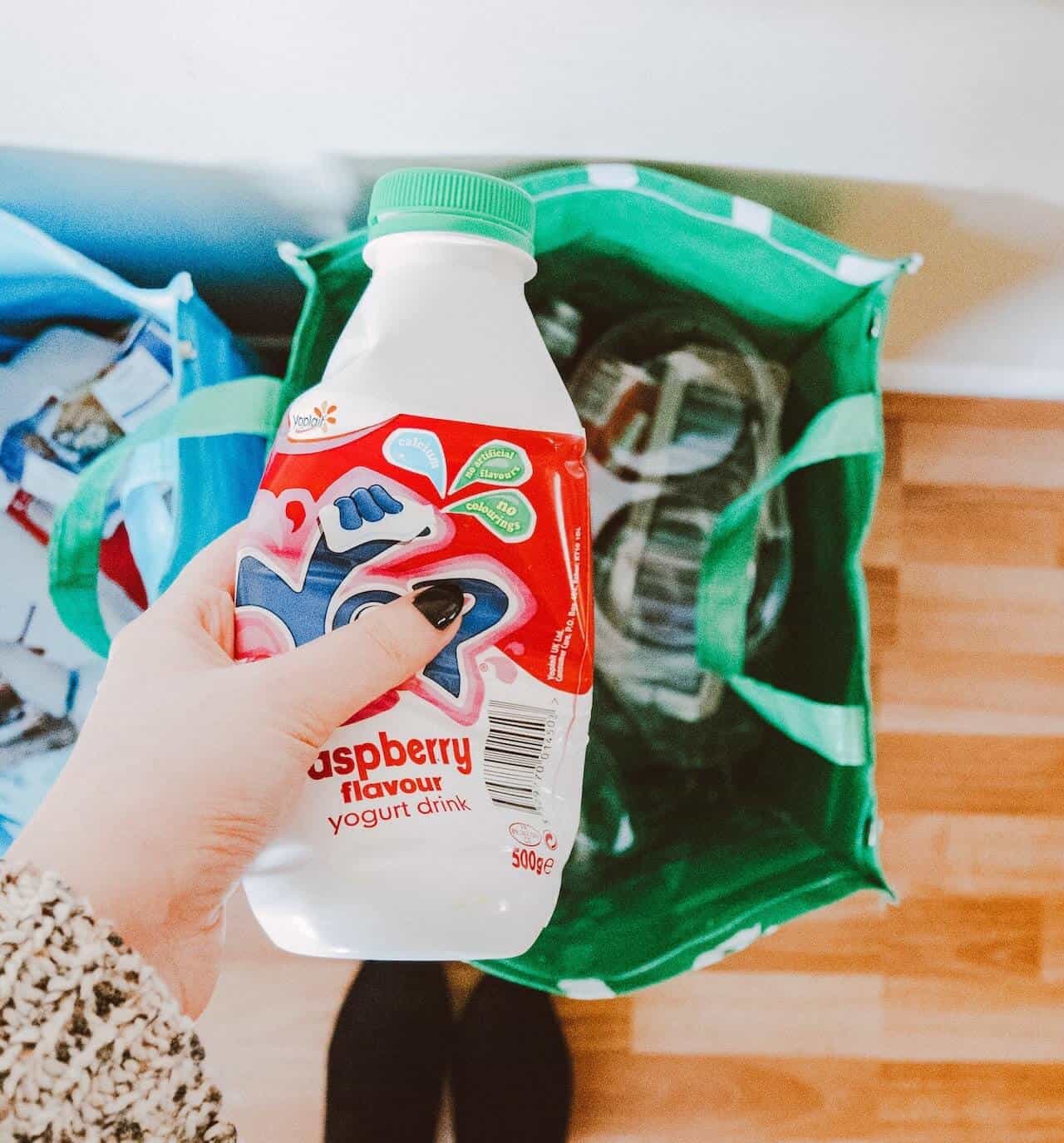
- Use for Appropriate Storage: Store food in containers designed for food service. Avoid reusing single-use PP items (like thin yogurt containers) for long-term food storage, as they are engineered for a single life cycle and are more susceptible to surface degradation.
- Prioritize Glass for Hot Contents: Whenever possible, use glass or stainless steel for heating or storing very hot liquids. These materials are chemically inert at much higher temperatures than any consumer-grade plastic.
- Confirm Local Guidelines: Do not assume your local recycling bin accepts PP. Visit your local government website to see a current list of accepted materials for 2026.
Frequently Asked Questions
Is it safe to freeze food in PP plastic? Yes. Polypropylene maintains its structural integrity at low temperatures, making it an excellent choice for freezer storage. Unlike some other plastics, it does not become brittle or prone to cracking under standard freezer temperatures.
Does PP plastic absorb odors or flavors? Yes. While PP is highly resistant to chemical interaction, it is somewhat porous. Over time, strong flavors or odors from stored foods can permeate the plastic surface, making it difficult to remove even with thorough washing.
Can I put PP plastic in the dishwasher? Most high-quality polypropylene is dishwasher safe, but placement matters. Place items on the top rack away from the heating element, as extreme heat at the base of the dishwasher can cause the plastic to deform over repeated cycles.
Is there a difference between clear and opaque PP? Both are the same chemical material. The clarity of the plastic is determined by the processing technique—often called "clarified polypropylene." The safety profile remains identical regardless of the transparency of the container.
Are there alternatives if I want to avoid plastic entirely? If your goal is to minimize plastic usage, consider transitioning to glass containers with silicone lids or stainless steel canisters. These materials offer higher durability and are completely free from the potential risks associated with plastic aging.
What happens if I accidentally melt PP plastic? If the plastic begins to smoke or release an odor, move away and ventilate the area immediately. While PP is not acutely toxic, any burning plastic releases combustion byproducts that should not be inhaled. Dispose of the damaged item safely.
Final Guidance
Polypropylene (05) is a reliable, versatile, and relatively safe material when used according to its design specifications. It is not a miracle material that can survive infinite heat or chemical exposure, but it performs better than most alternatives in the consumer market. By inspecting your containers, using them appropriately within temperature guidelines, and checking local recycling rules, you can safely integrate PP into your daily life while minimizing risks.
Image Gallery
Select an image to open it in a new tab.




Celine Dubois
Contemporary Living and Global Arts Columnist
