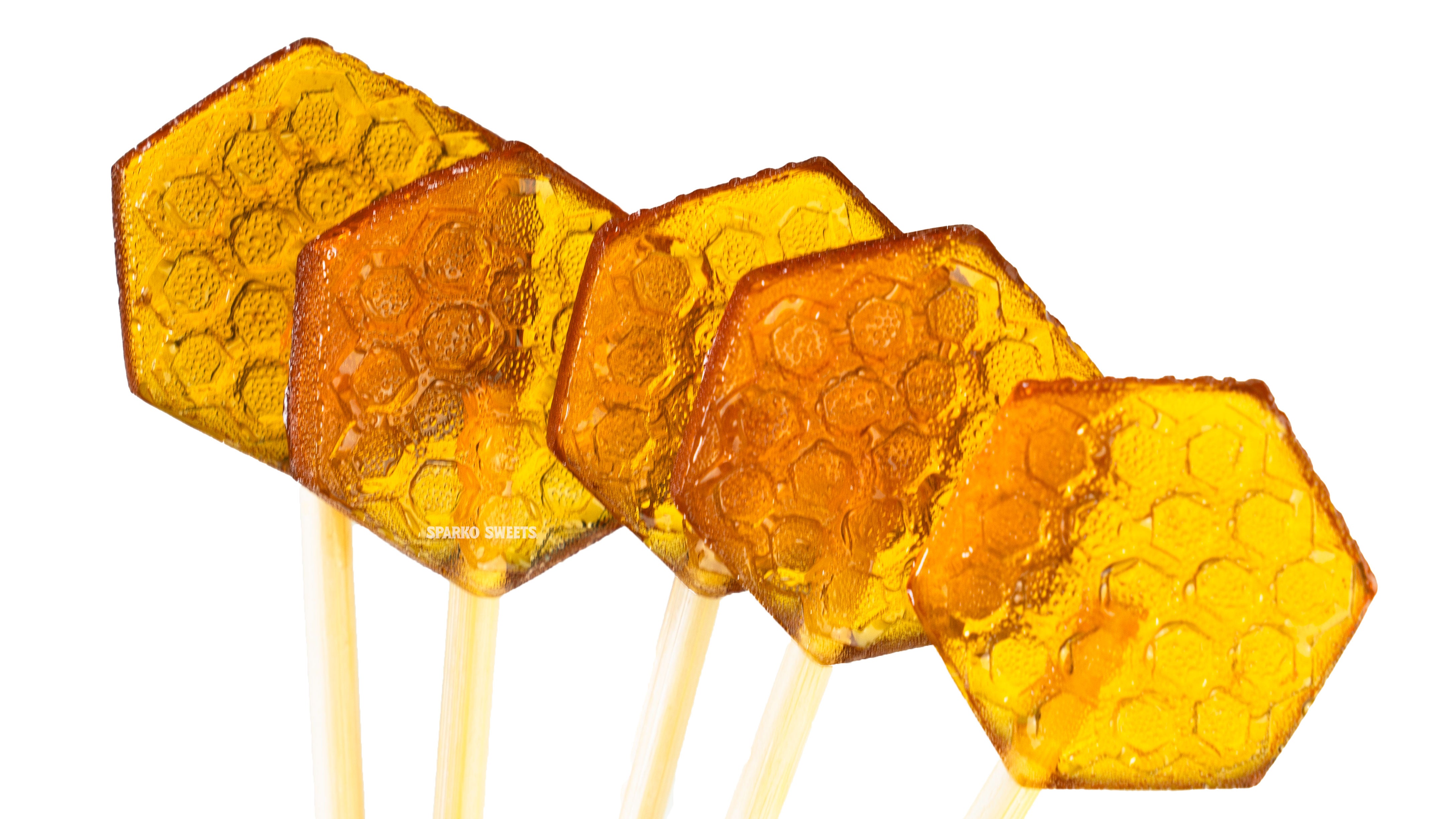
The name "lollipop" is widely attributed to the combination of the English dialect term "lolly" (meaning tongue) and "pop," describing a confection held on a stick. While competing claims exist regarding 19th-century horse racing or specific American confectionery trademarks, the most accepted etymological root lies in the descriptive behavior of licking a sweet treat that "pops" out of the mouth.
The Linguistic Roots of the "Lolly"
To understand why we call them lollipops, one must first look at the etymology of the word "lolly." In the northern dialects of England, dating back to at least the 18th century, "lolly" was a colloquial term for the tongue. When combined with the verb "pop," which in this context implies a sharp, sudden, or singular object, the term effectively describes a "tongue-treat."
This linguistic evolution is not unique in the history of confectionery. Many food names originate from the physical action required to consume them. Because a lollipop requires the consumer to hold a handle while the tongue works against the hardened sugar, the name acts as a functional description of the eating process rather than a reference to a specific ingredient.
The Great Debate: Confectionery vs. Equestrianism
While the "tongue" theory remains the most linguistically sound, it is not the only narrative that persists in popular culture. There is a frequent, though historically contested, claim that the name originated in the early 20th century from a racehorse named Lolly Pop.
According to this legend, George Smith, the founder of the Bradley Smith Company, named his signature candy on a stick after a popular racehorse of the time. While Smith did trademark the name "Lollipop" in 1931, historical research indicates that the word was already in circulation to describe hard candies on sticks long before the horse or the trademark appeared.
The trademarking of the term by Smith served to standardize the name in the American marketplace, but it did not invent the word. Instead, it solidified a term that had been percolating in the English-speaking world for decades, likely moving from regional slang to common parlance as mass production made these treats more accessible to children.
The Evolution of the Candy-on-a-Stick
The concept of eating honey, nuts, or fruit on a stick dates back to antiquity, as early humans discovered that wrapping food around a twig made it easier to consume without getting one’s hands sticky. However, the modern iteration—a hardened sphere of sugar—required the development of specific industrial technologies.
In the mid-19th century, hard candies were primarily sold as drops or chunks. These were often messy and difficult to manage. The innovation of inserting a wooden or paper stick into a cooling glob of sugar revolutionized the industry. By the time the word "lollipop" became standardized in dictionaries during the early 20th century, the product had transitioned from a rare, artisanal item to a staple of the confectionery aisle.
Industrialization and Mass Availability
The transition from a nameless "sweet on a stick" to the "lollipop" was accelerated by automated machinery. In the early 1900s, inventors created machines capable of inserting sticks into boiled sugar at high speeds. This shifted the item from a specialty treat to a mass-produced consumer good.
When a product enters mass production, it requires a definitive label for marketing, labeling, and inventory purposes. The adoption of "lollipop" provided a catchy, child-friendly, and descriptive name that helped distinguish it from other sugar-based products like taffy or hard candies served in paper bags. The ubiquity of the product by the 1930s—fueled by the Great Depression, where the low cost of sugar made the lollipop an affordable luxury—cemented the word in the global lexicon.
Comparison of Early Confectionery Terminology
Understanding the naming conventions of the era requires looking at how different candies were categorized based on their delivery mechanism.
| Term | Primary Composition | Delivery Mechanism | Etymological Basis |
|---|---|---|---|
| Lollipop | Boiled Sugar | Rigid Stick | Tongue (Lolly) + Pop |
| Hard Drop | Boiled Sugar | Loose / Wrapped | Size/Consistency |
| Taffy | Aerated Sugar | Wrapped | Pulling Process |
| Rock Candy | Crystallized Sugar | String or Stick | Geological appearance |
As shown in the table above, the lollipop is distinct because it is defined primarily by its delivery mechanism (the stick) rather than just its chemical composition. This reliance on the physical structure for the name highlights why the term has remained consistent for over a century, even as flavors and shapes have diversified.
Cultural Significance and Modern Usage
By the mid-20th century, the lollipop had moved beyond a simple treat to become a cultural icon. It appeared in media, film, and advertising as a symbol of childhood innocence. The name "lollipop" is linguistically "bouncy," utilizing plosive consonants that make it easy for children to pronounce. This likely contributed to its staying power compared to more clinical or descriptive names like "stick-candy."
In the contemporary landscape of 2026, the term is applied globally to a vast array of items, ranging from gourmet, artisan-crafted lollipops infused with botanical extracts to functional lollipops containing vitamins or medicinal lozenges. Despite these innovations, the name remains a constant, proving the strength of its original, simple descriptive roots.
Challenges in Trademark and Linguistic History
Because "lollipop" became a genericized trademark, it is now used as a common noun. This is a common phenomenon in branding where a brand name becomes so synonymous with a product that the company loses exclusive rights to the term.
For the historian or the curious consumer, this creates an ambiguity that is difficult to resolve. When searching for the "first" lollipop, one finds dozens of conflicting dates and locations. It is essential to distinguish between:
- The invention of the product: Eating sweets on a stick has occurred for thousands of years.
- The invention of the name: The etymological use of "lolly" for tongue-based treats appears in 18th-century English literature.
- The commercialization of the word: The 1931 trademark by George Smith, which serves as a definitive point in modern business records.
Frequently Asked Questions
Is a lollipop the same as a sucker? Yes, "sucker" and "lollipop" are regional synonyms. In many parts of the United States, particularly the Midwest, "sucker" is the common term, derived from the act of sucking on the candy. "Lollipop" is more common globally and in formal branding.
Did George Smith invent the lollipop? No. While George Smith is credited with trademarking the name in the United States in 1931, the product itself had been manufactured and sold by various confectioners throughout the late 19th century. He was simply the first to legally protect the term as a brand.
Why are some lollipops flat and others round? The shape is determined by the mold used during the cooling process. Round lollipops require two-piece molds or specialized pouring techniques, whereas flat lollipops are often stamped from a slab of warm sugar, making them faster and cheaper to produce.
Are all items on a stick considered lollipops? Legally and colloquially, yes. However, the industry differentiates between a "hard candy lollipop" and other items like "cake pops" or "fruit skewers." The term lollipop is reserved specifically for sugar-based hard confections.
Why did the name survive over other terms? The name is phonetically pleasing and easy for children—the primary target demographic—to learn and repeat. Marketing studies throughout the 20th century consistently found that "lollipop" elicited a stronger emotional response than descriptive alternatives.
Recommendation for Further Research
If you are interested in the evolution of confectionery, the most reliable path forward is to examine trade catalogs from the late 19th century rather than relying on popular legends. Many state historical societies in the United States hold archives from early candy factories that provide primary source invoices and product lists. These documents often predate trademark filings, offering a clearer picture of how these products entered the public consciousness before they were standardized in the 1930s.

Image Gallery
Select an image to open it in a new tab.


Simon Caldwell
Enterprise Technology and Systems Editor
