
Fort Bend mold remediation involves professional identification, containment, air filtration, safe removal, and structural sanitization to address fungal growth in residential and commercial properties throughout Fort Bend County, Texas. Because the region's humid subtropical climate and frequent severe weather events create ideal conditions for indoor moisture, understanding local remediation standards, licensing requirements, and prevention strategies is essential for protecting property value and indoor air quality.
Understanding the Fort Bend Climate and Mold Vulnerability
Fort Bend County, encompassing growing communities like Sugar Land, Rosenberg, Missouri City, and Richmond, experiences high relative humidity and significant rainfall throughout the year. These environmental factors directly influence indoor moisture dynamics. When warm, humid outdoor air infiltrates air-conditioned structures, it frequently condenses on cooler interior surfaces, ductwork, and drywall. Furthermore, tropical storms, heavy downpours, and localized flooding in areas near the Brazos River can cause sudden, catastrophic water intrusion.
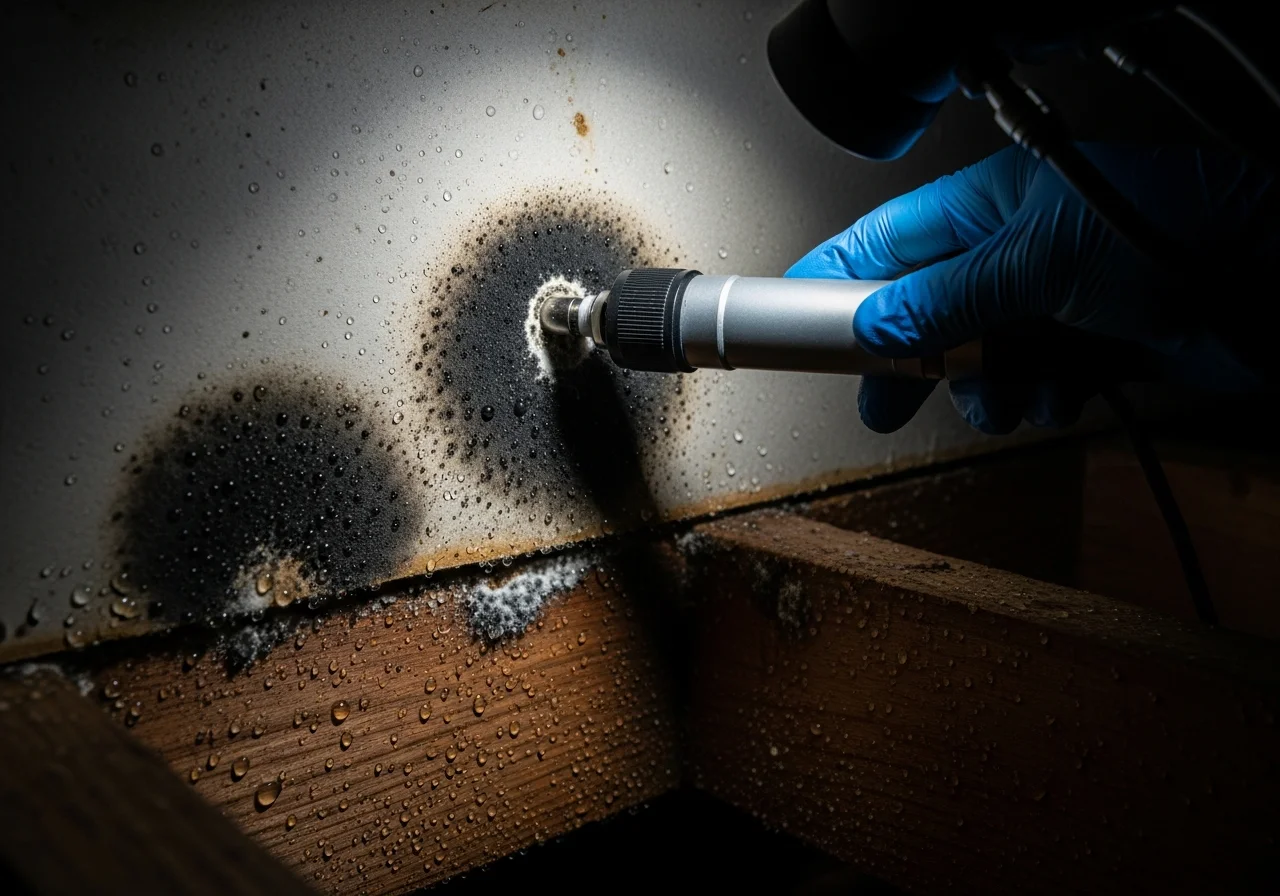
Without rapid and thorough drying, building materials such as wood framing, paper-faced drywall, insulation, and carpeting can begin supporting fungal colonization within 24 to 48 hours. Mold spores are naturally present in the outdoor air, but indoor amplification occurs when these spores land on damp organic substrates. Recognizing how regional weather patterns contribute to indoor moisture is the first step in effective property management and mitigation.
Texas Mold Regulations and Licensing Framework
Unlike many states that lack specific oversight for the mold industry, Texas maintains stringent regulations overseen by the Texas Department of Licensing and Regulation (TDLR) under the Texas Mold Assessment and Remediation Rules (TMARR). Understanding these statutory requirements protects property owners from unqualified contractors and ensures that remediation work meets rigorous health and safety standards.
Mold Assessment vs. Mold Remediation
Texas law establishes a strict separation of duties between the professional who diagnoses the mold problem and the professional who performs the cleanup:
- Mold Assessors: Licensed professionals who investigate the property, identify the source and extent of moisture and fungal growth, write a detailed remediation protocol, and perform post-remediation clearance testing. A mold assessor cannot perform remediation on the same project.
- Mold Remediators: Licensed contractors who execute the cleanup, removal, and sanitization plan created by the mold assessor. They must follow the written protocol precisely.
The 25-Square-Foot Rule
Under TMARR guidelines, any mold remediation project that encompasses a contiguous area greater than 25 square feet of visible mold must be performed by a licensed mold remediation contractor. Furthermore, the property owner must receive a Certificate of Mold Damage Remediation (CMDR) upon completion of the project, issued by a licensed mold remediator and signed by the mold assessor who conducted the clearance testing. This document can be crucial when selling a home or filing an insurance claim, as it certifies that the property has been properly remediated and inspected.

The Step-by-Step Professional Remediation Process
Professional mold remediation is not merely a surface-cleaning procedure; it is a controlled engineering and biological containment process designed to prevent the cross-contamination of unaffected areas within a building. When hiring a certified firm in Fort Bend County, property owners can generally expect a standardized, multi-phase workflow.
- Moisture Source Identification
- Containment Setup & Negative Air
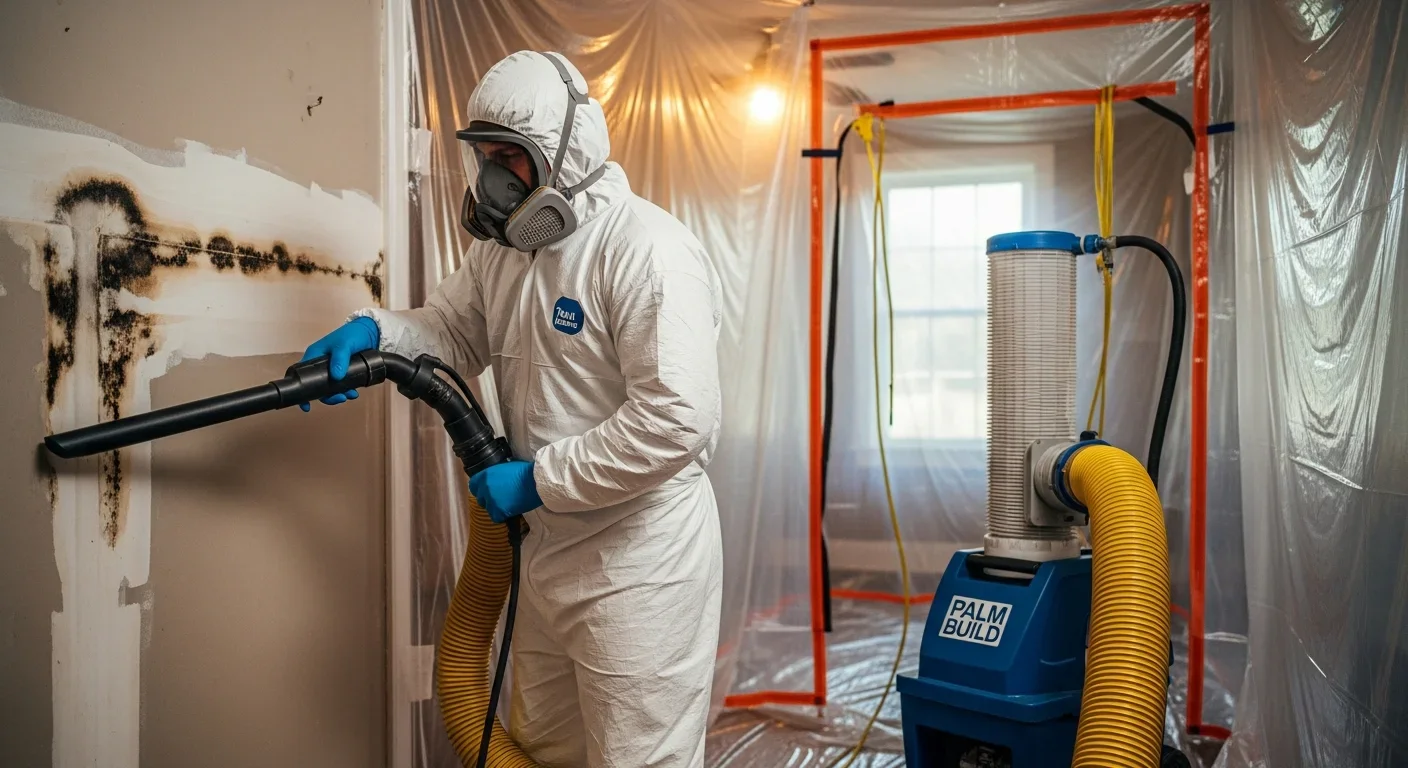
- HEPA Air Filtration & Vacuuming
- Removal & Discarding of Porous Materials
- Structural Cleaning & Antimicrobial Application
- Post-Remediation Verification (Clearance Testing)
1. Source Identification and Containment
Before any physical removal begins, the underlying moisture intrusion must be repaired. Fixing a roof leak, plumbing failure, or foundation seepage stops ongoing water supply to the mold. Once repaired, workers erect physical containment barriers using heavy-duty polyethylene sheeting. Negative air pressure machines equipped with High-Efficiency Particulate Air (HEPA) filters are deployed to ensure that microscopic mold spores disturbed during the cleanup process cannot escape into clean living spaces.
2. Air Filtration and HEPA Vacuuming
Continuous running of HEPA air scrubbers purifies the air inside and immediately outside the containment zone. Technicians then use HEPA-filtered vacuums to capture loose spores from surfaces before physical removal begins, minimizing airborne distribution.
3. Removal and Disposal of Infested Materials
Porous and semi-porous materials deeply penetrated by mold—such as insulation, heavily warped drywall, and carpeting—cannot be effectively salvaged and must be carefully bagged and discarded according to local regulations. Semi-structural wood framing and non-porous surfaces like metal and glass can typically be cleaned, treated, and retained.
4. Cleaning, Biocides, and Encapsulation
Surviving structural elements undergo aggressive cleaning using specialized antimicrobial solutions or detergent scrubbing. Once thoroughly dried, sealants or encapsulants may be applied to framing timbers to lock down any microscopic residual staining and provide a moisture-resistant barrier against future colonization.
Cost Factors and Insurance Coverage Considerations
Navigating the financial aspects of mold remediation in Fort Bend requires an understanding of local market rates, project variables, and complex insurance policies.
What Influences Remediation Costs?
Remediation expenses vary widely based on the scale and complexity of the infestation. Key cost determinants include:
- Total Square Footage: Small closet remediation is substantially less expensive than full-home structural mitigation.
- Accessibility: Crawlspaces, attics, and tight HVAC chases require specialized safety equipment and labor.
- Material Type: Tearing out drywall, flooring, and cabinetry increases labor and reconstruction costs.
- Protocol Requirements: Projects requiring independent assessment fees and post-remediation clearance testing incur additional third-party costs.
Insurance Considerations in Texas
Homeowners insurance policies in Texas often treat mold coverage with specific limitations. While standard HO-3 policies typically cover mold damage if it is the direct result of a sudden and accidental covered peril (such as a burst supply pipe), they frequently exclude mold resulting from long-term neglect, chronic humidity, or unaddressed roof leaks. Reviewing policy declarations and consulting insurance adjusters promptly after a water loss event is critical for determining out-of-pocket expenses.
| Project Scope | Typical Activities Involved | Average Duration | Clearance Required? |
|---|---|---|---|
| Small Scale (< 25 sq. ft.) | Surface wipe-downs, minor drywall patching, moisture elimination. | 1 to 2 days | Optional (Recommended) |
| Medium Scale (25–100 sq. ft.) | Containment erection, HEPA vacuuming, partial drywall removal. | 2 to 4 days | Yes (Recommended) |
| Large Scale (> 100 sq. ft. / HVAC) | Full containment, negative air, structural cleaning, professional protocols. | 3 to 7+ days | Mandatory (TDLR requirement for CMDR) |
Health Implications of Indoor Mold Exposure
While media discussions surrounding indoor mold often generate alarm, understanding the specific biological mechanisms and health responses helps property owners make rational decisions regarding remediation urgency.
Molds produce allergens, irritants, and, in some species, potentially toxic metabolites known as mycotoxins. Inhaling or touching mold spores or fragments may cause allergic reactions in sensitive individuals. Common symptoms include:
- Nasal stuffiness and sinus irritation
- Eye watering and throat irritation
- Wheezing or shortness of breath in individuals with asthma
- Skin irritation or rashes upon direct contact
Populations most vulnerable to indoor mold exposure include infants, children, elderly individuals, immune-compromised patients, and individuals with chronic respiratory conditions like asthma or chronic obstructive pulmonary disease (COPD). Remediation priority should always be elevated in homes housing vulnerable occupants.
Prevention Strategies for Fort Bend Properties
Mitigating existing mold is a reactive expense; preventing moisture accumulation is the most cost-effective long-term strategy for Fort Bend homeowners. Implementing proactive maintenance routines safeguards structural integrity against the humid Gulf Coast environment.
- Maintain HVAC Systems: Ensure air conditioning units are properly sized and serviced annually. AC systems act as primary dehumidifiers in Texas; keeping them running efficiently pulls moisture from indoor air.
- Control Indoor Humidity: Keep indoor relative humidity levels below 60% (ideally between 30% and 50%). Utilize standalone dehumidifiers in prone areas like basements, crawlspaces, and enclosed utility rooms.
- Inspect Roofs and Gutters: Regularly check shingles, flashing, and seals around chimneys and vents. Ensure gutters direct rainwater at least several feet away from the foundation.
- Address Plumbing Promptly: Check under sinks, around water heaters, and behind washing machines monthly for slow leaks, condensation pooling, or pipe sweating.
- Improve Ventilation: Always run exhaust fans in bathrooms during and for 20 minutes after showers. Ensure clothes dryers vent directly to the outdoors, never into attics or crawlspaces.
Frequently Asked Questions
Can I handle mold remediation myself if the patch is small?
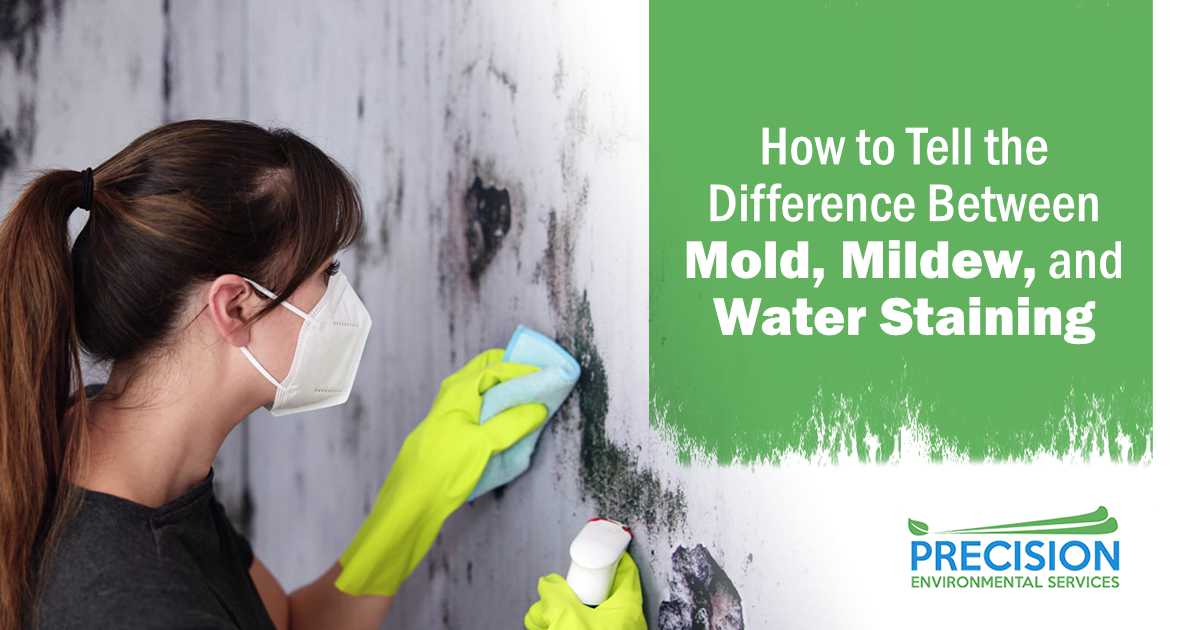
For minor surface mold on non-porous surfaces covering less than 10 square feet, property owners can often clean the area using water and detergent, ensuring complete drying. However, any area exceeding 25 square feet, or mold resulting from sewage backups or toxic black mold concerns, should be evaluated by a licensed professional to protect health and comply with Texas regulations.
How do I verify if a mold contractor is licensed in Texas?
You can verify the active licensing status of any mold assessor or remediator by visiting the official Texas Department of Licensing and Regulation (TDLR) website and using their public license search tool. Always request proof of license and general liability insurance before signing a contract.
What is a Certificate of Mold Damage Remediation (CMDR)?
A CMDR is an official document issued in Texas by a licensed mold remediator upon the successful completion of a project, validated by a separate mold assessor's clearance testing. Insurance companies operating in Texas are prohibited from making underwriting decisions based on previous mold damage if a homeowner provides a valid CMDR for that remediation.
How long does a typical professional remediation project take?
Most residential mold remediation projects in Fort Bend County take between two and five days to complete, depending on the extent of the contamination, the need for structural demolition, and drying times. Large commercial projects or extensive flood restorations may take significantly longer.
Does bleach kill mold on porous surfaces?
No. While bleach can lighten mold stains on non-porous surfaces like tile or glass, its water base sinks into porous materials like drywall and wood, feeding the underlying roots with moisture while failing to kill the roots embedded deep within the material. Specialized antimicrobial agents and physical removal are required.
Next Steps and Professional Guidance
If you discover visible mold or suspect hidden growth behind walls in your Fort Bend County property, prioritize immediate safety by stopping the moisture source. Avoid disturbing large mold patches without containment equipment. Contact a licensed Texas mold assessor to conduct a thorough diagnostic investigation and establish a formal remediation protocol before hiring a TDLR-licensed remediator to restore your indoor environment safely and legally.
Image Gallery
Select an image to open it in a new tab.



Mateo Castillo
Decentralized Finance and E-Payments Strategist
